If you've ever dealt with occasional bloating, indigestion, or a feeling that your gut is just 'off,' you're not alone. Digestive discomfort is one of the most common health complaints, affecting millions of people worldwide. While there are countless remedies on the market, one ancient spice has been gaining modern attention for its potential to support digestive wellness: turmeric.
Turmeric, and its active compound curcumin, has been used for centuries in traditional medicine to aid digestion. Today, scientific research is beginning to back up these age-old practices. In this article, we'll explore how turmeric curcumin can help your gut, what the science says, and how to choose the right supplement for your digestive needs.
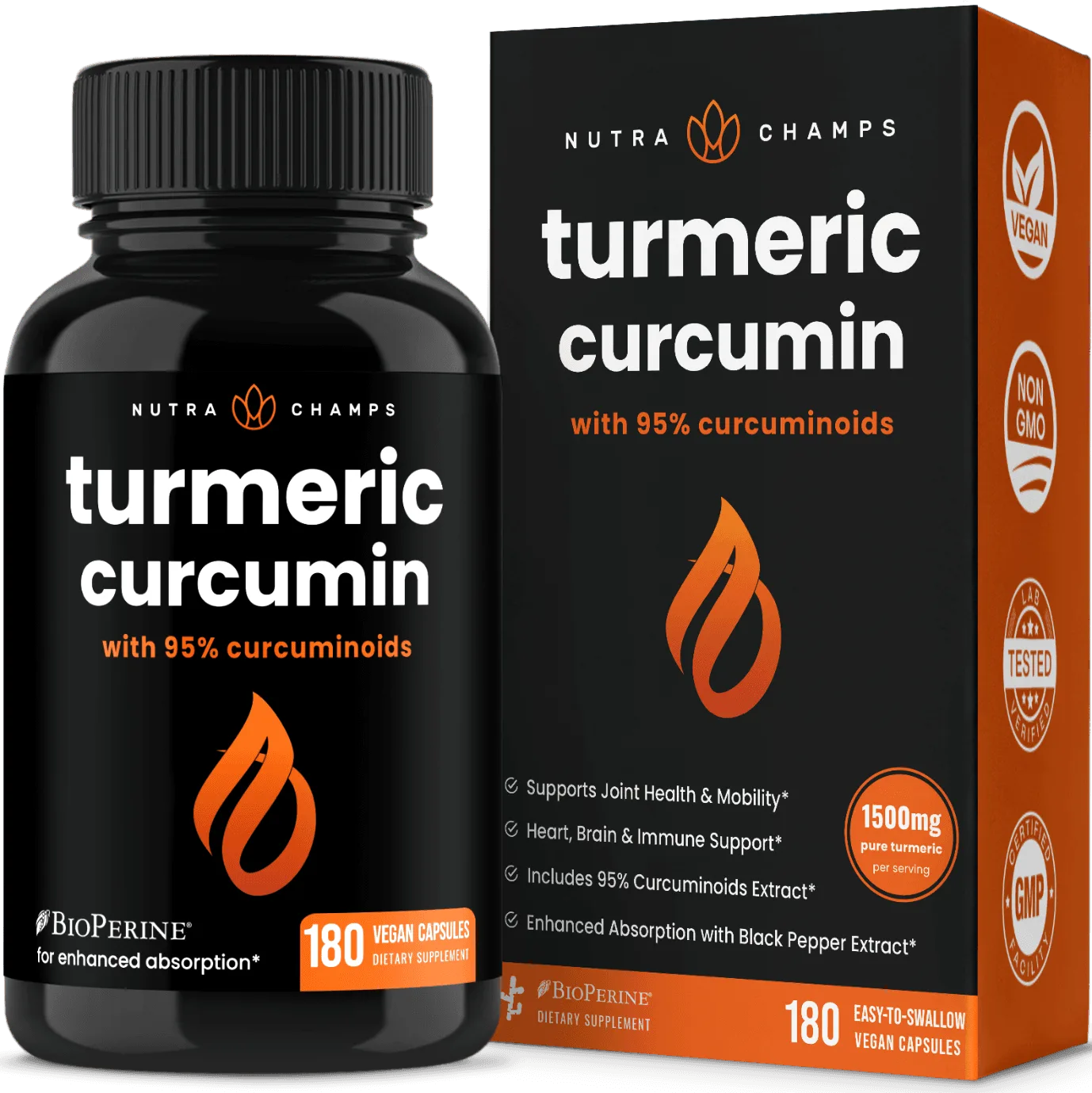
turmeric curcumin
How Turmeric Curcumin Supports Digestive Health
Curcumin, the bright yellow compound in turmeric, is renowned for its anti-inflammatory and antioxidant properties. These properties are particularly relevant for the digestive system. The gut is lined with a delicate mucosal layer that can become inflamed due to diet, stress, or imbalances in gut bacteria. Chronic low-grade inflammation in the digestive tract is linked to conditions like irritable bowel syndrome (IBS), inflammatory bowel disease (IBD), and general indigestion.
By helping to calm inflammation, curcumin may support a healthier gut lining and promote more comfortable digestion. Additionally, curcumin stimulates the gallbladder to release bile, a digestive fluid that helps break down fats. This can improve digestion of fatty foods and reduce feelings of fullness or heaviness after meals. For those who struggle with occasional bloating or gas, incorporating turmeric curcumin into your routine might offer gentle relief.
- Curcumin's anti-inflammatory action may soothe gut irritation.
- It supports bile production, aiding fat digestion.
- Antioxidant properties help protect gut cells from oxidative stress.
The Science Behind Curcumin and Gut Health
Several studies have investigated the effects of curcumin on digestive conditions. For example, research on IBS suggests that curcumin supplementation may reduce abdominal pain and improve bowel habits. A 2015 study published in the Journal of Alternative and Complementary Medicine found that a curcumin supplement significantly reduced IBS symptoms compared to placebo. Other research indicates that curcumin may help maintain the integrity of the intestinal barrier, preventing 'leaky gut' and reducing the passage of toxins into the bloodstream.
While more clinical trials are needed, the existing evidence is promising. Curcumin's ability to modulate the gut microbiome—the community of beneficial bacteria in your digestive tract—is another area of interest. Some animal studies show that curcumin can increase beneficial bacteria like Lactobacillus and Bifidobacterium, which play a crucial role in digestion and immune function. These findings suggest that turmeric curcumin could be a valuable addition to a gut-friendly lifestyle.
- Studies show curcumin may reduce IBS symptoms.
- Curcumin supports intestinal barrier integrity.
- It may positively influence gut bacteria balance.
balance
Turmeric Curcumin vs. Turmeric Powder: Which Is Better for Digestion?
When it comes to supplements, you'll often see two options: turmeric powder and turmeric curcumin extract. Turmeric powder contains only about 2-5% curcumin, while standardized extracts can contain 95% curcuminoids. For therapeutic digestive benefits, a concentrated extract is generally more effective because you can achieve higher doses of curcumin without consuming large amounts of powder.
However, curcumin is poorly absorbed on its own. That's why many supplements include black pepper extract (piperine) or are formulated with liposomes or nanoparticles to enhance bioavailability. When choosing a turmeric supplement for digestion, look for one that includes a bioavailability enhancer. Our Turmeric & Ginger Gummies combine turmeric with ginger, another digestive-friendly spice, and are formulated for easy absorption. They're a convenient way to support your gut without swallowing pills.
- Standardized extracts offer higher curcumin content.
- Look for added piperine or enhanced absorption technology.
- Gummies can be a tasty and convenient option.
How to Use Turmeric Curcumin for Digestive Support
If you're considering adding turmeric curcumin to your routine, it's important to know how to take it for best results. The typical dosage for digestive support is 500-1000 mg of curcumin extract per day, often divided into two doses. Always follow the label instructions on your supplement, as concentrations vary.
For best absorption, take turmeric curcumin with a meal that contains some fat, such as avocado, nuts, or olive oil. This is because curcumin is fat-soluble. If your supplement includes black pepper extract, that will also enhance absorption. Consistency is key—regular daily use is more likely to produce noticeable benefits than occasional use. If you're new to turmeric, start with a lower dose to see how your body responds.
- Take with a meal containing healthy fats for better absorption.
- Start with a lower dose and gradually increase.
- Be consistent with daily use for best results.
Choosing the Right Turmeric Supplement for Your Gut
With so many turmeric supplements on the market, it can be overwhelming to choose one. Here are some factors to consider: curcumin content, bioavailability, additional ingredients, and form. For digestion, you might prefer a supplement that also includes ginger, as ginger has its own anti-nausea and digestive benefits. Our Turmeric & Ginger Gummies are a great example of a combination product that targets gut health.
If you prefer capsules, look for a product that clearly states the curcumin percentage and includes black pepper extract or a patented form like Meriva or Theracurmin. Also, check for third-party testing to ensure purity and potency. Remember, a higher price doesn't always mean better quality. Read reviews and choose a reputable brand like NutraChamps, known for transparent labeling and quality ingredients.
- Check curcumin content and bioavailability.
- Consider combination products with ginger.
- Opt for third-party tested supplements.
Turmeric curcumin offers promising digestive benefits, from reducing inflammation to supporting bile flow and a healthy gut microbiome. Whether you choose gummies, capsules, or drops, incorporating this golden spice into your daily routine could be a simple step toward better gut health. If you're ready to try it, our Turmeric & Ginger Gummies provide a delicious and convenient way to support your digestion.