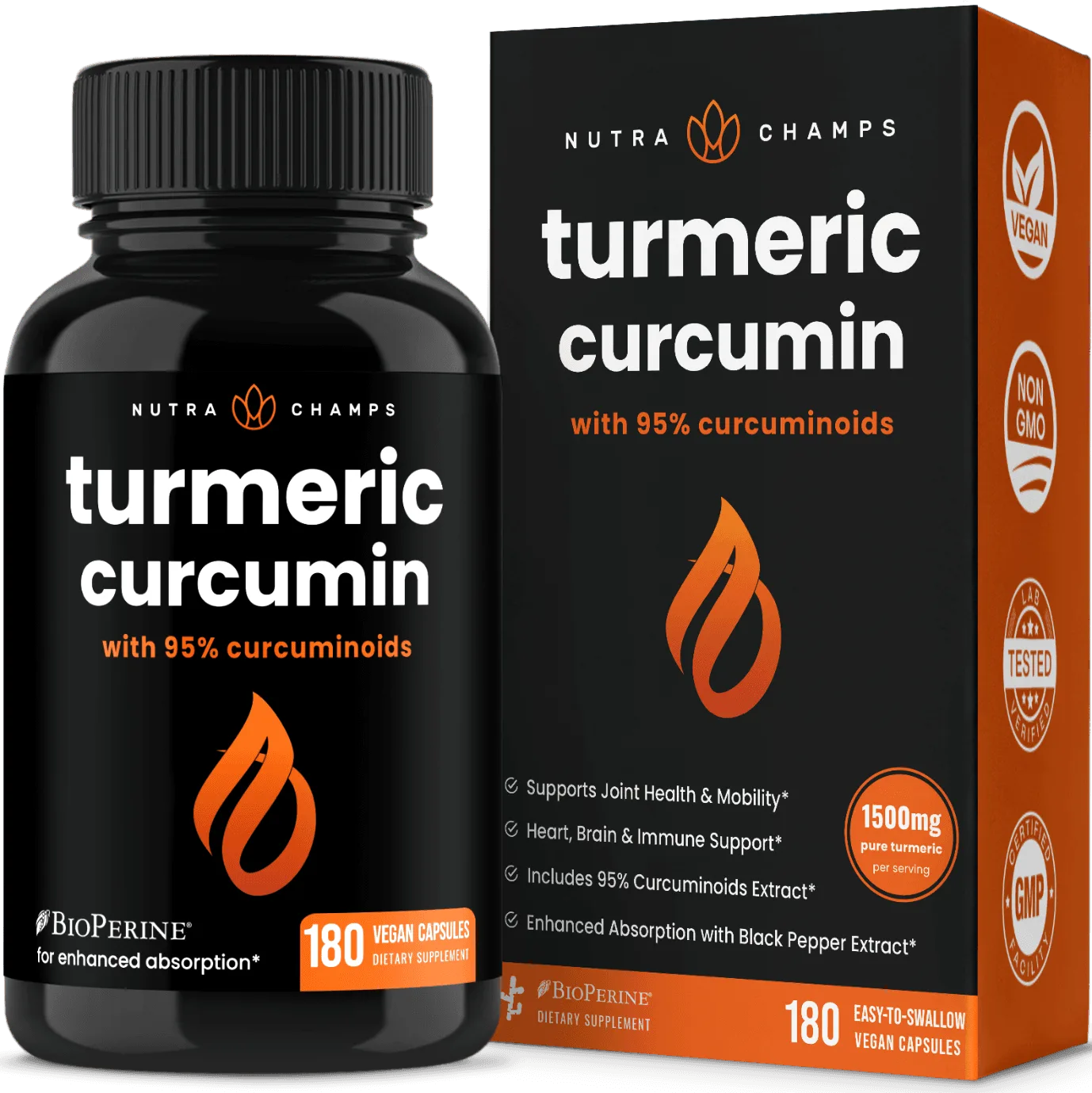
Turmeric has been used for centuries in traditional medicine, and modern research confirms its powerful anti-inflammatory properties. The active compound, curcumin, is responsible for most of these benefits. But when it comes to taking turmeric for inflammation, one of the most common questions is: how much should you take?
Finding the right dosage isn't one-size-fits-all. It depends on the form of turmeric, the concentration of curcumin, and your specific health goals. In this guide, we'll break down the recommended dosages, factors that affect absorption, and practical tips to get the most out of your turmeric supplement.
Understanding Curcumin and Its Anti-Inflammatory Effects
Curcumin is a polyphenol that gives turmeric its vibrant yellow color. It works by inhibiting inflammatory enzymes and cytokines, reducing oxidative stress, and modulating immune responses. Studies have shown that curcumin can be as effective as some anti-inflammatory drugs, but without the side effects.
However, curcumin has poor bioavailability, meaning the body absorbs only a small amount. This is why many supplements include black pepper extract (piperine) or are formulated with liposomal delivery or nanoparticles to enhance absorption. Without these enhancements, you may need higher doses to achieve therapeutic effects.
- Look for supplements with piperine (Bioperine) to increase absorption by up to 2000%.
- Curcumin is fat-soluble, so taking it with a meal containing healthy fats improves absorption.
Recommended Dosages for Inflammation
For general inflammation, studies often use doses of 500 to 1,000 mg of curcumin per day, divided into two or three doses. This range has been shown to reduce markers like C-reactive protein (CRP) and inflammatory cytokines. For chronic conditions like arthritis, some research uses up to 1,500 mg per day, but always start with the lowest effective dose.
It's important to note that the dosage refers to curcumin content, not turmeric powder. Turmeric powder contains only about 2-5% curcumin, so you'd need to consume a lot to get the same effect. Standardized extracts with 95% curcuminoids are more potent and convenient.
- Start with 500 mg of curcumin per day and increase gradually if needed.
- Divide doses to maintain steady levels in the body.
Factors That Affect Your Ideal Dosage
Your ideal dosage depends on several factors: the severity of inflammation, your body weight, and the specific formulation. For example, if you're managing a chronic condition, you might need higher doses or a more bioavailable form. Conversely, for mild joint discomfort, a lower dose may suffice.
Also, consider the quality of the supplement. High-quality extracts like those found in NutraChamps' Elderberry 5-in-1 Capsules (which include turmeric) may offer synergistic benefits. But for targeted curcumin, look for products that clearly state the curcuminoid content.
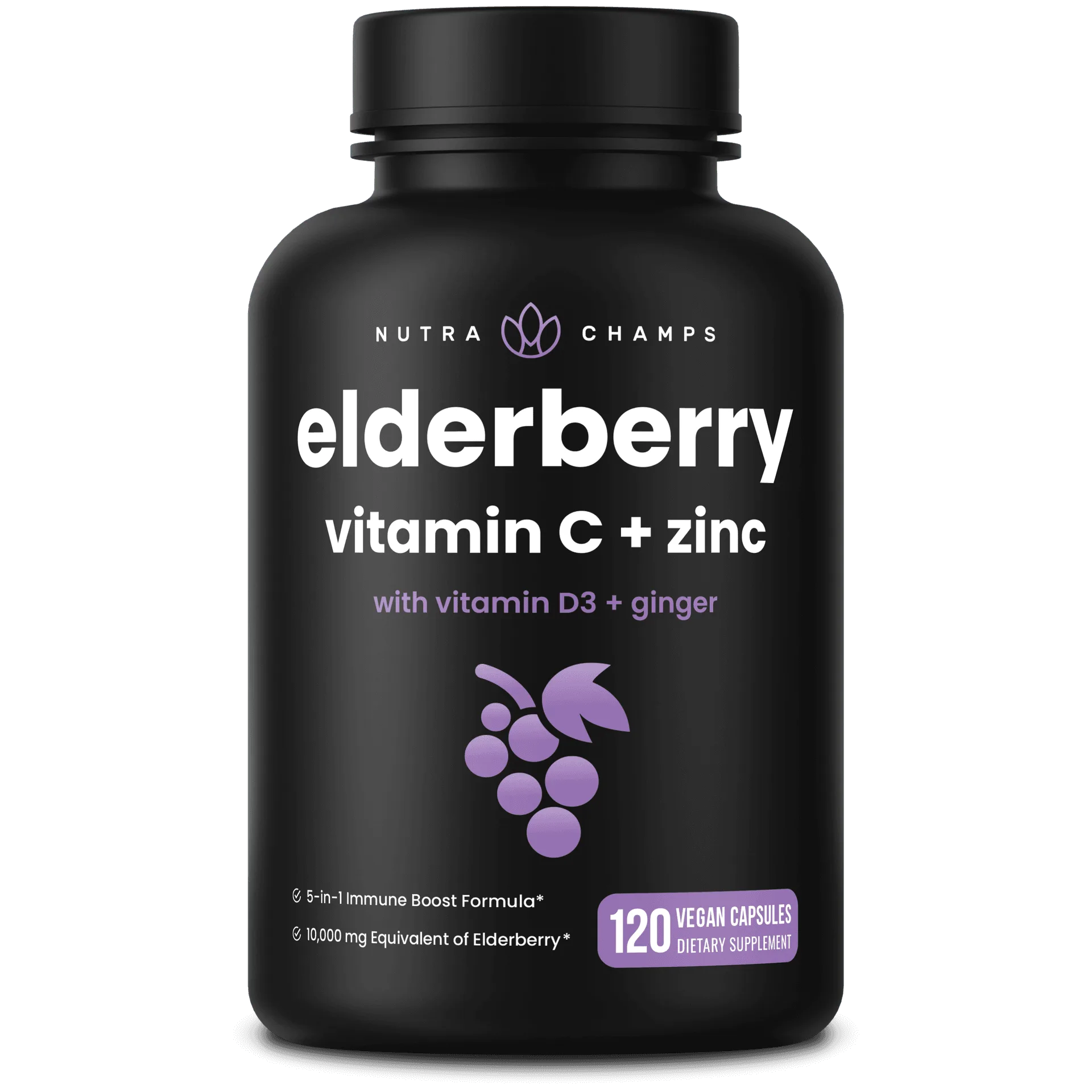
Elderberry 5-in-1 Capsules
- Check the supplement label for curcuminoid content, not just turmeric powder.
- Consult with a healthcare provider if you're on medication or have underlying conditions.
Safety and Side Effects
Curcumin is generally safe, but high doses (above 8,000 mg per day) may cause digestive issues like nausea or diarrhea. Some people might also experience headaches or skin rashes. To minimize side effects, start with a lower dose and take it with food.
If you have gallbladder problems, bleeding disorders, or are pregnant, consult your doctor before taking curcumin supplements. It can interact with blood thinners, diabetes medications, and certain anti-inflammatory drugs.
- Avoid taking curcumin on an empty stomach to reduce stomach upset.
- Always follow the recommended dosage on the product label.
How to Choose a Curcumin Supplement
When selecting a curcumin supplement, look for standardized extracts with at least 95% curcuminoids. Check if it includes piperine or is formulated for enhanced absorption. Also, consider the form: capsules, powders, or gummies. For example, NutraChamps' Kids Magnesium Gummies are a great option for children, but for adults, a dedicated curcumin product might be more appropriate.

Kids Magnesium Gummies
Another option is to combine turmeric with other anti-inflammatory ingredients. NutraChamps' Elderberry 5-in-1 Capsules include turmeric along with elderberry, zinc, and vitamin C, offering a comprehensive immune support. However, for targeted inflammation, you might prefer a standalone curcumin supplement.
- Read labels for 'curcuminoids' and '95% standardized'.
- Choose a reputable brand that third-party tests its products.
Finding the right turmeric curcumin dosage for inflammation is about balancing effectiveness with safety. Start with 500 mg of curcumin per day, look for enhanced absorption, and adjust based on your needs. Always consult a healthcare professional if you have any concerns. For a high-quality option, consider exploring NutraChamps' range of supplements, such as Elderberry 5-in-1 Capsules, which combine turmeric with other beneficial ingredients for overall wellness.