Inflammation is a natural immune response, but chronic inflammation can lead to various health issues. Many people turn to natural anti-inflammatory herbs to manage discomfort. Two of the most popular are turmeric and ginger. Both have been used for centuries in traditional medicine, but which one is more effective for inflammation?
In this article, we'll compare turmeric curcumin vs ginger, examining their active compounds, scientific evidence, and practical considerations. By the end, you'll have a clear understanding of which might be better suited for your needs.
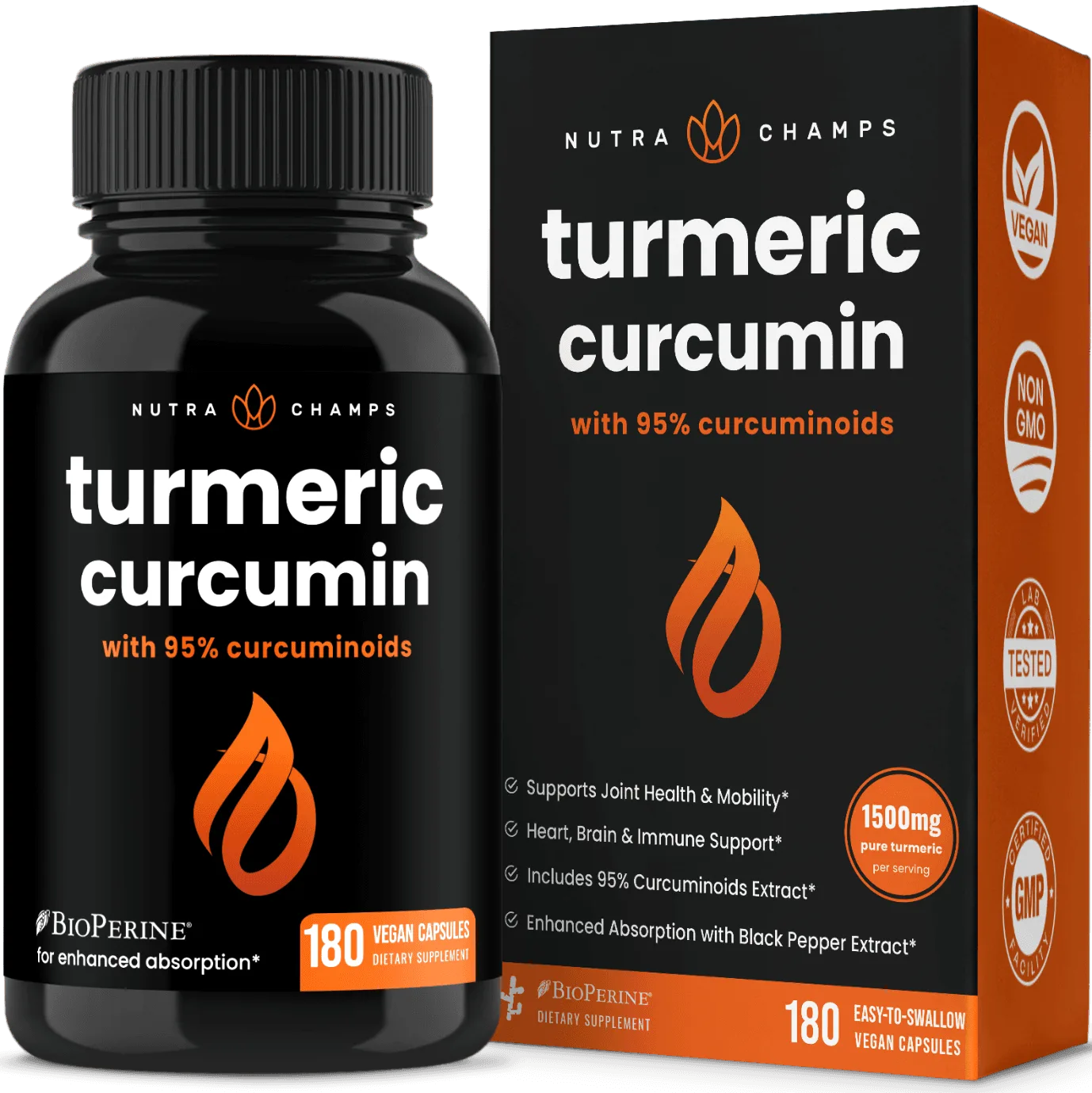
turmeric curcumin
Understanding Inflammation and Natural Anti-Inflammatory Herbs
Inflammation is the body's way of protecting itself from harm, but when it becomes chronic, it can contribute to conditions like arthritis, heart disease, and even autoimmune disorders. While medications are available, many people seek natural anti-inflammatory options to reduce side effects and support long-term health.
Turmeric and ginger are both rhizomes that belong to the Zingiberaceae family. They contain bioactive compounds that have been shown to modulate inflammatory pathways. Understanding how each works can help you make an informed choice.
- Chronic inflammation is linked to many diseases, making management essential.
- Natural anti-inflammatory herbs like turmeric and ginger offer gentle yet effective support.
Turmeric Curcumin: The Golden Spice's Potent Compound
Turmeric (Curcuma longa) is a bright yellow spice commonly used in Indian cuisine. Its primary active compound, curcumin, is renowned for its powerful anti-inflammatory properties. Curcumin works by inhibiting molecules that play a role in inflammation, such as NF-κB and COX-2.
Numerous studies have shown that curcumin can be as effective as some anti-inflammatory drugs, but without the side effects. However, curcumin has poor bioavailability, meaning it's not easily absorbed by the body. That's why many supplements include black pepper extract (piperine) to enhance absorption.
If you're considering a curcumin supplement, look for one with high curcuminoid content and bioavailability enhancers. The Turmeric Curcumin supplement from NutraChamps is a popular choice, offering a potent dose of curcuminoids with added piperine for maximum absorption.
- Curcumin is the key anti-inflammatory compound in turmeric.
- Bioavailability is a concern; choose supplements with piperine for better absorption.
Ginger: The Zesty Root with Anti-Inflammatory Power
Ginger (Zingiber officinale) is another rhizome with impressive health benefits. Its active compounds, gingerols and shogaols, have been shown to reduce inflammation by inhibiting the production of pro-inflammatory cytokines. Ginger is also known for its digestive benefits and ability to ease nausea.
Research suggests that ginger may be particularly effective for muscle pain and osteoarthritis. A study found that daily ginger supplementation reduced pain and disability in people with knee osteoarthritis. Ginger is also more bioavailable than curcumin, meaning your body can absorb it more easily.
While ginger can be consumed fresh or as a tea, supplements offer a concentrated dose. For those who prefer a convenient form, consider a product like the Tart Cherry supplement, which also has anti-inflammatory properties, but for ginger specifically, look for standardized extracts.
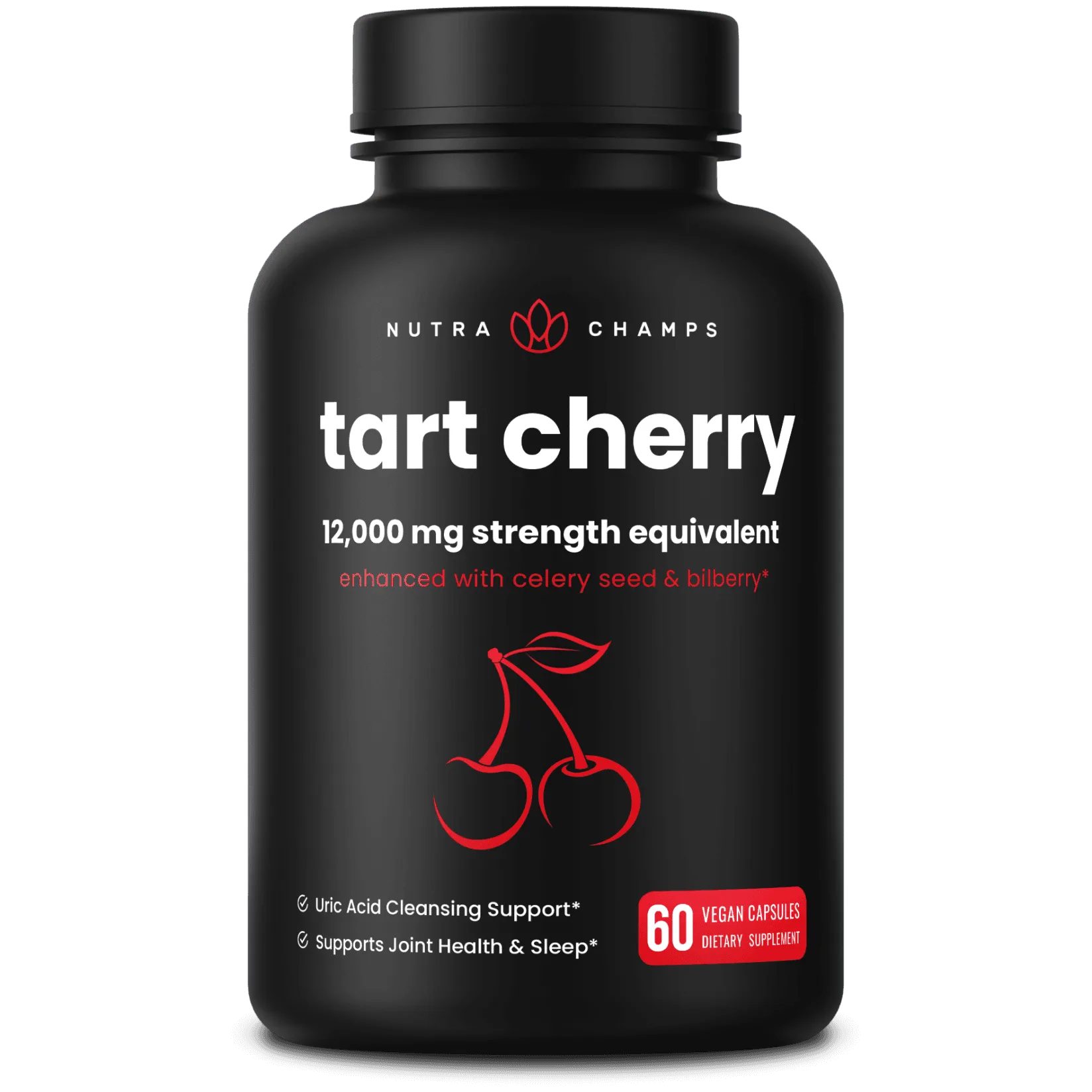
Tart Cherry
- Gingerols and shogaols are ginger's active anti-inflammatory compounds.
- Ginger may be especially beneficial for muscle pain and osteoarthritis.
Head-to-Head: Curcumin vs Ginger for Inflammation
When comparing curcumin vs ginger, both have strong anti-inflammatory credentials. Curcumin is often considered the more potent inhibitor of inflammatory pathways, but its low bioavailability can be a drawback. Ginger, on the other hand, is more easily absorbed and may offer quicker relief for certain types of pain.
A 2019 study compared the two directly and found that both reduced inflammation, but curcumin was more effective at lowering specific inflammatory markers. However, ginger showed better results for reducing oxidative stress. This suggests that your choice may depend on your specific health goals.
It's also worth noting that some people find turmeric and ginger to be complementary. Combining them could provide synergistic benefits, as they work through different mechanisms. Many anti-inflammatory supplements now include both ingredients.
- Curcumin is more potent but less bioavailable; ginger is less potent but more absorbable.
- Both can be used together for synergistic effects.
How to Choose: Factors to Consider
When deciding between turmeric curcumin and ginger, consider your primary health concern. If you're dealing with chronic inflammatory conditions like arthritis, curcumin's strong anti-inflammatory action may be more beneficial. If you have muscle soreness or digestive issues, ginger might be your go-to.
Also, think about the form of supplement you prefer. Turmeric curcumin supplements often require a fat source for absorption, while ginger can be taken in various forms. If you have a sensitive stomach, ginger is generally gentler.
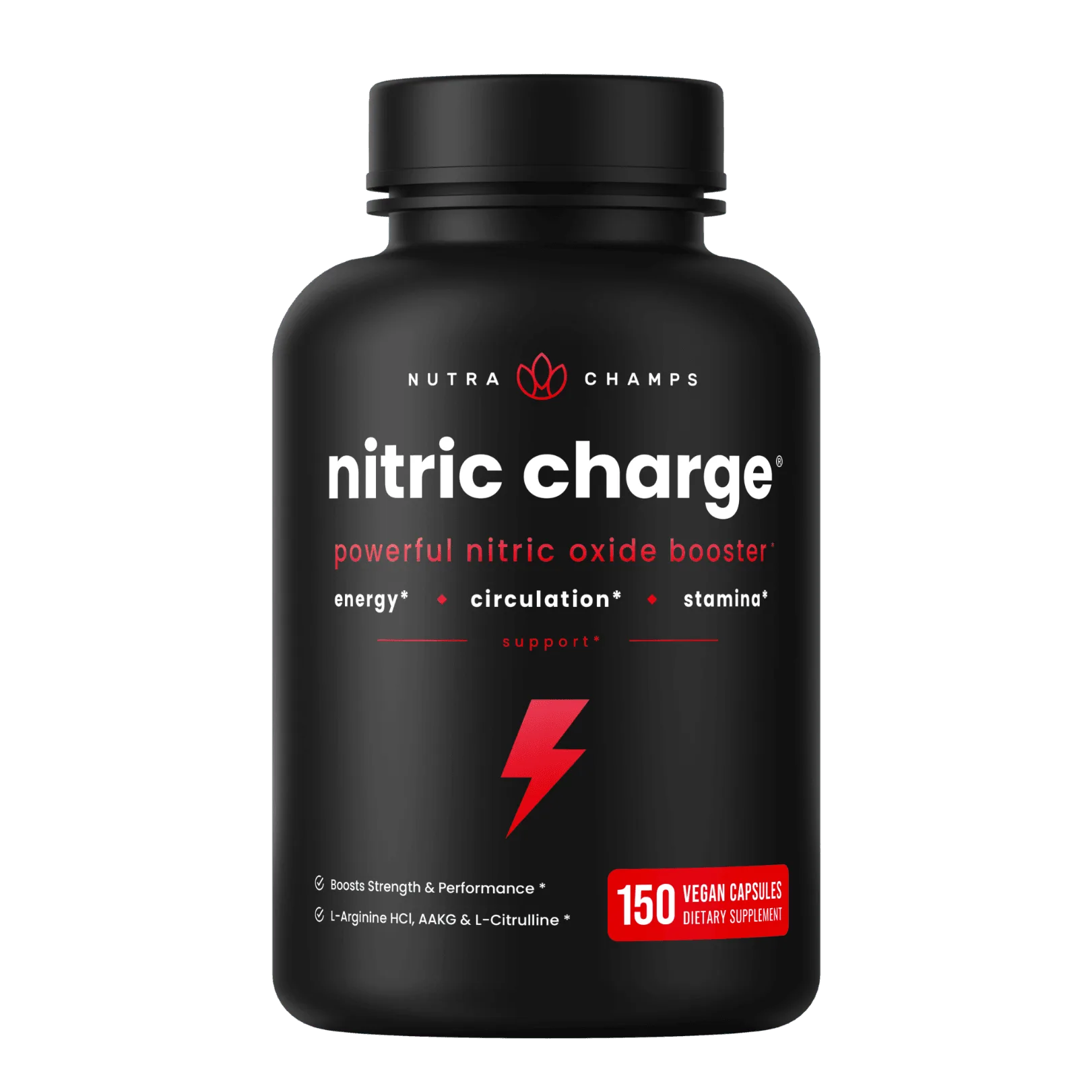
For those who want the best of both worlds, you could incorporate both into your routine. For example, take a turmeric curcumin supplement in the morning and ginger tea in the evening. Or, try a combined formula like the Nitric Charge supplement, which includes beet root and other anti-inflammatory ingredients, though it's not specifically turmeric or ginger.
- Consider your specific inflammation type: joint, muscle, or digestive.
- Choose a form that fits your lifestyle and absorption needs.
Potential Side Effects and Precautions
Both turmeric and ginger are generally safe when consumed in food amounts. However, high doses from supplements can cause side effects like stomach upset, heartburn, or diarrhea. Curcumin may interact with blood-thinning medications, while ginger can also affect blood clotting.
If you're pregnant, nursing, or have a medical condition, consult your healthcare provider before starting any new supplement. Always follow the recommended dosage on the product label.
- Start with a lower dose to assess tolerance.
- Check for potential interactions with medications.
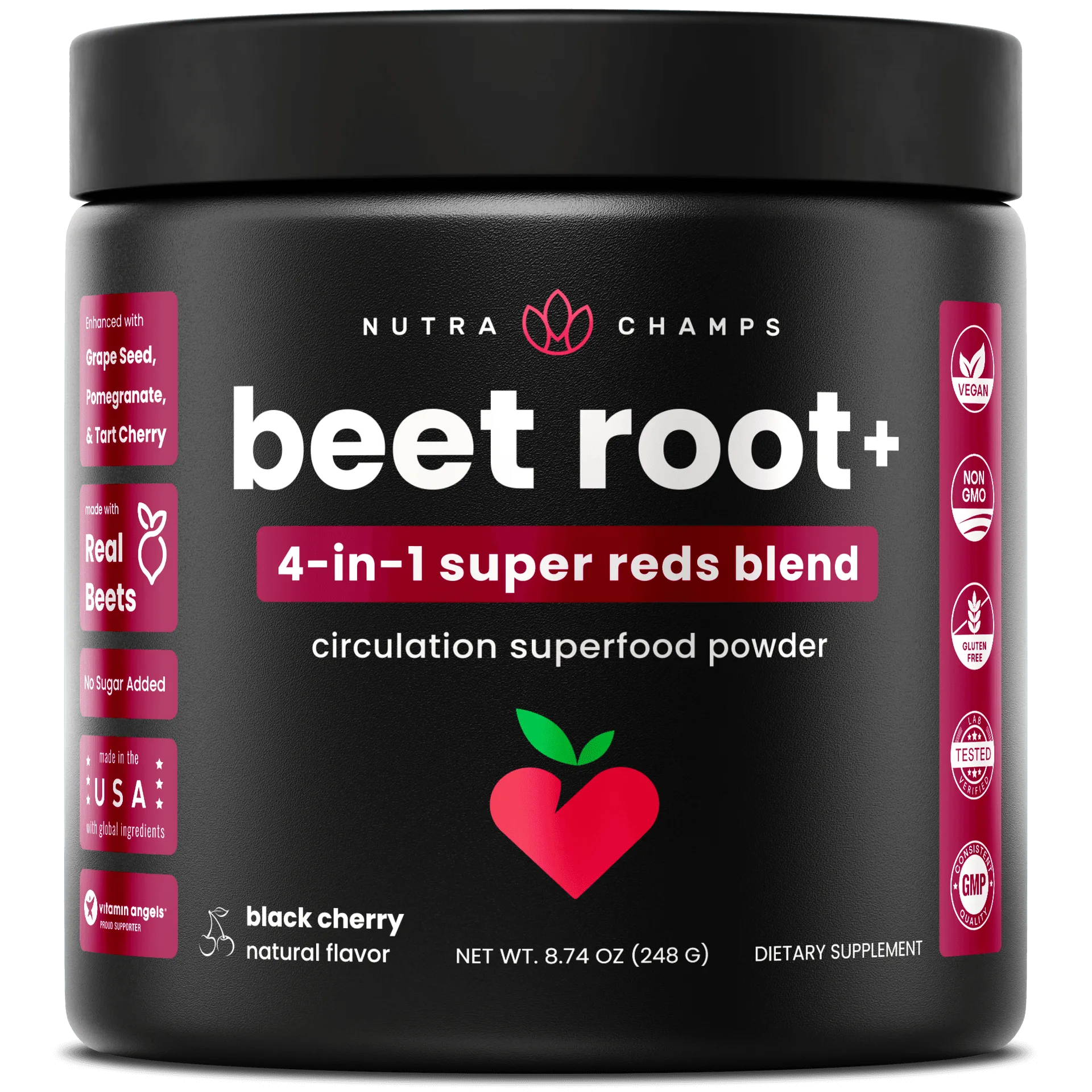
Both turmeric curcumin and ginger are powerful natural anti-inflammatory herbs with unique benefits. Curcumin is more potent but requires careful formulation for absorption, while ginger is more bioavailable and may offer quicker relief for muscle pain. Ultimately, the choice depends on your specific needs. If you're leaning toward turmeric, consider trying the Turmeric Curcumin supplement from NutraChamps for a high-quality, bioavailable option. For a broader anti-inflammatory approach, explore other supplements like Tart Cherry or Beet Root+ to support your wellness journey.