Turmeric has been a staple in traditional medicine for centuries, but its role in joint health has gained significant attention in recent years. As more people seek natural alternatives to support their joints, turmeric and its active compound curcumin have emerged as promising options. This article provides a science-based overview of how turmeric may benefit joint health, the importance of bioavailability, and what to look for in a supplement.
Joint discomfort can affect anyone, from athletes to older adults. While there are many over-the-counter options, turmeric offers a natural approach that has been studied for its anti-inflammatory properties. Understanding the research behind turmeric can help you make informed decisions about incorporating it into your wellness routine.
What is Turmeric and Curcumin?
Turmeric is a bright yellow spice derived from the root of the Curcuma longa plant. It contains bioactive compounds called curcuminoids, with curcumin being the most studied. Curcumin is known for its potent anti-inflammatory and antioxidant effects, which are believed to contribute to turmeric's health benefits, particularly for joints.
However, curcumin's bioavailability is notoriously low. This means that when you consume turmeric, your body may not absorb enough curcumin to produce significant effects. This has led to the development of various formulations designed to enhance absorption, such as combining curcumin with piperine (black pepper extract) or using liposomal delivery systems.
- Curcumin is the primary active compound in turmeric, responsible for its vibrant color and health benefits.
- Low bioavailability means you need a supplement with enhanced absorption for optimal results.
The Science Behind Turmeric and Joint Health
Research suggests that curcumin can help reduce inflammation by inhibiting molecules like NF-κB and COX-2, which play key roles in the inflammatory response. This mechanism is similar to how some non-steroidal anti-inflammatory drugs (NSAIDs) work, but without the associated side effects. Several studies have shown that curcumin supplementation may help reduce joint discomfort and improve mobility in people with osteoarthritis.
A 2016 systematic review of randomized controlled trials concluded that turmeric extract (about 1000 mg/day of curcumin) could be as effective as ibuprofen for reducing pain and improving function in patients with knee osteoarthritis. Another study found that a specific curcumin formulation improved joint health markers in healthy adults. While more research is needed, these findings are promising.
- Curcumin's anti-inflammatory properties may help reduce joint discomfort.
- Some studies suggest turmeric extract may be comparable to NSAIDs for knee osteoarthritis.
- Always consult with a healthcare provider before starting any supplement, especially if you take medication.
Bioavailability: The Key to Effectiveness
As mentioned, curcumin's poor absorption is a major hurdle. To overcome this, many supplements include black pepper extract (piperine), which has been shown to increase curcumin absorption by up to 2000%. Other approaches include using liposomal curcumin, nanoparticles, or curcumin complexed with phospholipids (like Meriva or BCM-95) to enhance bioavailability.
When choosing a turmeric supplement, look for products that clearly state the curcumin content and include bioavailability enhancers. For example, some supplements like Force Factor's Better Turmeric Soft Chews are designed to provide effective doses of curcumin with enhanced absorption. Always read the label to ensure you're getting a product that matches the research-backed dosages.
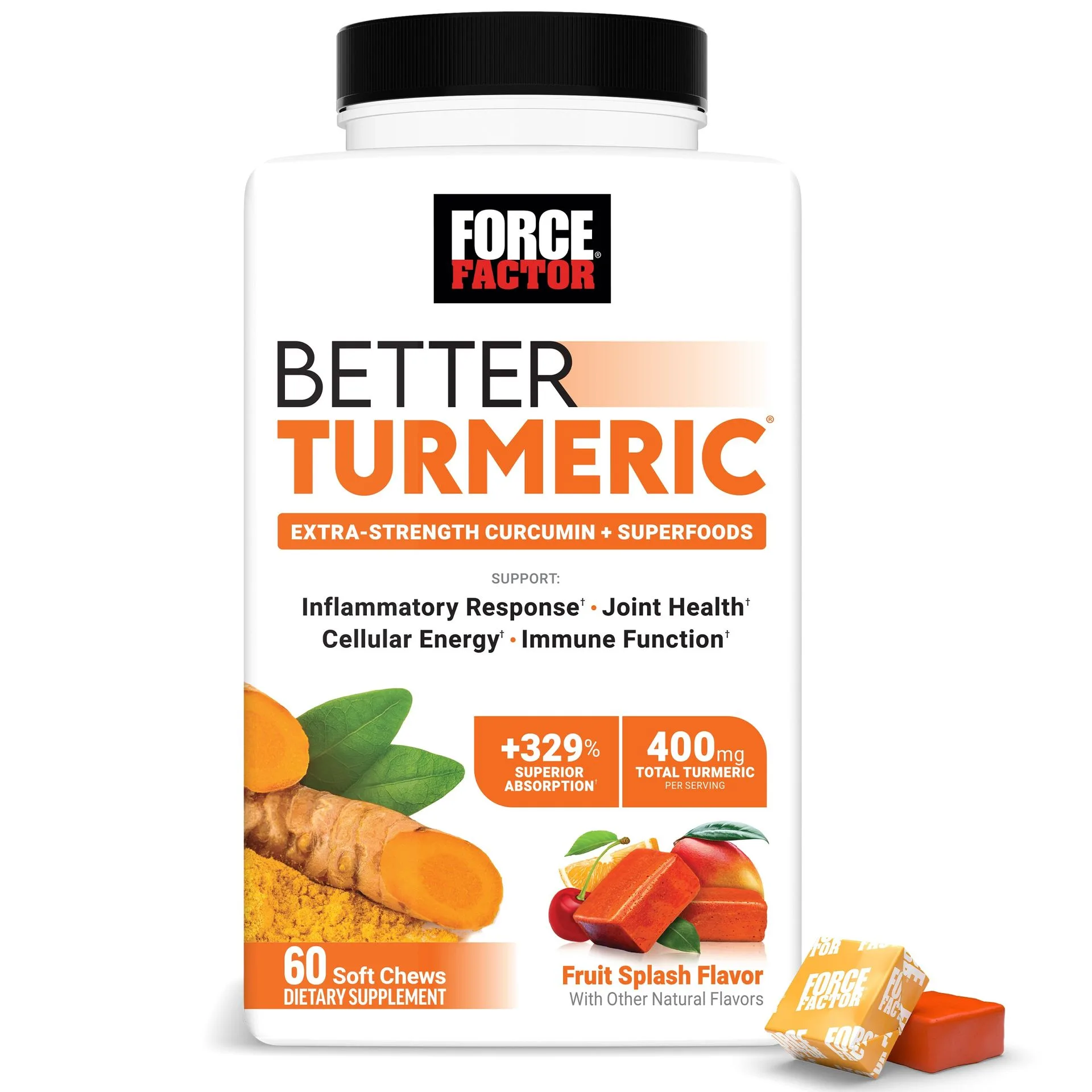
Better Turmeric Soft Chews
- Look for supplements with piperine or other bioavailability enhancers.
- Check the curcumin content, not just turmeric powder, to ensure potency.
- Consider soft chews or capsules for convenience and consistent dosing.
How to Incorporate Turmeric into Your Routine
You can add turmeric to your diet through cooking, but getting therapeutic doses from food alone is challenging. Supplements offer a more reliable way to achieve the amounts used in studies. When starting a turmeric supplement, it's wise to begin with a lower dose and gradually increase to assess tolerance.
For joint health, consistency is key. Many studies use daily supplementation for 8-12 weeks to see benefits. Pairing turmeric with a healthy lifestyle, including regular movement and a balanced diet, can further support joint health. If you're also interested in overall wellness, some products combine turmeric with other beneficial ingredients like ginger or Boswellia.
- Start with a low dose and gradually increase as needed.
- Consistency over several weeks is important for noticeable benefits.
- Combine with a healthy diet and exercise for best results.
Choosing the Right Turmeric Supplement
With so many options available, selecting a turmeric supplement can be overwhelming. Here are some factors to consider: the form (capsules, tablets, soft chews), the curcumin concentration, the presence of bioavailability enhancers, and third-party testing for quality. Soft chews are a convenient option for those who dislike swallowing pills, and they often come in pleasant flavors.
For example, Force Factor's Better Turmeric Soft Chews offer a tasty way to get your daily curcumin. Additionally, if you're looking to support your joints along with other health goals, you might also explore products like Force Factor Total Beets Tablets for blood pressure support, which can complement your wellness routine.
- Choose a supplement with standardized curcumin extract (e.g., 95% curcuminoids).
- Opt for products with added piperine for better absorption.
- Consider your preference for form and flavor.
Turmeric and its active compound curcumin offer a promising, science-backed approach to supporting joint health. By understanding the importance of bioavailability and choosing a high-quality supplement, you can harness the potential benefits of this ancient spice. As always, consult with a healthcare professional before adding any new supplement to your regimen.