Quick Answer
Curcumin is the active compound in turmeric, but it's poorly absorbed on its own. For better absorption, choose a curcumin supplement formulated with black pepper extract (piperine) or other bioavailability enhancers. If you prefer whole turmeric, pair it with black pepper and a fat source to improve uptake.
When you're shopping for a natural anti-inflammatory supplement, you'll see both turmeric and curcumin on labels. They're related, but they're not the same. Turmeric is the root spice; curcumin is one of its active compounds. The form you choose affects how much your body actually uses.
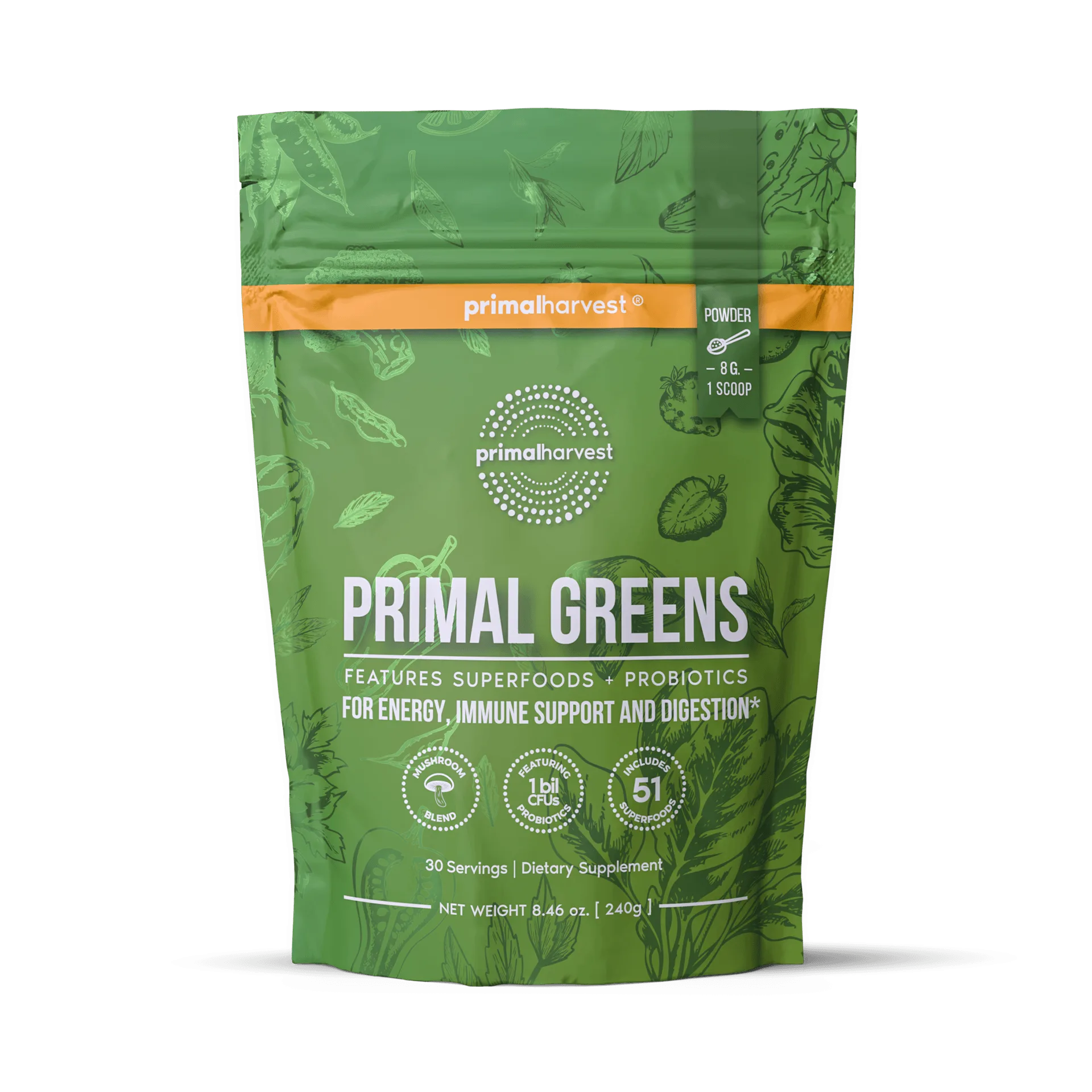
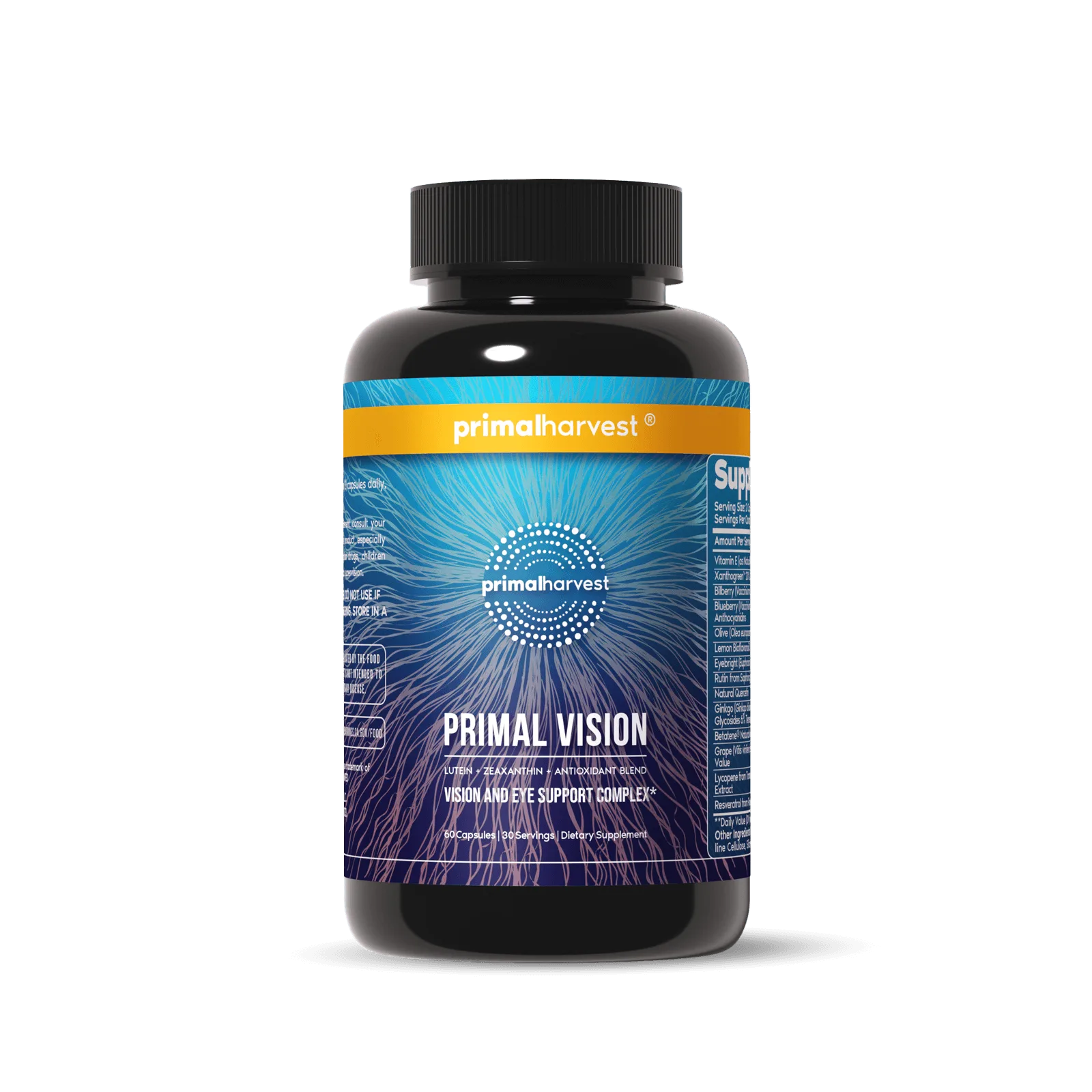
This comparison breaks down the absorption difference, the role of black pepper, and when each form makes sense. We'll also look at how these principles apply to supplements like Primal Greens and Primal Vision, which include plant-based ingredients for everyday wellness.
Primal Vision
What is the Difference Between Turmeric and Curcumin?
Turmeric is the golden root used in cooking and traditional medicine. It contains many compounds, but the most studied are curcuminoids—curcumin being the most active. Curcumin is responsible for most of turmeric's antioxidant and anti-inflammatory properties, but it makes up only about 3% of the root's weight.
When you take turmeric powder, you get a mix of curcuminoids and other plant compounds. Curcumin supplements, on the other hand, are concentrated extracts. This means you need a much smaller dose to get a significant amount of curcumin. However, the body doesn't absorb curcumin easily, so the form you choose matters more than the dose alone.
- Turmeric contains about 3% curcumin by weight; curcumin supplements are concentrated extracts.
- Curcumin has low natural bioavailability—most of what you consume is metabolized before it reaches tissues.
- Black pepper extract (piperine) can increase curcumin absorption by up to 2000%.
Why Absorption Matters: The Bioavailability Problem
Curcumin is poorly absorbed in the digestive tract. It's quickly metabolized by the liver and intestines, so only a small fraction enters the bloodstream. This is why many studies use high doses or special formulations to see effects.
To improve absorption, look for supplements that include black pepper extract (piperine), which inhibits the enzymes that break down curcumin. Another approach is to pair curcumin with fats, since it's fat-soluble. Some products use liposomal or nanoparticle technology to enhance delivery, but these are less common and often more expensive.
When comparing turmeric vs curcumin, the practical question is: how much curcumin actually reaches your system? Whole turmeric has a low curcumin content, so you'd need to eat a lot to get a therapeutic dose. Curcumin supplements with bioavailability enhancers are more efficient, but they may cost more.
- Check the label for 'piperine' or 'black pepper extract'—it's the most proven absorption booster.
- Take curcumin with a meal that contains fat to improve uptake.
- Avoid products that list 'turmeric root powder' without standardizing curcumin content if you want a consistent dose.
Turmeric with Black Pepper: The Classic Pairing
Black pepper contains piperine, a natural compound that can increase curcumin absorption by up to 2000% in human studies. This is why many turmeric supplements include black pepper extract. If you're using turmeric powder in cooking, adding a pinch of black pepper is a simple way to boost its bioavailability.
However, piperine can interact with certain medications and may cause stomach upset in sensitive people. If you're on medication, talk to your healthcare provider before adding a high-piperine supplement.
For those who prefer a whole-food approach, turmeric with black pepper and a fat source like olive oil is a practical combination. But for consistent, higher-dose curcumin, a standardized supplement with piperine is more reliable.
- Pair turmeric with black pepper and a healthy fat in meals, like a curry with olive oil.
- If you're sensitive to piperine, look for curcumin formulations that use other delivery systems, like phytosomes.
Choosing the Best Turmeric Supplement for Inflammation
When you want a supplement for inflammation, the key is to look for a product that specifies curcumin content and includes an absorption enhancer. A typical dose is 500 mg of curcumin extract with 5 mg of piperine, taken once or twice daily.
But not everyone needs a concentrated curcumin supplement. If you're already taking a greens powder like Primal Greens, which includes over 50 superfood ingredients, you may get a variety of anti-inflammatory compounds from whole foods. Adding a curcumin supplement could be redundant or complementary, depending on your goals.
Similarly, if you're focused on eye health, Primal Vision contains lutein and zeaxanthin—plant compounds that support vision. This doesn't replace curcumin's role in systemic inflammation, but it shows how different plant compounds target different areas.
- Read the label for 'curcumin 95%' or 'standardized to 95% curcuminoids'.
- If you're on blood thinners or have gallbladder issues, consult a doctor before taking curcumin supplements.
Turmeric vs Curcumin: The Trade-offs
- Whole turmeric powder: Contains curcumin plus other beneficial compounds, but curcumin content is low (about 3%). You'd need to consume large amounts to get a therapeutic dose, which may be impractical. Best for culinary use and gentle daily support, not for targeted high-dose curcumin.
- Curcumin supplement with piperine: Provides a concentrated dose with enhanced absorption. More effective for inflammation, but piperine can cause digestive upset or interact with medications. Best for those who want a reliable, high-absorption curcumin dose and don't have contraindications.
- Curcumin supplement without piperine: Uses alternative delivery systems like phytosomes or liposomes. May be better tolerated, but often more expensive and less widely studied. Consider if you're sensitive to piperine or prefer a non-pepper formulation.
How Primal Harvest Products Fit In
- Primal Greens: Formulated with over 50 premium superfood ingredients, Primal Greens supports healthy digestion, boosts natural energy, and strengthens immunity—helping you stay vibrant and balanced every day.* If you prefer a whole-food approach to inflammation, Primal Greens offers a broad spectrum of plant nutrients that may support overall wellness, though it doesn't provide a concentrated curcumin dose.
- Primal Vision: With lutein, zeaxanthin, and plant compounds, Primal Vision supports eye health, visual clarity, and protection against blue light for long-term vision and overall eye wellness.* For targeted eye health, Primal Vision uses specific plant compounds that work differently from curcumin, so you can choose based on your primary health focus.
Which Should You Choose?
Best for
- People who want a convenient, high-absorption curcumin supplement for inflammation—choose a standardized extract with piperine.
- Those who enjoy cooking with turmeric and want a gentle daily anti-inflammatory boost—use turmeric powder with black pepper and fat.
Not for
- People on blood-thinning medication or with gallbladder disease should avoid high-dose curcumin without medical advice.
- If you're looking for a broad-spectrum whole-food supplement, a greens powder like Primal Greens may be more suitable than a single curcumin extract.
Turmeric and curcumin both have a place in a wellness routine, but absorption is the deciding factor. For targeted inflammation support, a curcumin supplement with black pepper is more effective. For everyday variety, whole turmeric in cooking or a superfood blend like Primal Greens can contribute to your overall nutrient intake. Choose based on your health goals, tolerance, and budget.