Quick answer
Place your Turtlebox on a stable, elevated surface at least a few feet off the ground, angled toward your listening area. Keep it out of corners and away from walls to reduce muddy bass, and avoid enclosing it in tight spaces. For outdoor use, aim the speaker slightly upward if listeners are standing, and keep it close to you rather than far away.
Why placement matters for outdoor sound
Outdoor spaces lack the walls and ceilings that reflect sound indoors. That means your Turtlebox has to work harder to fill the area. Placing it correctly helps project sound toward your audience instead of wasting it into open air or absorbing it into soft ground. A few simple adjustments can make a noticeable difference in perceived volume and clarity.
Choose the right surface and height
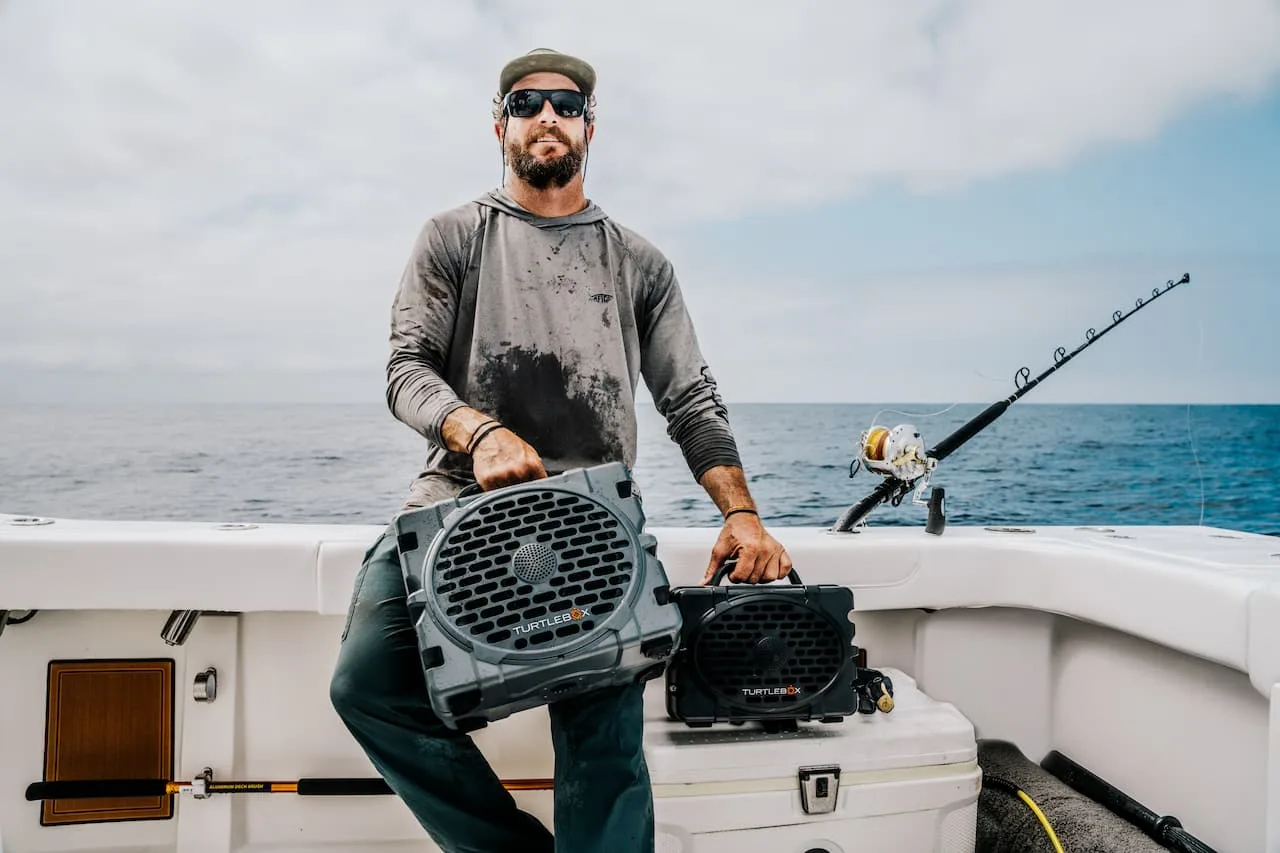
Hard, reflective surfaces like a wooden table, cooler lid, or tailgate help sound carry. Soft surfaces like grass, sand, or a padded blanket absorb sound and reduce volume. Elevating the speaker to roughly ear level when seated or standing improves direct sound delivery. If you're on a boat or UTV, make sure the surface is secure and won't vibrate.
Angle and aim for your audience
Point the front of the speaker toward the center of your listening area. If people are spread out, angle it slightly upward to cover more distance. Avoid pointing it directly at a wall or hard surface close by, as that can cause harsh reflections. For a small group, a slight upward tilt works well; for a larger area, raise it higher and aim it outward.
Avoid common placement mistakes
Don't put the speaker in a corner or inside a cabinet—this traps sound and makes bass boomy. Don't place it on the ground if you can avoid it; ground placement muffles highs and reduces clarity. Also, avoid setting it directly on metal that rattles. Keep it away from water spray if you're near a pool or ocean, even though Turtlebox is waterproof.
Step-by-step placement guide
- Pick a stable, elevated spot: Choose a hard surface like a table, cooler, or tailgate. Avoid grass or sand. If you must use soft ground, place a flat board underneath. Checkpoint: The speaker should not wobble when you tap it.
- Aim the speaker toward your listeners: Point the front grille at the center of where people will be. If they are standing, tilt the speaker up slightly. Mistake to avoid: Aiming it at a nearby wall, which causes echo.
- Keep it away from corners and walls: Leave at least a few feet of space behind and to the sides. Corners amplify bass unevenly and can make vocals sound muddy. Checkpoint: Step back and listen—if bass sounds boomy, move it out.
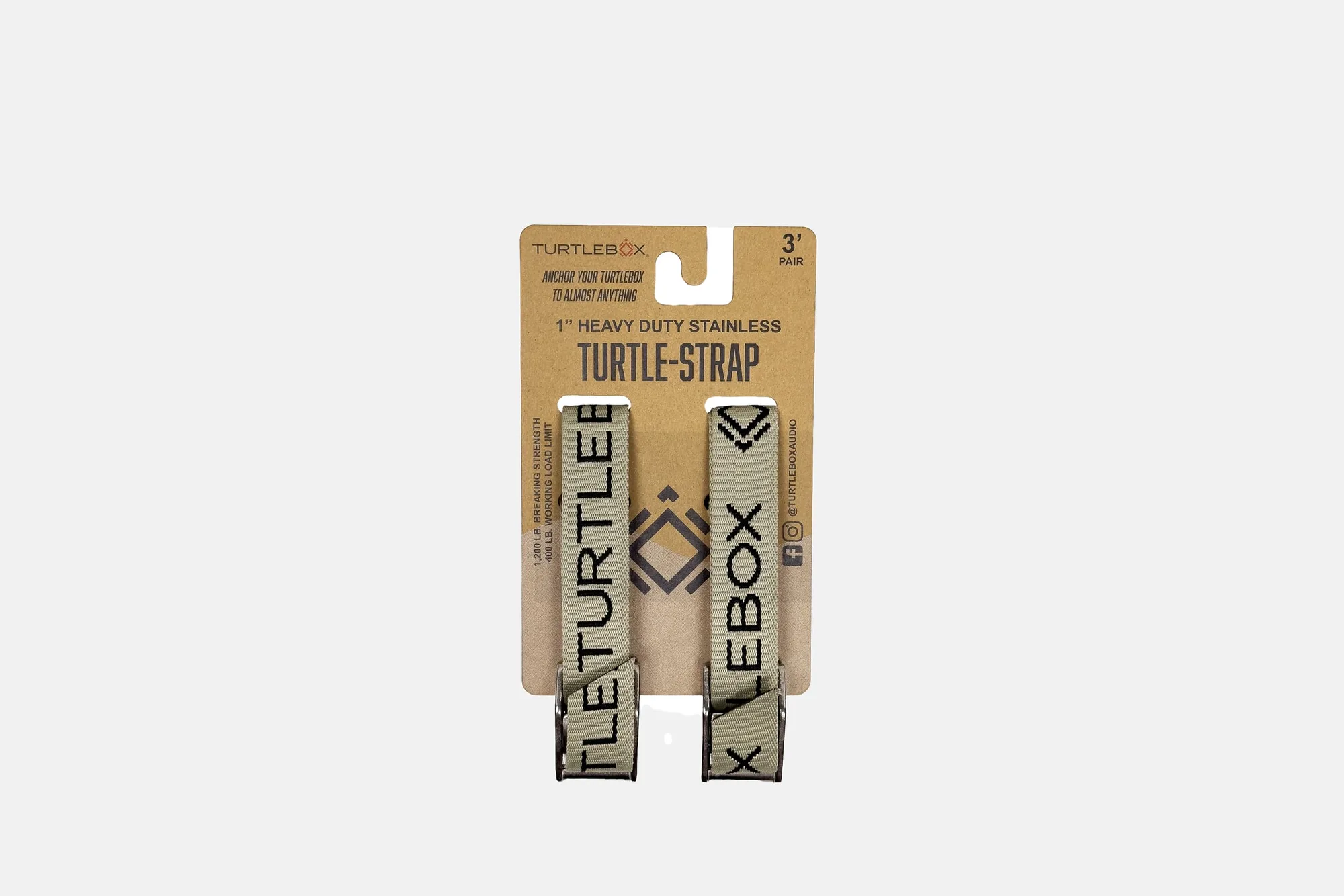
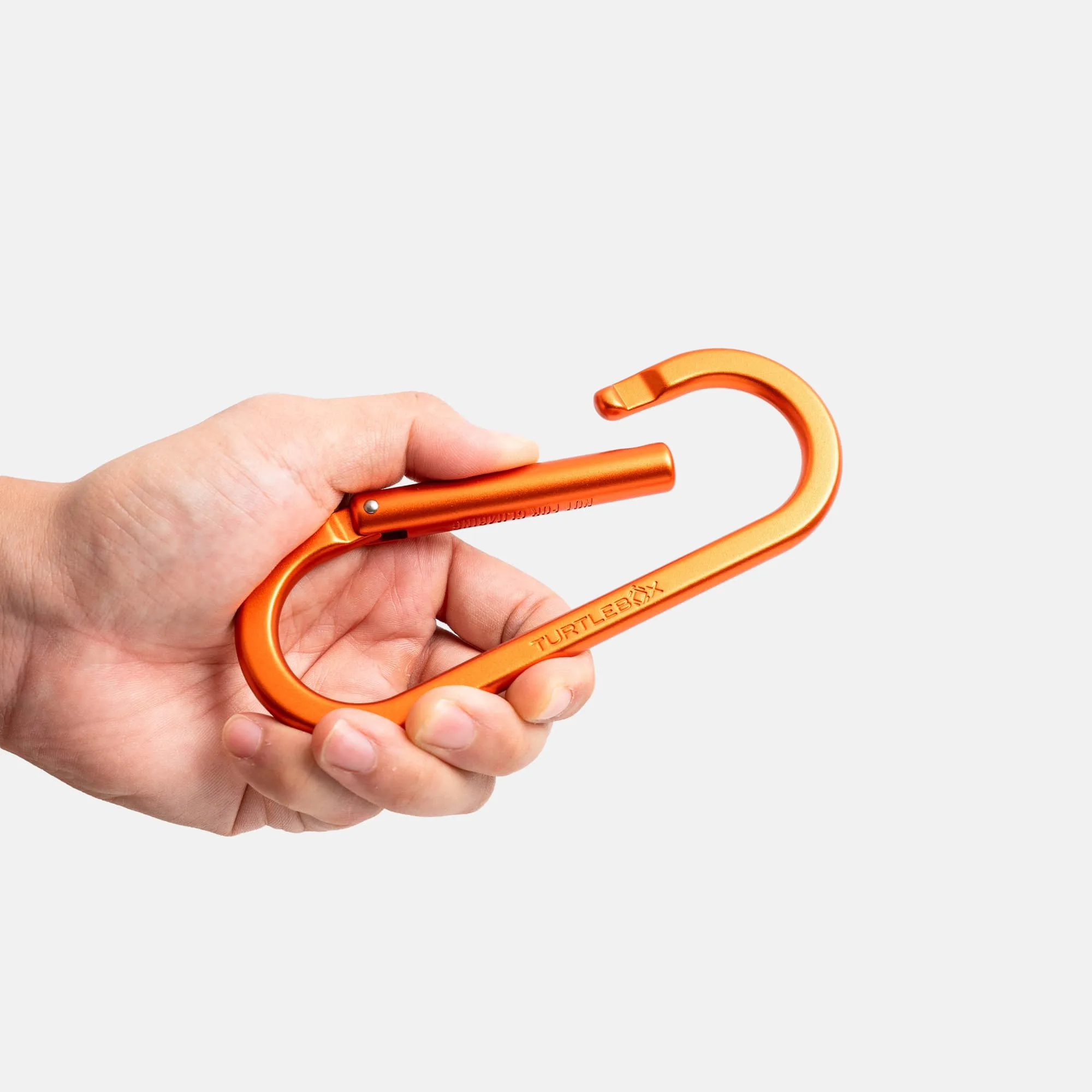
- Secure it if needed: On a boat, UTV, or windy day, use Tie-Down Straps or a Carabiner to anchor the speaker. This prevents movement that could affect sound or cause damage. Next step: Test volume from your main listening position and adjust angle.
Gear that helps with placement
- Tie-Down Straps: Tie-Down Straps are 36 inches long and designed to secure your Turtlebox to a Ranger, kayak, or boat. If you're placing your speaker on a moving vehicle or uneven surface, these straps keep it from sliding or falling, so you can focus on sound quality.
- Carabiner: The Carabiner clips into any Turtlebox speaker: Ranger, Cub, Original, or Grande. It is not for climbing. Use it to hang your speaker from a branch, tent pole, or backpack for elevated placement that improves sound projection.