Start with the scent, then pick the room
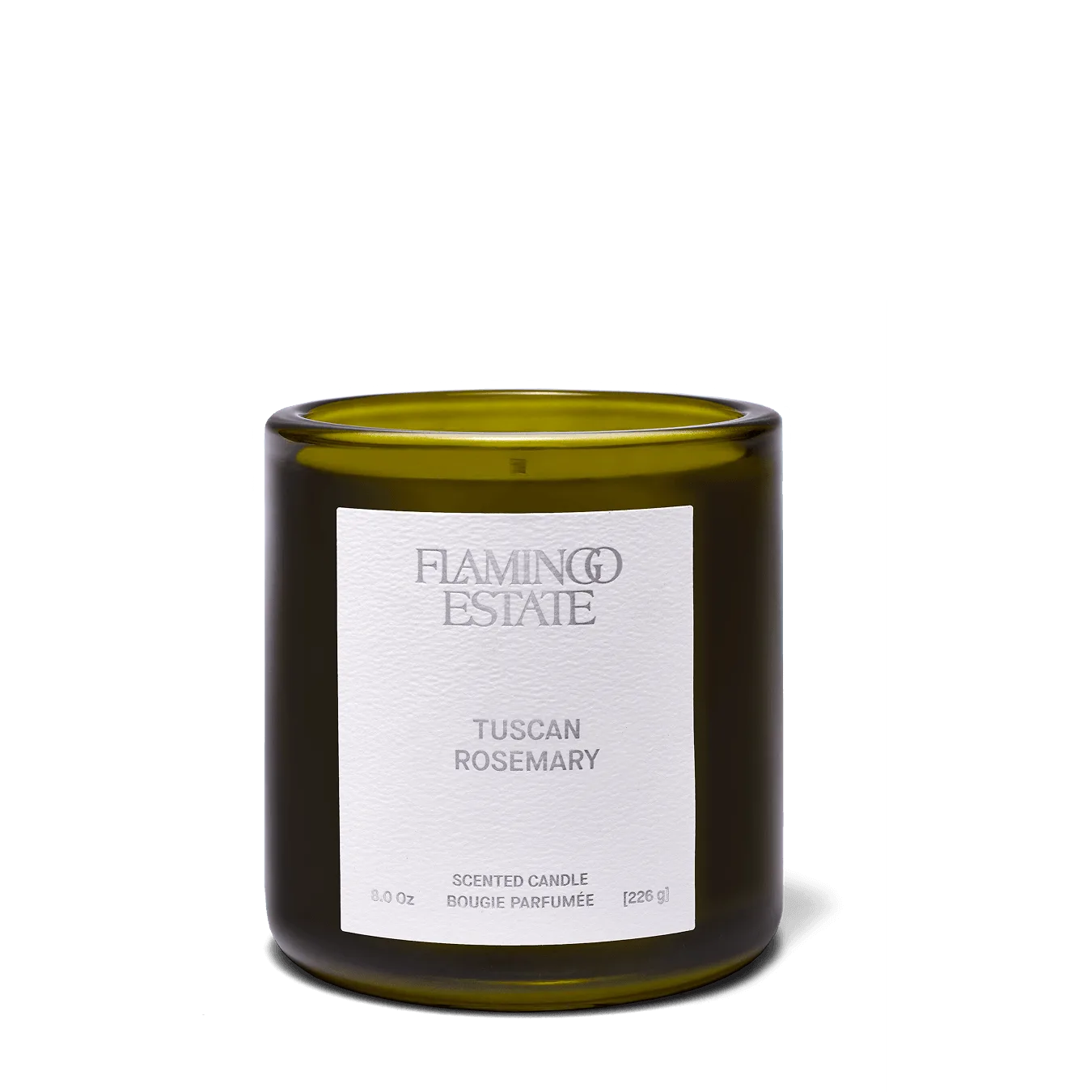
The Tuscan Rosemary Candle is built around rosemary as an herb with a long cultural history. The catalog describes it as kindling warm layers of evergreen and camphor, often detected among cypress trees and golden-hour ruins. That tells you what kind of room it suits: one where a green, resinous warmth can sit in the background rather than compete with cooking or flowers.
Placement is less about a perfect spot and more about matching the scent to how a room is used. A rosemary candle for the bedroom is a different decision from one for a hallway or a reading corner. Use the room-by-room notes below as a starting point, then adjust to your own space.
What the catalog confirms about the scent
-
Tuscan Rosemary Candle: The catalog describes rosemary as kindling warm layers of evergreen and camphor, often detected wafting among cypress trees and golden-hour ruins. This green, resinous profile is the main clue for placement: it works best where a warm evergreen note can unfold without being masked.
Tuscan Rosemary Candle
-
Tuscan Rosemary Candle: The catalog notes rosemary has been used for centuries as a mental stimulant, said to enhance memory, intelligence, and creative dreaming. That traditional association makes the candle a natural fit for desks, reading nooks, and other focus-oriented spots, though the catalog does not make a health claim.
Room-by-room placement ideas
These are suggestions for matching the scent to a room's purpose, not manufacturer instructions. The catalog does not include burn-time, distance, or safety guidance, so treat placement as a personal preference and follow the candle's own label when it arrives.
- Bedroom: A rosemary candle for the bedroom suits a bedside table or dresser where the evergreen and camphor notes can be noticed without filling the whole room. The catalog's mention of creative dreaming makes it a fitting evening companion, but the catalog does not confirm any sleep or health benefit.
- Desk or reading nook: The catalog's description of rosemary as a mental stimulant makes a desk or reading corner a natural home. Place it where you will catch the scent while working rather than where it sits directly in your line of sight.
- Entryway or hallway: A green, resinous scent works well as a welcome note in a transitional space. A console or side table near the door lets the candle greet you without overwhelming a small area.
- Bathroom: The evergreen and camphor notes can read as fresh in a bathroom. Keep it on a stable surface away from splashes, and remember the catalog does not provide humidity or water-resistance guidance.
- Living room: In a larger room, the candle can sit on a side table or shelf where its warm layers are part of the background. The catalog does not state a room-size recommendation, so judge by how strong the scent feels to you.
Small candle room ideas that actually work
In a small room, the goal is presence without saturation. A single Tuscan Rosemary Candle on a bedside table or desk can be enough, because the catalog's scent description is warm and layered rather than light and airy. If the room is very small, consider placing it farther from where you sit or sleep so the evergreen note stays a background rather than the main event.
The catalog does not specify a jar size or burn time, so there is no confirmed basis for saying how long it will scent a room. Use your own sense of smell as the checkpoint: if the rosemary feels sharp or overwhelming, move the candle farther away or to a larger space.
Placement tradeoffs to weigh
- Bedroom vs. living room: The bedroom favors a close, personal placement where the scent is noticed in small doses. The living room favors a spot where the candle can be part of the background for longer periods. Neither is confirmed by the catalog as better; it depends on how much scent you want.
- Desk vs. entryway: A desk placement leans into the catalog's mental-stimulant association and keeps the scent close while you work. An entryway placement treats the candle as a welcome note and keeps it out of direct working space.
- One candle vs. several: The catalog does not provide guidance on using multiple candles together. If you want to layer scents, test one candle first so you know how the rosemary reads in your room before adding another.
What the catalog does not tell you
The supplied product record does not include care instructions, safety guidance, burn time, jar dimensions, or a recommended distance from furniture or walls. That means any specific rule about how far to place the candle, how long to burn it, or which surfaces are safe is not confirmed by the catalog. Check the label and packaging when the candle arrives for the manufacturer's own guidance.
The catalog also does not confirm allergen-free status, health benefits, or shelf life. The historical note about rosemary as a mental stimulant is presented as tradition, not a tested claim, so treat it as context for choosing a room rather than a reason to expect a specific effect.
A simple way to test a placement
Because the catalog does not provide a confirmed burn routine, this is a general approach to judging placement rather than a manufacturer instruction.
- Pick one room and one spot: Choose the room where you most want the rosemary note, and place the candle on a stable surface at the height where you will notice it.
- Light it and step back: Notice whether the evergreen and camphor notes feel warm and background-level or sharp and dominant. Move the candle farther away if it feels too strong.
- Try a second room only if needed: If the first spot does not feel right, try one other room rather than moving the candle repeatedly. The catalog does not confirm how quickly the scent develops, so give it time.