The Tuttle Twins Inflation Monster Card Game is the kind of game your family will want to pull out again and again — whether you're teaching economics over dinner or keeping kids entertained on a rainy afternoon. But like any card game, constant shuffling, excited hands, and curious toddlers can take a toll. A little proactive care goes a long way in preserving the cards, the box, and the fun.
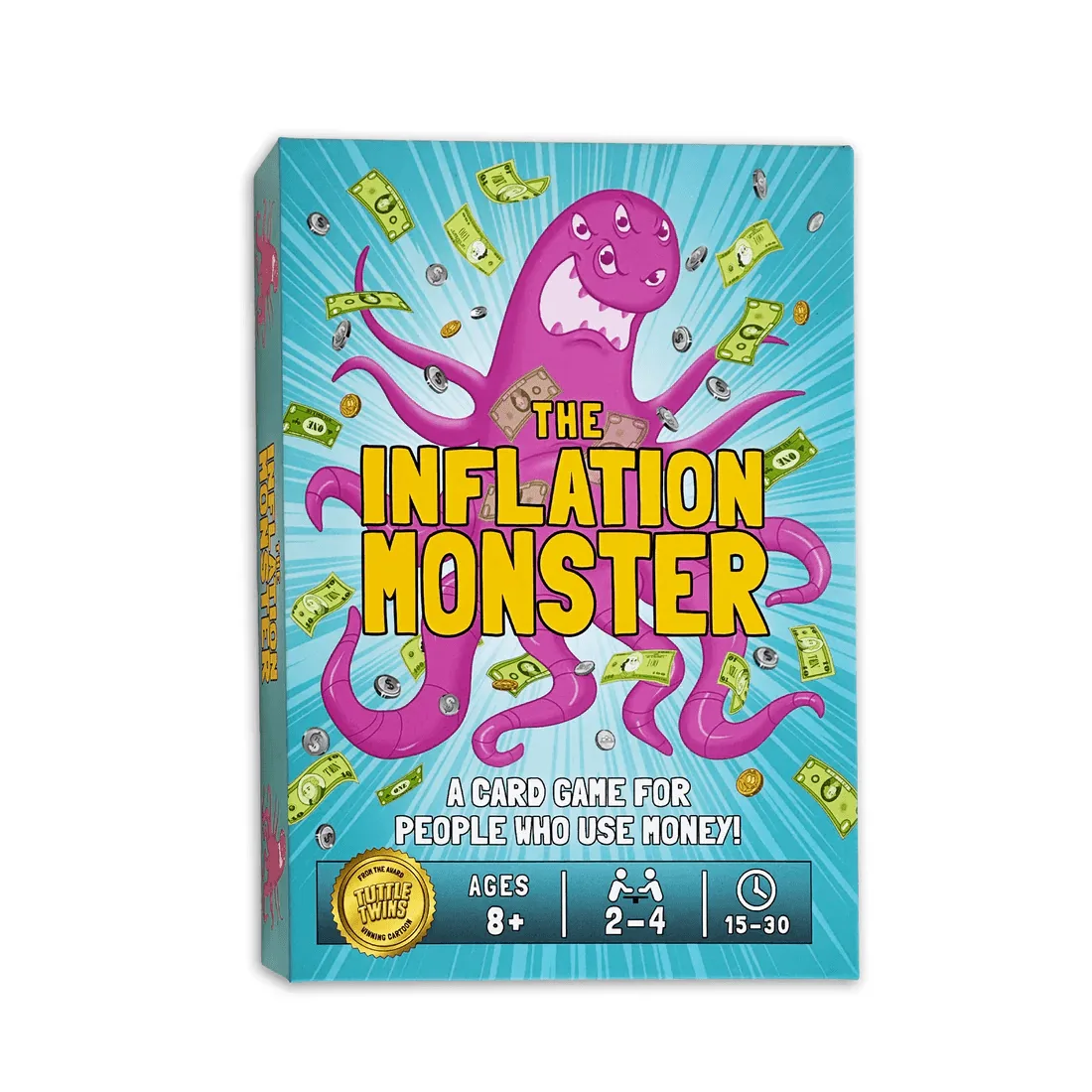
Tuttle Twins Inflation Monster Card Game
Good card game storage and handling habits don't have to be complicated. With a few simple steps, you can dramatically extend the life of your game, protect the illustrations and text, and keep the pieces organized so you never lose a single card. Here's how to treat your Tuttle Twins game — and any card game you love — with the respect it deserves.
Start With the Right Storage Solution
The box that comes with your Tuttle Twins Inflation Monster Card Game is decent, but it's not built for daily abuse. After a few plays, the cardboard flaps can wear, and loose cards inside get scuffed edges. A better approach is to transfer the cards to a dedicated card storage box or deck box. Look for one that fits the card size (standard poker-sized cards work for most games) and has a snug lid. This simple switch prevents dust, bending, and moisture damage.
Another low-cost upgrade is using card sleeves. Clear, durable sleeves protect the front and back from scratches, sticky fingers, and the inevitable juice spill. They also make shuffling easier and keep the cards from sticking together. If you buy sleeves, get a size that fits tightly — too loose and they'll slide off during play. For extra organization, use colored sleeves or dividers to separate action cards from monster cards.
- Invest in a rigid deck box rather than relying on the original game box for everyday storage.
Handle With Care During Play
How you and your kids handle the cards during a game session directly affects game longevity. Set a simple rule: no food or drinks near the playing area. Even a crumb can scratch the surface, and a splash of soda can ruin a card permanently. If you're playing on a hard table, consider using a felt play mat or a clean tablecloth to reduce friction when sliding cards across the surface.
Teach younger players to pick up cards by the edges instead of pinching the center — that fingerprint oil causes discoloration over time. For competitive games where cards get tossed or dropped, a quick reminder before each round helps everyone stay mindful. Pairing the card game with a related storybook like The Tuttle Twins and the Messed Up Market can create a calm, focused atmosphere before you start playing.
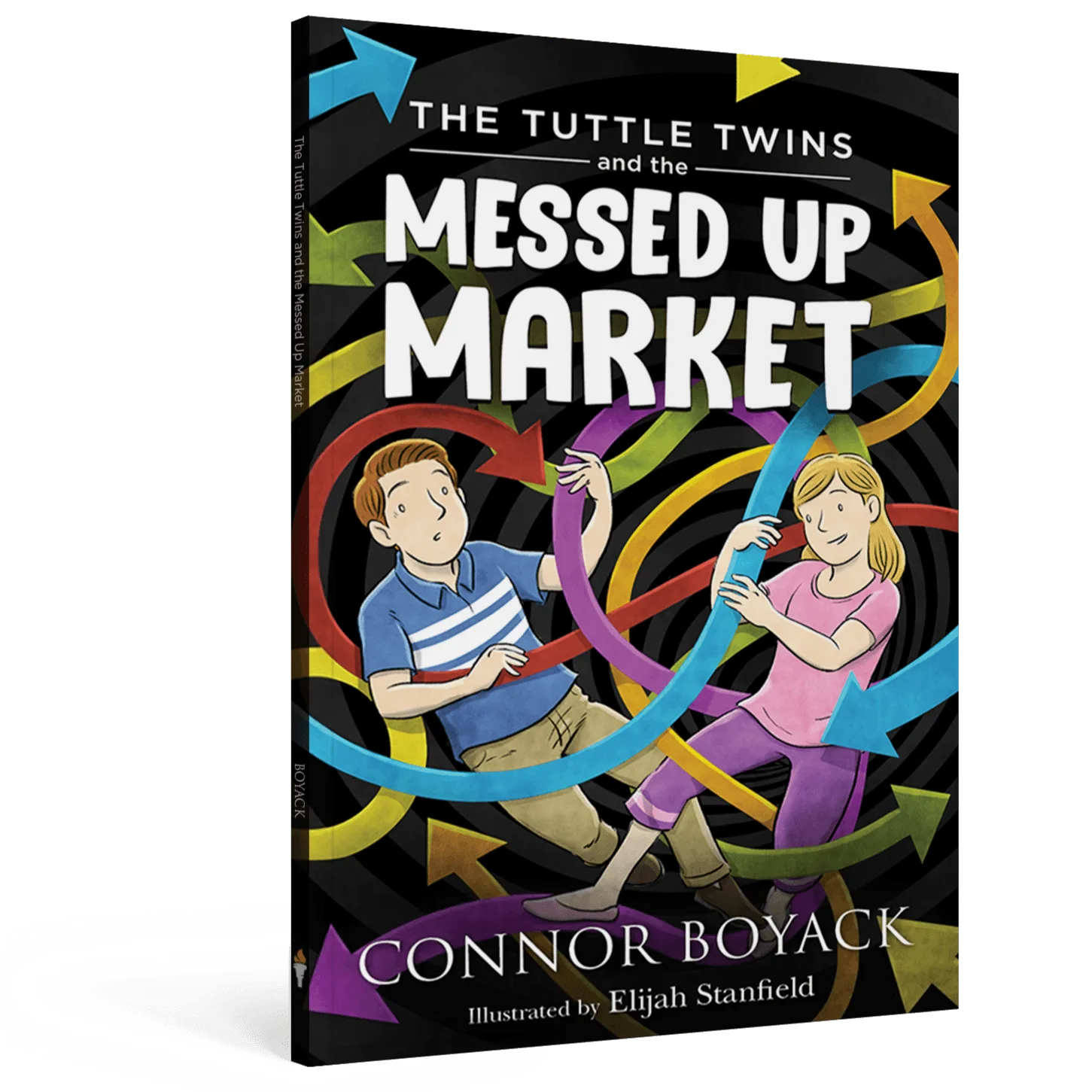
The Tuttle Twins and the Messed Up Market
- Use a felt mat or silicone playmat to protect cards from scratches and spills during gameplay.
Clean and Organize Between Sessions
After a game night, take two minutes to sort the cards back into their proper categories. This preserves the game's usability and also lets you spot any damage early. If cards are slightly dirty, wipe them gently with a microfiber cloth lightly dampened with water — never use alcohol or wet wipes, which can lift the print. For really sticky spots, a drop of mild soap on a cloth works, but dry the card completely before returning it to the deck.
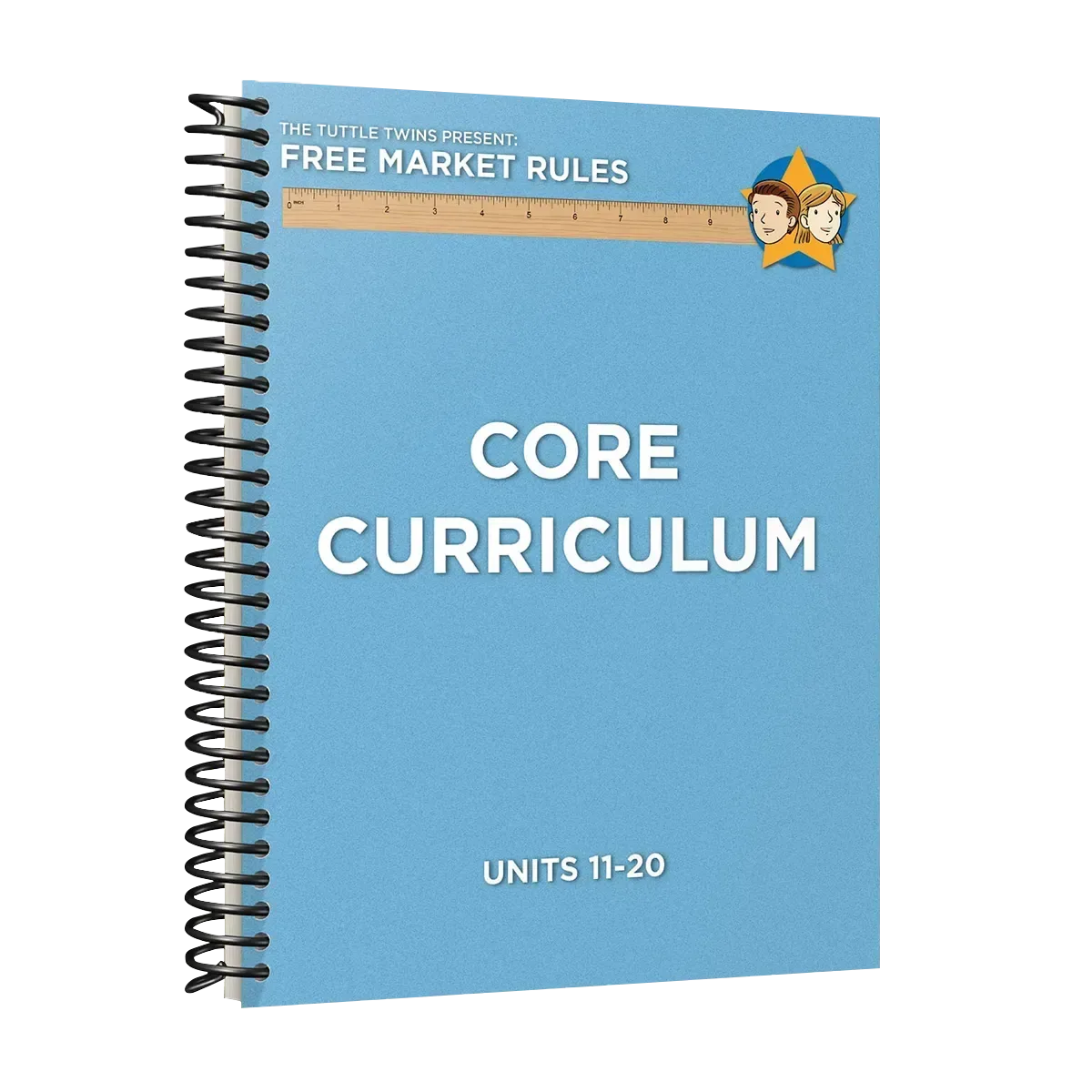
Store the deck and any instruction sheets in a cool, dry place away from direct sunlight and heat vents. Basements and attics are risky because of humidity and temperature swings. If you have multiple Tuttle Twins resources, like the Free Market Rules Economic Curriculum (Units 11-20), you can store them together in a designated homeschool shelf to keep the game handy but protected.
- Avoid storing card games in garages or bathrooms — moisture is the enemy of paper products.
A little intentional care for your Tuttle Twins Inflation Monster Card Game means it will still look and play great even after dozens of game nights. By using proper card game storage, handling cards gently, and cleaning them the right way, you're not just extending the life of the game — you're building a tradition that kids will want to share with their own families someday.