When it comes to teaching your children about liberty, economics, and American history, the Tuttle Twins brand offers a wealth of resources. Two popular formats are the Tuttle Twins magazine and the traditional print books. Each serves a unique purpose in a busy family’s homeschool routine, but which one is right for your child? This side-by-side comparison breaks down the key differences in format, content depth, portability, and cost to help you make an informed decision.
Whether you are a seasoned homeschooler or just starting to explore educational materials, understanding the strengths of each format can save you time and money. The Tuttle Twins magazine delivers bite-sized, timely articles that spark curiosity, while the print books provide in-depth stories and lessons that build a strong foundation in economic principles. Let’s dive into the details.
Format and Structure: Bite-Sized vs. In-Depth
The Tuttle Twins magazine is designed for quick, engaging reads. Each issue features short articles, fun facts, and interactive elements like puzzles and quizzes. This format is perfect for car rides, waiting rooms, or a five-minute lesson before dinner. The magazine’s structure encourages children to explore multiple topics in one sitting, making it ideal for families with limited time.
In contrast, Tuttle Twins print books, such as the beloved storybooks or the America's History series, offer a more immersive experience. These books build a narrative over several chapters, allowing children to delve deeper into concepts like free markets, individual rights, and the founding of the United States. For example, the America's History, volume 3 (1791-1849) provides a comprehensive look at a critical period, perfect for older elementary and middle school students who thrive on detailed storytelling.
- Magazine: 30-40 pages per issue, released quarterly, with multiple short articles.
- Print books: 100-200 pages per title, with sequential chapters and a single narrative thread.
Content Depth: Timely Topics vs. Foundational Lessons
A major advantage of the Tuttle Twins magazine is its ability to cover current events and modern applications of liberty. Each issue might include a feature on entrepreneurship, a profile of a historical figure, or a debate on a contemporary issue like government intervention. This keeps learning relevant and helps children connect economic principles to the world around them. The magazine also includes hands-on activities that reinforce concepts in a fun way.
Print books, however, excel at building a deep, lasting understanding of core subjects. The Tuttle Twins storybooks, for instance, teach foundational economic ideas through engaging plots and relatable characters. They are designed to be read multiple times, with each reading revealing new layers of meaning. For families looking to cover a full curriculum, the Kids Markets Curriculum (PDF) offers a structured approach that combines print materials with digital activities, ensuring no concept is left unexplored.
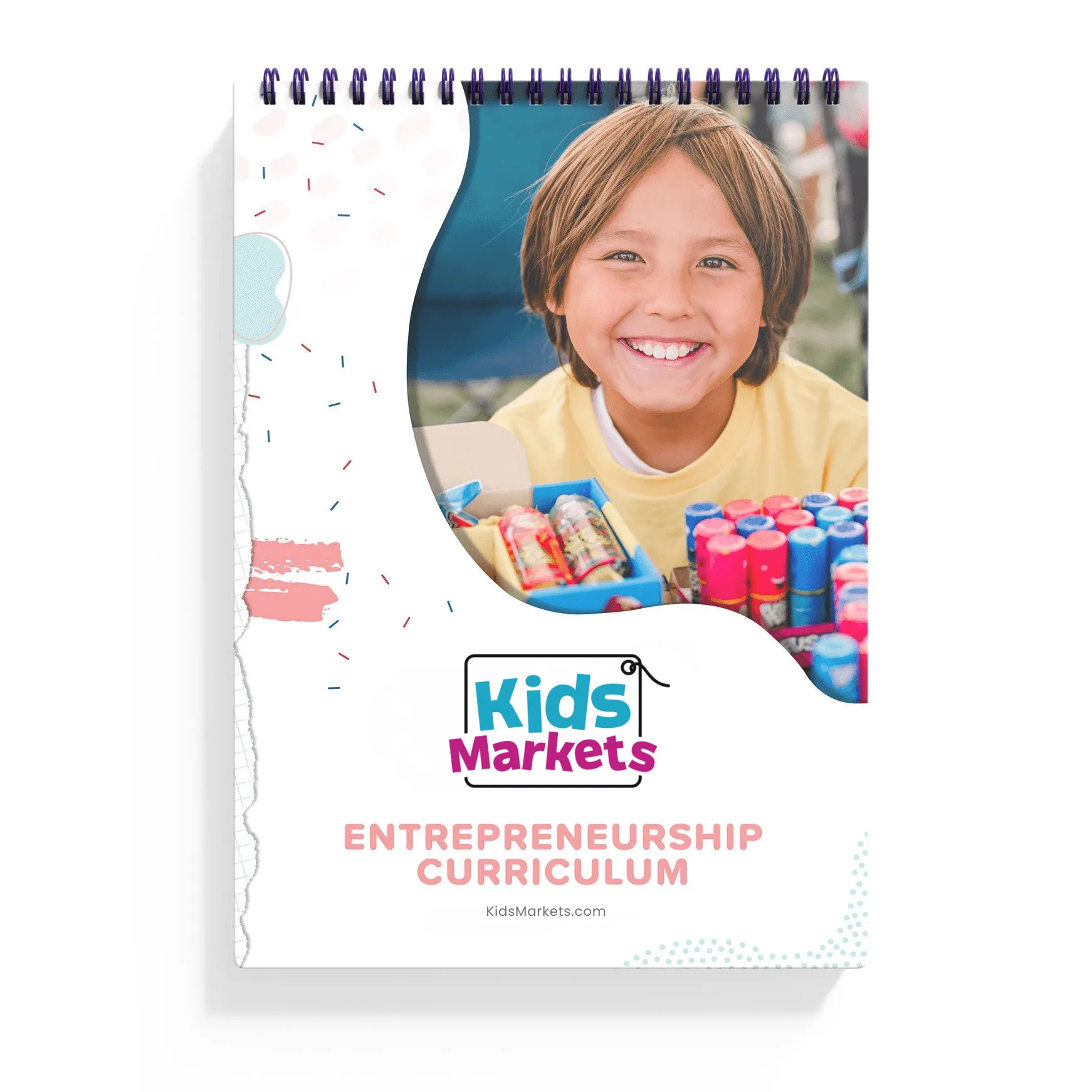
Kids Markets Curriculum (PDF)
- Magazine: Best for supplementing lessons with real-world examples and current events.
- Print books: Best for systematic learning and mastering complex topics like supply and demand.
Portability and Convenience for Busy Families
For families always on the go, the Tuttle Twins magazine is a clear winner. Its slim, lightweight design fits easily into a backpack or diaper bag. You can hand it to your child during a sibling’s soccer practice or while waiting at the dentist’s office. The magazine also makes a great conversation starter for family discussions about liberty during dinner.
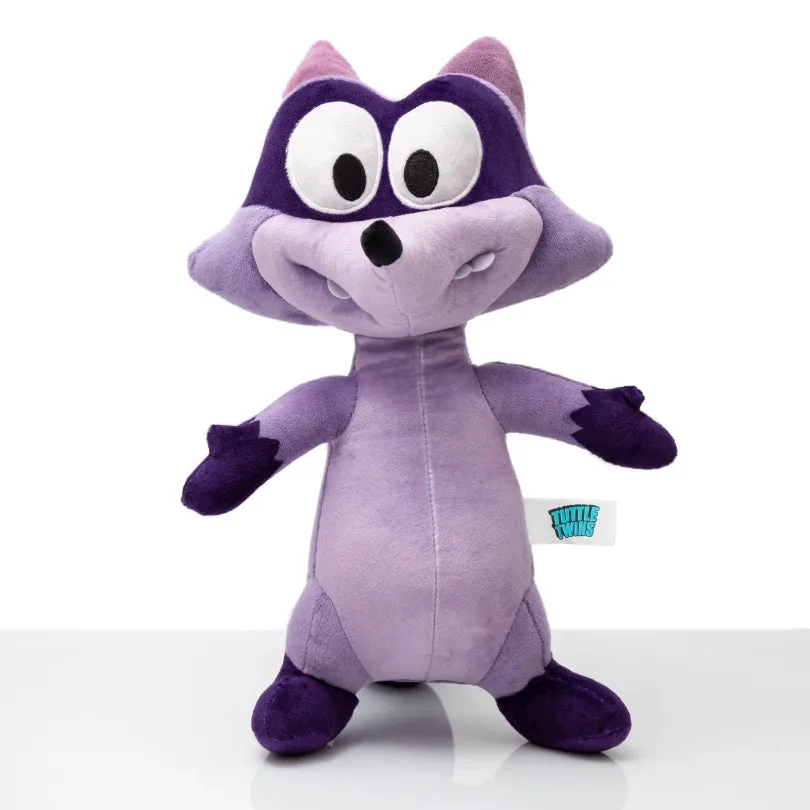
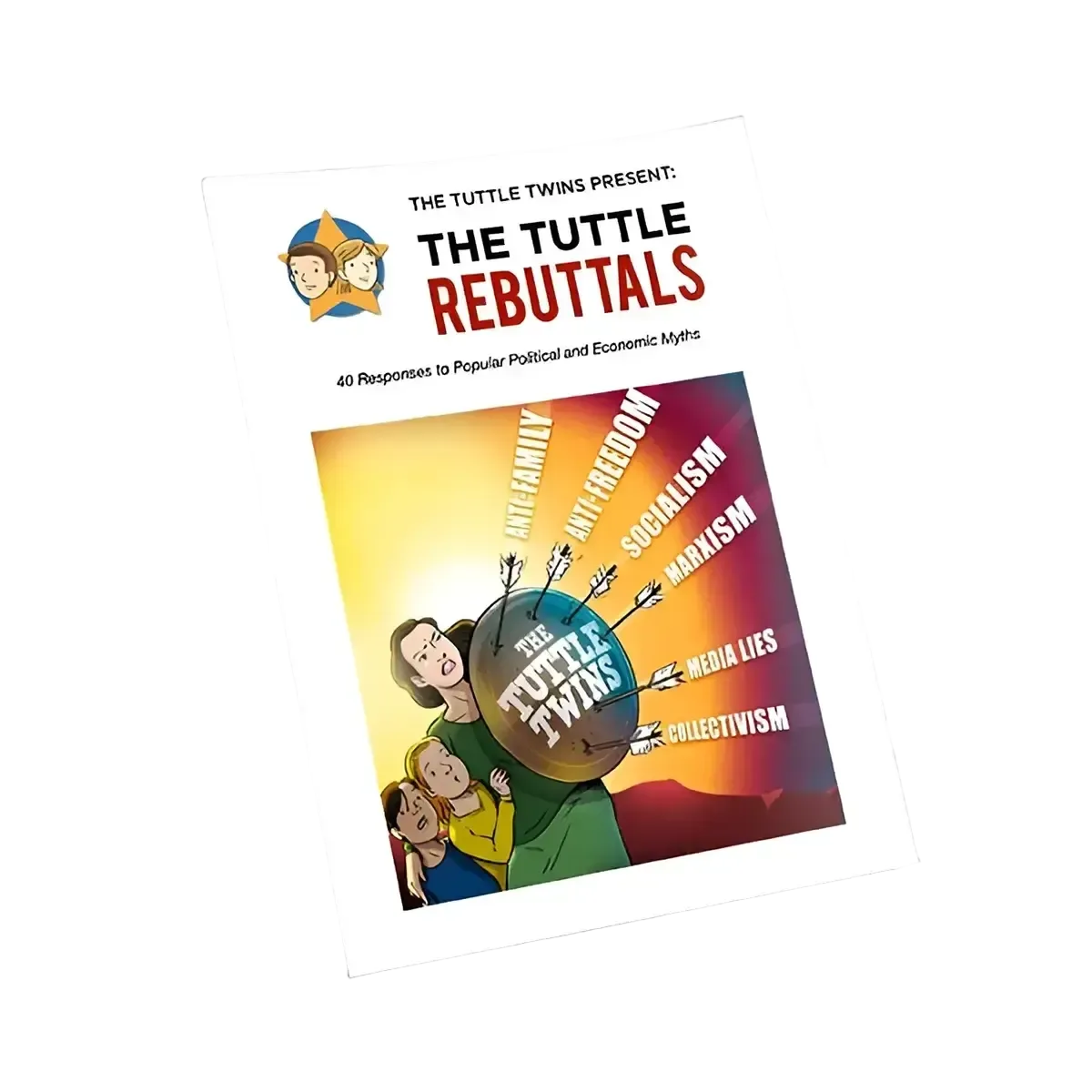
Print books, while less portable, offer a different kind of convenience: they are durable and can be read over several days or weeks. A book like the Tuttle Rebuttals: 40 Responses to Popular Political and Economic Myths (PDF) is available as a digital download, which can be accessed on a tablet or e-reader—perfect for travel. For families who prefer physical copies, the Tuttle Twins Original Derek Plushie adds a tactile, comforting element to reading time, making it a favorite companion for story sessions at home.
- Magazine: Lightweight, quarterly, easy to carry and discard after reading.
- Print books: Heavier but reusable; digital versions offer on-the-go access.
Cost and Value: Which Format Gives More Bang for Your Buck?
The Tuttle Twins magazine is typically more affordable per issue, making it a low-risk way to sample the brand’s philosophy. A subscription provides a steady stream of fresh content, which is great for keeping kids engaged without a large upfront investment. However, because each issue is short, the cost per page of educational content may be higher than a print book.
Print books, like the America's History, volume 3 (1791-1849) or the Kids Markets Curriculum (PDF), represent a larger upfront cost but offer more content per dollar. They are also reusable for multiple children or for future reference. For example, a well-loved storybook can be passed down to younger siblings, providing years of value. Families on a budget might start with a magazine subscription to test the waters before investing in a full print library.
- Magazine: Lower upfront cost, but content is consumed quickly.
- Print books: Higher upfront cost, but long-term value and reusability.
Ultimately, the best choice depends on your family’s lifestyle and learning goals. If you need flexible, fresh content that fits into a busy schedule, the Tuttle Twins magazine is an excellent addition. If you prefer deep dives and lasting resources, the print books—especially the America's History, volume 3 (1791-1849)—offer unparalleled educational value. Many families find that combining both formats creates a rich, balanced learning environment. Ready to explore? Check out the America's History, volume 3 (1791-1849) for a comprehensive history lesson that will inspire your young learner.