Quick answer
Tweezer-style clamps such as the Sex Kitten Tweezer Y-Tip Clamps are the easiest starting point because you control pressure by sliding the ring, not by guessing a fixed spring strength. Screw, clover, and magnetic clamps each solve a different problem, so pick the mechanism that matches how much control you want.
How the four main clamp mechanisms actually differ
Tweezer clamps use two arms joined at one end; a sliding ring squeezes them together, so tension is continuously adjustable and releases instantly when you slide the ring back. Screw clamps use a threaded barrel to dial in pressure, which holds a setting well but takes longer to loosen. Clover clamps have a spring that closes harder as you pull, making them a poor first choice for most beginners. Magnetic clamps rely on attracting plates, which gives a quick on-off but limits fine pressure control.
The practical difference is not just sensation but escape speed: sliding a ring off is faster than unscrewing a barrel, which matters when you are learning your tolerance.
Why Y-tip silicone tips change the beginner experience
The Y-shaped silicone tips on tweezer clamps spread contact over a small pad instead of a hard point. That reduces the sharp pinch that makes people tense up, so you can focus on gradual tension rather than flinching. It is not a guarantee against discomfort, but it lowers the learning curve compared with bare metal jaws.
When a different clamp type makes more sense
If you want a set-and-forget pressure for longer wear, a screw clamp's threaded hold may suit you better than a sliding ring that can shift. If you already know you enjoy a firmer bite and want a clamp that tightens with movement, clover clamps are the traditional choice, though they are not beginner-friendly. Magnetic clamps are convenient for quick changes but offer less precision than tweezer or screw designs.
Beginner FAQ: straight answers
Are tweezer clamps good for beginners?
Yes, because the sliding ring gives you continuous control and releases faster than a screw mechanism. Start with the ring near the open end so the arms barely meet, then slide it toward the hinge in small increments.
How do I adjust tension on a tweezer clamp?
Slide the ring toward the tips to increase pressure and toward the hinge to decrease it. Make one small move at a time and pause for 30 seconds before deciding whether to go tighter.
How long can I leave nipple clamps on?
There is no universal safe duration; circulation and sensitivity vary by person. A common beginner approach is a few minutes at a time, checking for numbness, tingling, or color change, and removing immediately if any appear. Set a timer on your phone so you check in rather than waiting for discomfort.
What safety questions should I ask before trying clamps?
Ask whether the clamp has a quick-release mechanism, whether the tips are smooth or textured, and whether you or your partner can communicate a stop signal. Avoid clamps on broken skin, and never leave a partner unattended while clamps are on.
Can I use tweezer clamps on other body areas?
Tweezer clamps are often used on nipples, but the same gradual-tension rule applies anywhere you try them. Test on a less sensitive area first, and keep the pressure light until you know how your skin responds.
Product facts
-
Sex Kitten Tweezer Y-Tip Clamps: Tweezer-style nips with a sliding adjustment allow gentle to more intense pressure, and the supple silicone tips are designed to prevent pinching. You can start light and increase tension gradually without changing clamps, which is exactly what a first-timer needs.
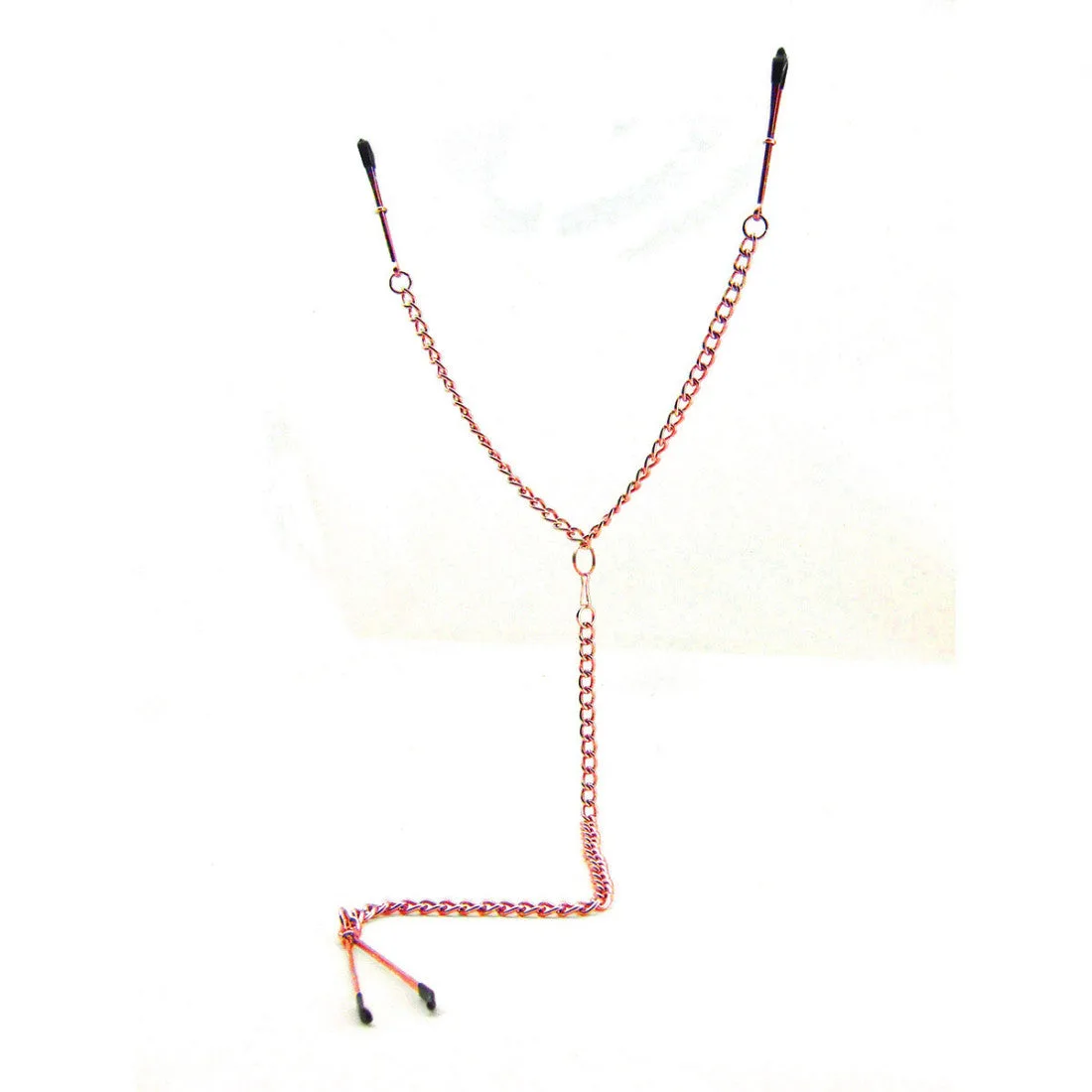
Sex Kitten Tweezer Y-Tip Clamps