A short answer first
Tweezers and nail clippers are not interchangeable, but they often sit side by side in a grooming kit. Tweezers excel at gripping and removing small objects—splinters, ingrown hairs, stray brow hairs—while nail clippers are designed to cut nail material cleanly. The right choice depends entirely on the task. This guide compares their actual capabilities so you can pick the right tool and use it well.
What each tool is built for
-
Stainless Steel Tweezers: A trio of precision tweezers crafted from durable stainless steel for detailed grooming tasks. Each tool features a distinct tip—slanted, pointed, and pointed-slant—to allow careful shaping, splinter removal, and other delicate adjustments with accuracy and control. The three tip shapes mean you have a tool for gripping (slanted), precise targeting (pointed), and a middle ground (pointed-slant). This variety is useful for tasks like brow shaping, splinter removal, or applying false lashes.
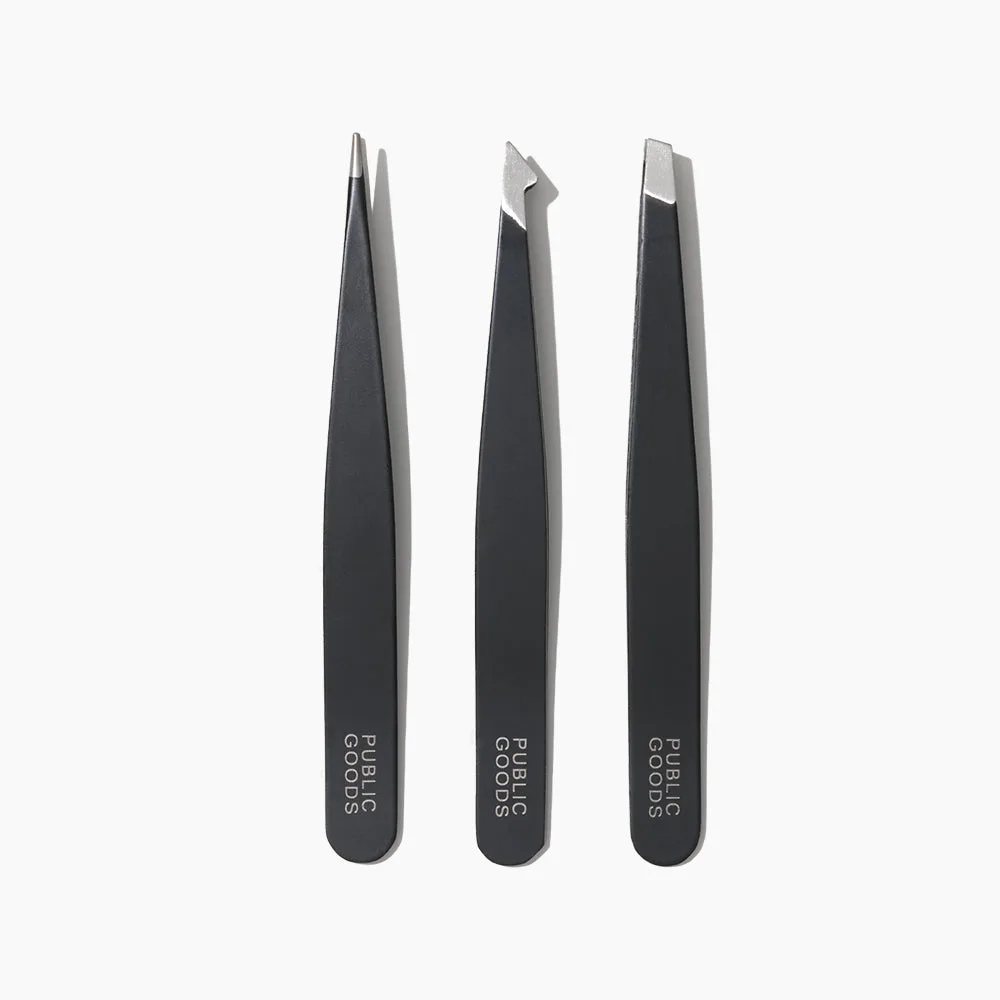
Stainless Steel Tweezers
-
Stainless Steel Nail Clippers: A pair of stainless steel nail clippers designed for clean, precise trimming. The larger clipper is suited to toenails, while the smaller size allows careful grooming of fingernails. Two sizes let you match the tool to the nail: the larger one for thicker toenails, the smaller for finer fingernails. This reduces the risk of splitting or tearing the nail edge.
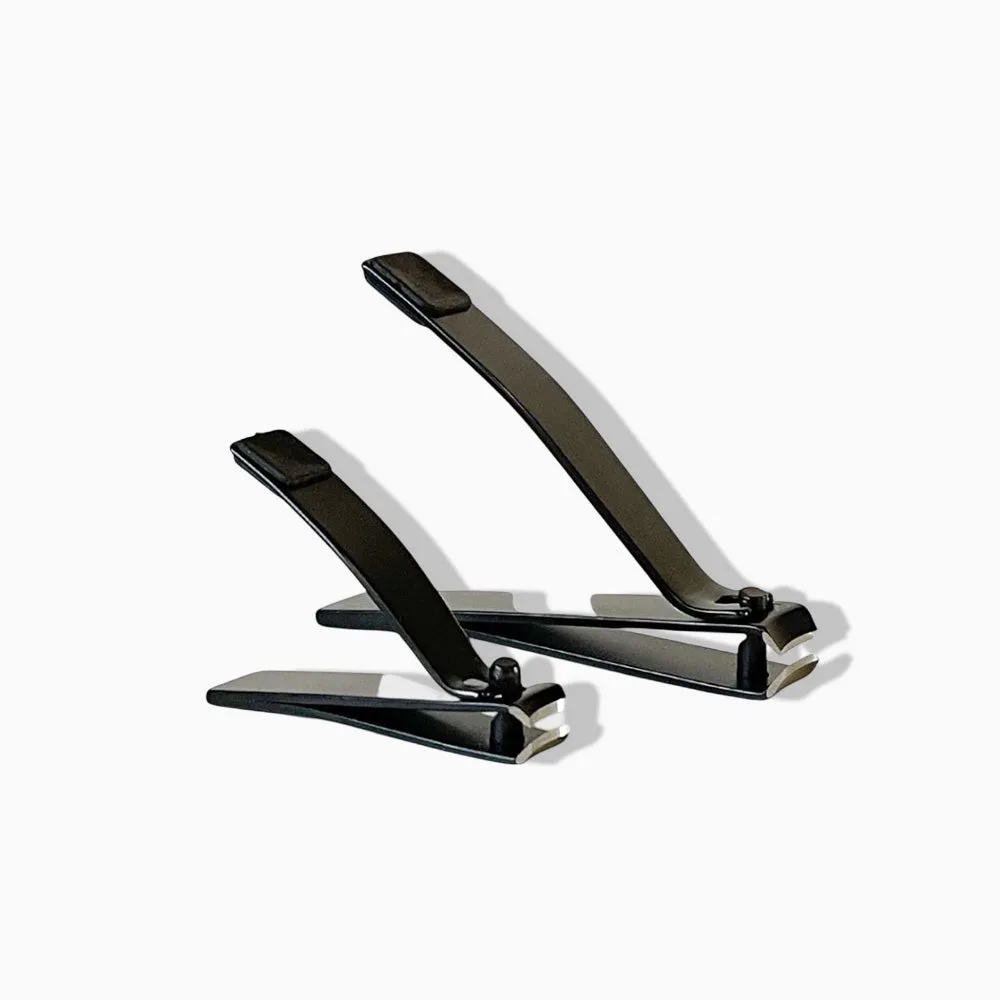
Stainless Steel Nail Clippers
When to reach for tweezers vs. nail clippers
- Splinter or ingrown hair removal: Tweezers are the right choice. The pointed or pointed-slant tip can grasp tiny objects close to the skin without cutting surrounding tissue. Nail clippers are not designed for this and can cause injury.
- Nail trimming and shaping: Nail clippers are purpose-built for this. The curved blade cuts through nail material cleanly. Tweezers cannot cut nails and may damage the nail plate if used to tear or pull.
- Eyebrow grooming: Tweezers, especially the slanted tip, allow you to grasp individual hairs and remove them without cutting the skin. Nail clippers are too large and imprecise for this task.
- Cuticle or hangnail care: Neither tool is ideal. Nail clippers can cut cuticles but risk nicking skin. Tweezers may tear hangnails. A dedicated cuticle nipper or clipper is safer. The supplied information does not confirm suitability for this task.
Practical tips for using each tool
For tweezers: Clean the tips after each use with rubbing alcohol to prevent infection, especially after splinter removal. The stainless steel construction resists rust, but avoid dropping them on hard surfaces, which can misalign the tips.
For nail clippers: Cut nails straight across to reduce ingrown nail risk. Use the smaller clipper for fingernails and the larger for toenails. Wipe blades clean after use; stainless steel is durable but debris can dull the edge over time.
Store both tools in a dry place. Humidity can encourage bacterial growth on the surface, even on stainless steel.
What the supplied information does not cover
The catalog confirms the materials and intended uses but does not provide specific care instructions, safety warnings, or suitability for children. It also does not specify the exact length or weight of the tools. If you need precise dimensions or age recommendations, check the product packaging or contact the manufacturer.