Quick answer
Choose a twistlock carabiner when you want a closure that resists accidental opening during walks, hikes, or sport sessions. A standard snap hook remains the faster, more familiar choice for everyday clipping where you reattach the leash often.
The real difference is how the gate stays closed
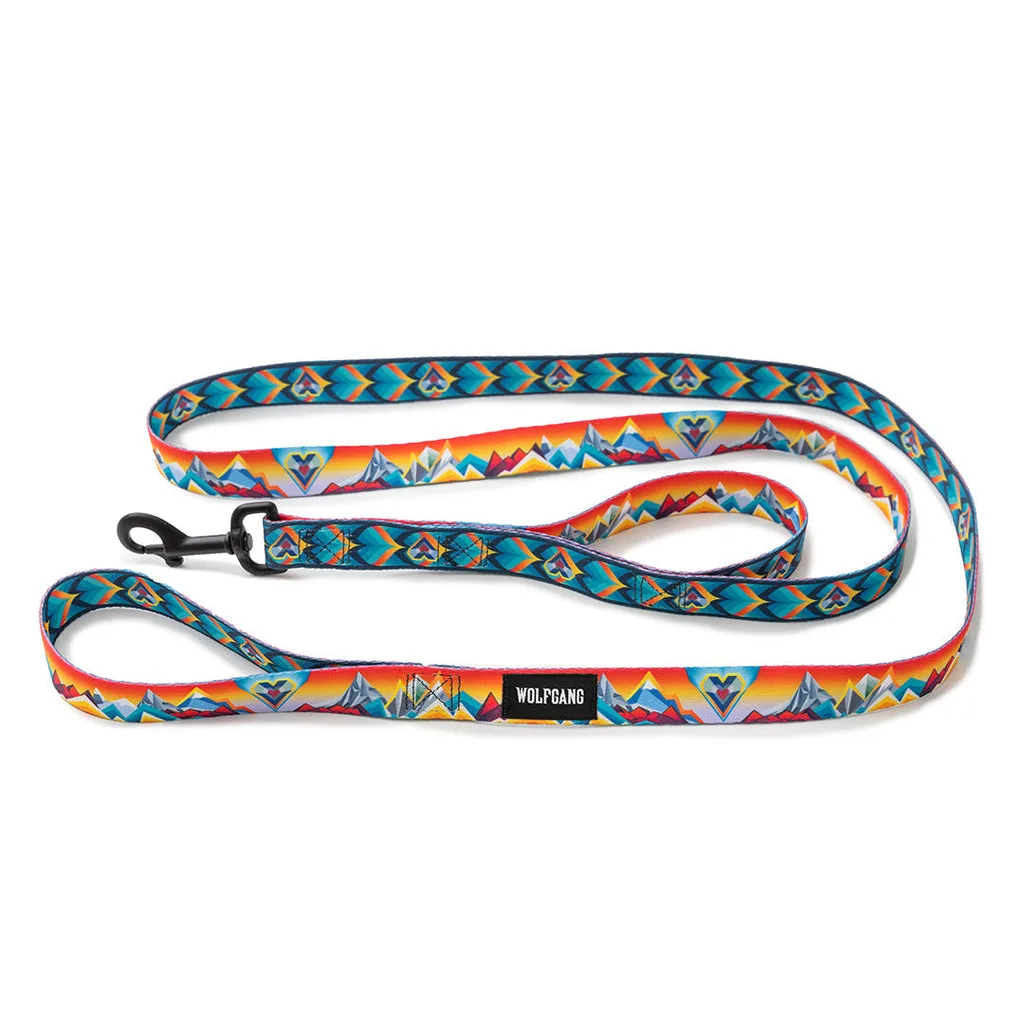
A standard snap hook uses a spring-loaded gate that opens with a simple push and closes on its own. It is quick to operate one-handed, which is why it dominates everyday leash hardware. The trade-off is that the gate relies on spring tension alone, so a snag on a branch, a crowded trail, or rough play can push it open if the hook is not seated well.
A twistlock carabiner adds a deliberate locking step: the gate will not release until you twist the locking sleeve. That extra motion is the whole point. It costs a second or two each time you clip on or off, but it removes the most common path to an accidental opening. For dog gear, that matters most when the attachment point is under load or when you are moving through brush, crowds, or sport equipment.
Where a standard snap hook still wins
Frequent on-and-off handling is the snap hook's advantage. If you clip and unclip a leash several times per walk, for example at a cafe, a car, or a training class, the single-motion gate is noticeably faster. It is also the shape most people already know, so handing the leash to a friend or family member needs no explanation.
The limitation is not that snap hooks are unsafe by design; it is that their security depends on the gate staying seated and the spring staying healthy. Inspect the gate regularly, and replace the hook if it opens too easily or does not snap back cleanly.
Match the hardware to the attachment point
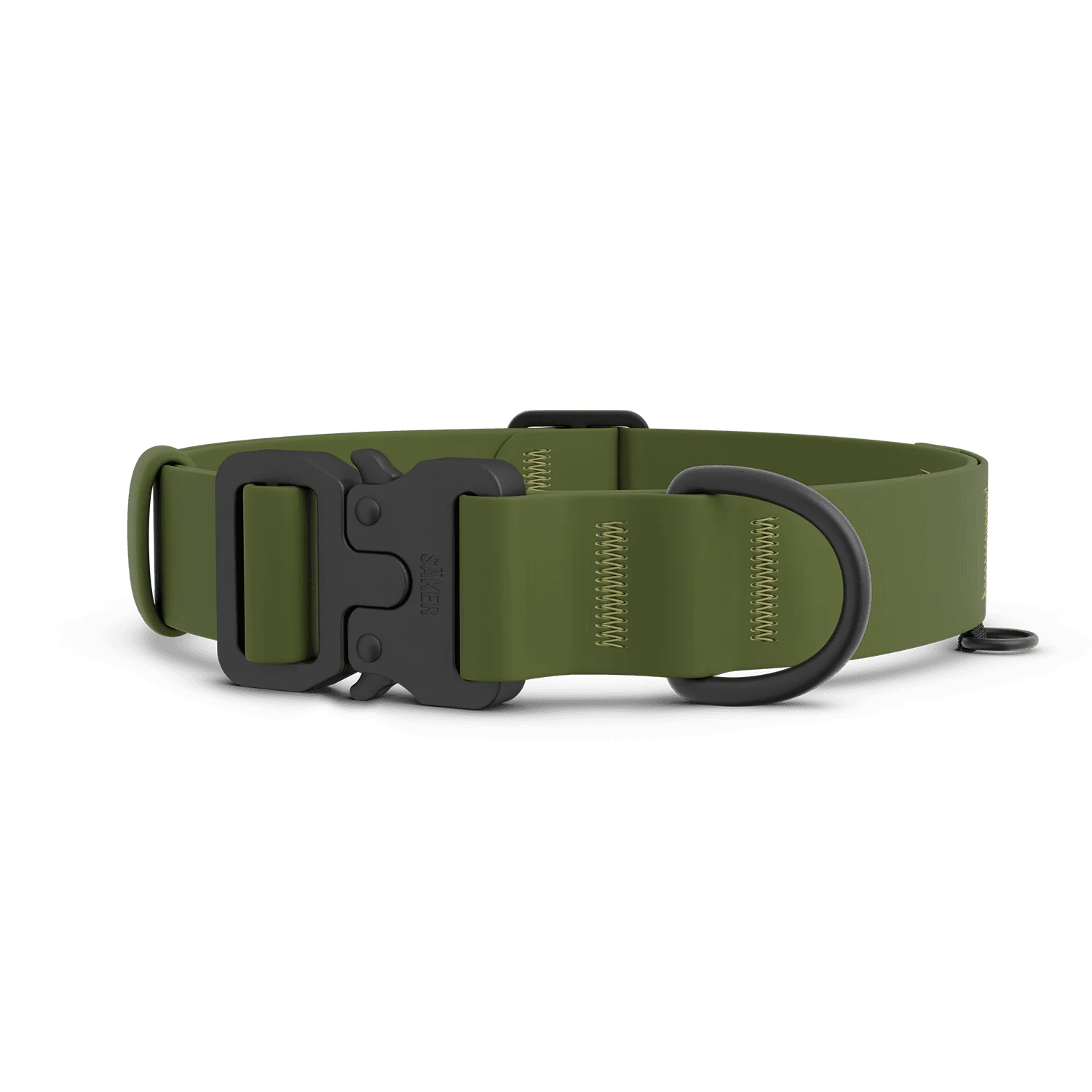
A twistlock carabiner works best when it can sit flush against a metal D-ring or loop without twisting under tension. On a well-fitted harness, that gives you a predictable, locked connection. On very thin webbing or a soft loop, a carabiner can slide or rotate more than a snap hook, so check the fit before you rely on it.
Neither closure replaces a visual check. Before every walk, confirm the gate is fully closed and the attachment point is not worn. This is especially important with a locking carabiner, because a partially engaged sleeve can feel secure while the gate is not fully seated.
Trade-offs at a glance
- Closing security: A twistlock carabiner requires a twist to release, while a standard snap hook opens with a single push on the spring gate. If your route includes brush, crowds, or off-leash play near the leash, favor the locking closure.
- Speed of handling: Snap hooks clip and unclip in one motion; twistlock carabiners add a locking step each time. Count how often you attach and detach per walk before choosing the slower but more deliberate option.
- Fit on the attachment point: A carabiner needs enough room on a D-ring or loop to sit flush; a snap hook tolerates thinner webbing more easily. Test the closure on your actual harness or collar before committing to a full setup.
Product facts
-
Twistlock Carabiner: Twist-lock design for secure closure, suitable for leashes, harnesses, or other gear. The locking gate adds a deliberate step before opening, which suits walks where accidental release is the main concern.
Twistlock Carabiner
Which closure fits your walks
Best for
- Owners who walk in brush, crowds, or sport settings where accidental opening is the main worry
- Handlers who clip on once per session and value a deliberate locking step
Not for
- Owners who attach and detach the leash many times per walk and want the fastest one-hand operation
- Anyone using very thin webbing or a soft loop where a carabiner may slide or rotate