Quick Answer
Choose the U18s for reference-level clarity and detail across all genres, or pick the Nio for a warmer, more relaxed sound with deep bass at a lower price.
Driver Design and Sound Signature
The U18s builds on 64 Audio's first 18-driver platform with a new electronic crossover network and LID technology, aiming for a reference-level response that reveals every layer of the mix. Its sound is neutral and analytical, ideal for critical listening or studio monitoring.
The Nio takes a different path: it's a hybrid with a 9mm dynamic driver and 8 balanced armatures. That dynamic driver gives it extended lows and a natural warmth, while the armatures handle the mids and highs with smooth treble. The result is a rich, three-dimensional soundstage that's forgiving and musical.
Build and Comfort
Both are universal-fit earphones, so they skip the custom molding process and work out of the box. The Nio's shells are machined from a solid piece of aluminum—durable and premium-feeling—while the U18s uses a more traditional universal shell with its own ergonomic shaping.
Comfort depends on your ear shape and tip choice. Universal fit means you can swap eartips to fine-tune the seal and isolation. If you've had trouble with universal IEMs in the past, a custom option might be worth considering, but these two are designed for broad compatibility.
Price and Value
The Nio is the more accessible of the two, with a catalog price of $1,121.34 (compare at $1,699.00). It delivers a high driver count and a fun, engaging sound at a lower entry point.
The U18s sits at $1,979.34 (compare at $2,999.00). That premium buys the 18-driver heritage, advanced crossover design, and a more neutral tuning that some listeners will find worth the extra cost.
Trade-Offs to Consider
- Sound Signature: U18s offers a neutral, reference tuning that reveals every detail; Nio is warmer with more bass emphasis. Think about whether you prefer analytical precision or musical warmth.
- Driver Count: U18s uses 18 drivers for maximum separation; Nio uses 9 drivers (1 dynamic + 8 BA) for a more cohesive, natural blend. Higher driver count doesn't always mean better—consider how each tuning suits your ears.
- Price: Nio costs about $858 less than U18s at catalog prices, making it a more budget-friendly entry into high-end universal IEMs. Set a budget and weigh whether the U18s' extra detail is worth the premium.
Product Facts
-
U18s: U18s combines proprietary drivers, LID technology, and a new electronic crossover network to deliver a uniquely exceptional sound. This advanced crossover helps maintain coherence across 18 drivers, giving you precise, detailed audio that suits critical listening.
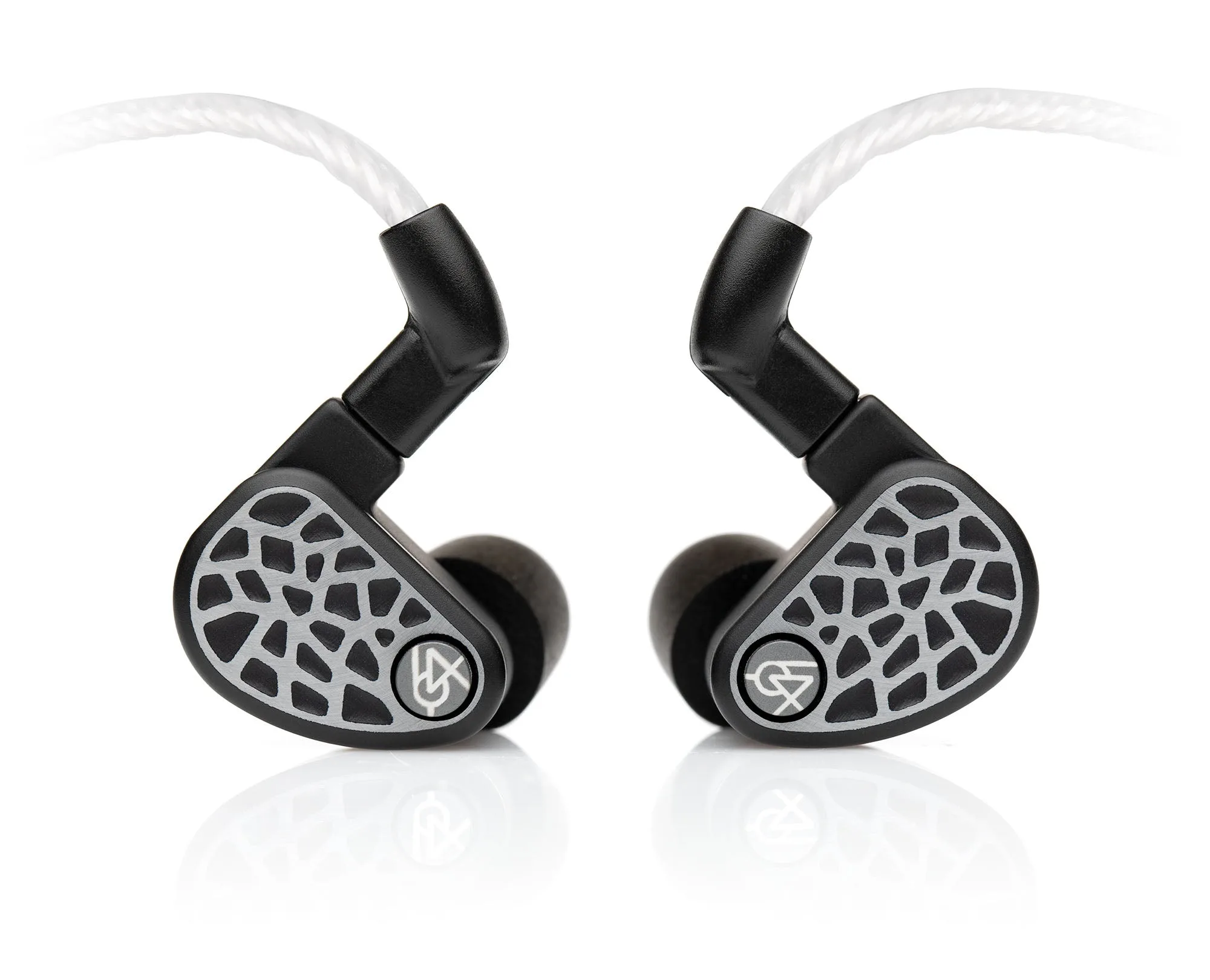
U18s
-
Nio: Nio features a 9mm dynamic driver and 8 balanced armature drivers, with extended lows and a rich 3-dimensional soundstage. The hybrid design delivers deep bass and natural warmth, making it a great match for genres like rock, pop, and electronic music.

Nio
Which Should You Choose?
Best For
- Audiophiles who want reference-level clarity and detail for critical listening
- Studio professionals or mix engineers needing a neutral, analytical sound
- Listeners who enjoy exploring every layer of complex recordings
Not For
- Bass lovers who prefer a warm, fun sound signature—consider the Nio instead
- Budget-conscious buyers who want great performance without the flagship price—the Nio offers excellent value