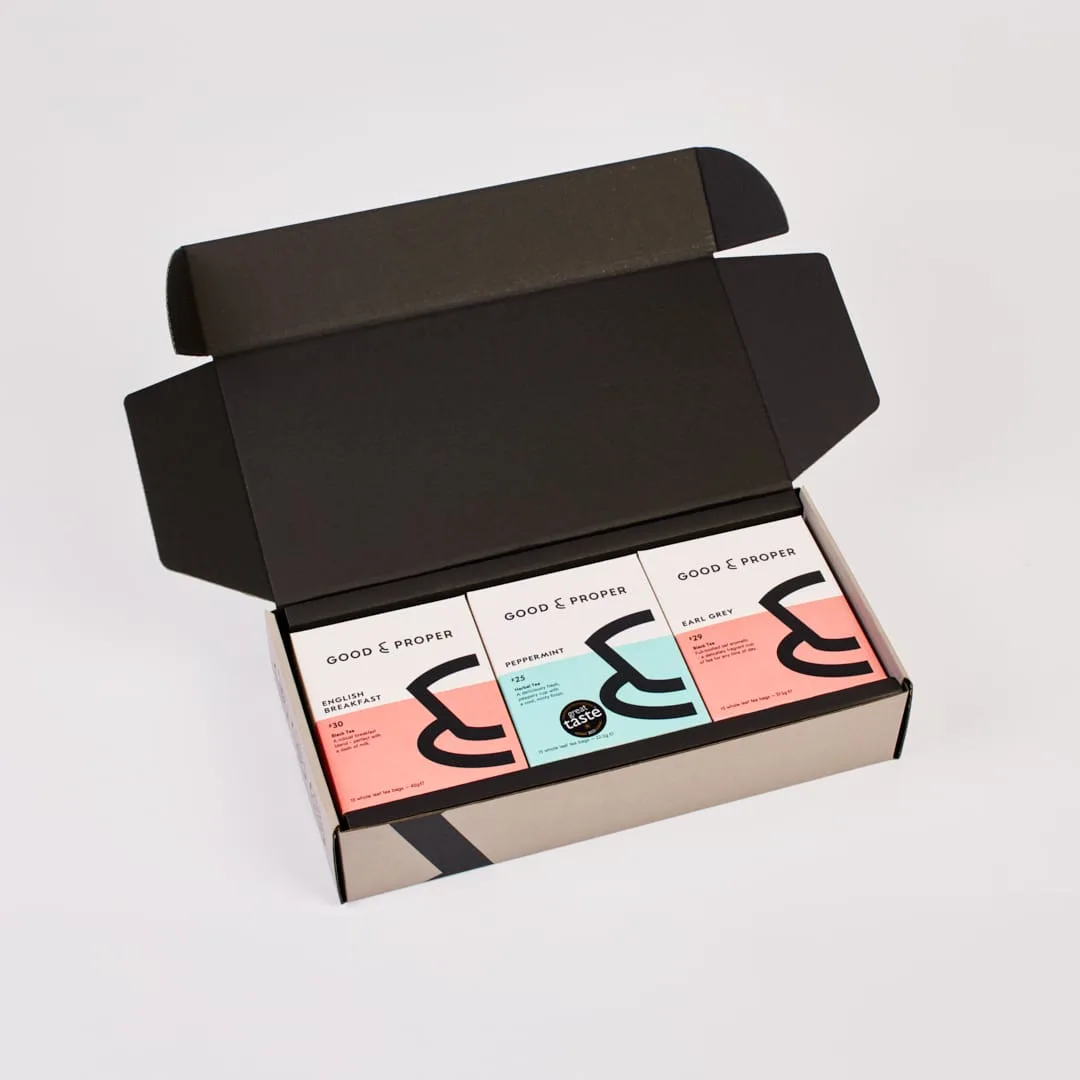
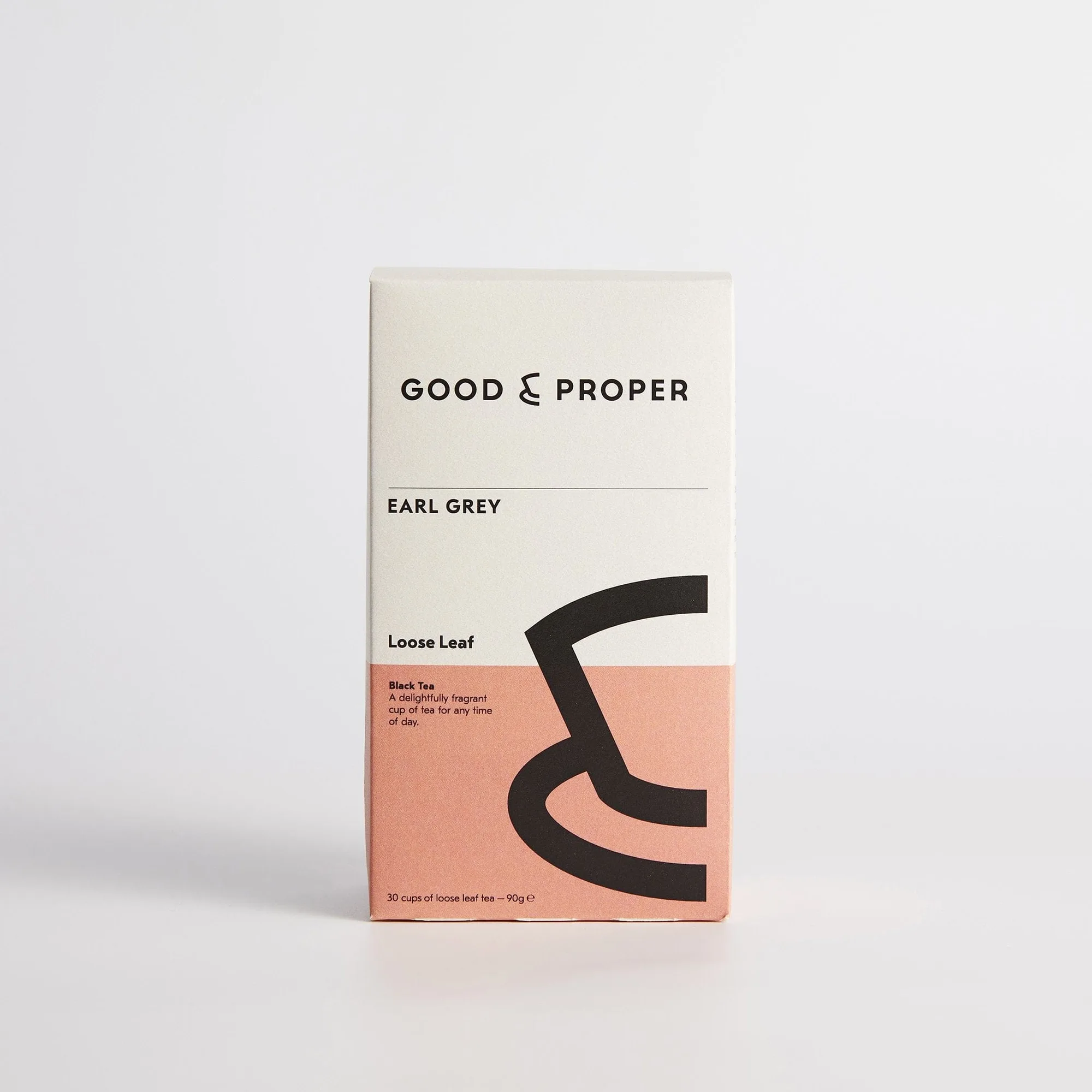
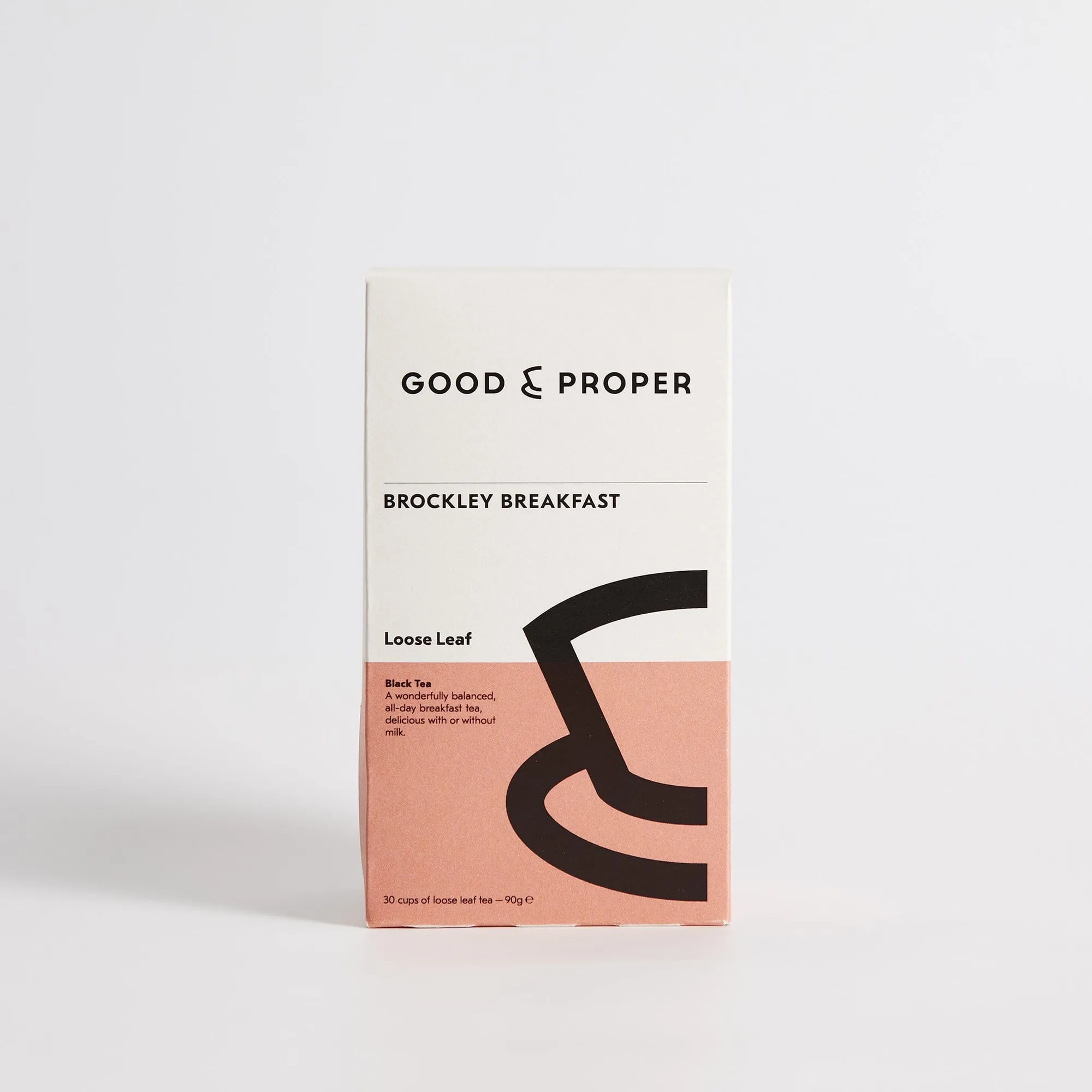
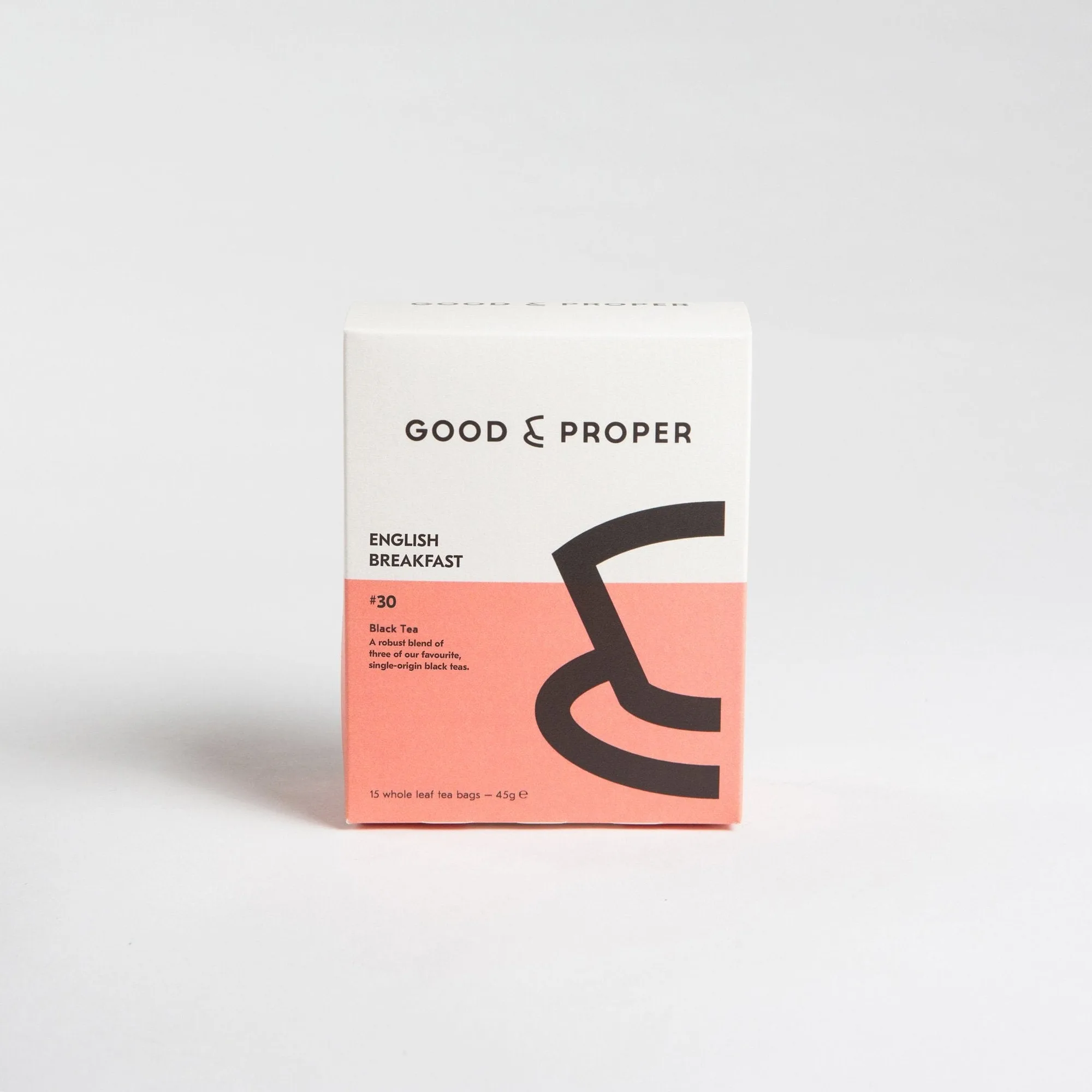
Black tea is one of the most beloved beverages worldwide, cherished for its bold flavor, rich aroma, and comforting warmth. Whether you enjoy it first thing in the morning or as an afternoon pick-me-up, a perfectly brewed cup can transform your day. But achieving that ideal balance of strength, depth, and smoothness requires more than just dunking a bag in hot water.
In this comprehensive guide, we will walk you through every step of brewing black tea like a pro. From selecting the finest leaves to mastering water temperature and steeping time, you will learn the secrets behind a truly perfect cup. By the end, you will be ready to explore award-winning black teas from Good & Proper Tea with confidence.
Why Black Tea Deserves Your Attention
Black tea undergoes full oxidation, which gives it its characteristic dark color and robust taste. Unlike green or white teas, black tea leaves are rolled, oxidized, and dried, resulting in complex flavor notes that range from malty and sweet to floral and spicy. This versatility makes black tea a favorite for both casual drinkers and connoisseurs.
Beyond flavor, black tea is packed with antioxidants called theaflavins and thearubigins, which support heart health and reduce inflammation. It also contains moderate caffeine, providing a gentle energy boost without the jitters often associated with coffee. Whether you drink it plain, with milk, or as iced tea, black tea is a timeless choice.
- Full oxidation creates deep, complex flavors.
- Rich in antioxidants that promote wellness.
- Moderate caffeine for a balanced energy lift.
Choosing the Right Black Tea Leaves
The foundation of any great cup of tea is the quality of the leaves. Loose leaf black tea offers superior flavor compared to tea bags, as the leaves have more room to unfurl and release their essential oils. At Good & Proper Tea, you will find exceptional single-origin options that showcase the unique terroir of their growing regions.
For a classic, brisk cup, consider the Rwanda - Loose Leaf, which boasts bright citrus notes and a smooth finish. If you prefer something more traditional, the Darjeeling 2nd Flush - Loose Leaf delivers a muscatel character with hints of stone fruit. Each leaf tells a story of its origin, and choosing the right one sets the stage for a memorable brew.
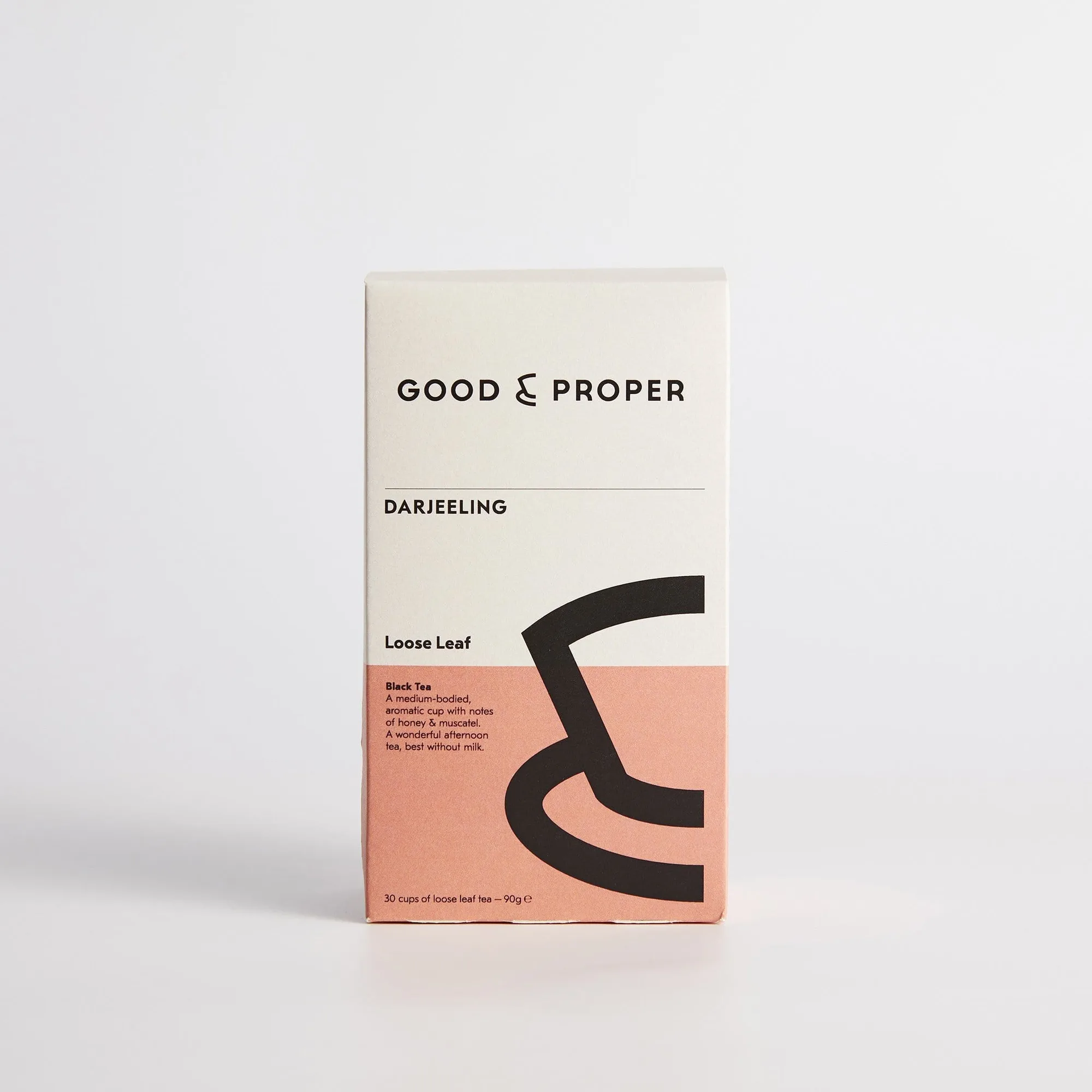
Darjeeling 2nd Flush - Loose Leaf
- Loose leaf allows full flavor extraction.
- Single-origin teas highlight regional characteristics.
- Experiment with different varieties to find your favorite.
Water Temperature and Quality
Water makes up over 98% of your tea, so its quality directly impacts taste. Always use fresh, filtered water to avoid off-flavors from chlorine or minerals. Never reboil water, as it depletes oxygen and can make your tea taste flat.
For black tea, the ideal water temperature is between 200°F and 212°F (93°C to 100°C). If you do not have a temperature-controlled kettle, simply bring water to a rolling boil and let it rest for about 30 seconds before pouring. Overly hot water can scorch delicate leaves, while cooler water will under-extract the flavor.
- Use fresh, filtered water for best results.
- Target 200–212°F (93–100°C) for black tea.
- Let boiling water cool slightly before pouring.
Mastering Steeping Time
Steeping time is where many tea drinkers go wrong. Too short, and your tea will be weak and watery; too long, and it becomes bitter and astringent. The general rule for black tea is 3 to 5 minutes, but this varies by leaf size and personal preference.
Whole leaf black teas, such as the Ceylon - Loose Leaf, often require a longer steep of 4 to 5 minutes to fully open. Finer broken leaves may need only 2 to 3 minutes. Start with 3 minutes, taste, and adjust. Use a timer to ensure consistency, and cover your teapot or cup to keep the heat in during steeping.
- Whole leaf teas: 4–5 minutes.
- Broken leaf teas: 2–3 minutes.
- Taste at intervals to find your perfect strength.
The Right Tea-to-Water Ratio
Using the correct amount of tea leaves is crucial for balanced flavor. A standard guideline is one teaspoon of loose leaf tea per 8-ounce cup, plus one for the pot. For larger leaves, use a heaping teaspoon; for denser leaves, a level teaspoon works well.
If you prefer a stronger cup, increase the leaf quantity rather than extending the steep time. This prevents bitterness while still achieving a full-bodied brew. For example, when brewing the Eastern Beauty (Oriental) - Loose Leaf, which has a naturally sweet and fruity profile, using a slightly higher ratio can enhance its honeyed notes without overpowering.
- Start with 1 tsp per 8 oz cup.
- Adjust leaf amount for strength, not time.
- Heaping teaspoons for larger or lighter leaves.
Brewing Equipment and Techniques
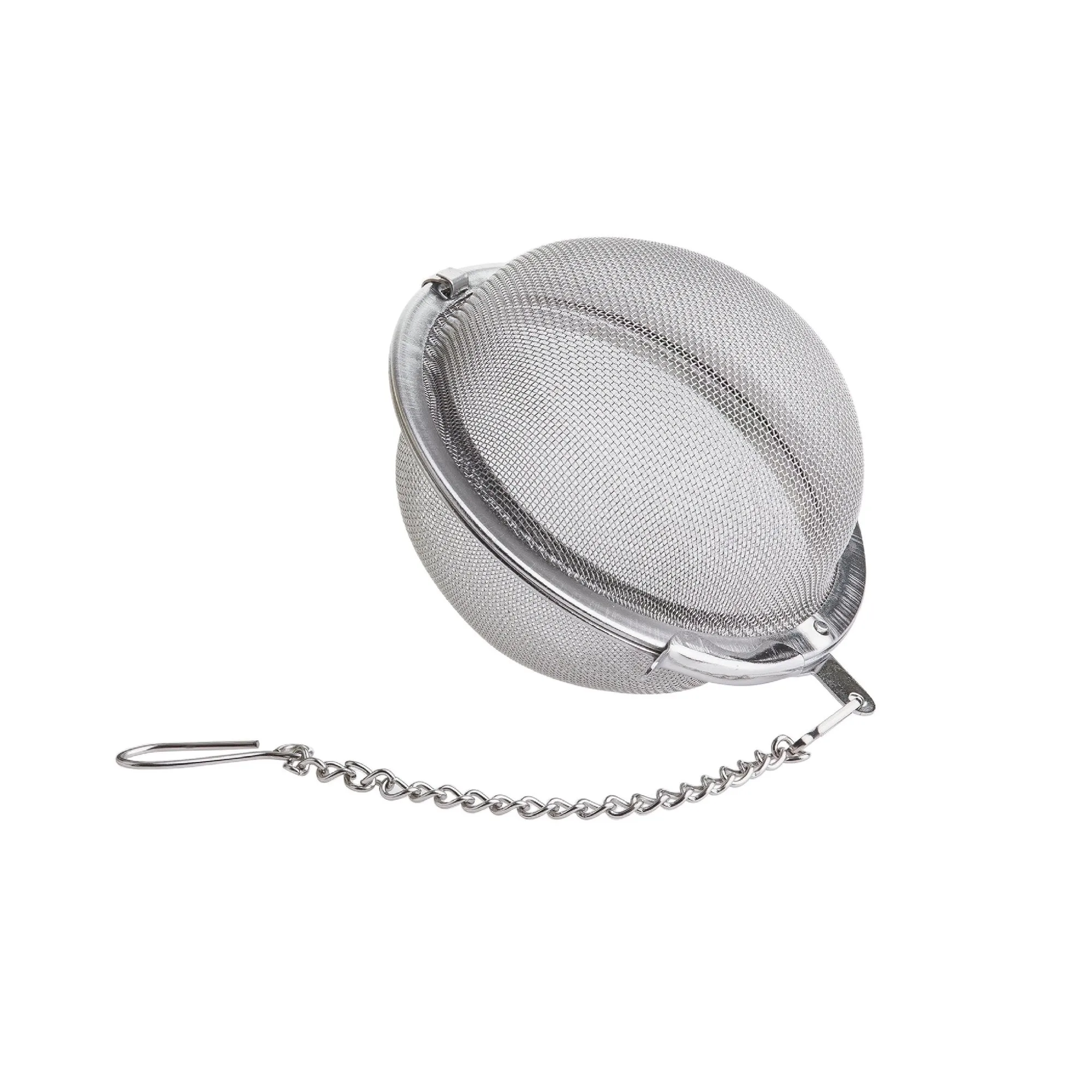
Investing in quality teaware can elevate your brewing experience. A ceramic or glass teapot retains heat well and allows you to watch the leaves unfurl. For single servings, a mesh infuser or a gaiwan works beautifully. Avoid metal infusers that can impart a metallic taste.
Pre-warm your teapot or cup by rinsing it with hot water before adding leaves. This ensures the water stays at the correct temperature during steeping. After pouring, give the leaves a gentle stir to ensure even extraction. Once the time is up, remove the leaves immediately to prevent over-steeping.
- Use ceramic or glass teaware for best flavor.
- Pre-warm your vessel to maintain temperature.
- Remove leaves promptly after steeping.
Serving and Enjoying Your Black Tea
Black tea can be enjoyed plain or with additions like milk, lemon, or honey. Traditional English breakfast teas pair wonderfully with a splash of milk, while lighter black teas like Darjeeling are best savored without. Adding lemon can brighten the flavor, but avoid milk and lemon together as the milk may curdle.
For iced black tea, double the leaf quantity and steep as usual, then pour over ice. The concentrated brew will remain flavorful even when diluted. Serve with fresh mint or a slice of citrus for a refreshing twist. Experiment with different pairings to discover your personal preference.
- Milk complements robust black teas.
- Lemon enhances lighter profiles.
- Double leaves for iced tea to maintain flavor.
Brewing the perfect cup of black tea is an art that rewards patience and attention to detail. By selecting high-quality leaves, controlling water temperature, and timing your steep, you can unlock a world of flavor in every sip. Ready to start your journey? Explore our collection of award-winning black teas at Good & Proper Tea and find your new favorite brew today.