Cast iron cookware has been a kitchen staple for centuries, prized for its heat retention, durability, and natural nonstick surface when properly seasoned. Whether you own a classic skillet, a Dutch oven, or a specialized piece like the Spun Iron Cake Pan, understanding how to care for your cast iron ensures it will serve you—and your family—for generations. This guide covers everything from initial seasoning to daily cleaning and storage.
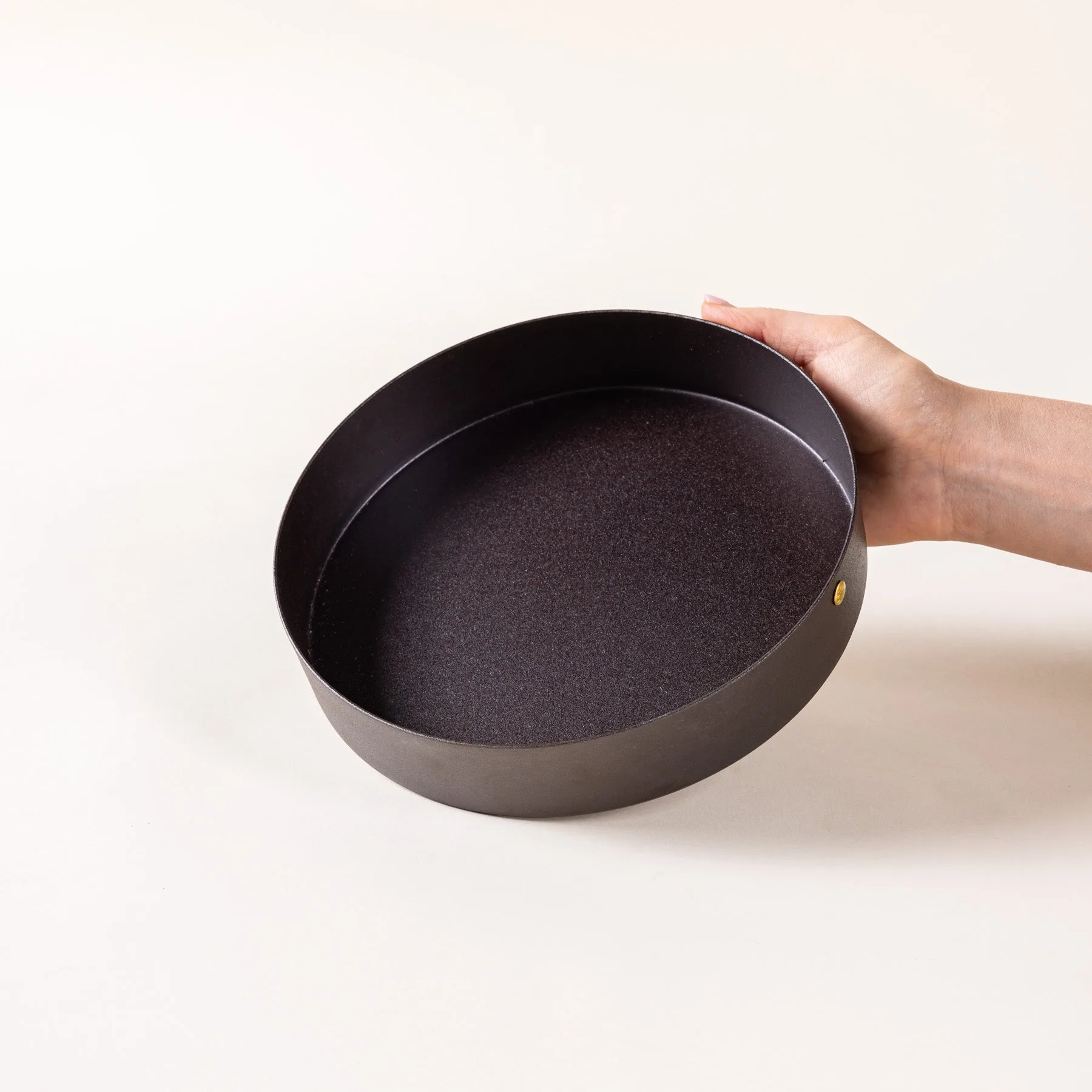
Spun Iron Cake Pan
Many home cooks shy away from cast iron because they fear it’s high maintenance. In reality, caring for cast iron is straightforward once you learn a few key principles. With the right techniques, your cast iron will become more nonstick over time, develop a beautiful patina, and handle everything from searing steaks to baking cornbread. Let’s dive into the essentials.
Why Cast Iron Deserves a Place in Your Kitchen
Cast iron is unmatched for even heat distribution and retention. It’s perfect for slow braising, frying, baking, and even roasting. Unlike nonstick pans that wear out after a few years, cast iron can last a lifetime—often improving with age. Its versatility means you can move it from stovetop to oven without worry, making it a favorite for recipes that require a hot start and a gentle finish.
Beyond performance, cast iron adds a touch of nostalgia and craftsmanship to your cooking. Many pieces, like the Spun Iron Cake Pan, are designed with both function and beauty in mind. With proper care, your cast iron will become a cherished heirloom, passed down through generations.
- Excellent heat retention for searing and browning
- Natural nonstick surface when seasoned correctly
- Oven-safe at high temperatures (up to 500°F or more)
- Adds trace amounts of dietary iron to food
Seasoning Your Cast Iron: The Foundation of Nonstick Performance
Seasoning is the process of baking a thin layer of oil onto the cast iron surface, creating a polymerized coating that protects against rust and provides a nonstick cooking surface. Most modern cast iron comes pre-seasoned, but you can enhance or restore the seasoning at home. To season, wash and dry the pan thoroughly, rub a very thin layer of high-smoke-point oil (like flaxseed, grapeseed, or vegetable oil) all over the surface, then bake it upside down in a 450°F oven for one hour. Let it cool inside the oven.
Repeat this process two or three times for a robust initial seasoning. Over time, cooking with fats and oils will naturally build up the seasoning. Avoid cooking acidic foods like tomatoes or vinegar-based sauces for long periods in newly seasoned pans, as they can strip the coating. For best results, use your cast iron regularly and dry it thoroughly after each wash.
- Use oils with high smoke points (flaxseed, grapeseed, vegetable)
- Apply oil in a very thin layer—wipe off excess with a paper towel
- Bake at 450°F for one hour, then let cool in the oven
- Repeat 2–3 times for initial seasoning
Cleaning Cast Iron the Right Way
Cleaning cast iron is simpler than you think. Avoid soap and abrasive scrubbers—they can damage the seasoning. Instead, rinse the pan with hot water and use a stiff brush or a non-scratch scrub pad to remove food residue. For stuck-on bits, boil a little water in the pan for a few minutes, then scrape gently with a wooden spatula. Dry the pan immediately with a towel or by placing it on a low burner to evaporate moisture.
After cleaning, apply a tiny amount of oil to the cooking surface and rub it in with a paper towel. This light coat protects the seasoning and keeps the pan ready for next use. If you notice rust spots, scrub them off with steel wool, rinse, dry, and re-season the pan. With consistent care, your cast iron will remain smooth and nonstick.
- Rinse with hot water and scrub with a stiff brush (no soap)
- Boil water to loosen stubborn food residue
- Dry immediately to prevent rust
- Apply a light oil coating after each wash
Common Mistakes and How to Avoid Them
One common mistake is soaking cast iron in water. Prolonged exposure to moisture leads to rust. Another is using metal utensils that can scratch the seasoning—opt for wood, silicone, or nylon instead. Also, avoid cooking highly acidic foods for extended periods, especially in newer pans. If you do cook acidic dishes, be sure to re-season afterward.
Storing cast iron properly is also key. Keep it in a dry place, and if stacking pans, place a paper towel or cloth between them to prevent scratching. Some cooks store their cast iron in the oven, which is fine as long as you remember to remove it before preheating. By avoiding these pitfalls, your cast iron will stay in top condition.
- Never soak cast iron in water
- Use wood or silicone utensils to protect seasoning
- Limit acidic foods in new pans
- Store in a dry place with a protective layer between pans
Caring for Cast Iron Bakeware: Special Considerations
Cast iron bakeware, such as the Spun Iron Cake Pan, requires slightly different care than skillets. Because bakeware is often used for sweet batters and delicate items, you may want to maintain a very smooth seasoning. Before baking, lightly grease the pan with butter or oil to ensure easy release. After baking, let the pan cool before washing—thermal shock can warp or crack cast iron.
For cake pans and loaf pans, avoid using high-acid ingredients like buttermilk or citrus in unseasoned pans. Over time, the seasoning will build up from repeated baking with fats. If you notice the surface becoming sticky, it may be due to excess oil—bake the pan empty at 350°F for 30 minutes to reset the seasoning. With proper care, your cast iron bakeware will deliver perfect results every time.
- Grease bakeware well before each use
- Let pans cool completely before washing
- Avoid acidic batters in new pans
- Re-season if the surface becomes sticky
Restoring Rusty or Neglected Cast Iron
Don’t panic if you find rust on your cast iron—it’s often salvageable. Scrub the rust off with steel wool or a chainmail scrubber and warm water. Rinse and dry thoroughly. Then apply a thin layer of oil and re-season in the oven (as described in the seasoning section). Repeat if necessary. For heavily rusted pieces, you can use a vinegar soak (one part vinegar to three parts water) for up to 30 minutes, but be careful not to over-soak.
Once the rust is removed and the pan is re-seasoned, it will be as good as new. Many vintage cast iron pans are restored this way and become prized possessions. With a little elbow grease, you can bring any cast iron piece back to life.
- Scrub rust with steel wool and warm water
- Use a vinegar soak for heavy rust (max 30 minutes)
- Dry immediately and apply oil
- Re-season in the oven after rust removal
Everyday Tips for Long-Lasting Cast Iron
To keep your cast iron in peak condition, use it frequently. The more you cook with it, the better the seasoning becomes. Avoid cooking delicate foods like fish or eggs until the seasoning is well-established. Use moderate heat—cast iron retains heat so well that medium is often enough for most tasks. Preheat the pan slowly to avoid hot spots.
Consider using your cast iron for baking as well. The Spun Iron Cake Pan is excellent for cornbread, upside-down cakes, and even deep-dish pizza. Baking helps maintain the seasoning because the even heat distributes oil evenly. With these habits, your cast iron will become a trusted kitchen companion.
- Cook with cast iron often to build seasoning
- Use medium heat and preheat slowly
- Try baking to maintain the seasoning
- Avoid cooking acidic foods until seasoning is robust
Caring for your cast iron cookware is a rewarding practice that pays off in delicious meals and heirloom-quality tools. Whether you're searing a steak or baking a cake in the Spun Iron Cake Pan, a little maintenance goes a long way. Explore our selection of cast iron and bakeware to find the perfect piece for your kitchen, and enjoy the timeless art of cast iron cooking.