Wooden serving platters, especially those crafted from acacia, bring a natural warmth and elegance to any table. Their rich grain patterns and durability make them a favorite for cheese boards, charcuterie displays, and everyday meals. However, unlike glass or ceramic, wood requires a bit of thoughtful care to maintain its luster and longevity.
Whether you own a classic cutting board like The MK Free Board or a beautifully turned piece such as The Medium Goun Bowl, proper maintenance ensures these pieces remain in your kitchen rotation for years. This guide will walk you through the essential steps for cleaning, oiling, and storing your wooden serveware, so you can enjoy its beauty without worry.
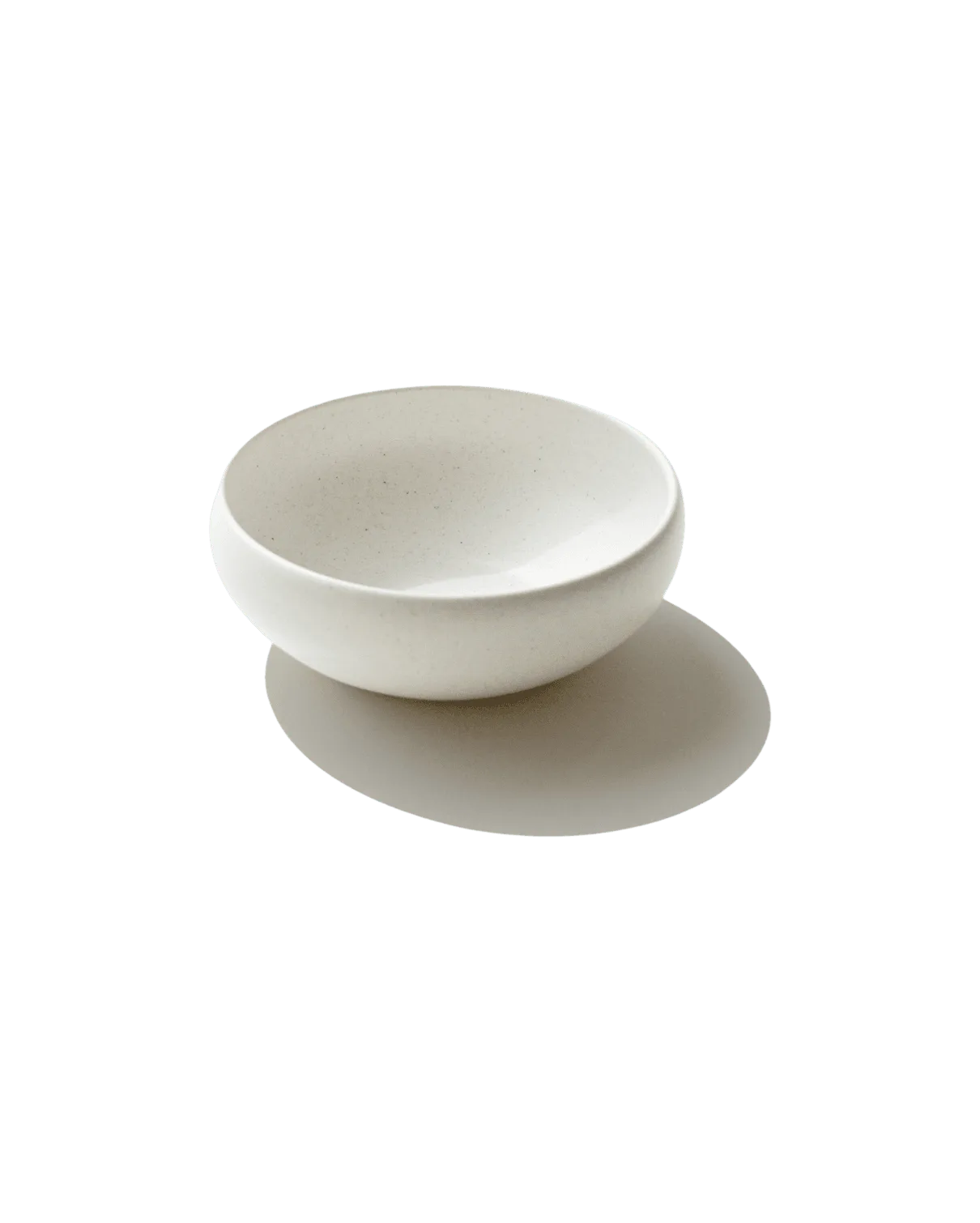
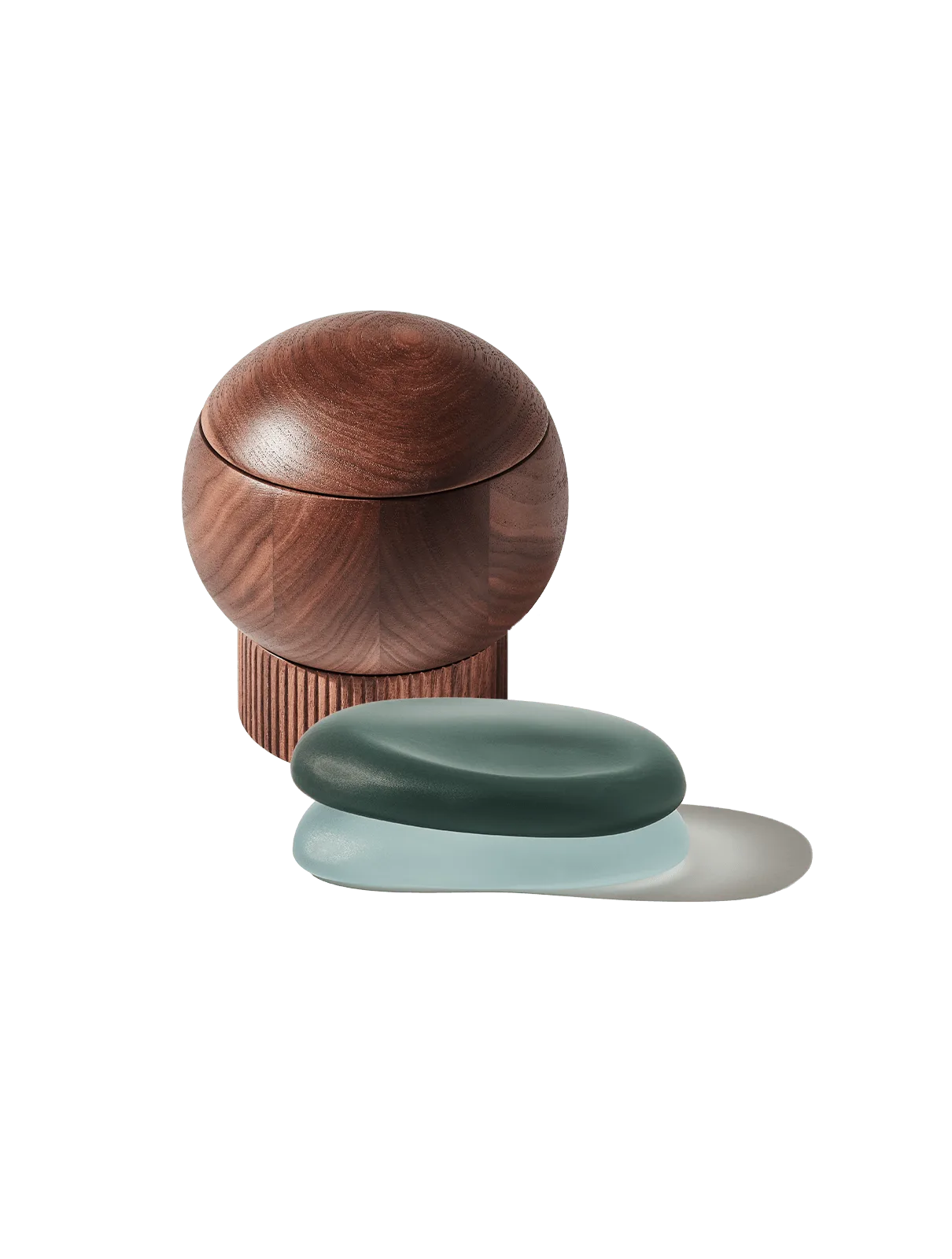
The Medium Goun Bowl
Why Acacia Wood Requires Special Care
Acacia wood is prized for its hardness, natural water resistance, and striking color variations. Unlike softer woods, it can withstand regular use, but it is not impervious to damage. The same porous nature that allows it to absorb oils and develop a patina also makes it susceptible to moisture, heat, and acidic foods.
When you invest in a high-quality acacia piece like The MK Free Board, you are buying a functional work of art. Understanding its characteristics helps you avoid common pitfalls: leaving it soaking in water, placing it near a hot stove, or using harsh detergents. With the right care, the wood will not crack or warp, and its surface will stay smooth and food-safe.
- Always hand wash wooden platters with mild soap and warm water. Never submerge them or put them in the dishwasher.
Daily Cleaning Best Practices
After each use, rinse your wooden platter with warm water and a soft sponge. For stubborn residues like cheese or dried fruit, use a gentle scrub with a non-abrasive brush. Avoid soaking the board, as prolonged water exposure can cause the wood fibers to swell and eventually crack.
For deeper cleaning, especially after cutting raw meat or strong-smelling foods, you can sanitize with a mixture of white vinegar and water (one part vinegar to five parts water). Wipe the surface, then rinse immediately and dry with a clean towel. Never use bleach or chemical cleaners, as they can penetrate the wood and contaminate food.
If you own a smaller prep piece like The Medium Goun Bowl, treat it with the same care. Its curved interior can trap moisture, so tilt it to drain after rinsing and dry thoroughly with a cloth.
- Dry wooden platters upright or on a rack so air circulates around all sides. Avoid stacking wet boards.
The Importance of Regular Oiling
Oiling is the single most important step in extending the life of your wooden serveware. Applying food-grade mineral oil or a specialized board conditioner replenishes the natural oils lost during washing and use. This creates a protective barrier that repels moisture and prevents the wood from drying out and cracking.
New acacia platters often arrive with a factory finish, but after a few washes, they will benefit from a fresh coat. To oil your board, pour a small amount of mineral oil onto the surface and spread it with a clean cloth or your hands, working it into the grain. Let it absorb for several hours or overnight, then wipe off any excess.
For pieces like The MK Free Board, which sees frequent use, aim to oil it once a month. Less frequently used items can be oiled every two to three months. A well-oiled board will have a satin sheen and feel smooth to the touch.
- Never use vegetable or olive oil for conditioning, as they can turn rancid and develop an unpleasant odor over time.
Removing Stains and Odors
Despite your best efforts, wooden platters can sometimes develop stains from beets, berries, or turmeric, or absorb odors from onions or garlic. Fortunately, these are easy to treat. Sprinkle coarse salt or baking soda over the affected area, then rub it with half a lemon. Let the mixture sit for a few minutes before rinsing.
The mild acidity of the lemon helps lift stains, while the salt acts as a gentle abrasive. For persistent odors, make a paste of baking soda and water, apply it to the wood, and let it sit for 15 minutes before wiping away. Always rinse thoroughly and dry immediately afterward.
This gentle method works beautifully on both flat boards and curved pieces like The Medium Goun Bowl, preserving the wood's natural finish without harsh scrubbing.
- For deep scratches or rough spots, sand the board lightly with fine-grit sandpaper (220-grit) before oiling to restore a smooth surface.
Proper Storage to Prevent Warping
Where and how you store your wooden platters matters as much as how you clean them. Wood is hygroscopic, meaning it absorbs and releases moisture from the air. Storing a board in a damp environment can cause it to warp, while an overly dry location may lead to cracking.
The ideal storage spot is a dry, room-temperature area away from direct sunlight and heat sources like radiators or ovens. If you have multiple boards, place a paper towel or cloth between them to allow air circulation. For platters you use daily, a countertop stand works well, as long as it is not near the stove.
For a versatile piece like The MK Free Board, which can double as a serving board and cutting surface, storing it flat or on its edge is best. Avoid leaning it against a wall where one side might be exposed to more air than the other.
- Never store wooden platters in a sealed plastic bag or airtight container, as trapped moisture can promote mold growth.
When to Replace or Refinish Your Platter
With diligent care, a quality acacia platter can last for decades. However, there are signs that it may need refinishing or replacement. Deep cracks that cannot be sanded out, a persistent musty smell, or visible mold indicate the wood has been compromised and should be discarded for food safety.
If the surface becomes excessively rough or stained, you can often revive it by sanding with fine-grit sandpaper and reapplying oil. This process removes the top layer of damaged wood and exposes fresh grain. For boards used heavily for cutting, like The MK Free Board, occasional sanding is a normal part of maintenance.
Remember that wood is a living material, and small character marks like knife scars or mild color changes are not flaws—they are part of the patina that tells your board's story.
- If you notice splinters or raised grain, sand the area lightly before oiling to keep the surface food-safe and pleasant to touch.
Caring for your wooden and acacia serving platters is a simple ritual that rewards you with years of beautiful, functional use. By incorporating these cleaning, oiling, and storage habits into your routine, you protect your investment and elevate every meal you serve. If you are looking for a new piece to start your collection or replace an old favorite, explore The MK Free Board—it is a versatile, durable choice that embodies everything we love about natural wood serveware.