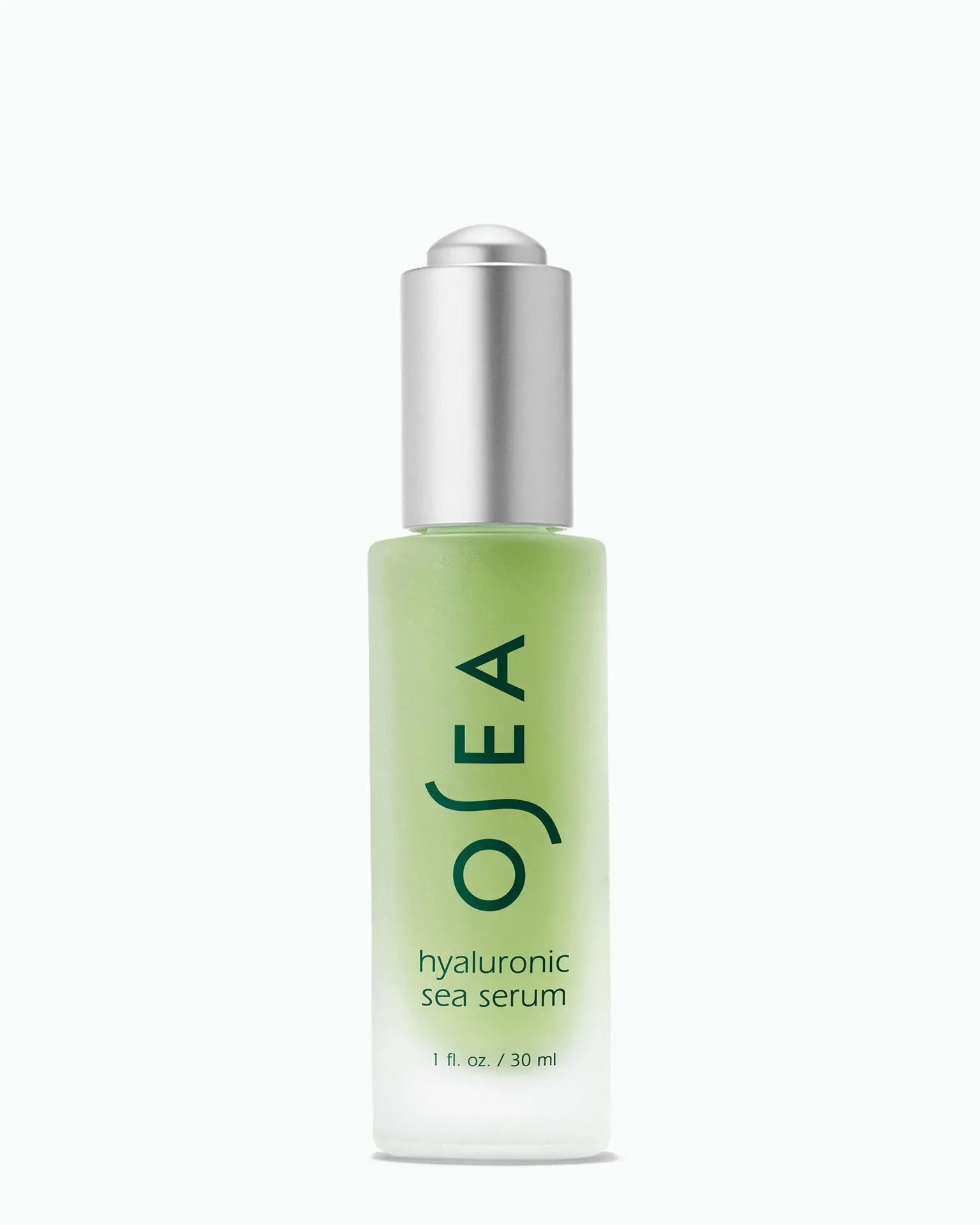
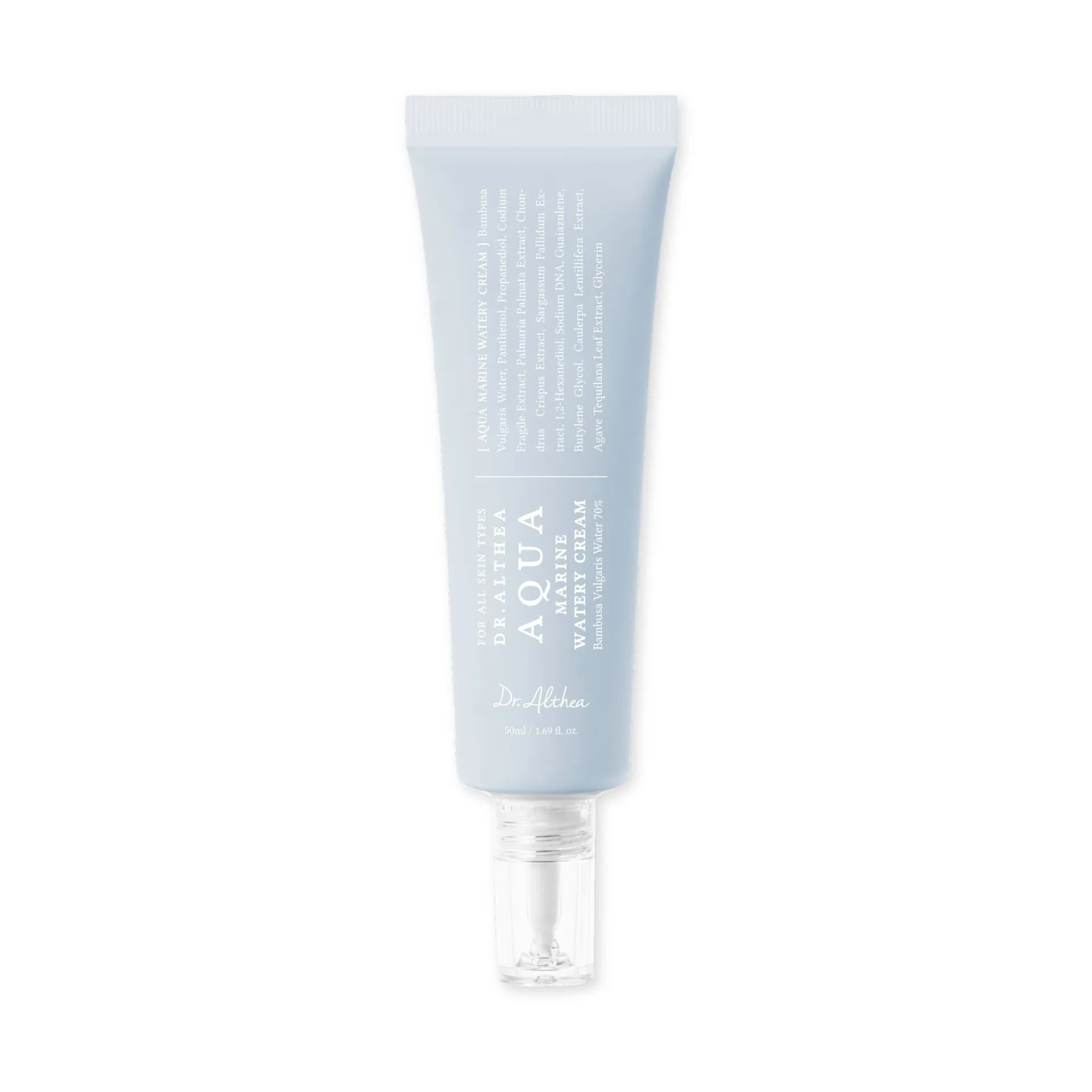
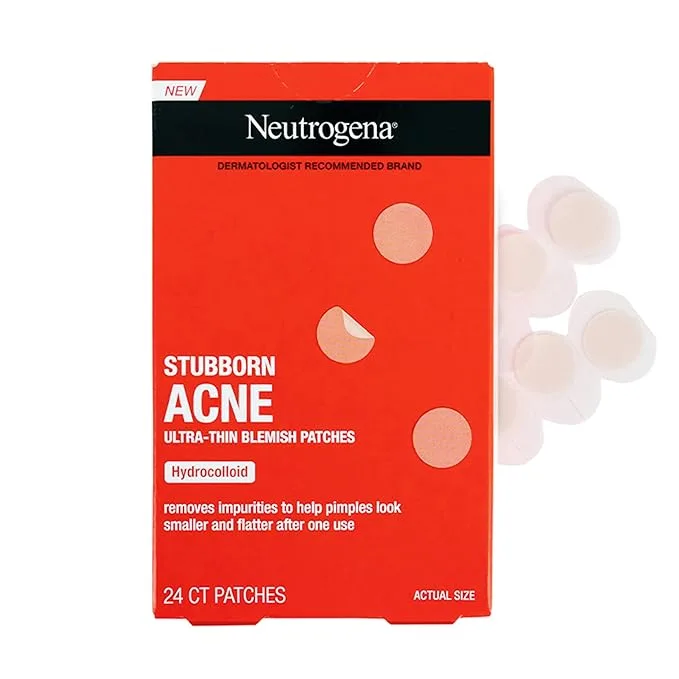
Aging is a natural part of life, but that doesn't mean you can't look and feel your best at any age. With countless anti-aging products on the market, choosing the right ones for your specific skin type can feel overwhelming. This guide will help you navigate the options, understand key ingredients, and select products that truly work for you.
Whether you have dry, oily, sensitive, or combination skin, the right anti-aging routine can make a significant difference. We'll break down what to look for, what to avoid, and how to build a regimen that addresses your unique needs.
Understanding Your Skin Type
Before diving into anti-aging products, it's crucial to know your skin type. This determines which formulations will be most effective and least likely to cause irritation. Skin types generally fall into four categories: dry, oily, combination, and sensitive. Dry skin often feels tight and may show fine lines more prominently. Oily skin tends to have enlarged pores and is prone to breakouts. Combination skin has both oily and dry areas, typically with an oily T-zone. Sensitive skin reacts easily to products, causing redness or stinging.
Once you've identified your skin type, you can tailor your anti-aging approach. For example, dry skin benefits from rich, hydrating ingredients, while oily skin needs lightweight, non-comedogenic options. Sensitive skin requires gentle, fragrance-free formulas. Knowing your type helps you avoid common pitfalls like using heavy creams on oily skin or harsh acids on sensitive skin.
- Dry skin: look for hyaluronic acid, ceramides, and shea butter
- Oily skin: choose gel-based moisturizers and salicylic acid
- Sensitive skin: opt for hypoallergenic, fragrance-free products
Key Anti-Aging Ingredients to Look For
Anti-aging products are packed with active ingredients that target wrinkles, fine lines, and loss of elasticity. The most proven ingredients include retinol, vitamin C, peptides, and hyaluronic acid. Retinol, a form of vitamin A, boosts collagen production and speeds up cell turnover. It's considered the gold standard for anti-aging but can be irritating, so it's essential to start with a low concentration and gradually increase use.
Vitamin C is a powerful antioxidant that brightens skin and protects against environmental damage. Peptides help firm the skin, while hyaluronic acid hydrates and plumps, reducing the appearance of fine lines. When choosing products, look for these ingredients in serums, moisturizers, and eye creams. For example, a retinol serum can be used at night, while a vitamin C serum is ideal for morning use.
- Retinol: best for wrinkles and texture, but use cautiously
- Vitamin C: brightens and protects, great for daytime
- Hyaluronic acid: hydrates and plumps, suitable for all skin types
Choosing Anti-Aging Products for Dry Skin
If you have dry skin, your anti-aging routine should focus on hydration and barrier repair. Look for rich creams and lotions that contain shea butter, ceramides, and hyaluronic acid. These ingredients lock in moisture and prevent water loss, which is crucial for reducing the appearance of fine lines. A product like a shea butter lotion can be a game-changer, providing deep nourishment while supporting your skin's natural barrier.
When selecting a serum, opt for one with hyaluronic acid or peptides. Avoid alcohol-based toners that can strip moisture. Instead, use a gentle cleanser and follow with a hydrating toner. For extra moisture, consider a facial oil or a rich night cream. Consistency is key – apply your products while your skin is still damp to seal in hydration.
- Use a gentle, cream-based cleanser
- Apply a hyaluronic acid serum before moisturizing
- Layer a rich night cream for overnight repair
Choosing Anti-Aging Products for Oily and Acne-Prone Skin
Oily skin can still show signs of aging, but heavy creams can clog pores and worsen breakouts. Instead, choose lightweight, oil-free, and non-comedogenic products. Gel-based moisturizers are excellent because they hydrate without adding grease. Look for ingredients like salicylic acid to exfoliate and keep pores clear, and niacinamide to regulate oil production and reduce inflammation.
For anti-aging, consider a retinol serum that is specifically formulated for oily skin. Retinol helps unclog pores and smooths fine lines. You can also incorporate a balancing gel hydrator to keep your skin comfortable without excess oil. Avoid heavy oils and butters that can feel suffocating. Instead, focus on water-based serums and lightweight lotions.
- Choose oil-free, non-comedogenic products
- Incorporate a retinol serum at night
- Use a gel-based moisturizer to hydrate without clogging pores
Choosing Anti-Aging Products for Sensitive Skin
Sensitive skin requires extra care when selecting anti-aging products. Harsh ingredients like high concentrations of retinol or acids can cause redness and irritation. Instead, look for gentle, fragrance-free formulas that are hypoallergenic. Peptides and antioxidants like green tea are soothing and help combat aging without irritation. A sensitive skin body wash can also be part of your routine if you have body concerns.
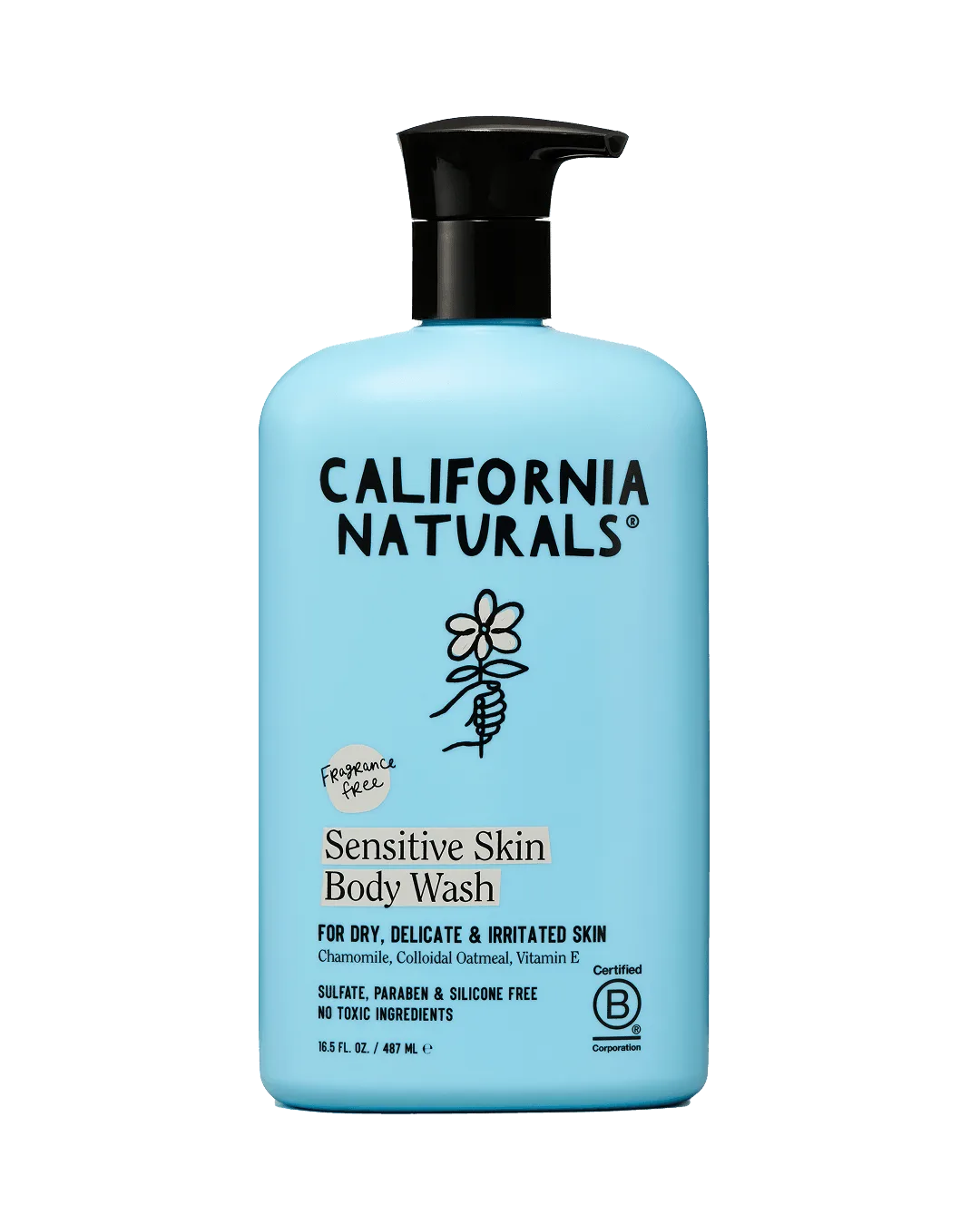
sensitive skin body wash
When using retinol, start with a low percentage and apply it only a few times a week. Always patch test new products. Consider using a serum with peptides or a calming moisturizer with ceramides. Avoid products with alcohol, essential oils, or synthetic dyes. Your goal is to support your skin's barrier while providing anti-aging benefits.
- Patch test every new product
- Choose fragrance-free and hypoallergenic options
- Introduce retinol gradually to minimize irritation
Building Your Anti-Aging Routine
A consistent routine is more effective than using many products sporadically. Start with a gentle cleanser, then apply a treatment serum (like vitamin C in the morning and retinol at night). Follow with a moisturizer suited to your skin type, and always finish with sunscreen during the day. Sunscreen is the most important anti-aging product – it prevents UV damage that causes premature aging.
For targeted concerns, add eye creams or neck creams. Remember to adjust your routine seasonally – you may need more hydration in winter and lighter products in summer. Always introduce new products one at a time to monitor how your skin reacts. Patience is key; anti-aging results take time, often 8-12 weeks of consistent use.
- Morning: cleanse, vitamin C serum, moisturizer, SPF
- Evening: cleanse, retinol serum, moisturizer
- Exfoliate 1-2 times a week to enhance cell turnover
Choosing the right anti-aging products for your skin type doesn't have to be complicated. By understanding your skin's needs and selecting products with proven ingredients, you can create a routine that helps you look and feel your best. Remember to be patient and consistent, and don't forget the importance of sunscreen. For a great start, consider trying the SPF 50 Daily Mineral Sunscreen Moisturizer, a lightweight option that protects while hydrating. Explore our collection to find your perfect match!
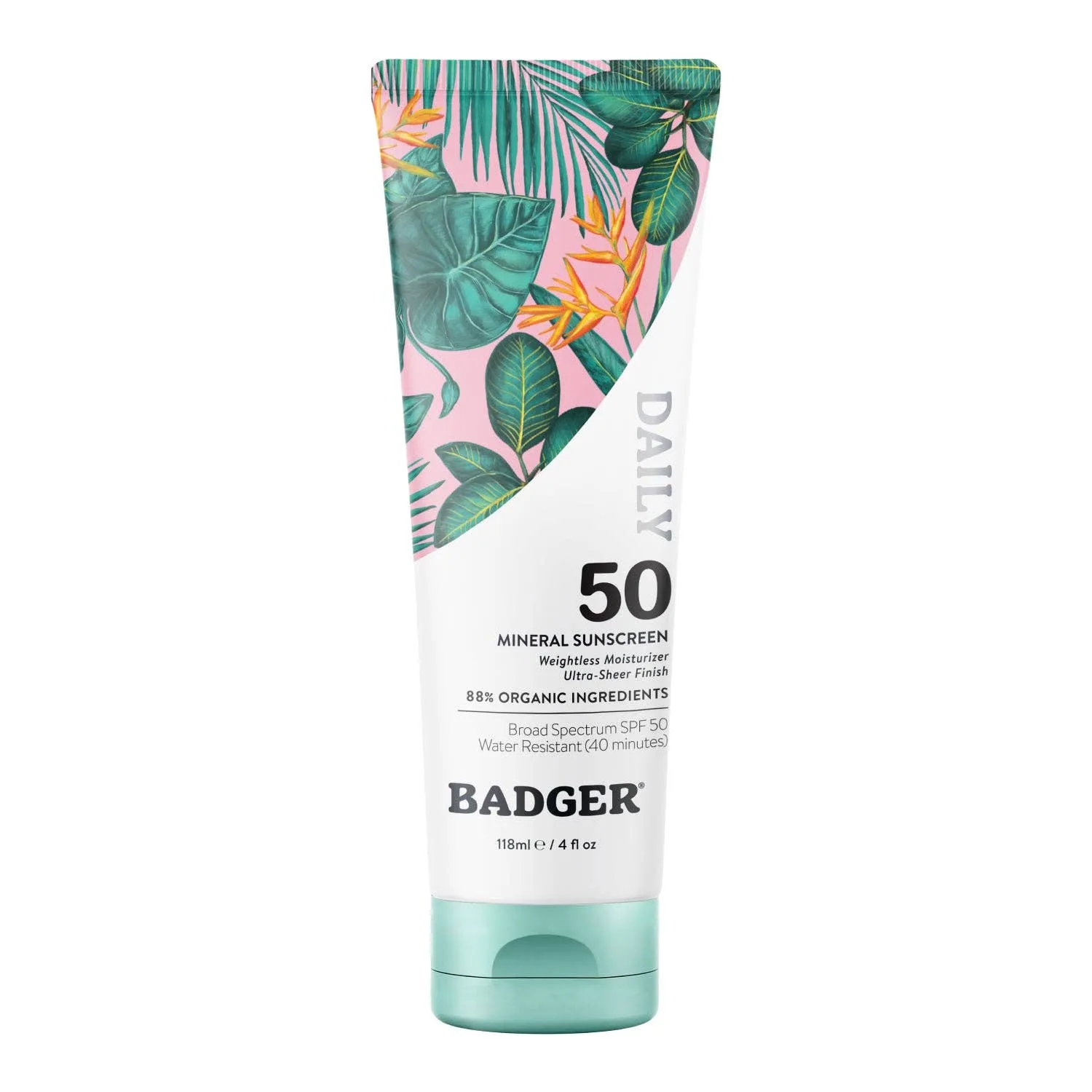
SPF 50 Daily Mineral Sunscreen Moisturizer