A perfect gin and tonic is more than just a drink—it's an experience. The right tonic water can elevate your gin's botanicals, balance bitterness, and add a refreshing fizz that transforms a simple cocktail into a masterpiece. But with so many options on the market, choosing the best premium tonic water can feel overwhelming.
In this guide, we'll walk you through everything you need to know: from understanding tonic water styles and flavor profiles to pairing tips with popular gin brands. Whether you're a home bartender or a curious enthusiast, you'll learn how to pick the perfect tonic for your next G&T.
What Makes a Tonic Water Premium?
Premium tonic water stands out from standard supermarket brands through its ingredients and craftsmanship. While mass-produced tonics often rely on high-fructose corn syrup and artificial quinine, premium versions use natural quinine extracted from cinchona bark, real cane sugar or natural sweeteners, and botanical infusions like elderflower, citrus, or herbs. The result is a cleaner, more complex flavor that complements rather than overpowers your gin.
Carbonation also plays a key role. Premium tonic waters typically have finer, more persistent bubbles that provide a silky mouthfeel and a longer-lasting fizz. This ensures your drink stays lively from the first sip to the last. When shopping for the best tonic water, look for brands that list quinine and natural flavors on the label—avoid anything with artificial preservatives or sweeteners.
- Natural quinine from cinchona bark for authentic bitterness
- Real sweeteners (cane sugar, agave, or stevia) for balanced taste
- Botanical extracts like elderflower, lemon peel, or coriander for complexity
- Fine, persistent carbonation for a luxurious mouthfeel
Understanding Tonic Water Styles: Classic, Slimline, and Flavored
Not all tonic waters are created equal. Classic tonic water is the traditional choice, with a bold quinine bitterness balanced by sugar. It pairs well with London dry gins and other juniper-forward styles. Slimline or diet tonic waters, on the other hand, use artificial sweeteners or natural low-calorie alternatives like stevia. They are ideal for those watching their sugar intake without sacrificing the tonic's essential character.
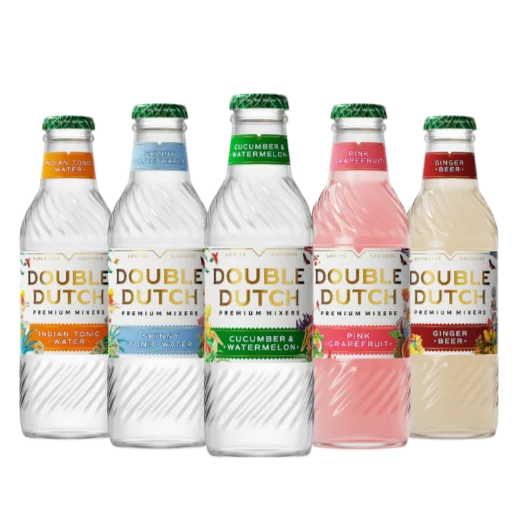
Flavored tonic waters have surged in popularity, offering unique twists like elderflower, pink grapefruit, or ginger. These can add a new dimension to your G&T, especially when paired with gins that share complementary notes. For example, a floral gin works beautifully with elderflower tonic, while a citrus-forward gin shines with pink grapefruit soda. Experimenting with different styles is the best way to discover your personal favorite.
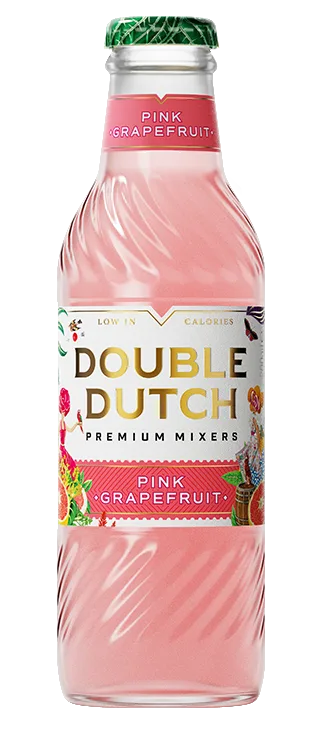
pink grapefruit soda
- Classic: Bold bitterness, sugar-sweetened, perfect for traditional gins
- Slimline: Low-calorie, often with stevia or erythritol, for guilt-free sipping
- Flavored: Elderflower, citrus, or spice infusions for creative pairings
How to Pair Tonic Water with Gin: A Simple Guide
Pairing tonic water with gin is an art, but a few simple principles can guide you. Start by considering the dominant botanicals in your gin. If your gin is heavy on juniper and coriander, a classic tonic will provide a clean, bitter counterpoint. For gins with floral or fruity notes, a flavored tonic can amplify those characteristics. For instance, our Elderflower Tonic Water adds a delicate floral sweetness that pairs wonderfully with rose or lavender-infused gins.
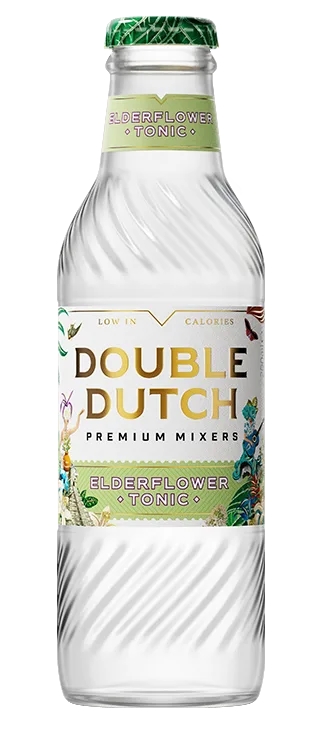
Elderflower Tonic Water
If you're mixing a light, citrus-forward gin, a slimline tonic like our Skinny Tonic Water keeps the drink crisp and refreshing without overwhelming the palate. This tonic uses natural sweeteners to maintain a clean finish, making it an excellent choice for afternoon sipping. Remember, the goal is balance: the tonic should support the gin, not mask it. A good rule of thumb is to use a 1:1 or 2:1 ratio of tonic to gin, depending on the strength of the gin and your personal taste.
- Juniper-heavy gins: Classic tonic for a traditional, bitter finish
- Floral or fruity gins: Flavored tonic like elderflower to enhance notes
- Citrus-forward gins: Slimline tonic for a crisp, clean profile
- Spiced or herbal gins: Ginger ale or pink grapefruit soda for complexity
Top Tips for the Perfect Gin and Tonic
Beyond choosing the best tonic water, a few simple techniques can elevate your G&T. Always use a high-quality glass—a large balloon or Copa glass allows the aromas to concentrate and the ice to melt slowly. Fill the glass with large ice cubes (not crushed ice) to minimize dilution. Pour the gin first, then add the tonic slowly to preserve carbonation. Stir gently with a bar spoon to combine without losing fizz.
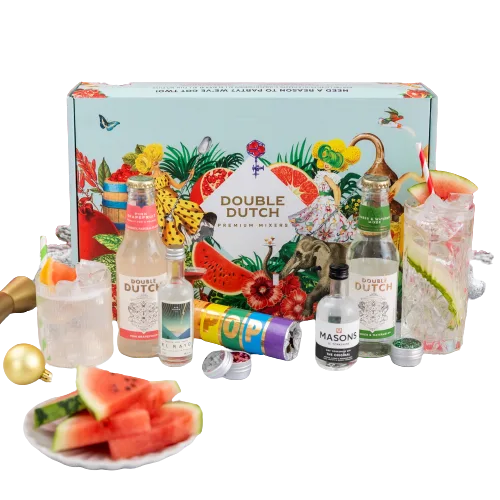
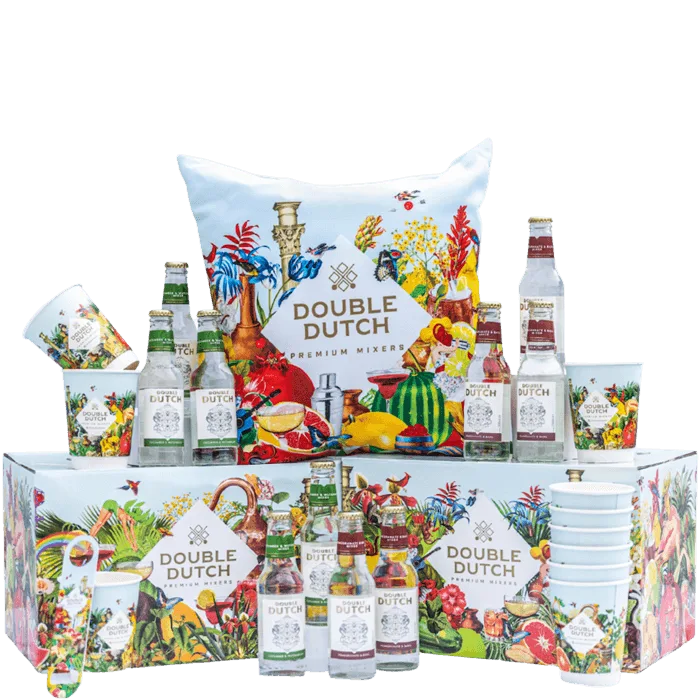
Garnish is your final flourish. A slice of grapefruit, a sprig of rosemary, or a few juniper berries can add visual appeal and aromatic complexity. For a truly special presentation, consider using a Double Dutch Bar Blade to slice citrus peels with precision. And if you're hosting a party, a Party Box filled with assorted mixers lets guests experiment with different flavors. The key is to have fun and discover what delights your palate.
- Use large ice cubes to slow dilution
- Pour tonic slowly down the side of the glass to preserve fizz
- Garnish with fresh herbs or citrus to complement the gin's botanicals
- Experiment with different tonics to find your perfect match
Choosing the best premium tonic water for your gin is a journey of taste and discovery. Whether you prefer the classic bitterness of a traditional tonic, the light sweetness of a slimline option, or the creative flair of a flavored mixer, there's a perfect match waiting for you. Start your exploration today with our Elderflower Tonic Water or Skinny Tonic Water, and elevate your next gin and tonic to new heights.