Finding the perfect moisturizer can feel like a never-ending quest. With countless textures, ingredients, and promises on the market, it’s easy to get overwhelmed. But here’s the truth: the right moisturizer is the cornerstone of any effective skincare routine. It locks in hydration, strengthens your skin barrier, and helps prevent premature aging. Whether you’re battling flakiness, shine, or redness, this guide will help you navigate the world of hydrating creams and serums to find your ideal match.
In this comprehensive guide, we’ll break down the needs of each skin type, highlight key ingredients to look for, and recommend products that deliver real results. By the end, you’ll know exactly what to look for in a moisturizer—and how to build a routine that keeps your skin happy and healthy.
Why Moisturizer Matters for Every Skin Type
Moisturizers do more than just add water to your skin. They create a protective seal that prevents moisture loss, soothe irritation, and deliver active ingredients that target specific concerns. According to dermatologists, even people with oily skin need hydration—skipping moisturizer can actually trigger excess oil production as your skin tries to compensate for dryness.
Think of your skin barrier as a brick wall: skin cells are the bricks, and lipids (oils) are the mortar. A good moisturizer reinforces that mortar, keeping irritants out and hydration in. Whether you choose a lightweight gel, a rich cream, or a multitasking serum, the goal is to maintain that delicate balance.
Best Moisturizer for Dry Skin: Ingredients That Quench and Restore
Dry skin feels tight, looks dull, and may show fine lines more prominently. It lacks both water and oils, so you need a moisturizer that delivers intense hydration and occlusive protection. Look for formulas with humectants like hyaluronic acid, glycerin, and ceramides to pull water into the skin, plus emollients like shea butter, squalane, or plant oils to seal it in.
One standout option for dry, dehydrated skin is the Rice 70 Glow Milky Toner. While it’s technically a toner, its milky, nourishing texture provides a pre-moisturizer layer of hydration that preps the skin for richer creams. Rice extract is rich in vitamins and minerals that brighten and soothe, while gentle emollients help soften rough patches. Apply it before your moisturizer for an extra boost of dewiness.
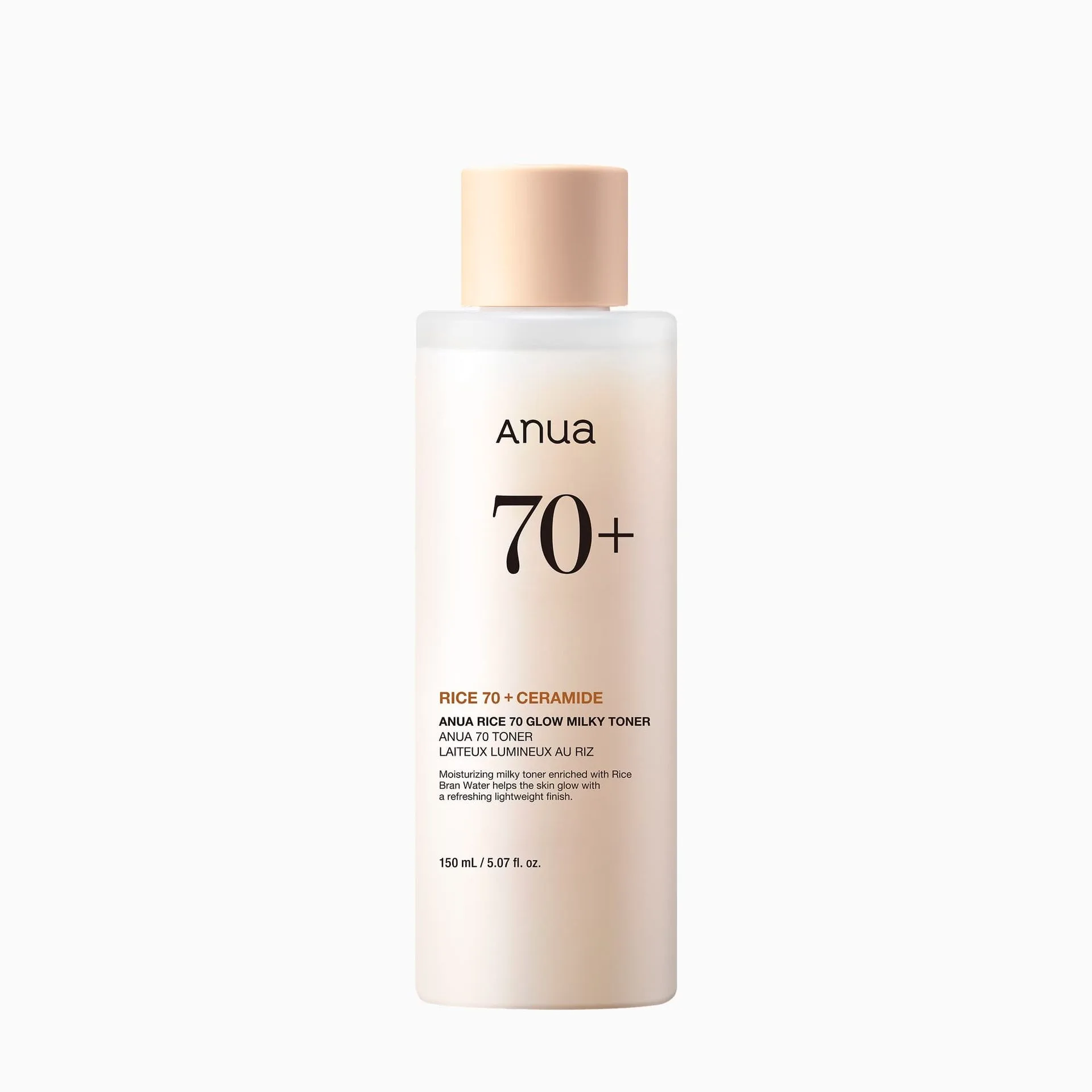
Rice 70 Glow Milky Toner
For a true moisturizer, consider a product rich in ceramides and peptides. These ingredients support barrier repair and long-lasting hydration. If your skin is also prone to redness or sensitivity, look for calming additions like centella asiatica, niacinamide, or beta-glucan. A layered approach—toner, serum, then cream—works wonders for parched complexions.
Moisturizer for Oily Skin: Lightweight Hydration Without the Shine
Oily and acne-prone skin often shies away from moisturizers, fearing breakouts or a greasy finish. However, skipping hydration can backfire, causing pores to produce even more oil. The key is to choose a water-based, oil-free formula that delivers lightweight hydration without clogging pores. Gel-creams and lotions labeled “non-comedogenic” are your best friends.
Look for ingredients like hyaluronic acid, glycerin, aloe vera, and green tea extract. These provide moisture without heaviness. For oily skin, the Heartleaf 80% Moisture Soothing Ampoule is a game-changer. This lightweight ampoule delivers a burst of hydration with heartleaf extract, known for its anti-inflammatory and pore-calming properties. Use it under a light gel moisturizer for a matte, balanced finish that keeps oil at bay throughout the day.
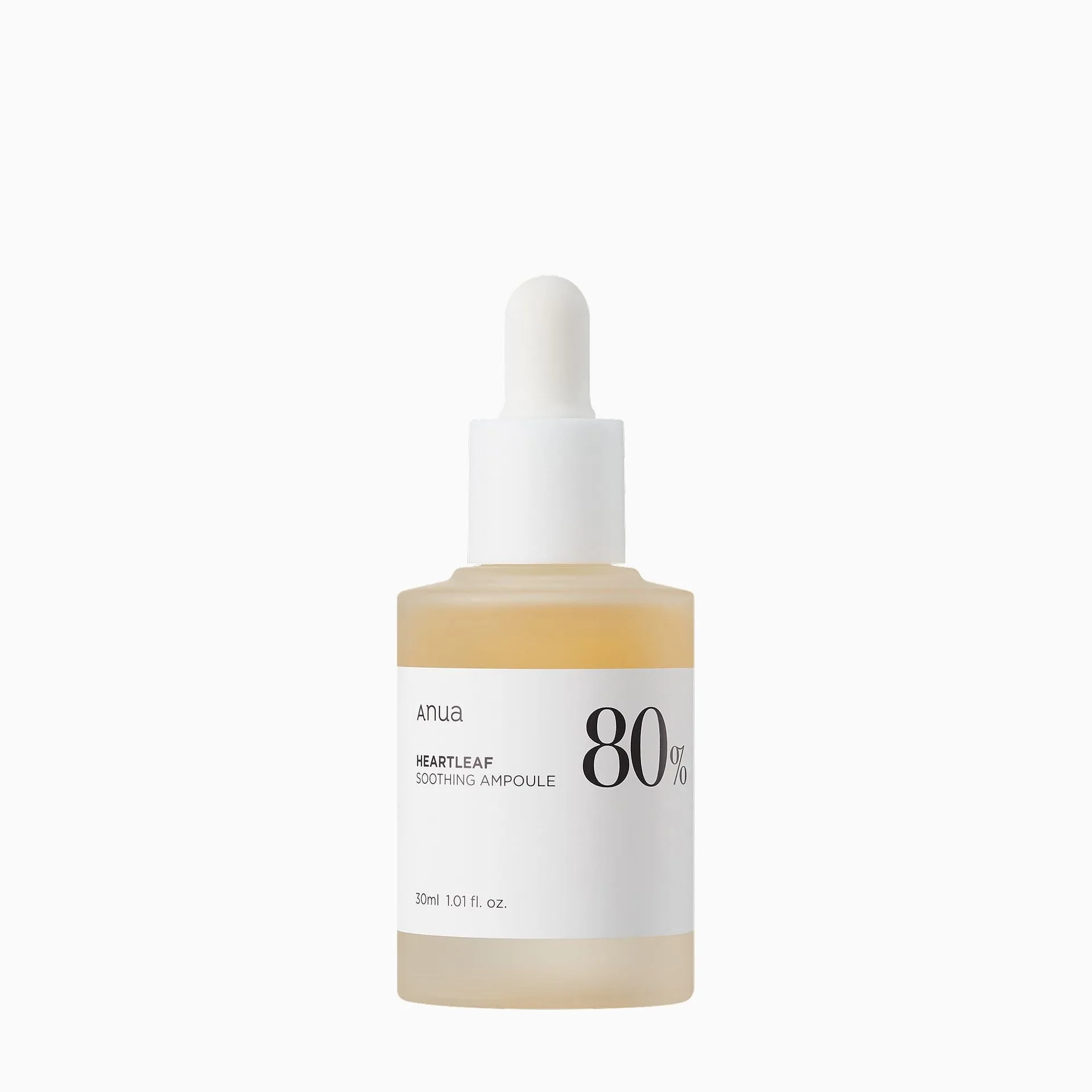
Heartleaf 80% Moisture Soothing Ampoule
Another tip: incorporate a gentle exfoliating toner with salicylic acid or PHA into your routine to keep pores clear, then follow with a hydrating product. This prevents congestion while ensuring your skin stays supple and healthy.
Combination and Normal Skin: Finding the Perfect Balance
Combination skin—oily in the T-zone, dry on the cheeks—requires a moisturizer that adapts. A medium-weight lotion or cream works best, offering enough hydration for dry areas without overwhelming oily zones. Ingredients like niacinamide help regulate oil production while strengthening the barrier.
For normal skin, you have more flexibility, but avoid extremes: skip heavy butters if you’re prone to shine, and avoid ultra-light gels if your cheeks feel tight. A moisturizer with hyaluronic acid and squalane is a safe, versatile choice. You can also layer different products on different parts of your face—a richer cream on the cheeks, a gel on the forehead and nose.
Sensitive and Redness-Prone Skin: Soothing and Strengthening
If your skin reacts easily to products, temperature changes, or stress, you need a moisturizer that calms inflammation and repairs the barrier. Avoid fragrances, alcohols, and essential oils. Instead, seek out centella asiatica (also called cica or heartleaf), madecassoside, allantoin, and ceramides. These ingredients reduce redness and support healing.
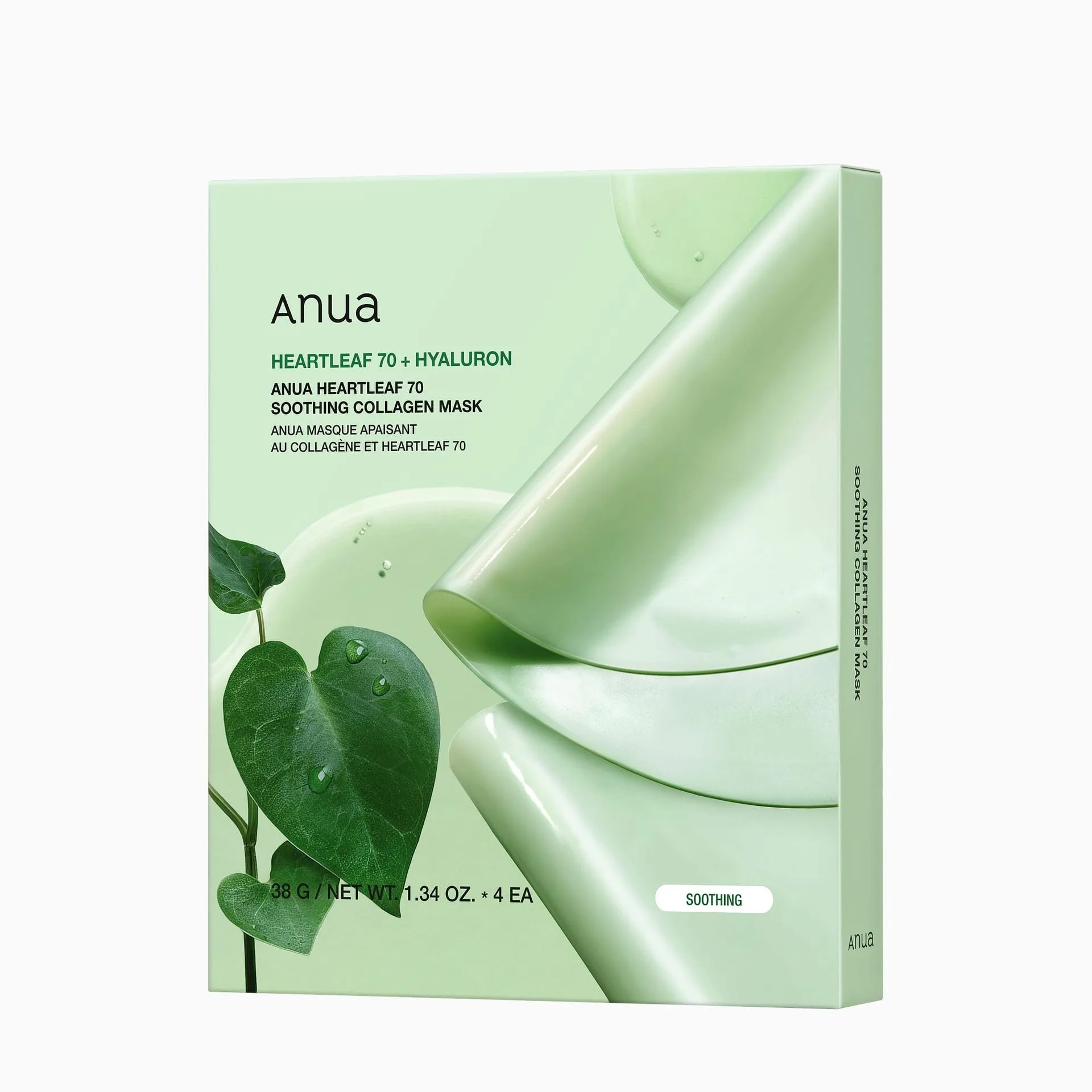
A fantastic option for soothing sensitive skin is the Heartleaf 70 Soothing Collagen Mask. While it’s a sheet mask, it provides intensive, instant relief when your skin is flaring up. For daily care, the Heartleaf 70% Intense Calming Cream is formulated with heartleaf extract to reduce inflammation and strengthen the skin barrier. Its rich yet non-sticky texture locks in moisture without irritation, making it ideal for reactive skin types.
You might also consider a redness-soothing duo. A pre-moisturizer serum with azelaic acid or niacinamide can help calm flushing, followed by a barrier-repairing cream. The Redness Soothing Prep & Boost Duo is designed precisely for this purpose, combining a prep toner and a boosting serum to target redness and sensitivity at their root.
How to Layer Your Moisturizer for Maximum Effect
The order of your skincare products matters. For optimal hydration, follow these steps:
- Cleanse with a gentle, pH-balanced cleanser like the Heartleaf Low pH Deep Cleansing Water, which removes impurities without stripping the skin.
- Tone with a hydrating toner to prep the skin (e.g., the Rice 70 Glow Milky Toner).
- Serum or Ampoule – apply a targeted treatment like the Heartleaf 80% Moisture Soothing Ampoule for extra hydration or the Azelaic Acid 10 Hyaluron Redness Soothing Serum for redness control.
- Moisturizer – seal everything in with a cream or gel suited to your skin type.
- Sunscreen (AM) – always finish with SPF 30+ for daytime protection.
This layering technique ensures each product penetrates effectively and maximizes the benefits of your moisturizer. For added convenience, consider a curated set like the Even Tone & Barrier Set, which includes complementary products designed to work in harmony for balanced, radiant skin.
Common Moisturizer Mistakes to Avoid
Even with the best moisturizer, mistakes can sabotage your results. Here are the most common pitfalls:
- Applying to dry skin – Moisturizer works best on slightly damp skin, which helps lock in more water.
- Using too much or too little – A pea-sized amount is usually enough for the face; more can cause shine or pilling.
- Ignoring your neck and décolletage – These areas show signs of aging too, so extend your moisturizer downward.
- Skipping moisturizer when using acne treatments – Retinoids and acids can be drying; a good moisturizer prevents irritation.
- Choosing by price instead of ingredients – A budget-friendly formula with the right actives beats an expensive one with fillers.
Final Thoughts: Your Skin Type Moisturizer Guide
Selecting a moisturizer is a personal journey, but by understanding your skin’s unique needs, you can make an informed choice. Remember these quick takeaways:
Skin Type
Key Ingredients to Look For
Texture Preference
Dry
Ceramides, hyaluronic acid, squalane, shea butter
Rich cream or balm
Oily
Hyaluronic acid, glycerin, green tea, niacinamide
Gel, water-based lotion
Combination
Niacinamide, squalane, peptides
Medium-weight lotion
Sensitive/Redness
Centella asiatica, madecassoside, allantoin
Soothing cream or balm
No matter your skin type, consistency is key. Give a new moisturizer at least two weeks to show results, and always patch-test if you have sensitive skin. Hydration is not a luxury—it’s a necessity for healthy, glowing skin.
Ready to find your perfect match? Start with a product that aligns with your biggest concern. If redness and irritation are your top priorities, explore the Heartleaf 70% Intense Calming Cream—it’s specifically designed to calm and strengthen sensitive skin, making it an excellent choice for daily use. Your skin will thank you for the care.