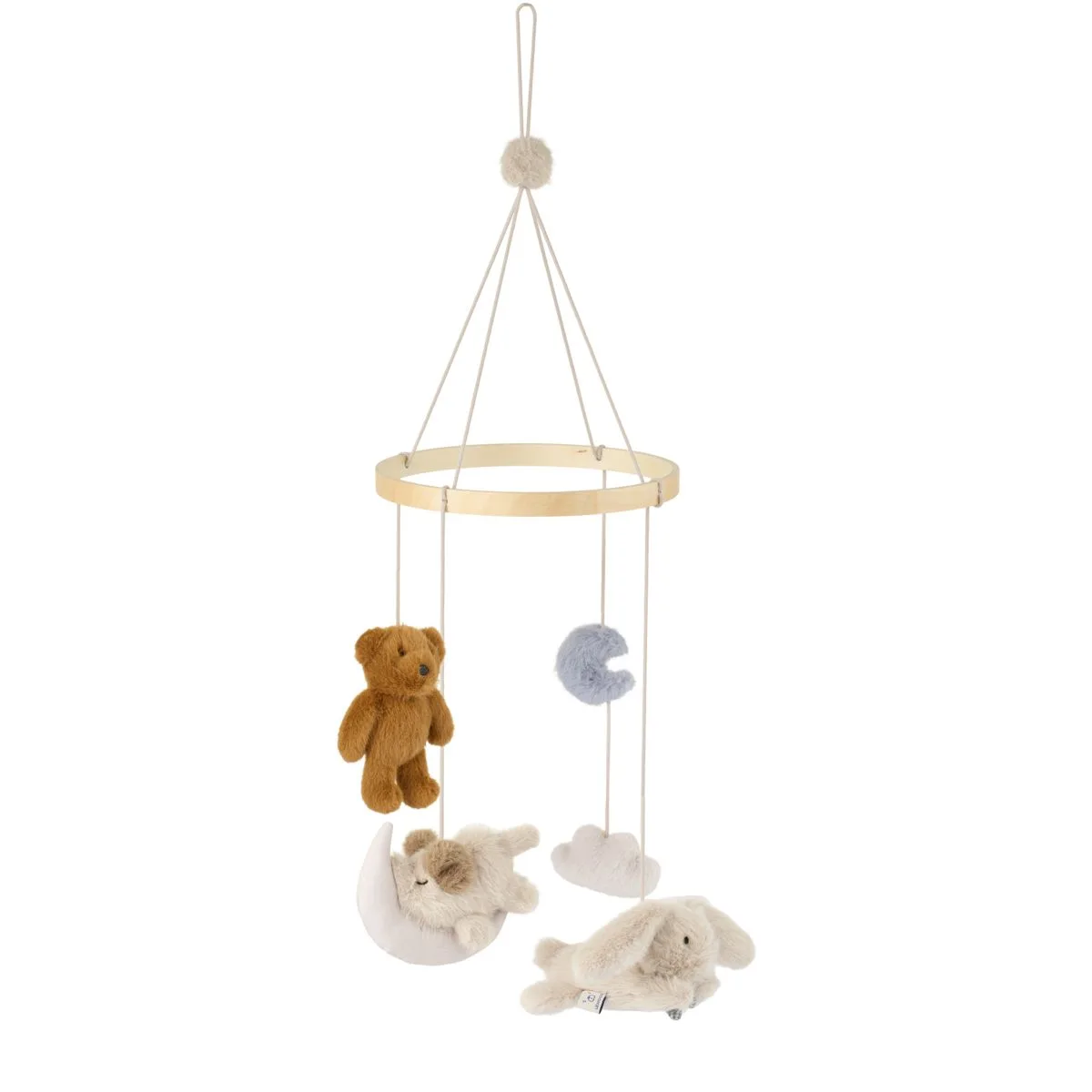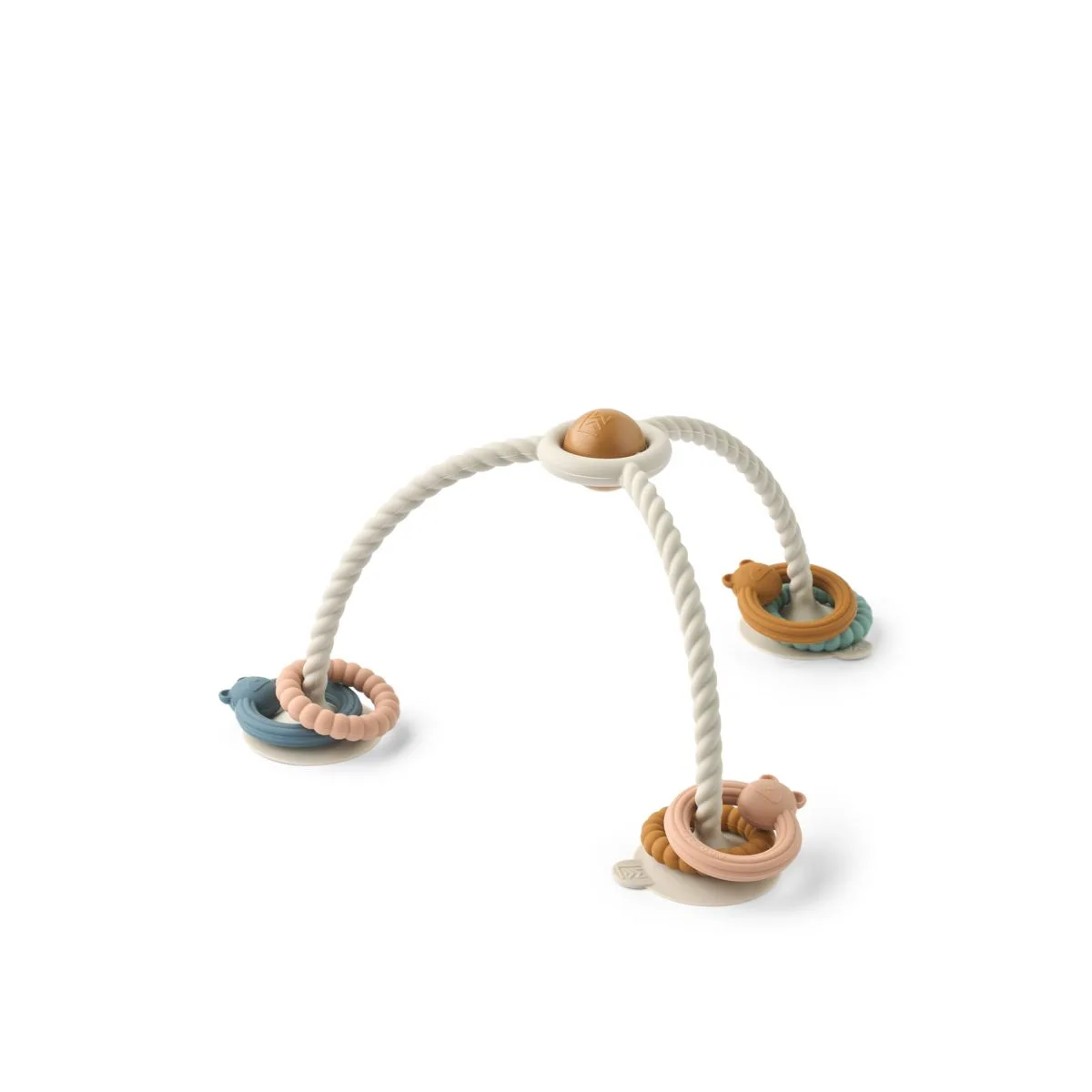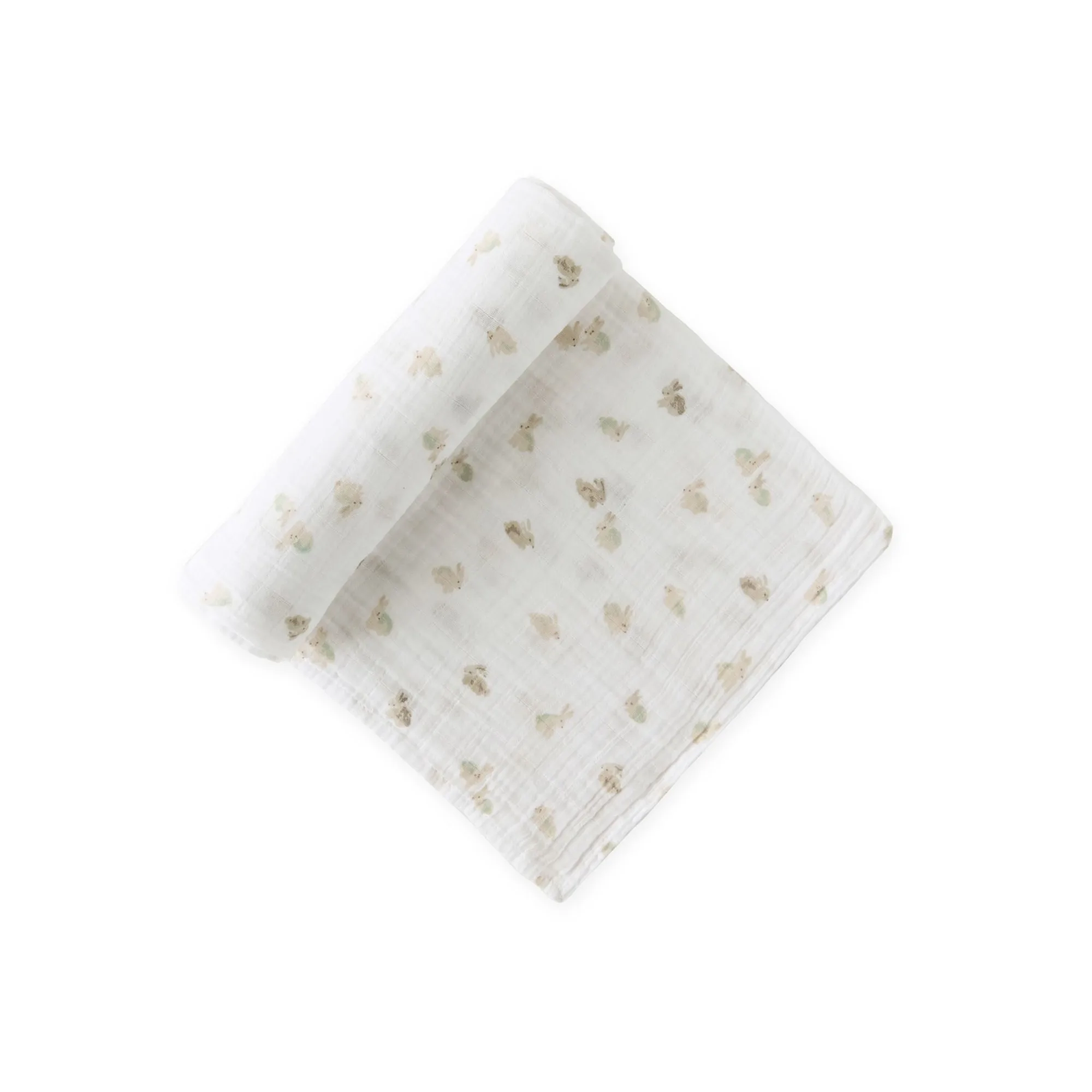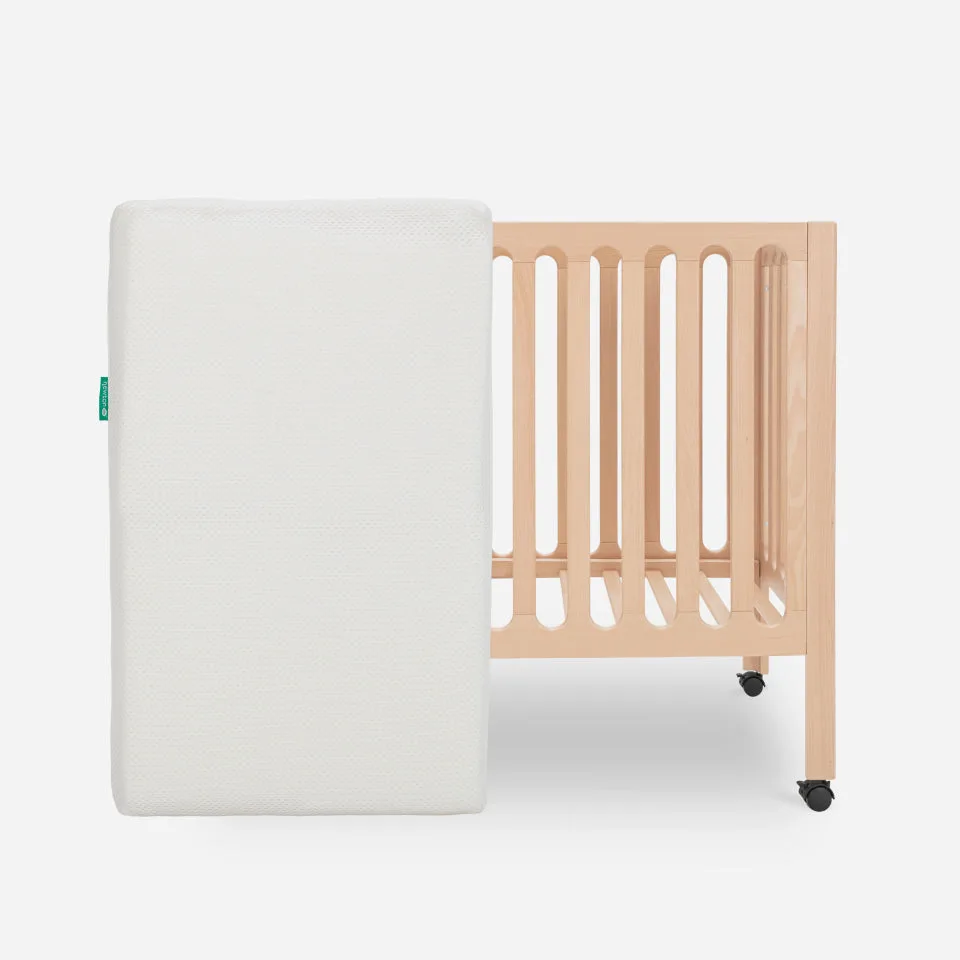
A baby mobile is often one of the first decorative and functional items parents choose for their nursery. It not only adds a whimsical touch to the room but also plays a crucial role in your baby's early development. From stimulating visual tracking to providing soothing comfort, the right mobile can make a world of difference. However, with so many options available, selecting the perfect one can be overwhelming. This guide will walk you through everything you need to know to choose a baby mobile that is safe, engaging, and beautifully complements your nursery decor.
Whether you are a first-time parent or looking to refresh your baby's space, understanding the key features of a good mobile is essential. We will cover different types of mobiles, safety considerations, age-appropriate features, and how to match them with your nursery theme. By the end, you will feel confident in making a choice that both you and your baby will love.
Why a Baby Mobile Matters for Development
A baby mobile is more than just a pretty decoration. During the first few months, your baby's vision is still developing, and high-contrast patterns, bold colors, and gentle movement help stimulate their visual cortex. Mobiles encourage babies to focus, track objects, and eventually reach out, which builds hand-eye coordination. The soft music or nature sounds many mobiles play can also be incredibly calming, helping to establish a soothing sleep routine. For example, a mobile with dangling toys can become a focal point that captures your baby's attention during tummy time or while lying in the crib.
Beyond visual and auditory stimulation, mobiles can also provide a sense of security. The gentle, predictable motion mimics the rocking sensation babies experience in the womb, which can be very comforting. As your baby grows, the mobile can become a source of interactive play, especially if it includes detachable toys or mirrors. Choosing a mobile that grows with your child ensures it remains a valuable part of their environment for months to come.
- Look for mobiles with high-contrast patterns like black and white or bold primary colors for newborns.
- Consider mobiles that play lullabies or white noise to aid sleep and relaxation.
- Ensure the mobile is securely attached to the crib or ceiling to prevent accidents.
Types of Baby Mobiles: Which One Is Right for You?
Baby mobiles come in several styles, each with unique benefits. Crib-mounted mobiles are the most common and attach directly to the side of the crib. They are easy to install and often feature a rotating arm with hanging toys. Ceiling-mounted mobiles are more permanent and can be positioned directly over the changing table or play area. They offer a wider range of motion and can be more dramatic, but require drilling into the ceiling. Floor-standing mobiles are great for playpens or areas without a crib, but they take up floor space.
Another popular option is the musical mobile, which combines visual stimulation with soothing sounds. Some mobiles are battery-operated and feature a timer, while others are wind-up. For a more natural look, consider a wooden or fabric mobile that uses neutral colors and organic materials. The key is to choose a style that fits your nursery layout and your baby's needs. For instance, if you plan to use the mobile primarily during sleep, a gentle rotating mobile with soft music is ideal. If you want to encourage reaching and grabbing, look for one with textured, detachable toys.
- Crib-mounted mobiles are best for small nurseries and easy installation.
- Musical mobiles with a timer can help automate bedtime routines.
- Ceiling-mounted mobiles offer a beautiful focal point but require more setup.
Safety First: What to Look For in a Baby Mobile
Safety is paramount when choosing any baby product, and mobiles are no exception. Always ensure the mobile is securely fastened and out of your baby's reach. The American Academy of Pediatrics recommends removing the mobile once your baby can push up on their hands and knees or pull up to stand, typically around 4-6 months, to prevent strangulation or entanglement. Check that all parts are firmly attached and that there are no small pieces that could become choking hazards.
Look for mobiles made from non-toxic materials, especially if your baby will be mouthing the toys. Many modern mobiles are made from BPA-free plastics, organic cotton, or sustainably sourced wood. Also, consider the weight of the mobile; it should be light enough that if it falls, it won't cause injury. Always follow the manufacturer's instructions for installation and weight limits. Regularly inspect the mobile for wear and tear, and never leave your baby unattended with a mobile that has loose strings or parts.
- Remove the mobile once your baby can sit up or pull to stand.
- Choose mobiles with short, sturdy strings or ribbons to reduce risk.
- Opt for mobiles with a safety clip or lock mechanism for extra security.
Matching Your Mobile to Your Nursery Theme
Your baby mobile can be a beautiful accent that ties your nursery decor together. Whether you have a whimsical woodland theme, a modern minimalist look, or a classic pastel palette, there is a mobile to match. For a nature-inspired nursery, consider a mobile featuring felt animals, leaves, or clouds. For a gender-neutral space, mobiles in shades of gray, mustard, and sage green are popular. If you love a touch of whimsy, a mobile with stars, moons, or soft pom-poms can add a dreamy feel.
When selecting colors, think about what will stimulate your baby. Bold, contrasting colors are great for newborns, while softer pastels can be calming for older infants. You can also coordinate the mobile with other nursery accessories like bedding, rugs, and wall art. For example, a mobile with soft pinks and yellows can complement a floral-themed room. Don't be afraid to mix patterns—a striped mobile can add visual interest to a room with solid-colored walls. The goal is to create a cohesive and inviting space that feels personal and special.
- Use the mobile to introduce a pop of color or a new pattern to the room.
- Consider a DIY mobile if you want a truly unique piece that matches your vision.
- Look for mobiles that can be easily updated with new toys or decorations as your baby grows.
Top Features to Consider When Buying a Baby Mobile
When shopping for a baby mobile, there are several features that can enhance its usefulness. A rotating function is a classic feature that keeps your baby engaged as the toys move in a circle. Some mobiles also have a projection feature that casts stars or shapes onto the ceiling, creating a magical bedtime atmosphere. Volume control and a variety of music options are important for adjusting to your baby's mood. A remote control can be a lifesaver for turning the mobile on and off without disturbing your sleeping baby.
Another great feature is a detachable toy bar. This allows the toys to be used separately for tummy time or play, extending the life of the product. Some mobiles also come with a nightlight, which can be soothing for babies who are afraid of the dark. Battery life is another consideration; look for mobiles that use rechargeable batteries or have a long battery life to avoid frequent changes. Lastly, ease of cleaning is important—choose mobiles with machine-washable fabric toys or easy-to-wipe plastic parts.
- A mobile with a remote control is convenient for parents during nighttime feedings.
- Detachable toys add versatility and can be used for playtime outside the crib.
- Rechargeable batteries save money and reduce waste over time.
When to Introduce and Remove a Baby Mobile
Babies can start benefiting from a mobile from birth, but they will begin to show interest around 2-4 weeks when their vision starts to focus on objects at a distance. The mobile can be a wonderful tool for soothing a fussy baby during the first few months. However, it's crucial to know when to remove it. Once your baby can sit up unassisted or pull themselves up, usually between 5-7 months, the mobile becomes a safety hazard. At this stage, your baby may try to grab it, which could pull it down or cause entanglement.
After removing the mobile, you can repurpose the toys as rattles or teethers if they are safe and detachable. Some parents choose to hang the mobile in a play area or above the changing table, but always ensure it is out of reach. Remember that every baby develops at their own pace, so watch your baby's milestones and adjust accordingly. The mobile is a wonderful tool for the early months, but safety always comes first.
- Introduce the mobile as early as the first few weeks to help with visual tracking.
- Remove the mobile by 5-7 months or when your baby can push up on hands and knees.
- Repurpose detachable toys for on-the-go play or as bath toys.
Choosing the perfect baby mobile involves balancing development, safety, and style. By considering your baby's age, your nursery theme, and the features that matter most, you can find a mobile that will delight both you and your little one. For a beautiful and safe option, explore our collection of baby mobiles that combine gentle movement with soothing melodies. Start your search today and create a magical nursery space your baby will love.