A bread plate may seem like a small detail in your dinnerware collection, but it plays a surprisingly important role in both function and presentation. Whether you're hosting a formal dinner party or enjoying a casual family meal, the right bread plate can enhance your dining experience by providing a dedicated space for bread, butter, or small appetizers. In this guide, we'll walk you through everything you need to know about selecting the perfect bread plate for your dinner set, from size and material to style and coordination.
Choosing a bread plate involves more than just picking a pretty design. You need to consider how it fits with your existing dinner plates, how it feels in your hand, and whether it meets your practical needs. We'll cover the key factors to look for, including diameter, material options like stoneware or porcelain, and how to match your bread plate with other pieces like dinner plates and serveware. By the end, you'll be ready to find the ideal bread plate that complements your table and your lifestyle.
Why a Bread Plate Matters in Your Dinner Set
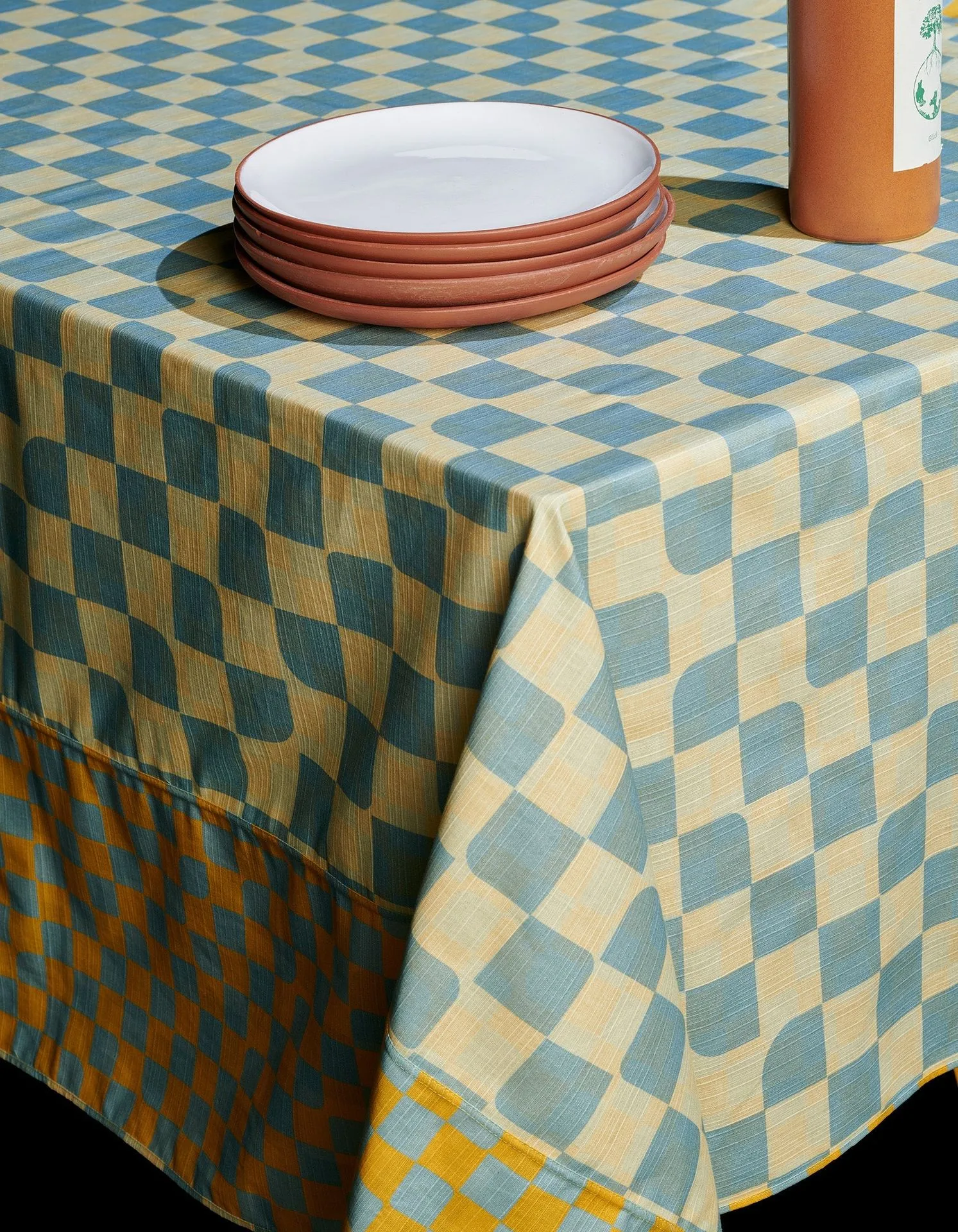
A bread plate serves as a functional anchor on the table, keeping crumbs contained and providing a designated spot for butter or olive oil. It also adds a layer of sophistication to your place setting, signaling attention to detail. When every guest has their own bread plate, it prevents cross-contamination of food and makes serving bread easier during meals.
From a design perspective, a well-chosen bread plate can tie together your entire dinnerware collection. For example, if you have a minimalist white dinner plate set, a slightly textured or handcrafted bread plate can add visual interest without clashing. On the other hand, if you prefer a more cohesive look, selecting a bread plate from the same collection as your main dinnerware ensures perfect harmony.
- Bread plates help reduce mess and keep tables cleaner.
- They offer a personal space for bread, butter, or small starters.
- Coordinating bread plates with your dinner set creates a polished tablescape.
Bread Plate Size: Finding the Right Diameter
Standard bread plates typically range from 5 to 7 inches in diameter. A 6-inch plate is the most common size, providing enough room for a slice of bread and a small butter dish or knife. If you often serve larger bread rolls or artisan loaves, you might prefer a slightly larger plate around 7 inches. Conversely, for smaller breadsticks or crackers, a 5-inch plate works well.
When choosing a size, consider your dinner plate dimensions. A bread plate should be noticeably smaller than your main dinner plate to avoid visual competition. For instance, if your dinner plates are 10.5 inches, a 6-inch bread plate creates a pleasing proportion. The Goun Plate, at around 8 inches, is slightly larger and can double as a small salad or dessert plate if needed, offering versatility.
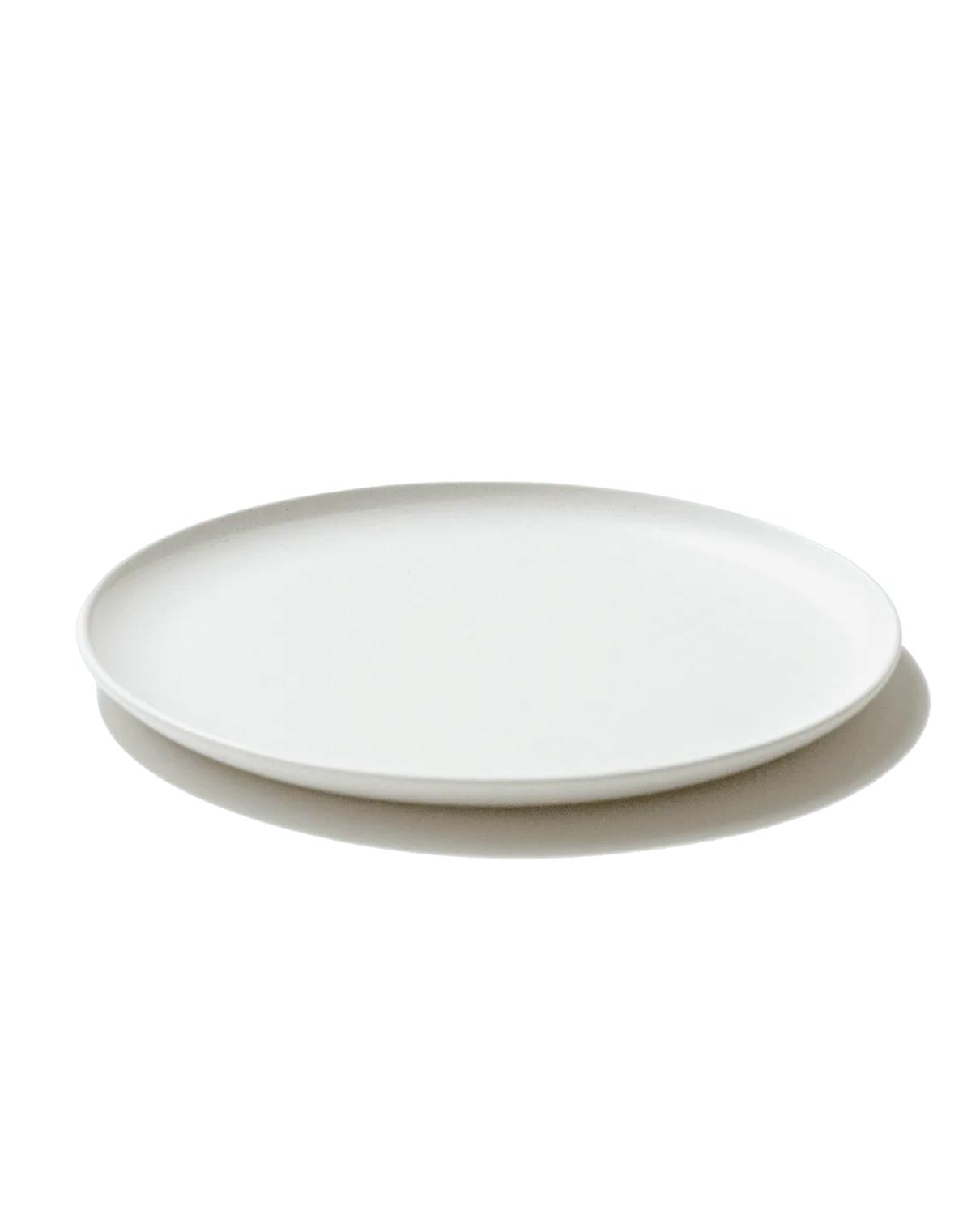
The Goun Plate
- Measure your dinner plate to ensure the bread plate is at least 3-4 inches smaller.
- Consider what you typically serve on the bread plate (rolls, sliced bread, crackers).
- A 6-inch diameter is the most versatile and widely available size.
Material Comparison: Stoneware, Porcelain, and Melamine
The material of your bread plate affects its durability, weight, and appearance. Stoneware is a popular choice for its earthy feel and chip resistance. It often features reactive glazes that give each piece a unique look, making it ideal for rustic or farmhouse-style tables. Porcelain, on the other hand, is lighter, more refined, and typically more resistant to staining and scratching. It works well for formal or modern settings.
For outdoor dining or families with young children, melamine bread plates are a practical alternative. They are virtually unbreakable, lightweight, and available in many colors and patterns. However, they lack the elegance of ceramic options. If you prefer a natural, handcrafted aesthetic, consider stoneware pieces like The Goun Plate, which offers a beautiful matte finish and subtle texture that elevates any bread course.
- Stoneware: durable, unique glazes, heavier, chip-resistant.
- Porcelain: lightweight, elegant, stain-resistant, best for formal settings.
- Melamine: unbreakable, dishwasher-safe, great for casual or outdoor use.
Coordinating Bread Plates with Your Dinnerware Collection
To create a cohesive table setting, your bread plates should complement your dinner plates without being identical. One approach is to choose a bread plate from the same collection or brand, ensuring a perfect match in shape, color, and finish. Alternatively, you can mix and match by selecting a bread plate that shares a similar material or glaze but in a contrasting color or pattern.
For example, if your dinner set features white porcelain plates, adding a bread plate with a subtle rim or hand-painted detail can introduce character. The Serve Platter, while larger, can inspire your choice of shape and texture for smaller pieces. When in doubt, opt for neutral tones like cream, grey, or soft blue, which pair well with most dinnerware and allow the food to remain the star.
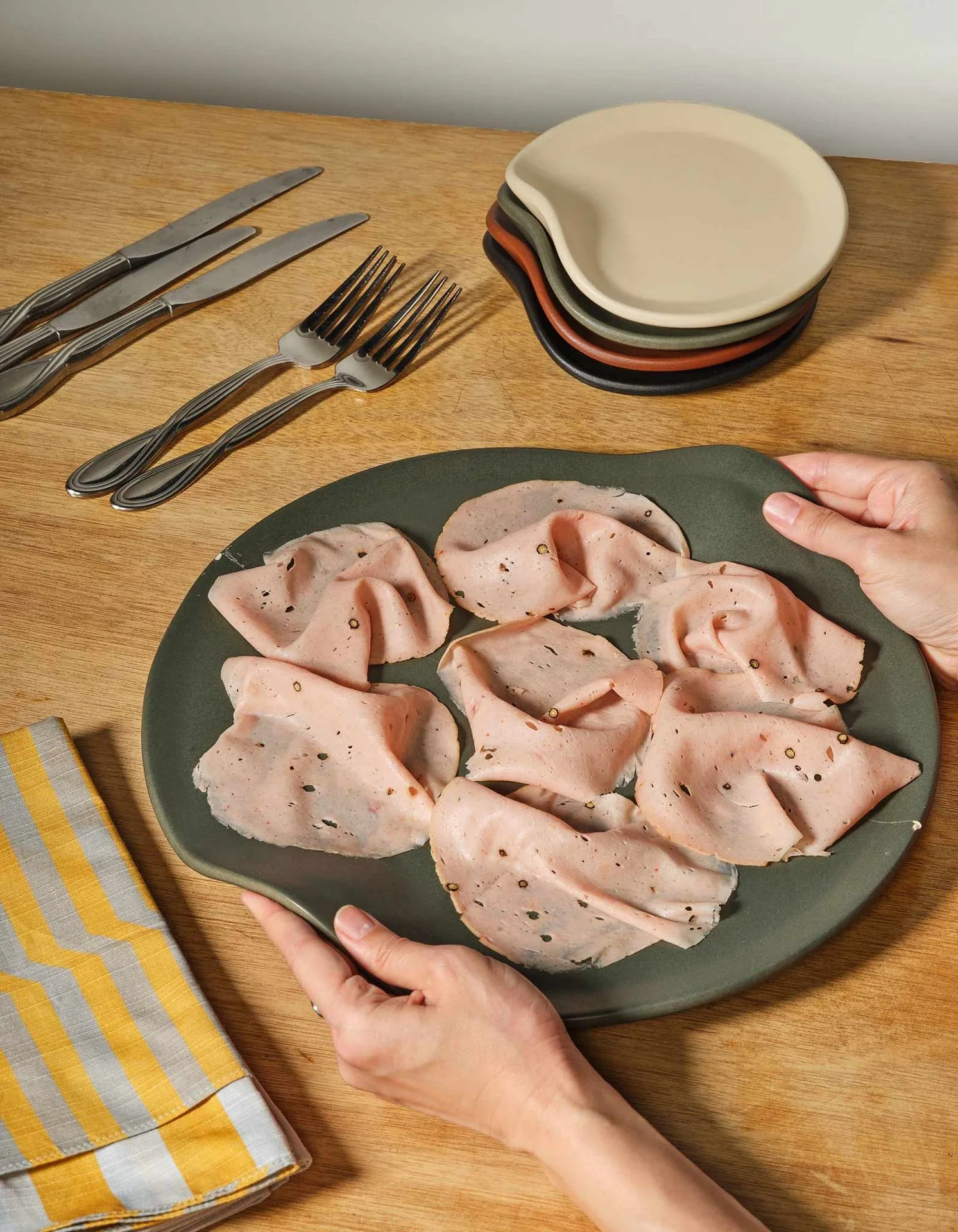
Serve Platter
- Match the bread plate's shape (round, square, or oval) to your dinner plates for a unified look.
- Use contrasting colors or textures to add visual interest.
- Consider buying a set that includes bread plates for guaranteed coordination.
Practical Tips for Using and Caring for Bread Plates
To keep your bread plates looking their best, follow the care instructions specific to the material. Most stoneware and porcelain bread plates are dishwasher-safe, but hand washing is recommended for pieces with metallic accents or delicate glazes. Avoid stacking heavy items on top of bread plates to prevent scratching or chipping. Store them in a cabinet with felt dividers or between soft linens.
When setting the table, place the bread plate to the upper left of the dinner plate, above the forks. This follows traditional etiquette and keeps the arrangement intuitive for guests. If you're serving butter, provide a small butter knife on the bread plate or a separate butter dish. For a casual meal, you can skip the bread plate and use the dinner plate's edge, but having a dedicated bread plate adds a touch of elegance.
- Hand wash bread plates with decorative glazes to preserve their finish.
- Store with soft separators to avoid scratches.
- Place bread plates at the upper left of the dinner plate for proper table setting.
Choosing the perfect bread plate for your dinner set is a small but impactful decision that enhances both the functionality and beauty of your table. Whether you prefer the handcrafted charm of stoneware or the sleek simplicity of porcelain, the right bread plate will elevate every meal. Explore our collection of dinnerware and serveware to find pieces that inspire your next gathering, and consider adding The Goun Plate to your set for a versatile and stylish option that works beautifully for bread and beyond.