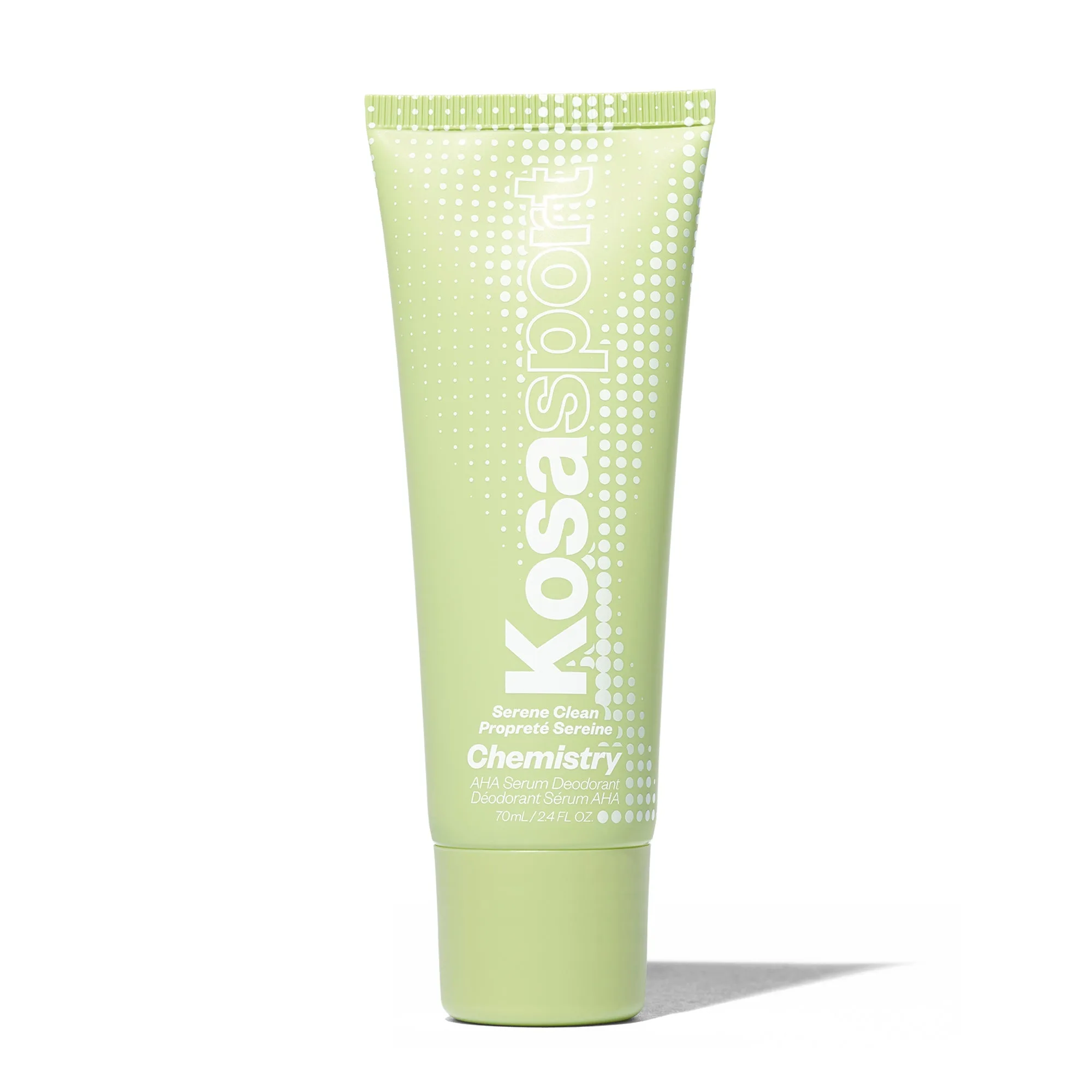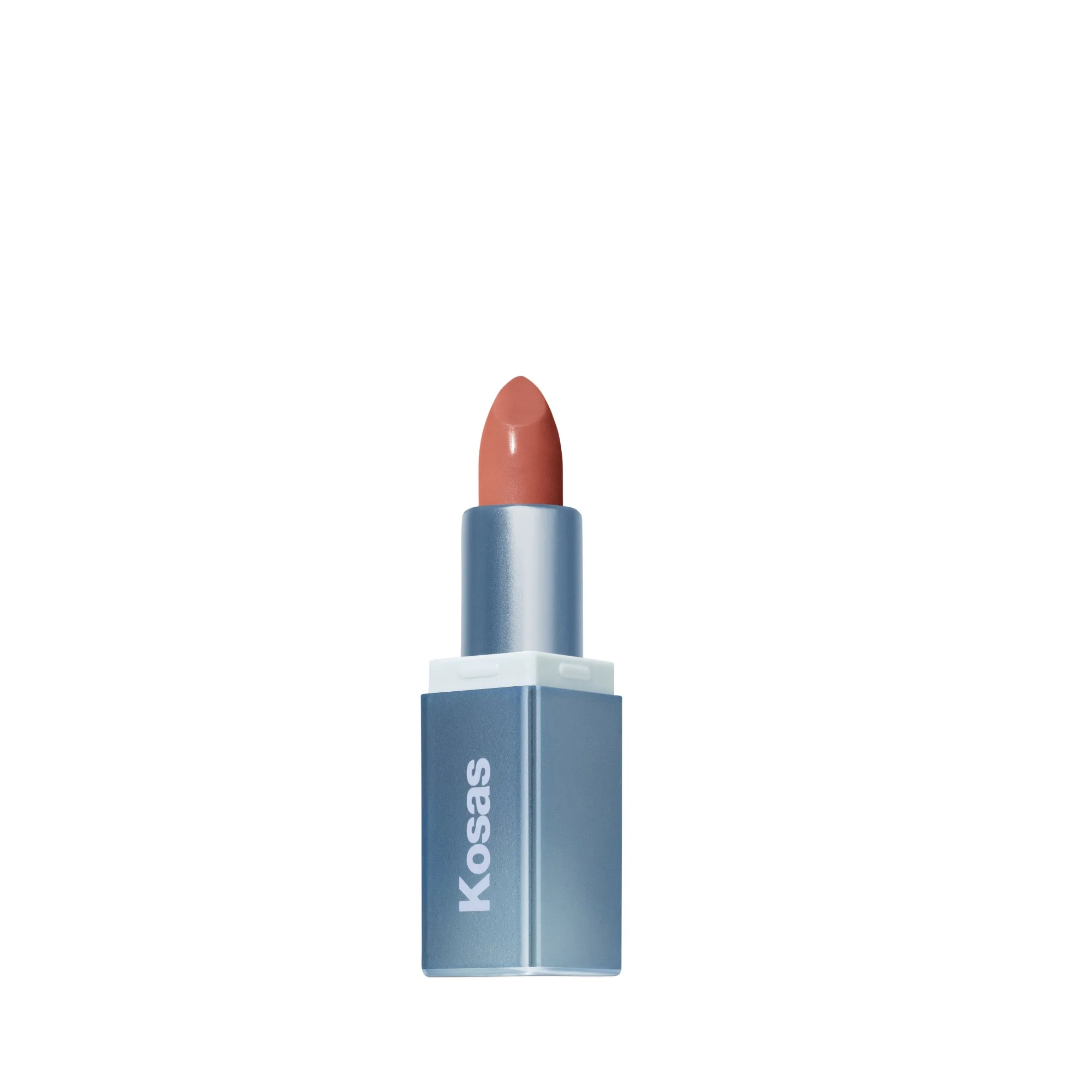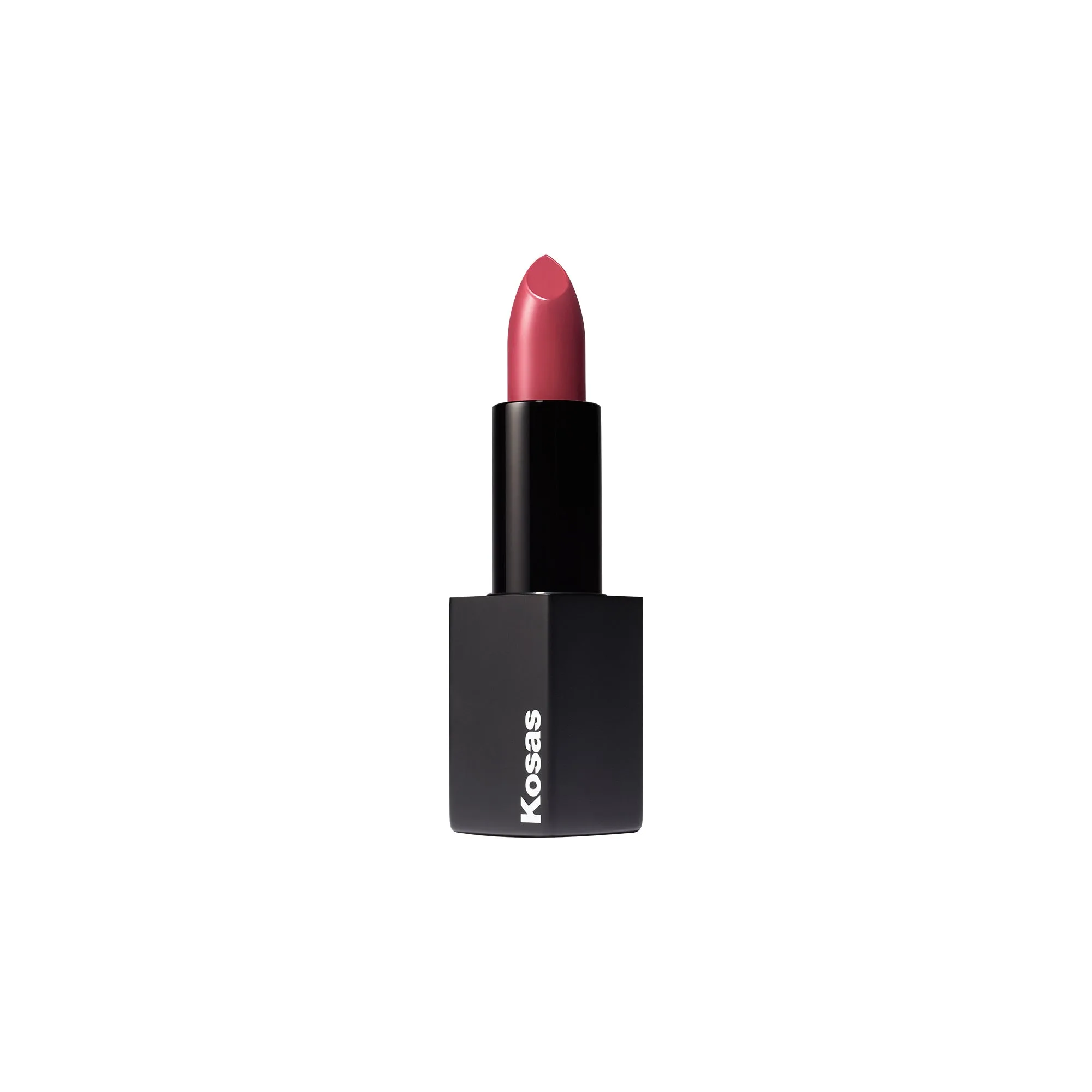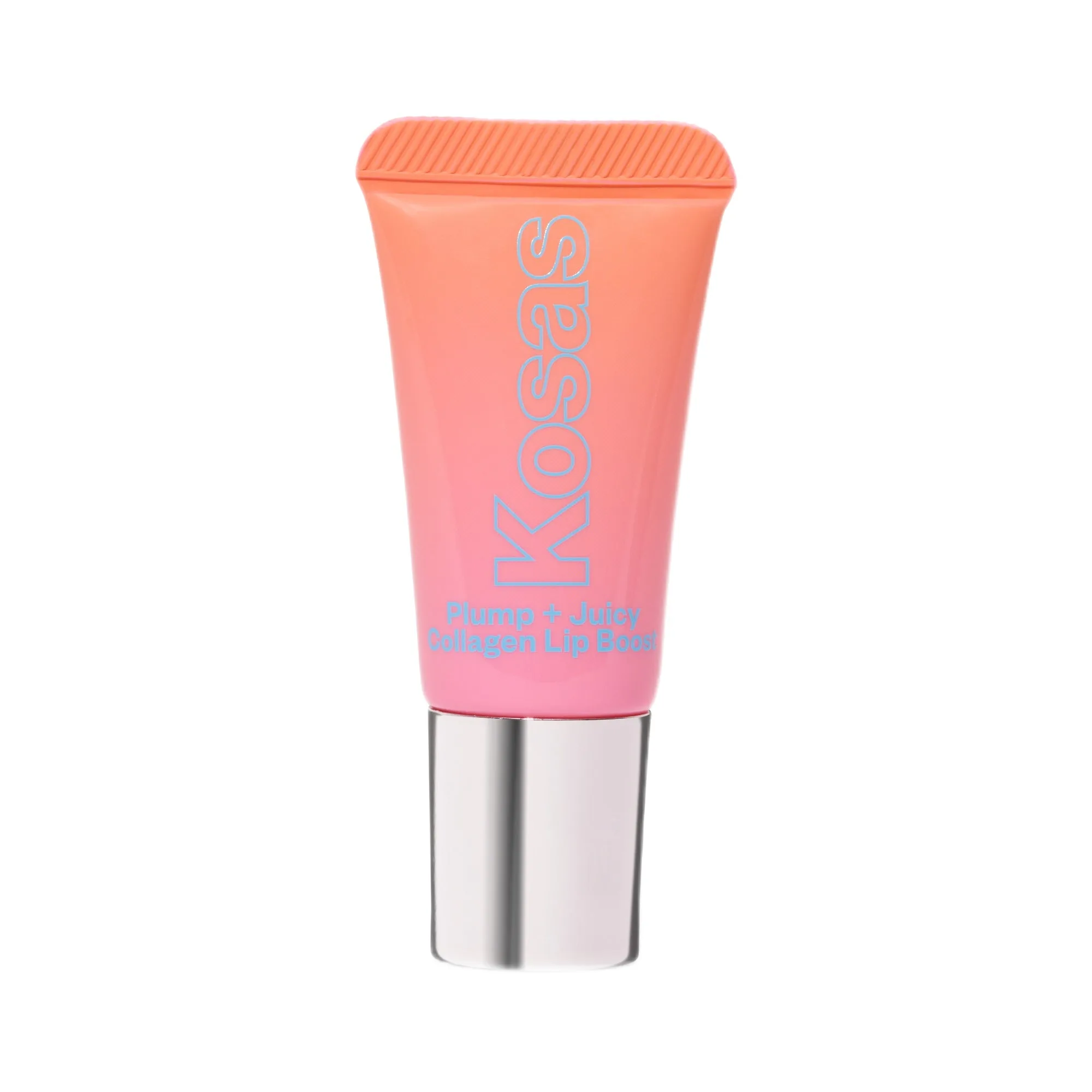
Clean beauty has become one of the most buzzed-about terms in the cosmetics industry, but what does it actually mean? For many, it conjures images of minimalist packaging, plant-based ingredients, and a promise of safety. But the reality is more nuanced—and more important—than a simple label. At Kosas, we believe that makeup should be 100% makeup and 100% skincare, meaning every product is formulated with skin-healthy ingredients that perform beautifully. In this clean beauty guide, we'll unpack the definition, explore the science behind non-toxic cosmetics, and show you how to make informed choices for your skin and the planet.
Whether you're a longtime clean beauty enthusiast or just starting to question what's in your makeup bag, this guide will help you navigate the landscape with confidence. From understanding ingredient labels to discovering standout products like LipFuel Lip Balm and soulgazer-mascara-115832">Mini Soulgazer Mascara, we'll cover everything you need to know to embrace a cleaner, more conscious beauty routine.
What Is Clean Beauty? Defining the Movement
At its core, clean beauty refers to products made without ingredients that are known or suspected to be harmful to human health or the environment. This typically includes parabens, phthalates, sulfates, synthetic fragrances, and certain preservatives. However, there is no single regulatory definition, which means the term can be used loosely. That's why it's essential to look beyond marketing claims and examine a brand's transparency and ingredient philosophy. Kosas, for example, is committed to formulating with skin-nourishing ingredients that are safe, effective, and clinically tested. We avoid over 1,400 questionable ingredients, ensuring that every product—from our Cloud Set Loose Powder to our LipFuel Lip Balm—is as good for your skin as it is for your makeup look.
Clean beauty also emphasizes sustainability, ethical sourcing, and cruelty-free practices. Many clean brands prioritize eco-friendly packaging and carbon-neutral shipping. The movement is not just about avoiding toxins; it's about embracing a holistic approach to beauty that respects both the wearer and the world. For consumers, this means doing a bit of homework—reading ingredient lists, understanding certifications, and supporting brands that align with your values. But the payoff is significant: healthier skin, peace of mind, and a smaller environmental footprint.
- Look for brands that disclose full ingredient lists and avoid vague terms like 'fragrance' or 'parfum'.
- Check for third-party certifications like EWG Verified, Leaping Bunny, or USDA Organic for added assurance.
- Remember that 'natural' doesn't always mean safe—some natural ingredients can be irritants. Focus on non-toxic formulations instead.
Why Non-Toxic Cosmetics Matter for Your Skin and Health
Your skin is your body's largest organ, and it absorbs a significant portion of what you put on it. Many conventional cosmetics contain ingredients that can disrupt hormones, cause allergic reactions, or accumulate in the body over time. Parabens, for instance, are preservatives that mimic estrogen and have been linked to reproductive issues. Phthalates, often found in synthetic fragrances, are endocrine disruptors. By choosing non-toxic cosmetics, you reduce your exposure to these potentially harmful substances and support your body's natural detoxification processes. Kosas formulates with safe, effective alternatives—like using natural preservatives and essential oils—so you can enjoy high-performance makeup without compromise.
Beyond individual health, the clean beauty movement has broader implications. Many conventional ingredients, such as microplastics and certain chemical sunscreens, can harm aquatic life and pollute waterways. By opting for clean, biodegradable formulas, you contribute to a healthier planet. Kosas is committed to sustainability, using recyclable packaging and partnering with carbon-neutral shipping initiatives. When you choose clean beauty, you're not just caring for your skin—you're making a conscious choice for the environment.
- Prioritize products that are free from parabens, phthalates, sulfates, and synthetic fragrances.
- Consider your skin type and concerns—clean beauty offers options for sensitive, acne-prone, and aging skin alike.
- Start small: swap one product at a time, like your mascara or lip balm, to ease the transition.
How to Build a Clean Makeup Routine: Key Products to Consider
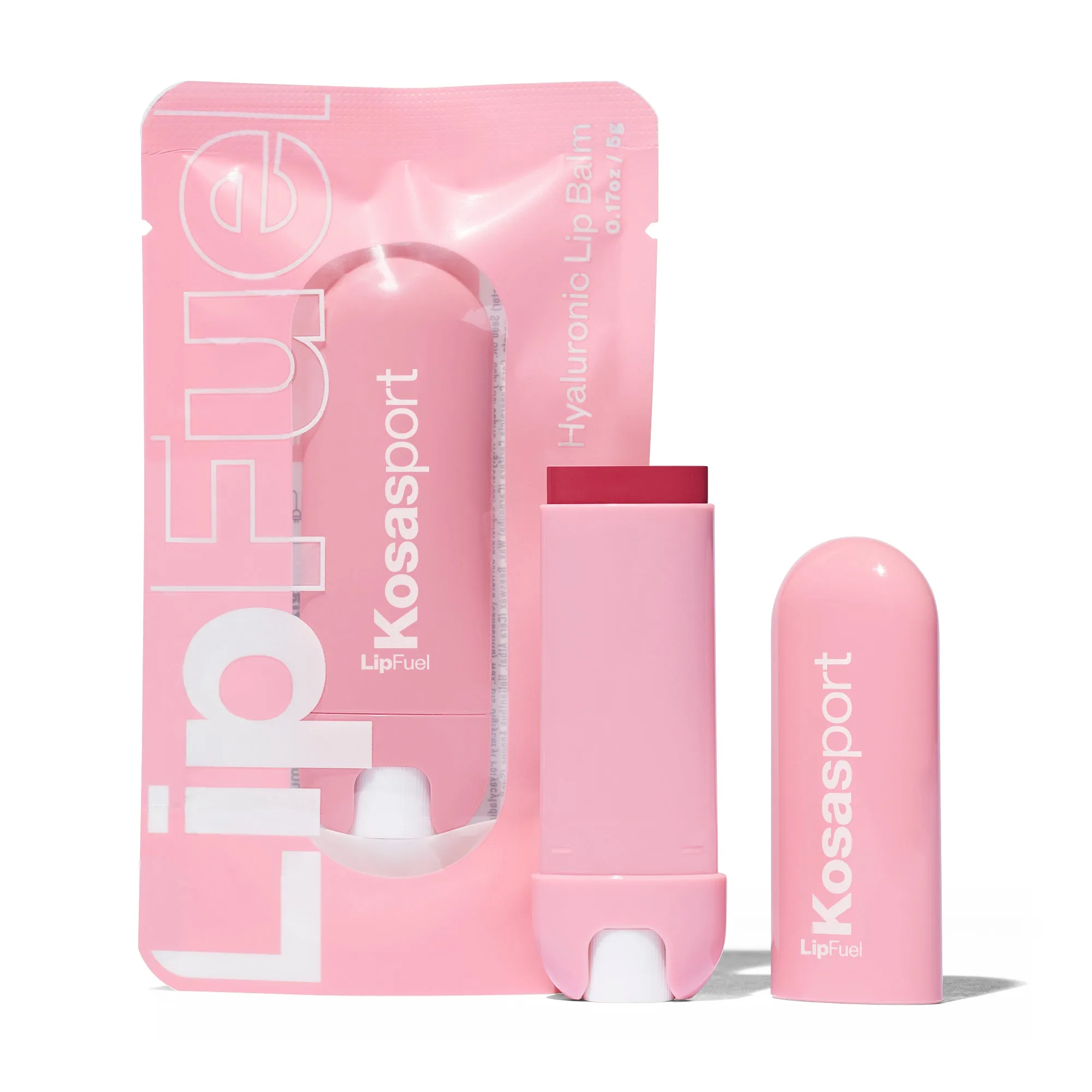
Transitioning to a clean makeup routine doesn't have to be overwhelming. Begin with the products that have the most contact with your skin—like foundation, concealer, and lip products. Kosas offers a range of clean, multitasking formulas that simplify your routine while delivering real skincare benefits. For example, our LipFuel Lip Balm is a hydrating, non-toxic lip treatment that soothes and protects with shea butter and jojoba oil. It's a perfect everyday essential that keeps lips soft and healthy. For eyes, the Mini Soulgazer Mascara provides dramatic volume and length without harsh chemicals, thanks to its clean, nourishing formula that conditions lashes over time.
Next, consider your base. A clean setting powder like Cloud Set Loose Powder helps lock in makeup while absorbing excess oil—without talc or synthetic fillers. And don't forget your brows: clean brow gels and pencils can define and groom without irritating the delicate skin around your eyes. The key is to look for products that are transparent about their ingredients and that perform as well as—or better than—their conventional counterparts. Kosas makes it easy with clearly labeled, skin-first formulations that deliver the results you expect from high-end cosmetics.
- Start with lip and eye products, as they are applied to sensitive areas and are often ingested or absorbed.
- Choose multitasking products like tinted moisturizers or lip-and-cheek stains to minimize your routine.
- Always patch test new clean products, especially if you have sensitive skin, to ensure compatibility.
Decoding Ingredient Labels: What to Look For and What to Avoid
Reading ingredient labels can feel like learning a new language, but a few key tips can make it manageable. First, familiarize yourself with common red flags: parabens (methylparaben, propylparaben), phthalates (often hidden in 'fragrance'), sodium lauryl sulfate (SLS), and synthetic dyes (FD&C colors). Also watch for formaldehyde-releasing preservatives like DMDM hydantoin and quaternium-15. Clean beauty brands avoid these entirely. Instead, they use gentle alternatives like phenoxyethanol (in low concentrations), natural tocopherols (vitamin E), and plant-based emulsifiers. Kosas provides full ingredient lists on every product page, so you can verify exactly what you're applying.
On the positive side, look for ingredients that benefit your skin. Hyaluronic acid, niacinamide, peptides, and ceramides are common in clean skincare-makeup hybrids. Kosas' LipFuel Lip Balm, for instance, includes shea butter, jojoba oil, and aloe vera—ingredients known for their moisturizing and soothing properties. By focusing on what's inside the bottle rather than just the marketing claims, you can make empowered choices that align with your health and beauty goals. Remember: a shorter ingredient list is often a good sign, but it's the quality of each ingredient that truly matters.
- Use apps like Think Dirty or EWG's Healthy Living to scan products and get safety ratings on the go.
- Avoid products with 'fragrance' or 'parfum' unless the brand specifies the exact natural oils used.
- Prioritize brands that are transparent about their sourcing and manufacturing processes.
Clean beauty is more than a trend—it's a conscious choice to prioritize your health, your skin, and the planet. By understanding what clean really means, you can curate a routine that feels good and performs even better. Ready to upgrade your makeup bag with non-toxic, high-performance formulas? Start with a product that touches your lips daily: explore the LipFuel Lip Balm and experience clean beauty that truly cares.