A bathroom exhaust fan is your first line of defense against humidity, odors, and mold. But when dust and grime build up on the fan blades and housing, the fan struggles to move air efficiently. The result? Poor ventilation, higher energy bills, and a breeding ground for allergens. Cleaning your bathroom exhaust fan is a simple DIY task that can dramatically improve indoor air quality and prolong the life of the fan.
In this guide, we'll walk you through every step of cleaning a bathroom exhaust fan safely and effectively. You'll learn the best tools and cleaners to use—including the versatile Bar Keeper's Friend products that cut through grease and soap scum without scratching delicate surfaces. Whether you're a seasoned cleaner or a first-timer, these tips will help you breathe easier.
Why Cleaning Your Bathroom Exhaust Fan Matters
Over time, bathroom exhaust fans accumulate a thick layer of dust, lint, and even mold spores. This debris clogs the fan blades and motor, forcing the fan to work harder and reducing its airflow by up to 50 percent. A dirty fan also circulates stale, musty air instead of pulling moisture out of the room, which can lead to peeling paint, warped wood, and persistent mildew.
Beyond structural damage, poor ventilation affects your health. High humidity encourages dust mites and mold growth, both common triggers for allergies and asthma. Regular cleaning of your exhaust fan ensures it operates at peak efficiency, keeping your bathroom dry and your indoor air fresh. For best results, pair your cleaning routine with a dedicated bathroom cleaner like Bar Keeper's Friend cleanser-95386">Soft Cleanser, which gently removes soap scum without harsh fumes.
- Improved airflow reduces humidity and prevents mold.
- Clean fan blades lower energy consumption and noise.
- Regular maintenance extends the life of your exhaust fan.
Step-by-Step Guide to Cleaning Your Bathroom Exhaust Fan
Before you start, turn off the power to the fan at the circuit breaker to avoid electrical shock. Use a sturdy step stool or ladder to access the fan cover, which typically snaps off or is held by spring clips. Remove the cover and set it aside. If your fan has a plastic housing, you can often detach it by unscrewing a few screws.
Vacuum the fan housing and blades using a brush attachment to remove loose dust. For stubborn grime, dampen a microfiber cloth with water and a drop of mild dish soap. Avoid getting moisture into the motor. For a deeper clean, use Bar Keeper's Friend Cleanser—its non-abrasive formula lifts baked-on dirt and soap residue from fan grilles and covers without scratching plastic or metal surfaces.
- Always disconnect power before cleaning.
- Use a vacuum with a brush attachment for initial dust removal.
- Apply a gentle cleaner to the cover and blades—avoid the motor.
Choosing the Right Cleaner for Your Fan Components
Not all cleaners are safe for bathroom exhaust fan parts. Harsh chemicals can damage plastic covers or leave behind residue that attracts more dust. For the fan cover—which is often plastic or metal—opt for a non-toxic cleaner that cuts through grease without corroding the material. Bar Keeper's Friend Soft Cleanser is an excellent choice because it's safe on multiple surfaces and rinses clean.
If your bathroom fan grille is made of stainless steel or has a painted finish, you can use Bar Keeper's Friend Stainless Steel Cleaner & Polish to restore shine and protect against future grime buildup. This product not only cleans but also leaves a protective barrier that repels dust and moisture, making future cleanings easier.
- Avoid bleach and ammonia-based cleaners on plastic parts.
- Use a soft sponge or microfiber cloth to prevent scratches.
- Rinse thoroughly and dry completely before reassembling.
How Often Should You Clean Your Bathroom Exhaust Fan?
For optimal performance, clean your bathroom exhaust fan every three to six months. If your bathroom is used heavily or you have pets, consider cleaning it every two months. Signs that your fan needs attention include increased noise, reduced airflow, or visible dust on the grille. A quick monthly visual check can help you stay ahead of buildup.
In addition to fan cleaning, maintain good bathroom ventilation by running the fan during and for 20 minutes after showers. Pair this habit with regular cleaning of other bathroom surfaces using products like Bar Keeper's Friend Superior Multi-Purpose Cleaner, which tackles soap scum and hard water stains on sinks, tubs, and tiles.
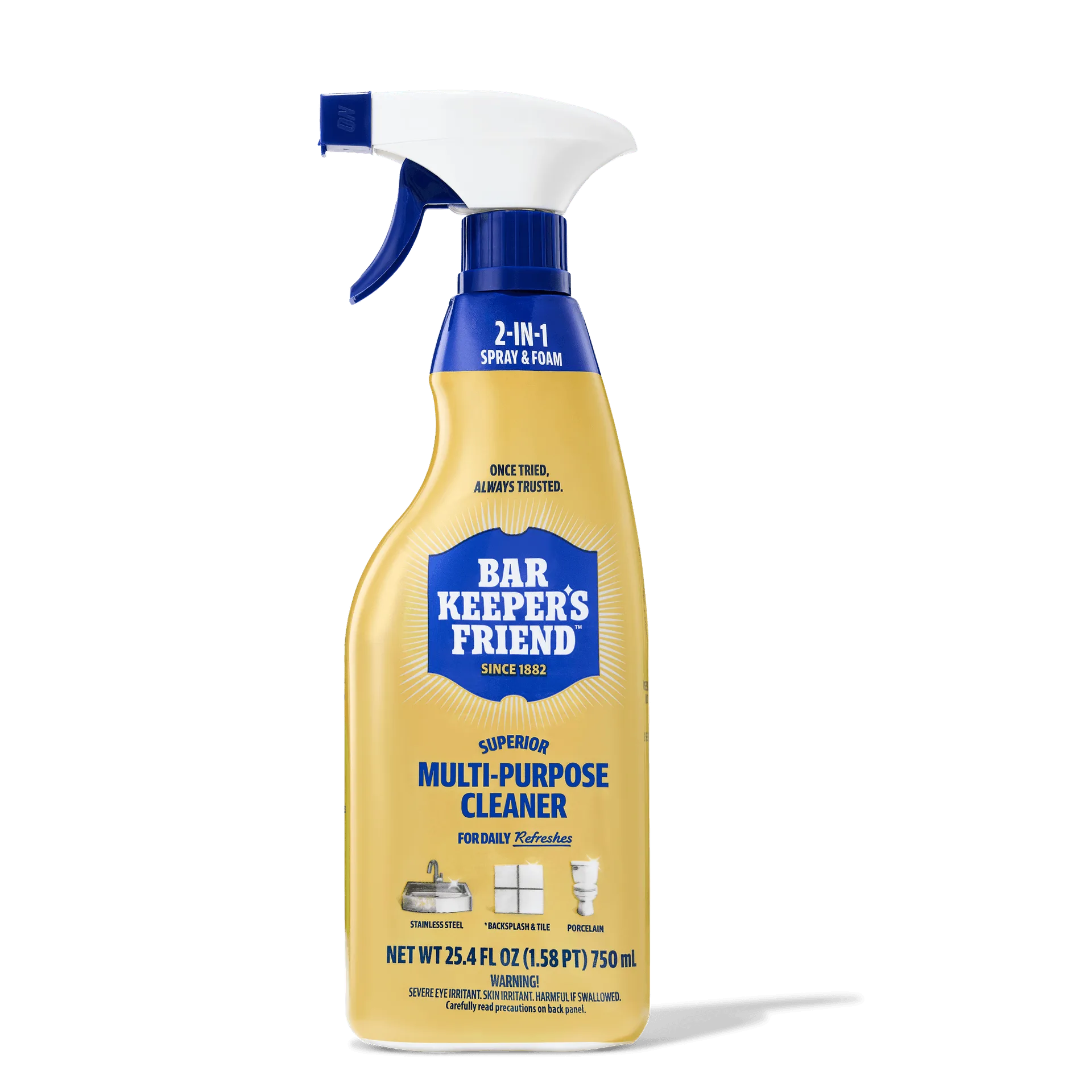
Superior Multi-Purpose Cleaner
- Set a reminder to clean the fan every 3–6 months.
- Run the fan for 20 minutes after each shower.
- Wipe the grille monthly with a damp cloth to prevent dust accumulation.
Cleaning your bathroom exhaust fan is a quick, cost-effective way to improve indoor air quality and protect your home from moisture damage. By incorporating the right tools and cleaners—like Bar Keeper's Friend Soft Cleanser for gentle scrubbing and Stainless Steel Cleaner & Polish for a protective finish—you can keep your fan running efficiently for years. Make this simple task part of your regular cleaning routine, and you'll enjoy a fresher, healthier bathroom every day.