A glass cooktop adds a sleek, modern look to any kitchen, but keeping it spotless can feel like a losing battle. Burnt-on spills, greasy smudges, and stubborn water marks often leave behind streaks or fine scratches that dull the surface. The good news? With the right techniques and a gentle yet powerful glass cooktop cleaner, you can restore that mirror-like shine without damaging the ceramic glass.
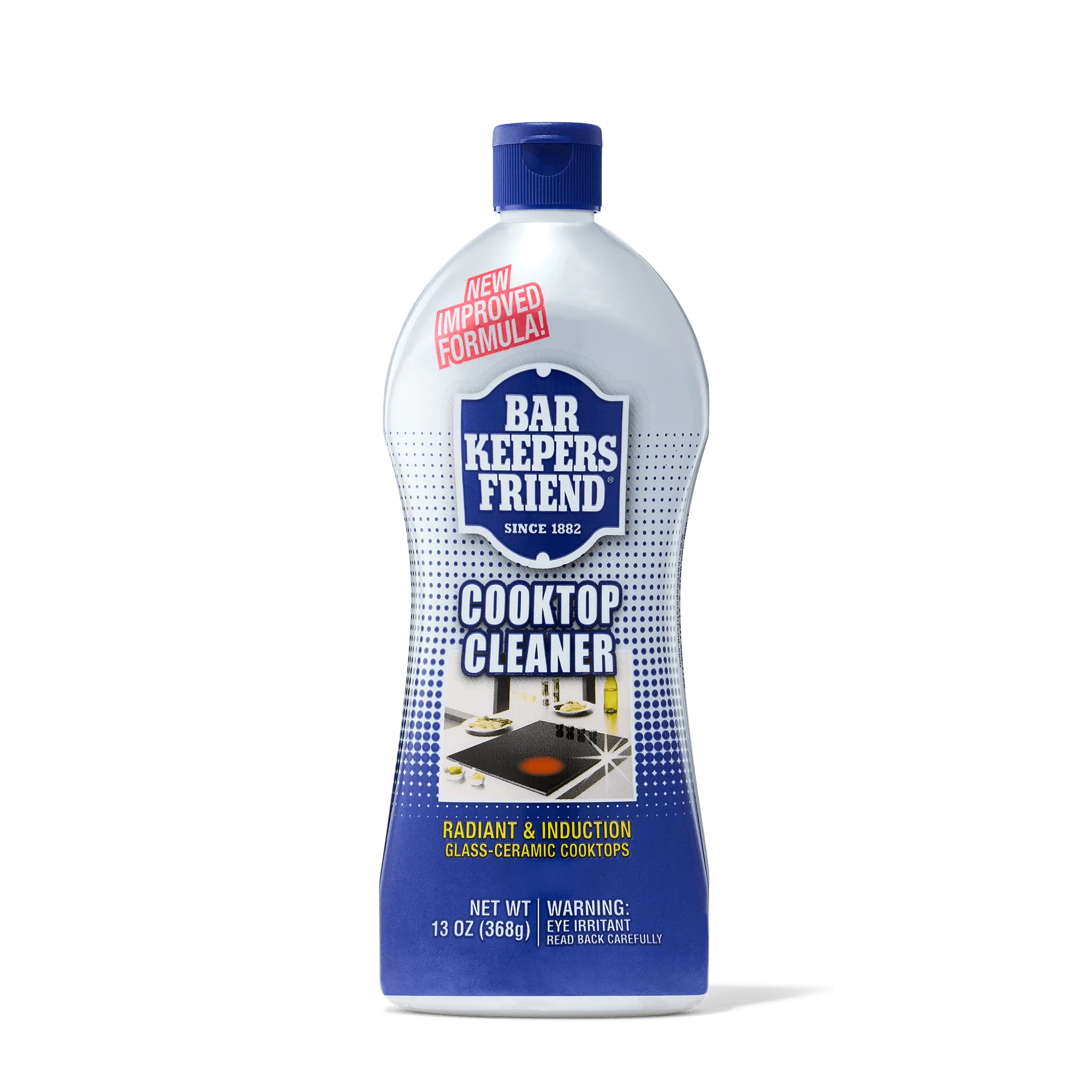
cooktop cleaner
In this guide, we’ll walk you through everything you need to know about cleaning a glass cooktop safely. From daily maintenance to tackling baked-on messes, you’ll learn how to avoid common mistakes and achieve a streak-free finish every time. Plus, we’ll highlight a few trusted products from Bar Keeper's Friend that make the job easier and more effective.
Why Glass Cooktops Need Special Care
Glass ceramic cooktops are durable but surprisingly delicate. Unlike traditional coil or gas burners, the smooth surface can be easily scratched by abrasive pads or harsh cleaning powders. Even small grit particles left from food can act like sandpaper when you wipe the stove. That’s why it’s essential to use a non-abrasive glass cooktop cleaner that lifts grime without etching the glass.
Additionally, many household cleaners contain ammonia or bleach, which can discolor or weaken the ceramic surface over time. A dedicated cleaner formulated for glass cooktops is your safest bet. For example, Bar Keeper's Friend cleanser-95386">Soft Cleanser is a gentle, non-scratch formula that works wonders on glass stoves without leaving micro-scratches.
- Always let the cooktop cool completely before cleaning to avoid thermal shock or burns.
- Never use steel wool, scouring pads, or harsh abrasive powders on a glass cooktop.
Step-by-Step: How to Clean a Glass Cooktop Like a Pro
Start by removing loose debris. Use a soft, damp microfiber cloth to wipe away crumbs and spills. For sticky or burnt-on residue, apply a small amount of Soft Cleanser directly to the surface. Let it sit for 30 seconds to loosen the grime, then gently scrub with a non-abrasive sponge or a cooktop scraper (plastic blade). Wipe clean with a damp cloth.
Next, tackle any remaining streaks or haze. Dampen a fresh microfiber cloth with water and add a drop of dish soap. Wipe the entire cooktop, then buff dry with a clean, lint-free cloth. For an extra glossy finish, you can use a specialized polish like Bar Keeper's Friend Stainless Steel Cleaner & Polish — it’s designed for metal but also works beautifully on glass cooktops to remove fingerprints and add shine.
- Use a plastic cooktop scraper for burnt-on food — hold it at a 45-degree angle to avoid scratching.
- Always wipe in one direction (e.g., left to right) to avoid redistributing grease.
Best Products for a Streak-Free Glass Cooktop
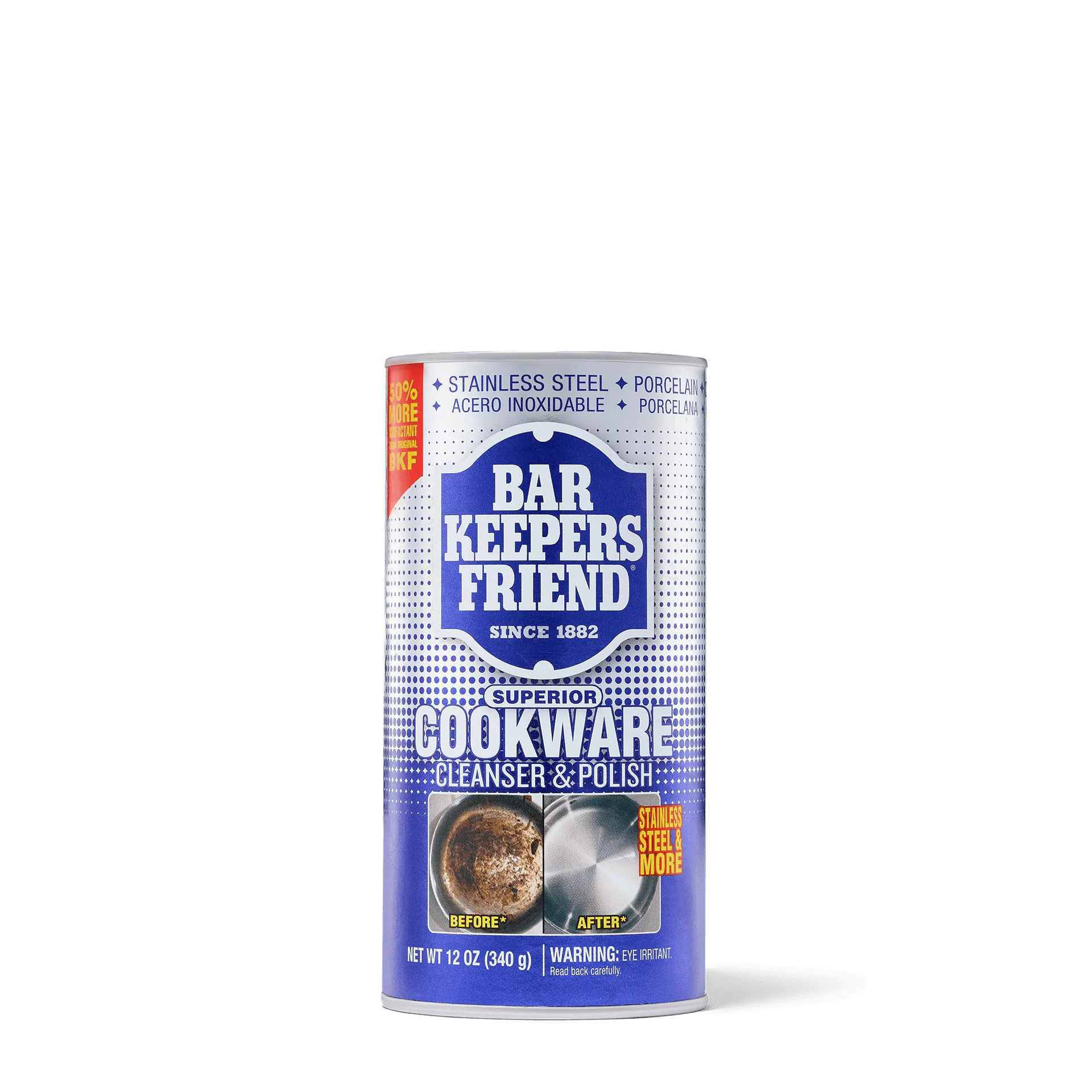
When it comes to choosing a glass cooktop cleaner, you want something that cuts through grease and baked-on residue without leaving a film. Bar Keeper's Friend offers several options that fit the bill. The Soft Cleanser is a top pick for daily cleaning because it’s gentle yet effective. For tougher jobs, the Cookware Cleanser & Polish works wonders on burnt-on stains and restores shine to both cookware and cooktops.
If you prefer a spray cleaner, the Superior Multi-Purpose Cleaner is a versatile choice that can be used on glass cooktops, countertops, and more. It’s non-abrasive and leaves a streak-free finish. Avoid using standard glass cleaners with ammonia, as they can damage the ceramic surface over time.
- Soft Cleanser: Ideal for everyday spills and light burnt-on food.
- Cookware Cleanser & Polish: Great for heavy-duty cleaning and restoring shine.
- Superior Multi-Purpose Cleaner: A convenient spray option for quick touch-ups.
Common Mistakes to Avoid When Cleaning a Glass Cooktop
Many people reach for all-purpose cleaners or vinegar solutions, but these can leave a dull haze or even etch the glass. Vinegar is acidic and can damage the ceramic coating if used regularly. Similarly, baking soda paste can be too abrasive if not rinsed thoroughly. Stick to products specifically labeled as safe for glass cooktops.
Another mistake is using too much cleaner. Excess product can bake onto the surface during the next use, creating a sticky residue that attracts more dirt. Use a small amount — a dime-sized drop is usually enough. Finally, never use the cooktop while it’s still wet from cleaning; always dry it completely before turning on the heat.
- Avoid ammonia-based cleaners, vinegar, and baking soda on glass cooktops.
- Always dry the surface thoroughly to prevent water spots and mineral deposits.
Daily Maintenance Tips for a Like-New Glass Cooktop
The easiest way to keep your glass cooktop streak-free is to clean it after every use. Once the surface has cooled, wipe it down with a damp microfiber cloth and a small amount of Soft Cleanser. This prevents food from baking on and makes deep cleaning sessions much easier. For a quick polish between meals, a dry microfiber cloth can remove fingerprints and smudges.
If you notice stubborn stains or a cloudy film, it’s time for a deeper clean. Use the Cookware Cleanser & Polish with a non-abrasive sponge, then buff with a clean cloth. For extra protection, consider applying a thin layer of cooktop polish after cleaning — this creates a barrier that repels spills and makes future cleaning faster.
- Wipe spills immediately after cooking (once the surface cools) to prevent burning.
- Keep a dedicated microfiber cloth near the stove for quick daily wipes.
Achieving a streak-free, scratch-free glass cooktop doesn’t have to be complicated. With the right tools and a little know-how, you can keep your stove looking as good as new for years. For a reliable, gentle, and effective solution, try Bar Keeper's Friend Soft Cleanser — it’s the perfect everyday partner for a sparkling clean cooktop. Explore the full range of cleaning products at Bar Keeper's Friend and find the perfect match for your kitchen.