Hardwood floors add warmth and elegance to any home, but keeping them clean and protected requires the right approach. While traditional mopping can leave behind excess water and residue, a steam mop offers a smarter, more efficient solution. With the power of steam, you can lift dirt, kill germs, and restore your floors' natural beauty without harsh chemicals.
In this comprehensive guide, we'll walk you through everything you need to know about using a steam mop on hardwood floors. From preparation and technique to product recommendations and maintenance tips, you'll be equipped to achieve professional-level results at home. Whether you're a first-time steam mop user or looking to refine your routine, this guide has you covered.
Why Choose a Steam Mop for Hardwood Floors?
Steam mops are a game-changer for hardwood floor care. Unlike traditional mops that can saturate wood with water—leading to warping, cupping, or mold growth—steam mops use controlled, low-moisture steam that evaporates quickly. This makes them safe for sealed hardwood floors when used correctly. The high temperature of steam also sanitizes surfaces, eliminating up to 99.9% of germs and bacteria without the need for chemical cleaners.
Another advantage is efficiency. A steam mop combines scrubbing, steaming, and drying into one swift motion. You can clean large areas in less time than with a bucket and mop, and there's no rinsing or wringing involved. For pet owners or families with allergies, steam mops are especially beneficial because they trap and remove allergens like dust mites and pet dander without dispersing them into the air.
- Always check your floor's finish: steam mops are safe for sealed hardwood but not for unsealed or waxed floors.
- Use distilled water in your steam mop to prevent mineral buildup and extend the life of the appliance.
How to Prepare Your Hardwood Floors Before Steaming
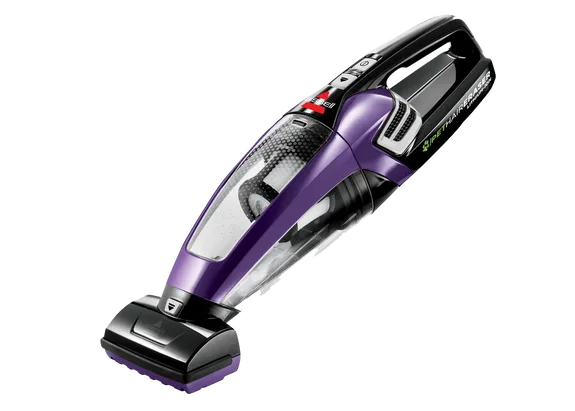
Preparation is key to achieving a streak-free, spotless finish. Start by sweeping or vacuuming the floor to remove loose dirt, dust, and pet hair. If you skip this step, debris can get trapped under the steam mop pad and scratch the floor's surface. A cordless stick vacuum like the PowerClean Cordless Stick Vacuum is ideal for quick pickups before steaming, thanks to its lightweight design and powerful suction.
Next, inspect your floors for any existing damage. Look for cracks, gaps, or areas where the finish has worn away. Steam can exacerbate these issues, so it's best to address repairs beforehand. Also, ensure the room is well-ventilated to help the steam evaporate quickly. Open windows or turn on a fan to speed up drying time and prevent moisture from settling into the wood.
- Use a microfiber dust mop or vacuum with a hard floor setting to avoid scratching.
- Move area rugs and furniture out of the way to clean the entire surface evenly.
Step-by-Step: Using a Steam Mop on Hardwood Floors
Once your floor is prepped, fill your steam mop's water tank with distilled water. Avoid using tap water, as minerals can leave white streaks or clog the steam nozzle. Plug in the mop and allow it to heat up—most models take about 15 to 30 seconds. Attach a clean microfiber pad designed for hardwood floors. Some steam mops come with multiple pad options, so choose the one labeled for delicate surfaces.
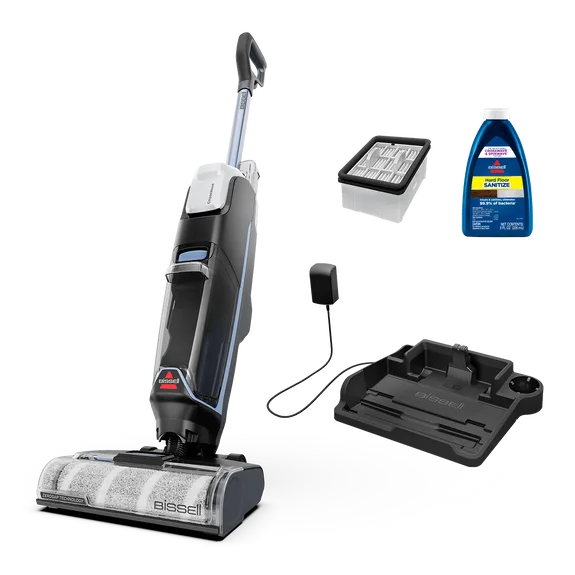
Begin mopping in a corner of the room and work your way toward the exit to avoid stepping on wet areas. Glide the mop slowly and steadily, overlapping each pass slightly to ensure even coverage. For tough spots or sticky residue, pause briefly over the area to let the steam loosen the grime. After each use, remove and wash the pad according to the manufacturer's instructions. A model like the PowerFresh Vac & Steam All-in-One Vacuum and Steam Mop offers the added benefit of vacuuming and steaming simultaneously, saving even more time.
- Never let the steam mop sit stationary on one spot for more than a few seconds to avoid moisture damage.
- Rinse pads thoroughly after each use to prevent dirt from being redeposited on the floor.
Common Mistakes to Avoid When Steam Cleaning Hardwood
Even with the best intentions, mistakes can happen. One of the most common errors is using too much steam. While steam mops are designed to release minimal moisture, over-wetting the pad or using the highest steam setting on delicate floors can still cause problems. Always start with the lowest steam setting and increase only if needed. Another mistake is neglecting to clean the pad between rooms—especially if you've been mopping a kitchen or entryway where grease and dirt accumulate.
It's also important to avoid using steam mops on unsealed or waxed hardwood floors. The heat and moisture can penetrate the wood, causing it to swell or discolor. If you're unsure about your floor's finish, test a small, inconspicuous area first. Finally, don't combine steam cleaning with chemical floor cleaners. Most steam mops are designed to work with water only, and adding chemicals can damage the machine or leave a sticky residue.
- Always read your steam mop's manual to confirm it's safe for your specific floor type.
- Replace worn or dirty pads regularly to maintain cleaning performance.
Maintaining Your Hardwood Floors Between Deep Cleans
To keep your hardwood floors looking their best, establish a regular maintenance routine. Daily or every-other-day sweeping or vacuuming with a soft-bristle attachment will prevent grit from scratching the finish. For weekly cleaning, a steam mop can be used to refresh the surface and remove any buildup from foot traffic. However, avoid steaming more than once a week to prevent overexposure to moisture.
In high-traffic areas, consider placing doormats at entrances to trap dirt before it reaches the floor. Use felt pads under furniture legs to prevent scratches, and clean up spills immediately to avoid staining. For deeper cleaning every few months, a dedicated hardwood floor cleaner can be used in conjunction with a microfiber mop. The TurboClean Upright Carpet Cleaner is an excellent option for area rugs and carpets, but for hardwood, stick with a steam mop designed for sealed surfaces.
- Keep humidity levels in your home between 30% and 50% to prevent wood from expanding or contracting.
- Avoid using wax or oil-based polishes on floors cleaned with steam, as they can create a slippery film.
A steam mop is one of the most effective tools for keeping your hardwood floors clean, sanitized, and beautiful. By following the tips in this guide—prepping properly, choosing the right settings, and maintaining a regular routine—you can enjoy gleaming floors without the hassle of traditional mopping. Ready to upgrade your cleaning arsenal? Explore the PowerFresh Vac & Steam All-in-One Vacuum and Steam Mop for a powerful, convenient solution that vacuums and steams in one pass.