Coffee capsules have revolutionized the way we brew — offering convenience, consistency, and a fresh cup every time. But with billions of capsules ending up in landfills each year, the environmental impact can't be ignored. If you're a coffee lover who cares about the planet, you're probably wondering: can coffee capsules be recycled? The short answer is yes — but it takes a little know-how.
In this guide, we'll walk you through everything you need to know about coffee capsule recycling, from understanding materials to practical disposal steps. Whether you use aluminium, plastic, or compostable capsules, we've got sustainable coffee tips that make a real difference. Plus, we'll show you how to enjoy your favourite brews — like the rich 026 - Ethiopia/Yemen Blend — while keeping your eco-footprint small.

026 - Ethiopia/Yemen Blend
Why Coffee Capsule Recycling Matters
Every year, billions of single-use coffee capsules are produced globally. Most are made from a mix of plastic and aluminium, materials that can take centuries to break down in landfill. When not recycled properly, these capsules contribute to microplastic pollution and resource waste. Recycling coffee capsules helps recover valuable materials like aluminium, which can be reused infinitely without losing quality.
Beyond material recovery, recycling reduces the demand for virgin resources and cuts greenhouse gas emissions associated with mining and manufacturing. For specialty coffee enthusiasts, choosing a brand that prioritises sustainability — like Colonna Coffee — means you can enjoy exceptional taste without the guilt. Even small changes, like recycling your capsules, add up to a big impact over time.
- Aluminium capsules can be recycled indefinitely — recycling one tonne saves over 90% of the energy needed to produce new aluminium.
- Plastic capsules are harder to recycle but many brands now offer take-back schemes or use recyclable #5 plastic (polypropylene).
Types of Coffee Capsules and Their Recyclability
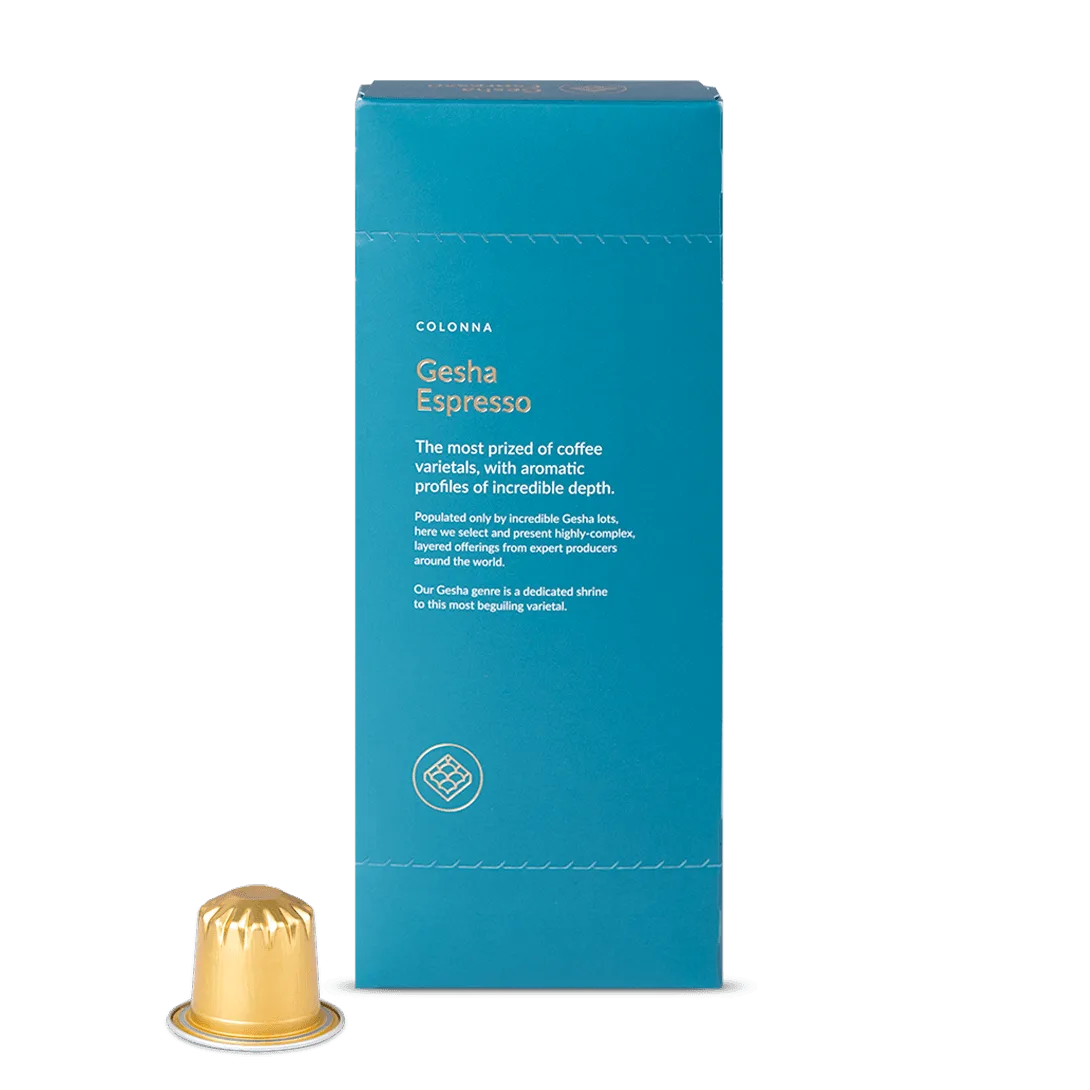
Not all coffee capsules are created equal. The three main types are aluminium, plastic, and compostable. Aluminium capsules — like those used for many espresso blends — are widely recyclable if cleaned and sorted correctly. Plastic capsules are trickier but can be recycled through specialised programmes. Compostable capsules sound ideal, but they often require industrial composting facilities, which aren't available everywhere.
For the most eco-friendly option, look for capsules made from 100% aluminium with a clear recycling label. Many specialty roasters now offer capsule recycling programmes where you can return used capsules by mail. If you're brewing at home, you can also switch to a reusable capsule system and fill it with your favourite ground coffee — like the smooth and complex 026 - Ethiopia/Yemen Blend — for a zero-waste experience.
- Always check the bottom of your capsule for a recycling symbol (e.g., ALU for aluminium, PP for polypropylene).
- Rinse capsules after use to remove coffee grounds — this prevents contamination in the recycling stream.
Step-by-Step Guide to Recycling Coffee Capsules at Home
Recycling coffee capsules at home is easier than you think. Start by letting your used capsule cool completely. Then, separate the aluminium or plastic lid from the body — most lids are aluminium and can be recycled separately. Empty the coffee grounds into your compost bin or food waste collection (coffee grounds are nitrogen-rich and great for soil). Rinse the empty capsule to remove residue, then place it in your recycling bin with other metal or plastic items.
If your local recycling programme doesn't accept capsules, don't worry — many roasters offer free return labels. Collect your used capsules in a sealed bag and mail them to a dedicated recycling facility. Some brands even partner with companies like Terracycle to ensure zero waste. For the most sustainable approach, consider pairing your capsule habit with a reusable option — like the PUSH Tamper for perfect espresso prep — and buy whole beans to grind fresh.
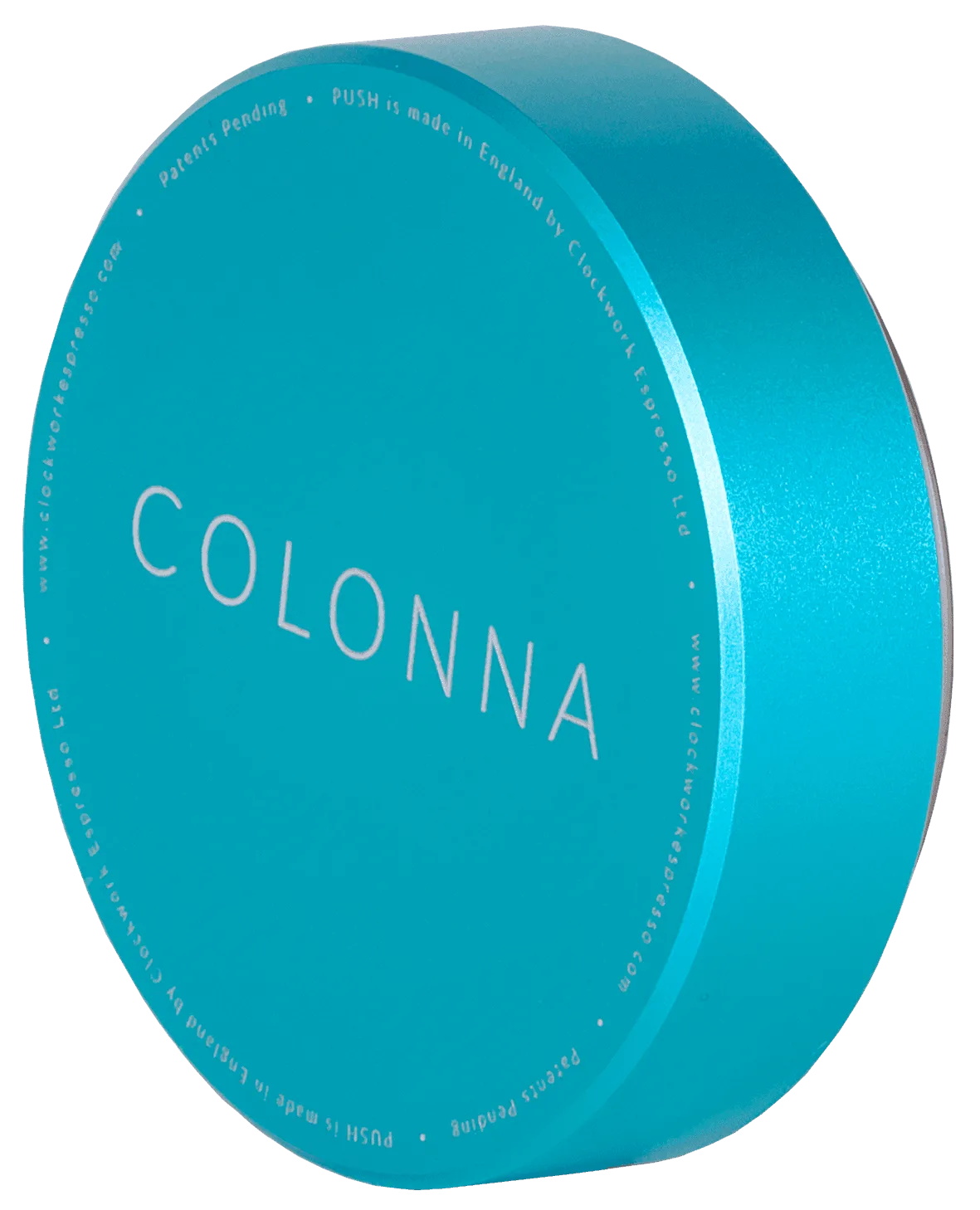
PUSH Tamper
- Use a small container to collect used capsules — rinse them all at once to save water.
- Check your local council's recycling guidelines — some accept capsules in kerbside bins, others don't.
Choosing Sustainable Coffee Capsules and Alternatives
When shopping for coffee capsules, look for brands that are transparent about their packaging and offer recycling solutions. Many specialty roasters now sell capsules in 100% recyclable aluminium with clear instructions. You can also explore compostable capsules made from plant-based materials, but verify that they are certified for home composting (e.g., EN 13432) if that's your goal.
Another excellent way to reduce waste is to switch to a capsule-free brewing method. Pour-over, French press, or espresso machines with a portafilter let you use fresh grounds with zero packaging waste. If you love the convenience of capsules but want to be more eco-friendly, consider a reusable stainless steel capsule that you can fill with your favourite coffee — like the vibrant 026 - Ethiopia/Yemen Blend — and enjoy a guilt-free cup every time.
- Look for the 'ALU' recycling symbol on aluminium capsules — it means they can go in most kerbside bins.
- Reusable capsules work with many popular machines and pay for themselves after about 50 uses.
Common Myths About Coffee Capsule Recycling
Myth 1: All coffee capsules are recyclable. Not true — many plastic capsules are not accepted in standard recycling streams due to their small size and mixed materials. Always check the label. Myth 2: You can't recycle capsules if they have coffee grounds inside. Actually, you can — just empty and rinse them first. Myth 3: Recycling capsules uses more energy than it saves. In reality, recycling aluminium saves 95% of the energy needed to make new aluminium from raw materials.
Myth 4: Compostable capsules are always better. While they break down faster than plastic, many require industrial composting facilities that aren't widely available. If they end up in landfill, they may not degrade properly. The best approach is to reduce your reliance on single-use capsules altogether, or choose a brand with a robust take-back programme. Knowledge is power — and every recycled capsule counts.
- Aluminium can be recycled infinitely without losing quality — it's one of the most sustainable materials.
- Some brands offer free recycling envelopes — just collect, seal, and post.
Recycling your coffee capsules doesn't have to be complicated. With a few simple steps — rinsing, separating, and checking local guidelines — you can enjoy your daily espresso while protecting the planet. At Colonna Coffee, we believe great taste and sustainability go hand in hand. Explore our range of specialty coffees and accessories, and make every cup count. Start your eco-friendly coffee journey today with the 026 - Ethiopia/Yemen Blend — a beautifully balanced coffee that's as kind to the earth as it is to your palate.