Choosing the right coffee filter paper is one of the most overlooked steps in brewing a great cup. Whether you prefer a crisp, clean pour-over or a full-bodied immersion brew, the shape and material of your filter directly impact extraction, clarity, and mouthfeel. This guide breaks down the key differences between popular filter types—from V60 cones to Kalita Wave flat bottoms—and helps you match them to your brewing style and coffee preferences.
We'll also explore the trade-offs between paper and metal filters, the importance of bleached versus unbleached paper, and how to avoid common pitfalls like clogging or paper taste. By the end, you'll have a clear roadmap to selecting the perfect filter for your daily ritual.
Cone Filters: The Classic Choice for Clarity
Cone-shaped filters, most famously used with the Hario V60, are designed for fast flow and high clarity. Their 60-degree angle and single large hole at the bottom allow water to pass through quickly, which emphasizes bright, fruity, and floral notes. The thin paper walls also mean less contact time, so you need a consistent pour technique to avoid under-extraction.
For home baristas who enjoy light-roast single origins, cone filters are ideal. They pair beautifully with coffees like Colombia — Linarco Rodriguez Pink Bourbon, where delicate sweetness and acidity shine. If you're new to pour-over, start with a bleached paper to avoid any papery notes interfering with the coffee's natural flavors.
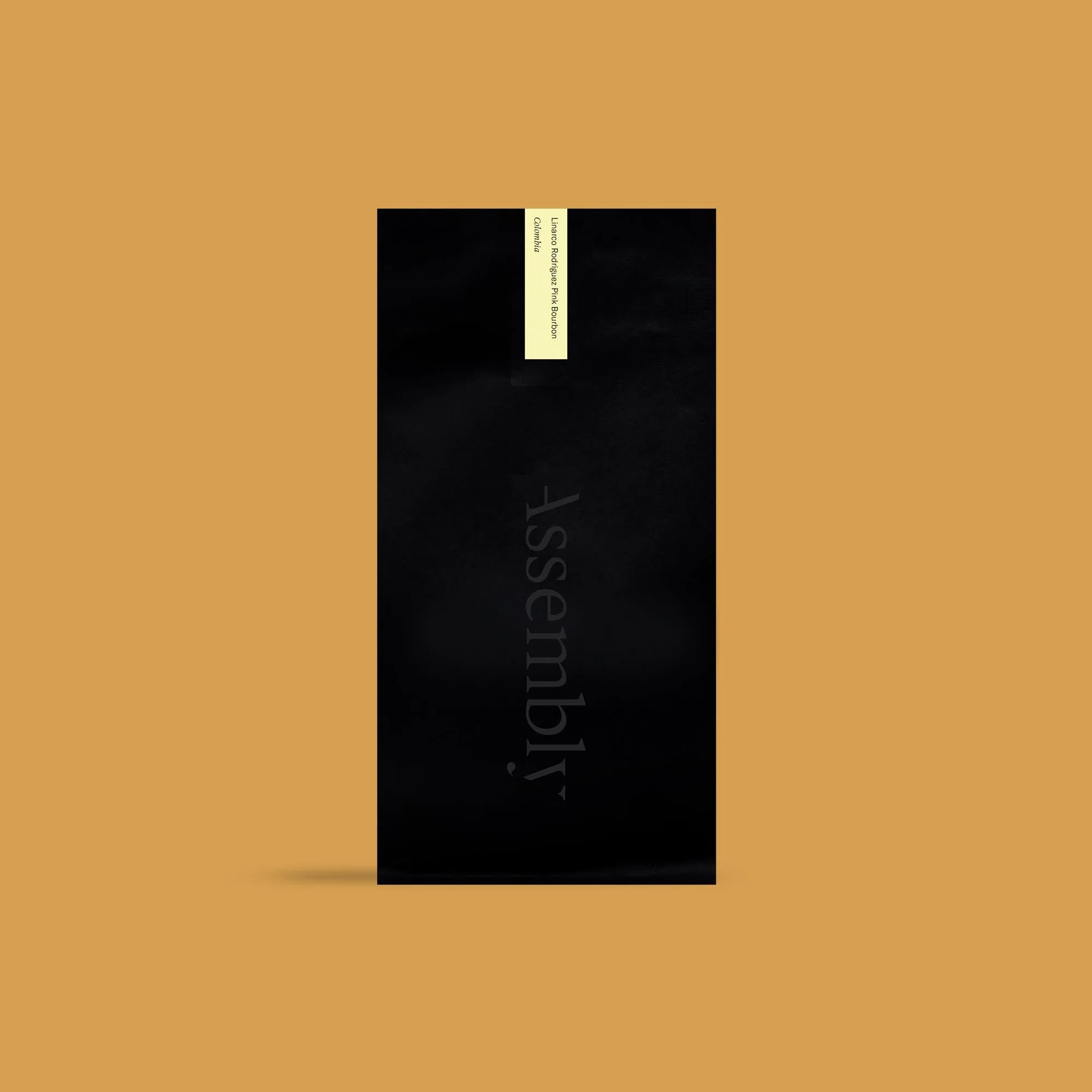
Colombia — Linarco Rodriguez Pink Bourbon
- Best for: Light roasts, single origins, high-clarity brews
- Paper types: Bleached (white) or unbleached (natural/brown); bleached reduces paper taste
- Common sizes: 01 (1-2 cups), 02 (2-4 cups), 03 (4-6 cups)
Flat-Bottom Filters: Consistency and Body
Flat-bottom filters, like those used in the Kalita Wave, feature a corrugated design that prevents the filter from sticking to the brewer. This creates a more even extraction by slowing water flow and allowing a deeper coffee bed. The result is a cup with more body and balanced sweetness, ideal for medium to dark roasts or espresso blends.
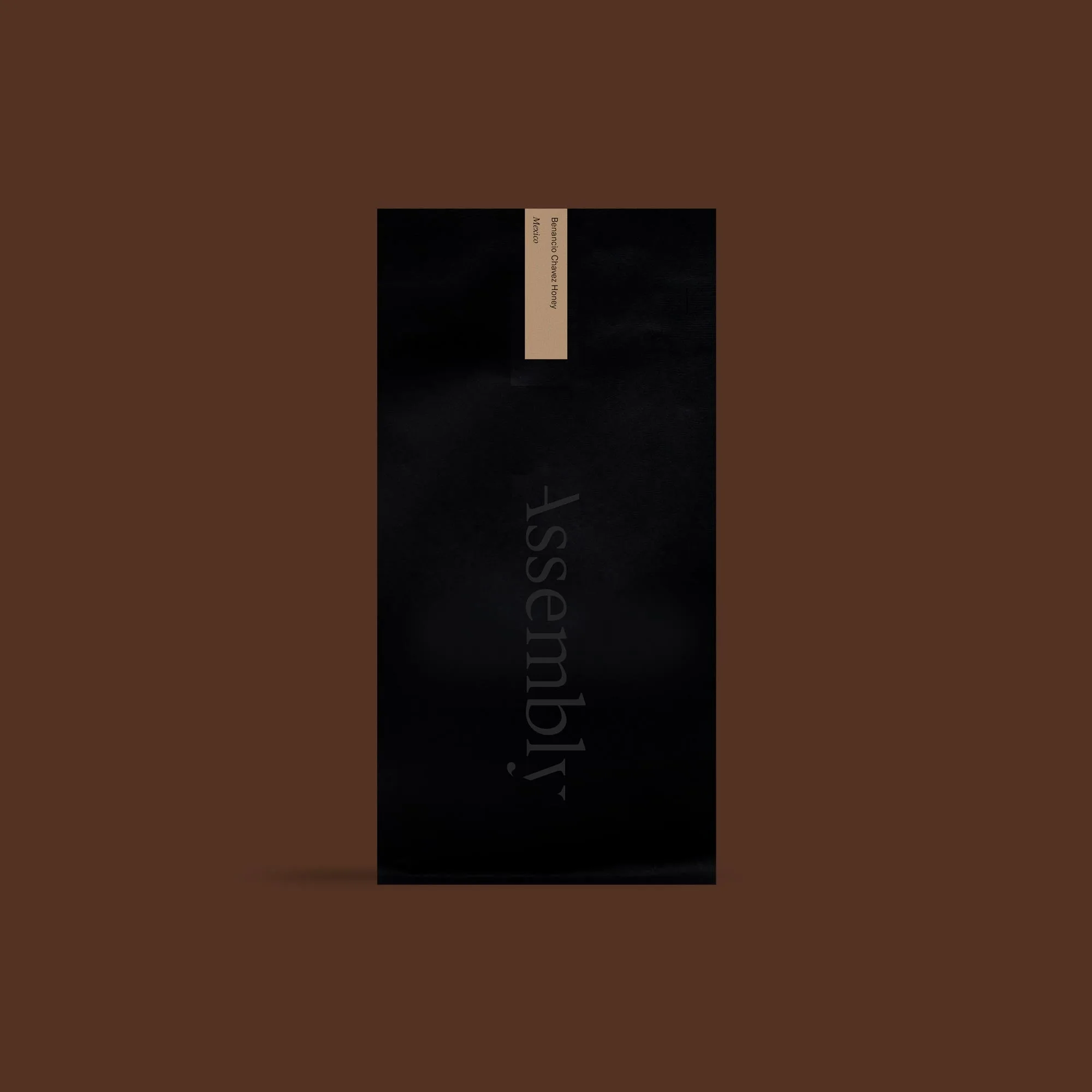
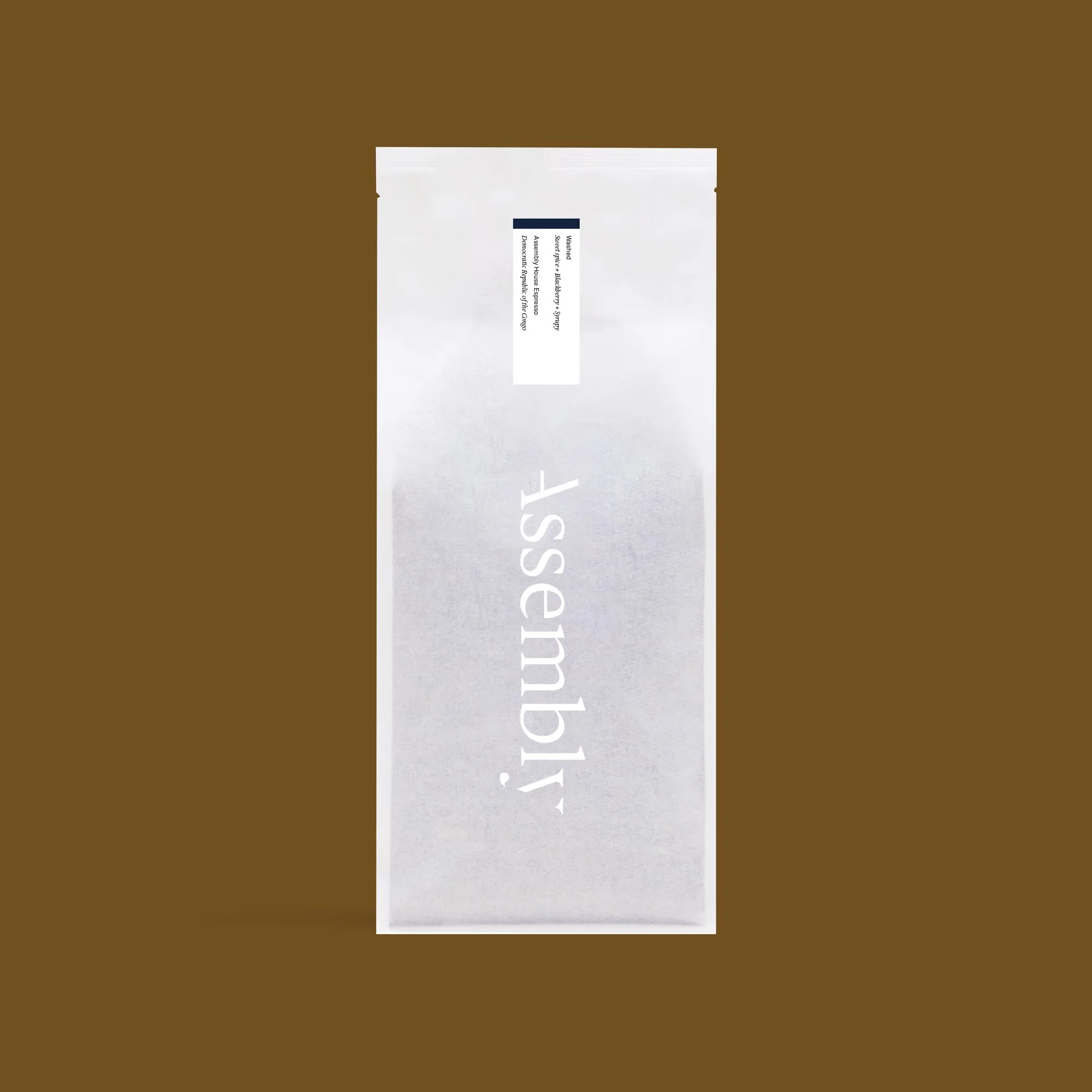
If you enjoy a smoother, rounder cup, flat-bottom filters are a great match. They work especially well with espresso blends like the Assembly Espresso Blend 1kg (Whole Bean), where chocolate and nutty notes benefit from the added extraction time. The Kalita Wave's three small holes also reduce the risk of channeling, making it forgiving for beginners.
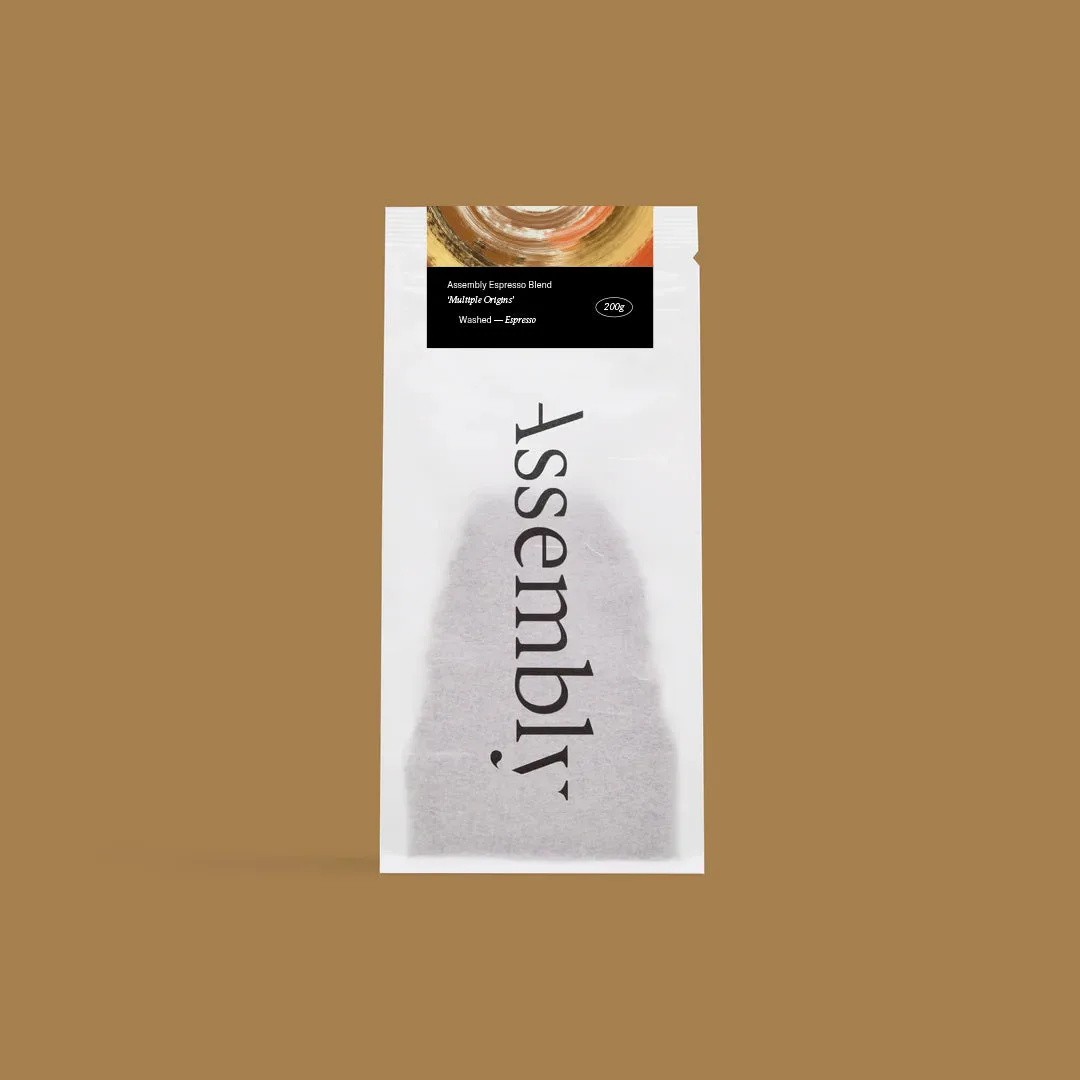
Assembly Espresso Blend 1kg (Whole Bean)
- Best for: Medium/dark roasts, espresso blends, balanced flavor profiles
- Paper material: Usually thicker paper; pre-rinsing is essential to avoid paper taste
- Tip: Use a gooseneck kettle for even saturation across the flat bed
Paper vs Metal Filters: Flavor and Practicality
The debate between paper and metal filters comes down to mouthfeel and clarity. Paper filters trap fine coffee particles and oils, producing a clean, sediment-free cup. This is ideal for those who prefer a crisp finish and want to highlight subtle tasting notes. Metal filters, on the other hand, allow more oils and micro-fines to pass through, resulting in a fuller body and richer texture.
For everyday brewing, many coffee enthusiasts keep both options on hand. Paper filters are easier to dispose of and require no cleaning beyond a quick rinse. Metal filters are reusable and more eco-friendly, but they can leave a slight residue if not thoroughly washed. If you're exploring new flavors, consider a coffee subscription like https://cuppaai.shop/products/the-flavour-index-coffee-subscription-gift-133331The flavour index — coffee subscription — Gift to sample different roasts and see which filter style you prefer.
- Paper filters: Cleaner cup, less body, single-use
- Metal filters: More oils, fuller body, reusable
- Hybrid option: Some brewers use a paper filter inside a metal mesh for best of both worlds
Bleached vs Unbleached: Does It Matter?
Unbleached (natural brown) filters are processed without chlorine, making them a more environmentally friendly choice. However, they often impart a papery or cardboard-like taste if not thoroughly rinsed. Bleached filters use oxygen or chlorine dioxide to achieve a white color, and they typically have less inherent flavor—though the bleaching process can raise concerns for some consumers.
In blind taste tests, many tasters cannot distinguish between the two when filters are pre-rinsed with hot water. For the cleanest results, always rinse your filter before brewing, regardless of type. If you're sensitive to paper notes, opt for oxygen-bleached filters, which are widely available and produce a neutral taste.
- Unbleached: Eco-friendly, may need extra rinsing
- Oxygen-bleached: Neutral flavor, widely preferred by specialty coffee shops
- Chlorine-bleached: Less common; avoid if you want minimal chemical processing
How to Choose the Right Filter for Your Brewer
Matching filter shape to your brewer is critical. V60 brewers require cone-shaped filters with a single seam; Kalita Wave brewers need flat-bottom, corrugated filters; and Chemex uses thick paper that folds into a cone-like shape. Using the wrong filter can cause poor flow, clogging, or uneven extraction. Always check the manufacturer's specifications before buying.
If you're building a home barista starter kit, include at least two filter types so you can experiment. For example, pair a cone filter for single-origin light roasts and a flat-bottom filter for your daily espresso blend. This versatility helps you adapt to different beans and moods without investing in multiple brewers.
- V60: 100% cone filters (tabbed or untabbed)
- Kalita Wave: Corrugated flat-bottom filters (155 or 185 sizes)
- Chemex: Proprietary thick paper (bleached or unbleached)
- Aeropress: Small disc filters (paper or metal reusable)
Selecting the right coffee filter paper is a simple but powerful upgrade to your brewing routine. Whether you opt for a crisp V60 cone with bleached paper or a body-rich flat-bottom filter for your espresso blend, the key is to match the filter to your coffee's roast profile and your preferred flavor style. For a reliable daily driver, try the Assembly Espresso Blend 1kg (Whole Bean) with a flat-bottom filter to unlock its full chocolatey sweetness—and don't forget to pre-rinse for the cleanest cup.