The world of online retail is evolving faster than ever. As we step into 2025, consumers and businesses alike are faced with a dizzying array of choices when it comes to where and how to shop online. From global giants to niche marketplaces, each platform offers unique features, pricing models, and user experiences. In this comprehensive guide, we’ll break down the key factors to consider when comparing online shopping platforms in 2025, highlight emerging online retail trends, and help you make an informed decision on which platform suits your needs best.
Why Comparing Online Shopping Platforms Matters in 2025
With the rise of AI-driven personalization, augmented reality try-ons, and seamless checkout experiences, the best shopping sites 2025 are not just about having a wide product catalog. They are about creating a frictionless, secure, and engaging journey from browsing to delivery. Whether you are a budget-conscious shopper looking for the best deals or a small business owner seeking to expand your reach, understanding the nuances of each platform can save you time, money, and frustration.
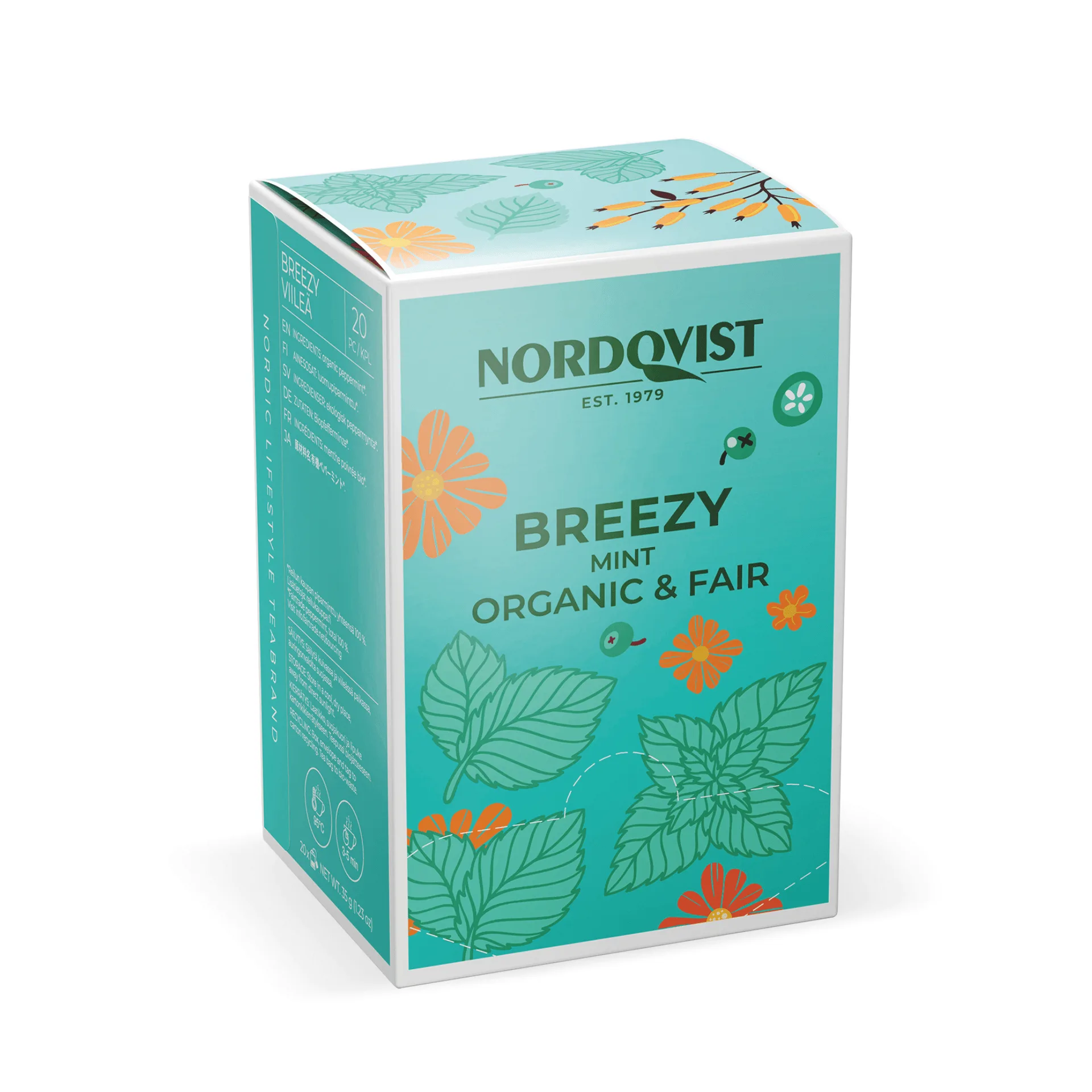
According to recent studies, over 60% of online shoppers in 2025 use at least three different platforms regularly. This demonstrates that loyalty is no longer given—it’s earned through superior user experience, fast shipping, and reliable customer service. Our ecommerce comparison will cover the most popular platforms, including Amazon, eBay, Walmart, Etsy, and emerging players like Temu and Shopify-based stores such as Example Product 1 and Example Product 2, which are gaining traction in niche markets.
Key Factors to Evaluate When Comparing Platforms
1. Product Selection and Niche Focus
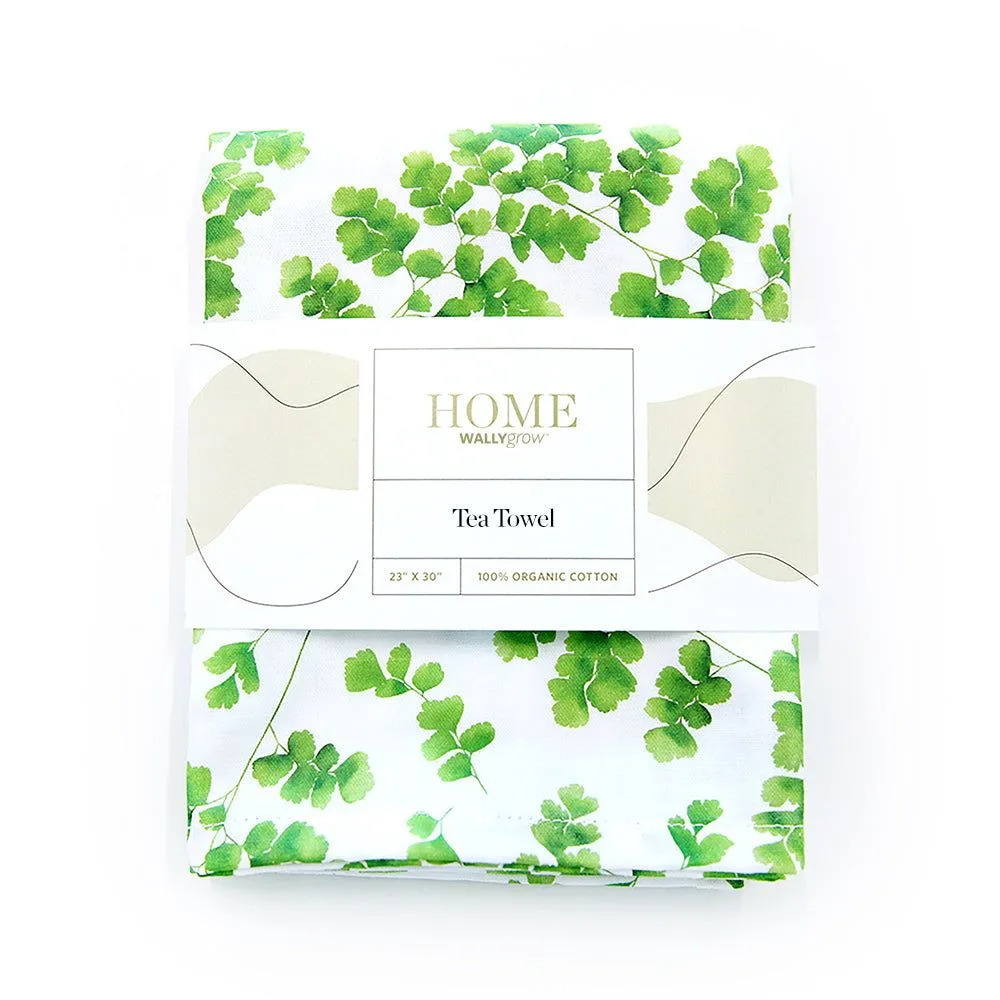
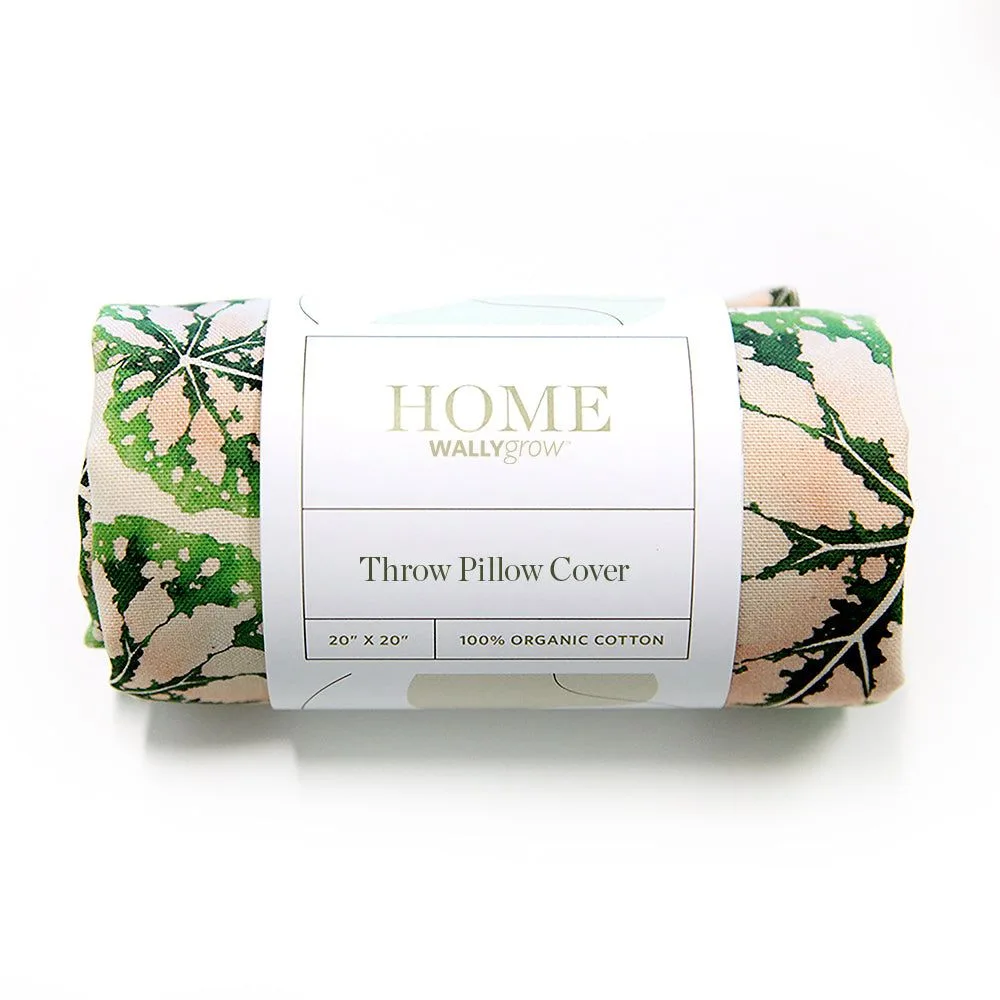
One of the first things to consider is the breadth and depth of products offered. General marketplaces like Amazon and Walmart have millions of items, making them ideal for everyday needs. However, if you are looking for handmade goods or vintage items, Etsy remains the go-to. In 2025, we see a rise in specialized platforms that cater to specific interests—like eco-friendly products, custom apparel, or tech gadgets. For example, Example Product 1 is a unique offering that demonstrates how niche platforms can provide tailored experiences that big retailers can’t match.
2. Pricing, Fees, and Hidden Costs
Price is often the deciding factor. But it’s not just about the listed price—you need to factor in shipping costs, subscription fees (like Amazon Prime), and potential taxes. Some platforms offer free shipping with minimum orders, while others use dynamic pricing based on demand. In 2025, transparent pricing has become a major trend, with many sites displaying all-in costs upfront. Be wary of platforms that add hidden fees at checkout; the best platforms clearly communicate total costs from the start.
3. User Experience and Mobile Optimization
A clunky interface can drive shoppers away instantly. The best shopping sites 2025 invest heavily in intuitive navigation, fast load times, and mobile-first design. With over 70% of online purchases now made on mobile devices, platforms that lag in mobile optimization are losing out. Look for features like one-click checkout, saved payment methods, and easy returns. Augmented reality (AR) is also becoming standard—for instance, trying on clothes or visualizing furniture in your home before buying.
4. Security and Data Privacy
In an era of frequent data breaches, security is non-negotiable. Reputable platforms use encryption, two-factor authentication, and comply with global privacy regulations like GDPR and CCPA. When comparing platforms, check their privacy policies and see how they handle your data. A platform that offers buyer protection programs (like Amazon’s A-to-Z Guarantee) adds an extra layer of trust.
5. Shipping Speed and Returns Policy
Fast, reliable shipping is a top priority for consumers. Amazon’s Prime free two-day shipping set the standard, but now many platforms offer similar services—even free one-day delivery on select items. Returns policies are equally important: look for platforms that offer free returns and a hassle-free process. In 2025, many retailers are adopting “try before you buy” models, especially for clothing and accessories.
Top Online Shopping Platforms of 2025: A Detailed Comparison
Platform
Strengths
Weaknesses
Best For
Amazon
Vast selection, fast shipping, Prime perks
High seller fees, counterfeit issues
General shopping, convenience
eBay
Auctions, used items, global reach
Variable product quality, bidding complexity
Collectibles, second-hand goods
Walmart
Low prices, grocery integration
Smaller marketplace, limited third-party sellers
Everyday essentials, household items
Etsy
Unique handmade items, vintage
Higher prices, slower shipping
Gifts, custom products
Temu
Extremely low prices, gamified shopping
Long shipping times, data privacy concerns
Budget shoppers, trend seekers
Shopify Stores (e.g., Example Product 2)
Brand-specific, curated experiences
Limited variety per store
Niche products, brand loyalty
Emerging Trends Shaping Online Retail in 2025
Several key trends are influencing how platforms compete:
- AI-Powered Personalization: Platforms use machine learning to recommend products based on browsing history and preferences. This increases conversion rates and customer satisfaction.
- Sustainable Shopping: Eco-conscious consumers seek platforms that offset carbon emissions, use recyclable packaging, and offer second-hand options.
- Social Commerce Integration: Platforms like TikTok Shop and Instagram Checkout allow seamless purchases directly from social media feeds.
- Buy Now, Pay Later (BNPL): Services like Klarna and Afterpay are now standard on many sites, offering flexibility for budget-conscious shoppers.
- Voice Commerce: Smart speakers and voice assistants are being used for reordering household staples.
These trends mean that the best shopping sites 2025 are those that adapt quickly. For instance, platforms offering AR try-ons for products like Example Product 1 have seen a 30% increase in conversion rates.
How to Choose the Right Platform for You
For Shoppers
Ask yourself: Do I prioritize price, speed, or uniqueness? If you need everyday items cheap and fast, Amazon or Walmart are safe bets. If you want something special or handmade, Etsy or niche Shopify stores like the one offering Example Product 2 are better. Always read reviews and check the return policy before making a purchase.
For Sellers
If you are a merchant, consider the platform’s fee structure, audience size, and tools for marketing. Amazon offers massive traffic but high competition; Etsy is ideal for artisans; and Shopify allows full control over branding. In 2025, many sellers are adopting a multi-channel approach to spread risk and maximize reach.
Final Tips for Navigating Online Shopping in 2025
- Use price comparison tools and browser extensions to find the best deals across platforms.
- Take advantage of free trials for premium services (like Amazon Prime) to test before committing.
- Always verify the seller’s ratings and read recent reviews, especially for high-value items.
- Keep an eye on flash sales and seasonal promotions—many platforms offer deep discounts during Black Friday, Cyber Monday, and Prime Day.
- Protect your data by using strong passwords and enabling two-factor authentication wherever possible.
The landscape of online shopping platforms is dynamic and full of opportunities. By staying informed about online retail trends and conducting a thorough ecommerce comparison, you can shop smarter and save more.
Conclusion
Choosing the right platform in 2025 comes down to understanding your priorities—whether it’s cost, convenience, or curation. The platforms that succeed are those that listen to their users and innovate continuously. We hope this guide has given you a clearer picture of the options available.
Ready to experience the future of online shopping? Start your journey by exploring Example Product 1, a standout item that showcases how modern e-commerce can deliver both quality and value. Visit WallyGro today and discover a world of products tailored just for you.