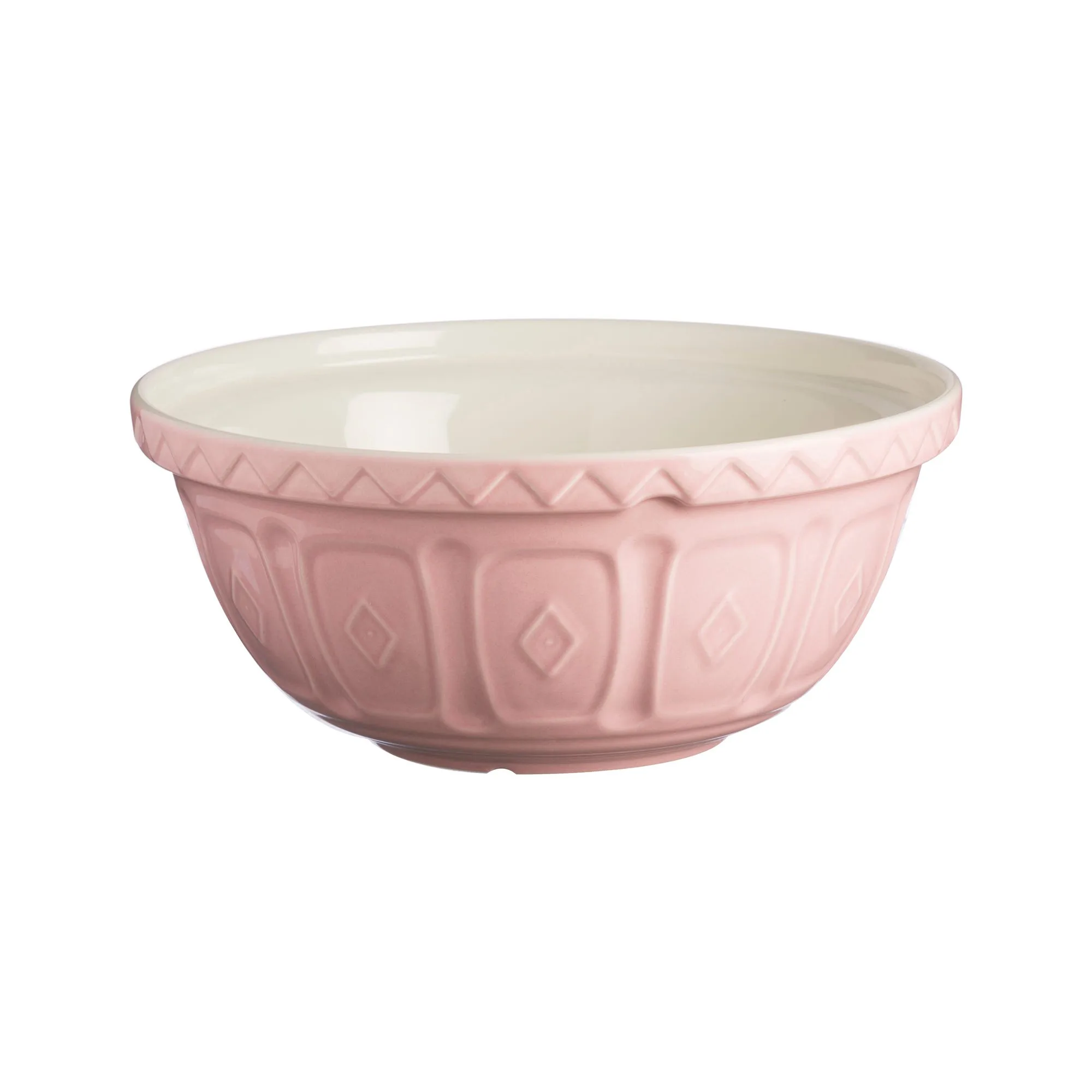
When it comes to baking and cooking, the mixing bowl is an unsung hero. From whipping up cake batter to tossing salads, the right bowl can make your tasks easier and more enjoyable. But with so many materials available—ceramic, glass, stainless steel, plastic, and more—how do you choose? This guide breaks down the pros and cons of each material to help you find the perfect mixing bowl for your needs.
In this comprehensive comparison, we'll focus on the most popular choices for home cooks: ceramic and glass. We'll also touch on other materials like stainless steel and plastic, and highlight some standout options from Mason Cash, a brand renowned for its high-quality kitchenware.
Why Material Matters in a Mixing Bowl
The material of your mixing bowl affects not only its durability but also how it performs in different tasks. For instance, some materials are better at retaining heat, while others are more resistant to stains and odors. The weight and grip of the bowl also influence how easy it is to mix, especially when using a hand mixer or whisking vigorously.
Additionally, the material can impact the taste and safety of your food. Non-reactive materials like ceramic and glass are ideal for acidic ingredients, while some metals can react with certain foods. Understanding these differences will help you make an informed decision that suits your cooking and baking style.
- Consider the types of recipes you make most often: heavy doughs, delicate batters, or acidic marinades.
- Think about storage space: some bowls are stackable, others are bulky.
- Evaluate your cleaning habits: some materials are dishwasher-safe, others require hand washing.
Ceramic Mixing Bowls: Classic Beauty and Function
Ceramic mixing bowls are a favorite among bakers for their sturdy construction and aesthetic appeal. They are heavy and stable, which means they won't slide around your countertop while you mix. The thick walls of ceramic bowls also help maintain temperature, keeping ingredients cool or warm as needed. This is particularly useful for recipes that require chilled dough or melted chocolate.
Mason Cash is famous for its ceramic bowls, such as the Colour Mix S12 Powder Blue Mixing Bowl 29cm. This bowl features a classic design with a wide rim that provides a comfortable grip, and the vibrant powder blue color adds a pop of style to any kitchen. Another excellent option is the In The Forest S18 Owl Stone Mixing Bowl 26cm, which combines functionality with a whimsical owl motif, perfect for nature lovers.
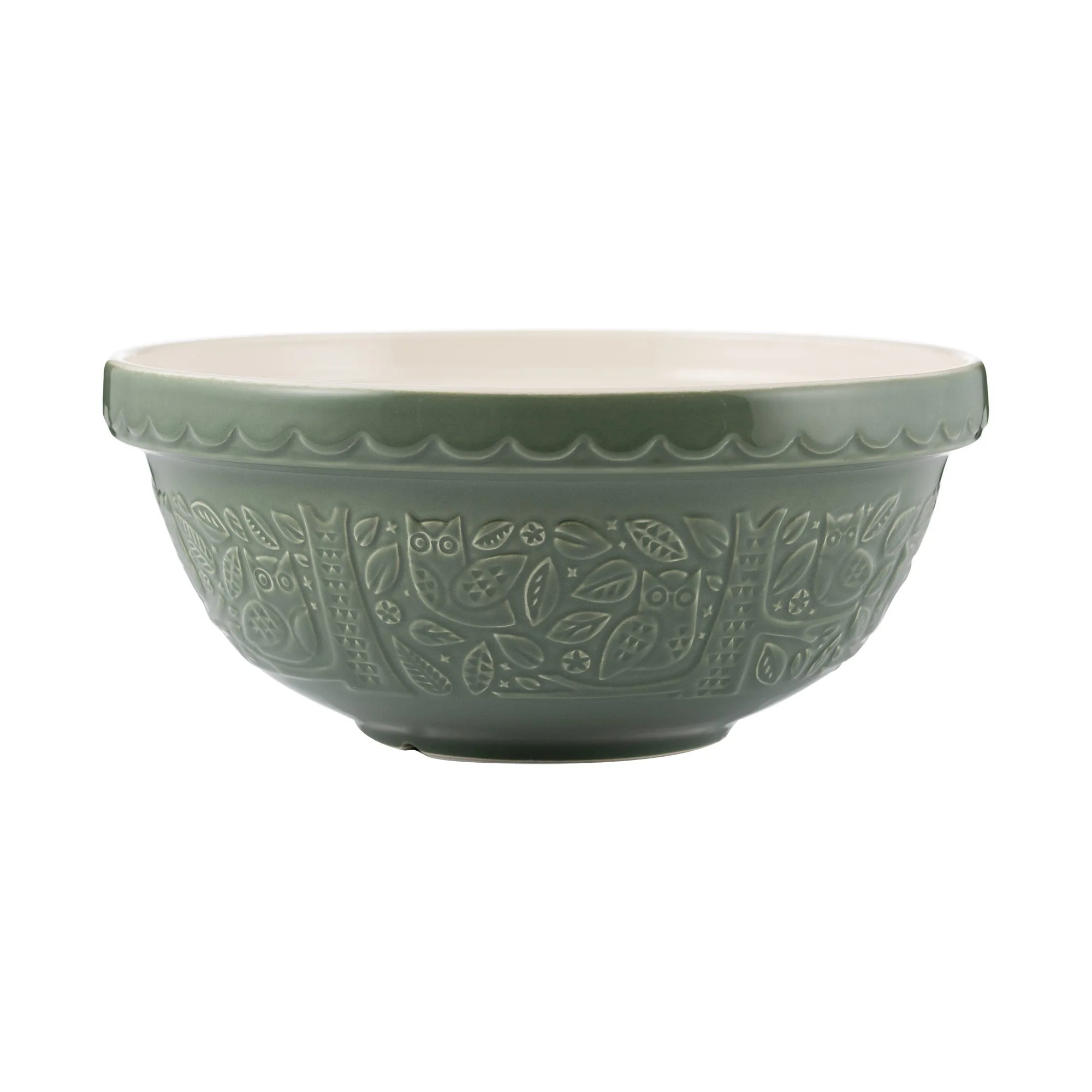
In The Forest S18 Owl Stone Mixing Bowl 26cm
Ceramic bowls are non-reactive, so they won't leach chemicals or affect the flavor of your food. However, they can be heavy and may chip if dropped. They are also not ideal for microwave use unless specifically marked as microwave-safe.
- Ceramic bowls are great for proofing dough because they retain heat well.
- Look for bowls with a wide base to prevent tipping.
- Hand washing is recommended to preserve the glaze and prevent chipping.
Glass Mixing Bowls: Transparency and Versatility
Glass mixing bowls are prized for their transparency, allowing you to see the consistency of your mixture from all angles. They are non-porous and non-reactive, making them perfect for acidic ingredients like lemon juice or vinegar. Glass bowls are also safe for use in the microwave, oven, and dishwasher, adding to their versatility.
One of the main advantages of glass is that it doesn't retain odors or stains, so you can go from mixing a garlicky marinade to a sweet dessert without any lingering flavors. However, glass bowls can be heavy and are prone to breaking if dropped. They also tend to be more expensive than plastic or stainless steel, but many cooks consider them a worthwhile investment.
While Mason Cash primarily offers ceramic bowls, glass bowls from other brands are widely available. If you prefer the durability of glass, look for tempered glass options that can withstand temperature changes.
- Use glass bowls for melting chocolate or butter in the microwave.
- Glass bowls are excellent for marinating because they don't react with acids.
- Check for oven-safe labels if you plan to bake in the bowl.
Other Materials: Stainless Steel, Plastic, and More
Stainless steel bowls are lightweight, durable, and resistant to rust and corrosion. They are a staple in professional kitchens because they are nearly indestructible and easy to clean. However, they are reactive to acidic foods, which can cause discoloration and affect taste. They also conduct heat well, making them ideal for chilling or warming ingredients, but they can get hot to the touch.
Plastic bowls are affordable and lightweight, making them a good choice for kids or outdoor use. They are available in a variety of colors and are often dishwasher-safe. However, plastic can absorb odors and stains, and some types may contain BPA, which is a health concern. Always choose food-grade plastic and avoid using it with hot ingredients.
Silicone bowls are collapsible and space-saving, but they are not as sturdy as other materials and can tip over easily. Wooden bowls are beautiful for serving salads but are not suitable for mixing wet ingredients as they can warp and harbor bacteria.
- Stainless steel bowls are great for whipping cream because they chill quickly.
- Plastic bowls are best for non-stick tasks like mixing glue or paint.
- Consider a set of nesting bowls to save space in your kitchen.
How to Choose the Right Mixing Bowl for Your Needs
When selecting a mixing bowl, consider the types of recipes you prepare most often. If you bake frequently, a ceramic bowl like the Mason Cash Colour Mix S12 Powder Blue Mixing Bowl 29cm is an excellent choice for its stability and heat retention. For everyday cooking, a set of glass bowls in various sizes might be more practical, as they can go from fridge to microwave to table.
Also think about the size and number of bowls you need. A large 29cm bowl is perfect for mixing dough or tossing salads, while smaller bowls are handy for prep work. If you have limited storage, look for nesting bowls that stack neatly.
Finally, consider your budget and how much you're willing to invest. High-quality ceramic bowls from Mason Cash are built to last, making them a worthwhile purchase for serious home cooks. On the other hand, if you're just starting out, a basic set of glass or stainless steel bowls may suffice.
- For bread dough, a heavy ceramic bowl prevents the dough from pushing the bowl around.
- For microwave melting, glass is the safest option.
- For outdoor picnics, unbreakable stainless steel is a wise choice.
Caring for Your Mixing Bowls
Proper care will extend the life of your mixing bowls. Ceramic bowls should be washed by hand with mild detergent to preserve the glaze. Avoid using abrasive scrubbers that can scratch the surface. Glass bowls are generally dishwasher-safe, but check the manufacturer's instructions to be sure.
Stainless steel bowls can be cleaned in the dishwasher, but avoid using harsh chemicals that can dull the finish. Plastic bowls should be washed by hand to prevent warping, and silicone bowls can be boiled to sanitize.
Always dry your bowls thoroughly before storing to prevent moisture buildup, which can lead to mold or mildew. For ceramic bowls, stack them with a cloth or paper towel between them to prevent scratching.
- Avoid sudden temperature changes with glass bowls to prevent cracking.
- Use a soft sponge for cleaning ceramic bowls to avoid scratching.
- Store bowls in a dry place to prevent moisture damage.
Choosing the right mixing bowl material is a personal decision that depends on your cooking habits, storage space, and aesthetic preferences. Whether you opt for the classic elegance of ceramic or the practical transparency of glass, investing in quality bowls will enhance your culinary experience. Explore the Mason Cash collection to find ceramic bowls that combine beauty and function, and elevate your kitchen today.