Hiking demands gear that performs under pressure—boots that grip, socks that cushion, and laces that stay snug mile after mile. Traditional laces can loosen, fray, or become a hazard on uneven terrain, which is why many outdoor enthusiasts are switching to no-tie laces for hiking boots. These elastic systems promise convenience, but do they deliver the durability and performance needed for serious trails?
In this guide, we break down everything you need to know about using no-tie laces on hiking boots. We will cover material strength, weather resistance, fit adjustments, and the best options available—including the https://stylecraft.store/products/original-no-tie-lacing-system-48948Original No Tie Lacing System and the No-Tie Flat Laces. Whether you are a day hiker or a thru-hiker, this article will help you choose laces that keep you safe and comfortable on the trail.
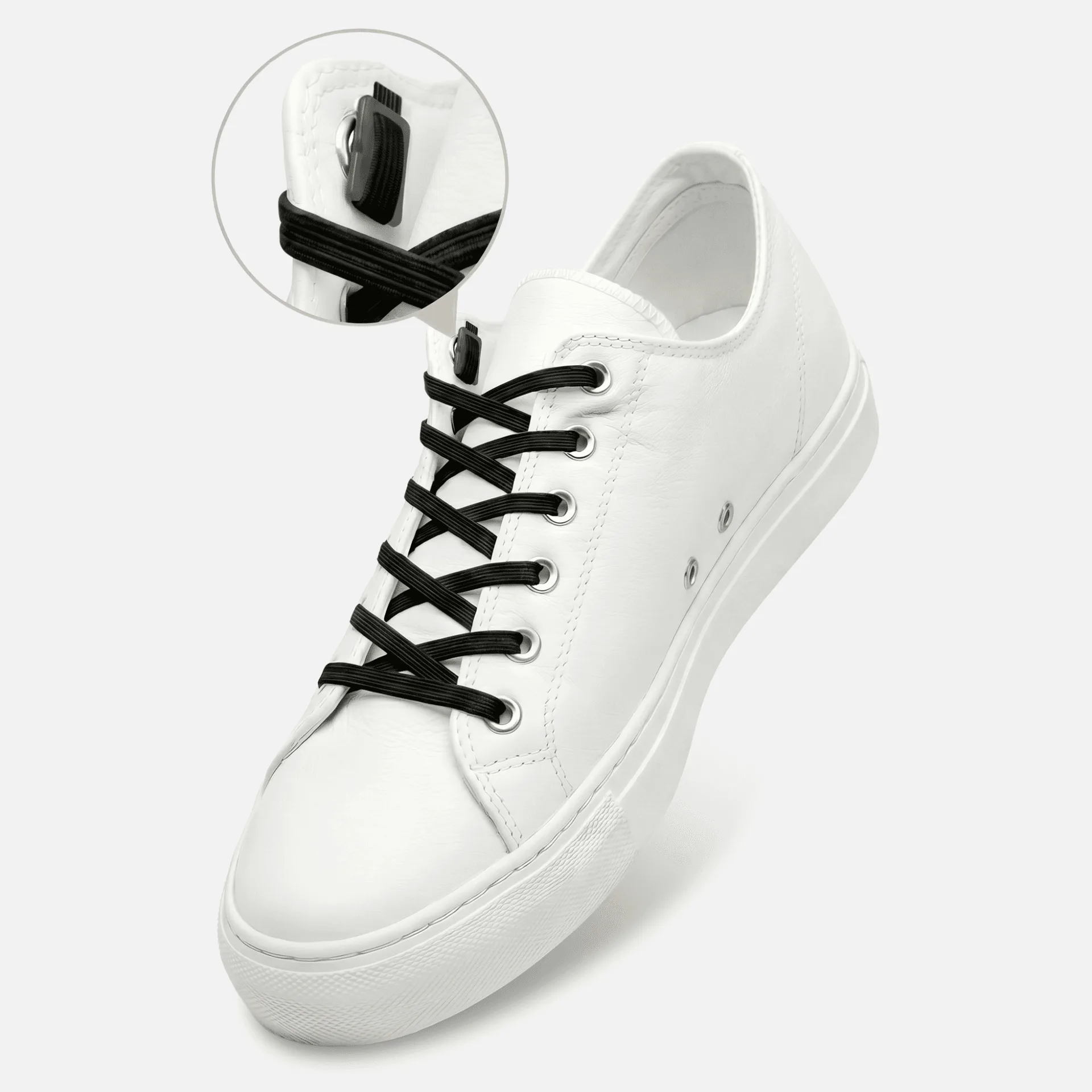
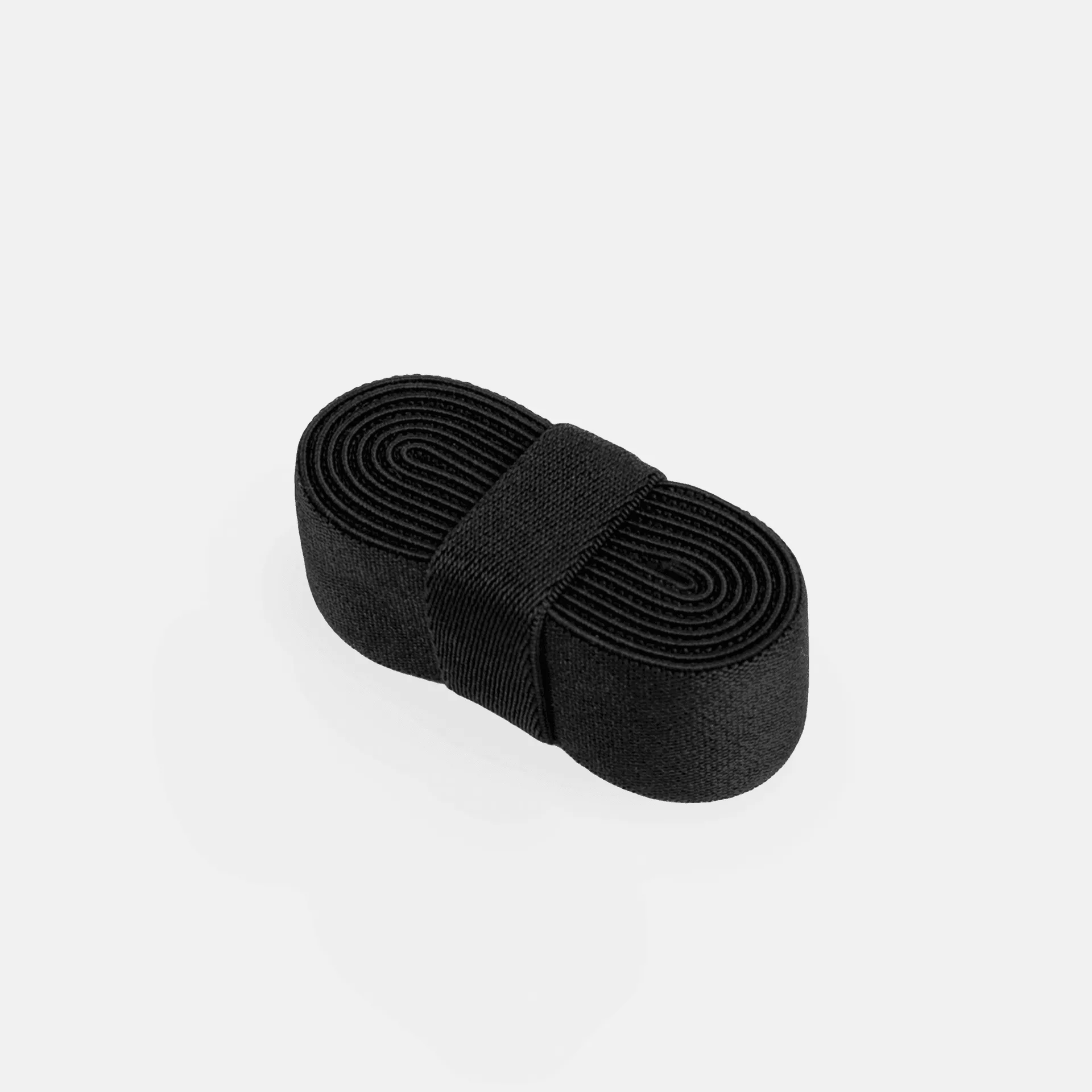
No-Tie Flat Laces
Why No-Tie Laces Are Gaining Traction Among Hikers
No-tie laces have moved beyond casual sneakers and into the hiking world for good reason. The primary advantage is convenience: you can slip your boots on and off without retying, which saves time during rest stops or when crossing streams. More importantly, elastic no-tie laces maintain consistent tension across the entire foot, reducing pressure points that cause hot spots and blisters.
Durability is another key factor. High-quality no-tie laces are made from braided elastic or Kevlar-reinforced materials that resist abrasion from rocks, roots, and mud. They also eliminate the risk of untied laces catching on branches—a common trail hazard. For hikers who prioritize performance, these laces offer a locked-in fit that traditional laces cannot match, especially when combined with proper boot lacing techniques.
- Consistent tension reduces the need for mid-hike adjustments.
- Eliminates trip hazards from loose or dragging laces.
Key Features to Look for in Hiking Boot Laces
When selecting no-tie laces for hiking boots, prioritize elasticity, thickness, and locking mechanisms. Elastic laces should stretch enough to accommodate foot swelling during long hikes but snap back firmly to prevent heel slip. Look for laces with a round or flat profile—round laces often slide more easily through eyelets, while flat laces distribute pressure evenly over the instep.
The locking mechanism is equally critical. Many no-tie systems use a spring-loaded toggle or a cinch lock that holds tension without slipping. For rugged use, ensure the lock is metal or reinforced plastic, as cheap toggles can crack in cold weather. Additionally, check the lace length: hiking boots typically require longer laces than sneakers, so measure your boot height before purchasing.
- Choose laces that are at least 40 inches long for mid-height boots.
- Metal toggles offer better durability than plastic in extreme conditions.
Top No-Tie Laces for Hiking: Performance Picks
The Original No Tie Lacing System is a standout choice for hikers seeking a reliable, adjustable fit. Its patented locking mechanism secures laces instantly, and the stretch cord accommodates foot expansion without loosening. This system works well with both low-cut and high-top hiking boots, and the included lace anchors keep excess cord tidy. For those who prefer a flat profile, the No-Tie Flat Laces offer a sleek look with the same tension-locking technology. These flat laces are ideal for boots with wider eyelets, as they sit flush against the tongue and reduce pressure points.
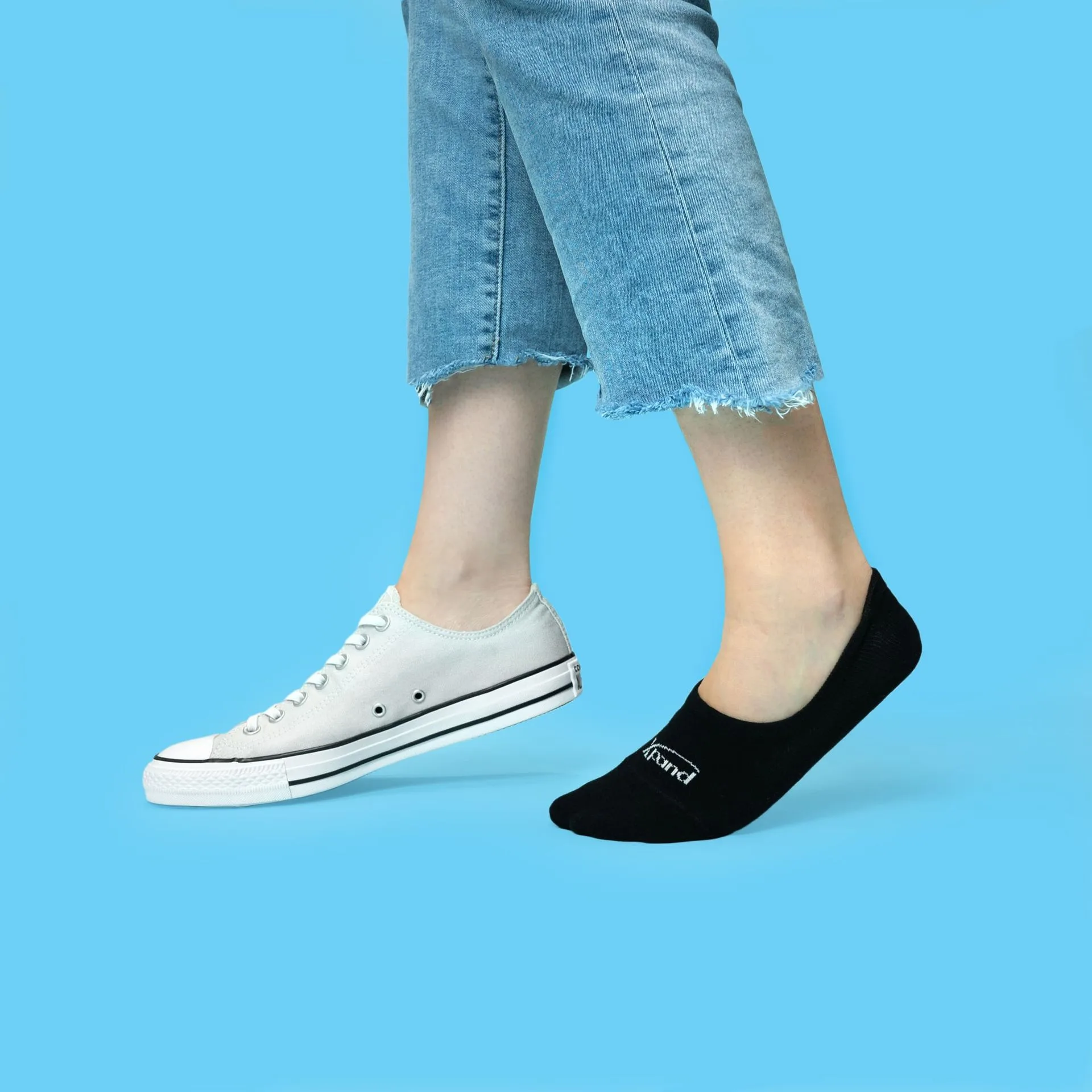
Both options are built from durable materials that withstand mud, rain, and repeated flexing. Pair them with supportive socks like the Cushioned No-Show Socks or Lightweight No-Show Socks for all-day comfort. The combination of no-tie laces and quality socks creates a blister-free hiking experience, letting you focus on the trail ahead.
- Original No Tie Lacing System: best for adjustable tension and easy on/off.
- No-Tie Flat Laces: perfect for flat lacing on boots with wider eyelets.
How to Install No-Tie Laces on Hiking Boots
Installing no-tie laces on hiking boots is straightforward, but a few tips ensure optimal performance. First, remove your old laces and thread the new elastic lace through all eyelets, starting from the bottom. Leave the top eyelet empty if you prefer a looser fit for easy entry. Next, attach the locking toggle or cinch mechanism according to the manufacturer's instructions. For the Original No Tie Lacing System, you simply pull the toggle to tighten and push it down to lock.
Once installed, adjust the tension by pulling the lace ends evenly. Test the fit by walking a few steps—your heel should stay in place without slipping. If the laces feel too tight, loosen the toggle and redistribute tension. For boots with a high ankle collar, consider using a lace anchor to prevent the toggle from bouncing against your shin. This simple setup takes less than five minutes and transforms your hiking boots into slip-on trail shoes.
- Leave the top eyelet empty for easier on/off access.
- Always test the fit on a short walk before hitting the trail.
Maintenance Tips for Long-Lasting Performance
To extend the life of your no-tie laces, rinse them with fresh water after muddy hikes to remove grit that can abrade the elastic. Avoid machine washing, as heat and agitation can weaken the cord. If the toggle becomes stiff, apply a drop of silicone lubricant to the mechanism. Store your boots with the laces slightly loosened to reduce constant tension on the elastic.
Inspect your laces regularly for fraying or loss of elasticity. Most quality no-tie laces last several seasons with proper care. If you notice the lace no longer snaps back, it is time for a replacement. Keeping a spare set in your pack ensures you are never caught unprepared on a multi-day trek.
- Hand wash laces with mild soap and air dry completely.
- Replace laces if they lose elasticity or show visible wear.
Upgrading to no-tie laces for hiking boots is a smart move for any outdoor enthusiast who values convenience, safety, and performance. With durable systems like the Original No Tie Lacing System and the No-Tie Flat Laces, you can enjoy a locked-in fit that adapts to your feet mile after mile. Pair them with quality socks for the ultimate trail comfort. Ready to transform your hiking experience? Explore the Original No Tie Lacing System and hit the trail with confidence.