In today’s fast-paced world, your everyday carry (EDC) is more than just a collection of items—it’s a reflection of your preparedness, efficiency, and personal style. From keys and wallets to multitools and phones, the way you organize these essentials can make or break your daily routine. That’s why mastering everyday carry organization is not just a trend; it’s a productivity hack that saves you time, reduces stress, and ensures you always have what you need when you need it. In this ultimate guide, we’ll walk you through actionable EDC tips, explore the best key organizer solutions, and help you build a streamlined pocket organization system that works for your lifestyle.
Why Everyday Carry Organization Matters
Imagine fumbling through your pockets or bag for your keys while standing in the rain, or digging through a cluttered backpack to find a pen during an important meeting. Poor organization doesn’t just inconvenience you—it can cost you time, money, and even opportunities. A well-organized EDC setup minimizes friction, allowing you to focus on what truly matters. Studies show that the average person spends up to 2.5 days per year searching for misplaced items. By implementing smart pocket organization strategies, you can reclaim that time and boost your daily efficiency.
Moreover, everyday carry organization extends beyond convenience. It’s also about security and durability. Loose keys can scratch your phone screen, a bulky wallet can cause back pain, and unsecured items are more likely to be lost or stolen. A cohesive system protects your gear and prolongs its lifespan, making it a wise investment for anyone who values their carry essentials.
Essential EDC Tips for a Streamlined Setup
1. Audit Your Daily Needs
Before you can organize, you need to know what you truly carry. For one week, take note of every item you use daily—keys, phone, wallet, headphones, lip balm, multitool, flashlight, etc. Then, separate them into three categories:
- Non-negotiable – Items you use multiple times a day (e.g., phone, keys, wallet)
- Occasional – Items you use a few times a week (e.g., pen, small notebook, USB drive)
- Rarely used – Items that stay in your bag “just in case” (e.g., band-aids, emergency cash)
Focus your pocket organization on the non-negotiables, and store the rest in a compact bag or pouch. This simple EDC tip alone can reduce bulk by 40%.
2. Prioritize Modularity
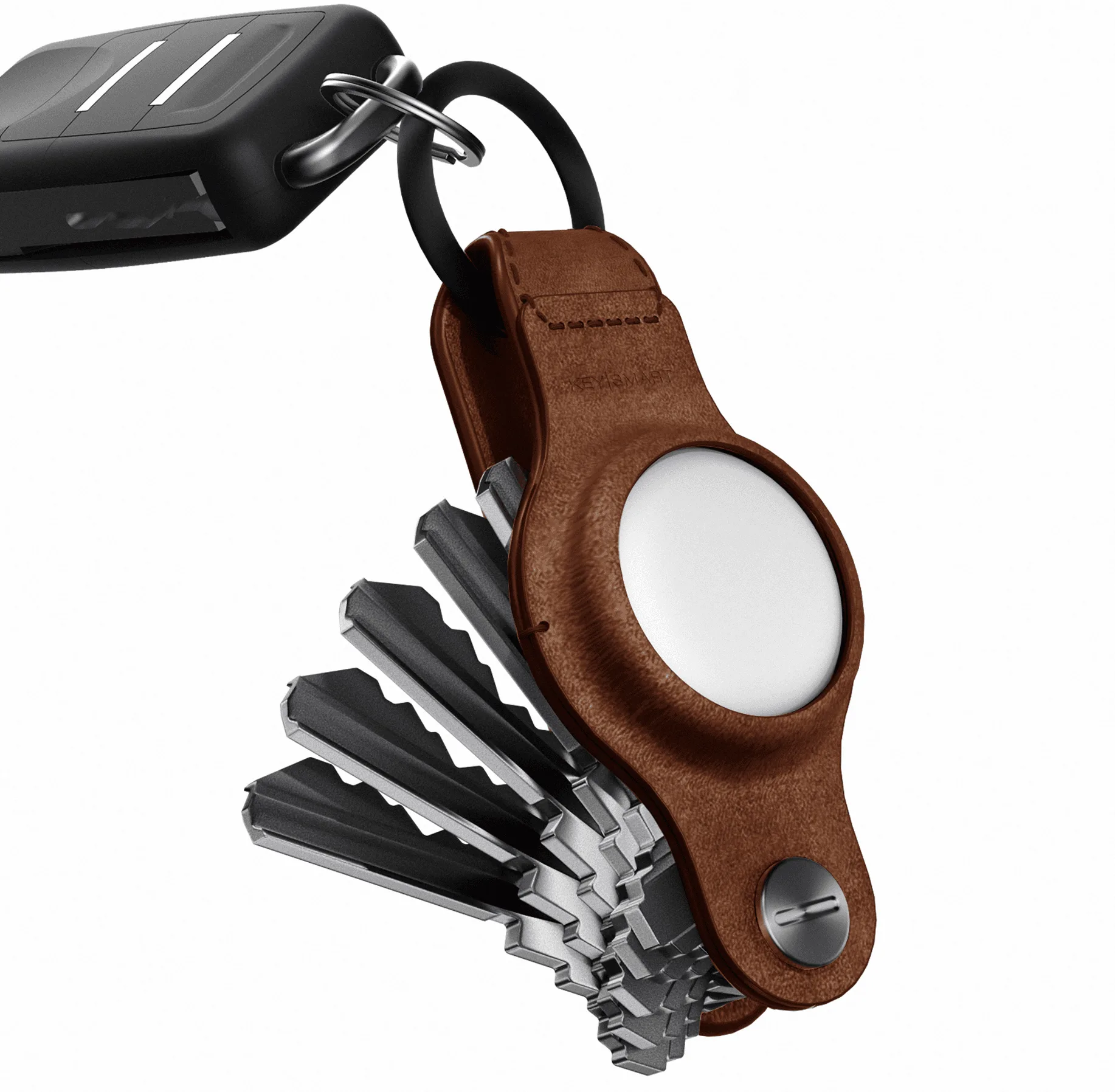
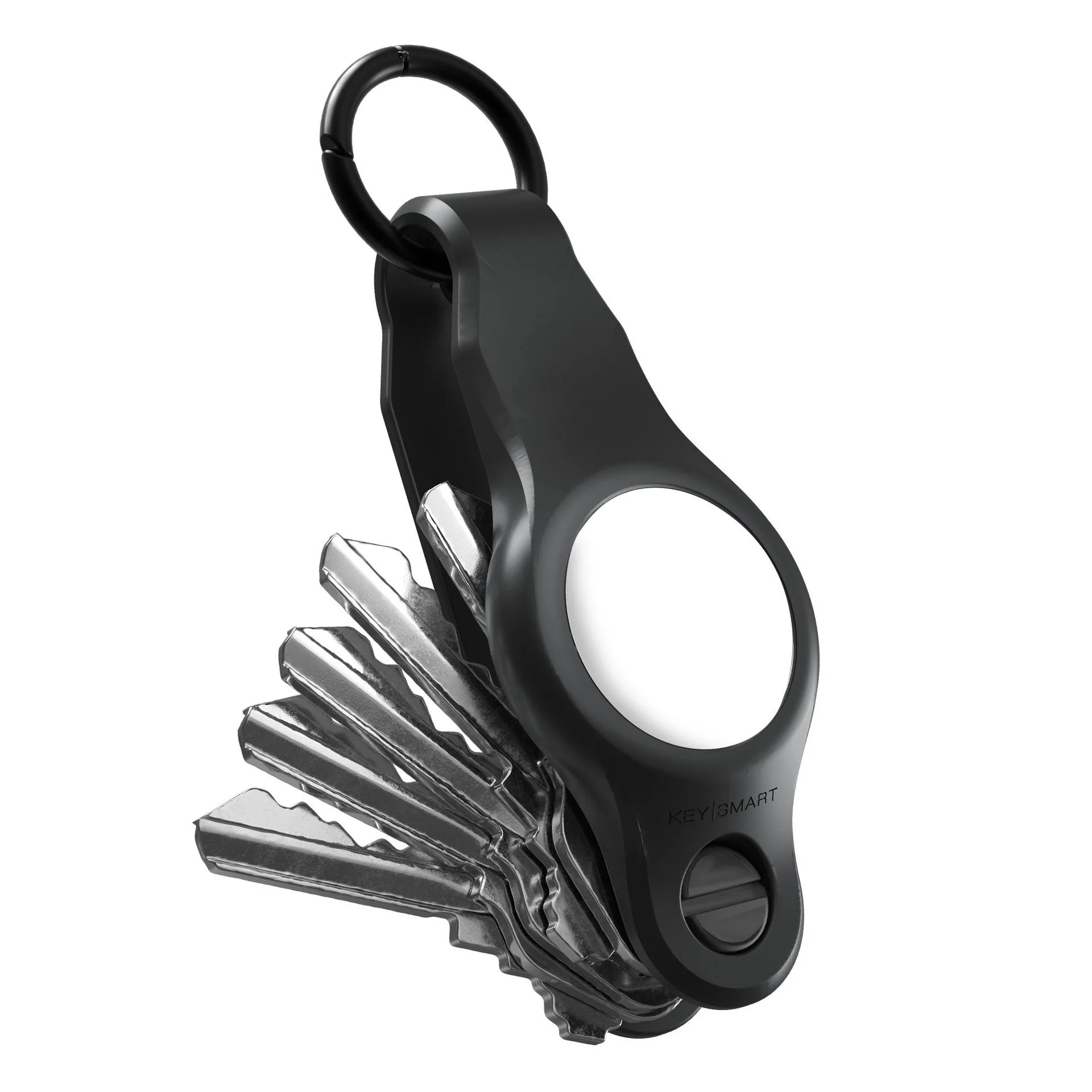
The best EDC systems are modular, meaning you can add or remove components without disrupting the whole setup. For example, a key organizer that allows you to attach a small flashlight or a USB drive is far more versatile than a traditional key ring. Modularity also makes it easier to switch between different activities—work, gym, travel—by swapping out a few items.
3. Use Vertical Space
Pockets are often underutilized because we drop items at the bottom. Invest in pocket organizers or pouches that create vertical compartments. This keeps items separated and accessible. For instance, a slim card holder can sit vertically in your front pocket, making cards easy to grab without removing the whole wallet.
4. Embrace the Rule of Three
Limit the number of items you carry in each pocket to three or fewer. Your front pockets should hold your phone, a slim wallet, and a key organizer. Back pockets (if you must use them) can hold a handkerchief or a small multitool. This rule prevents bulging and keeps your silhouette neat.
Choosing the Right Key Organizer
Keys are the backbone of most EDC setups, yet they’re often the most chaotic element. A traditional key ring quickly becomes a tangled mess of metal that scratches phones and punctures pockets. Enter the key organizer—a compact device that aligns keys in a neat, foldable stack. When selecting a key organizer, consider these factors:
- Capacity – How many keys do you need to carry? Most organizers hold 4–10 keys.
- Material – Aluminum is lightweight and rust-resistant; titanium is stronger but pricier. Stainless steel offers durability at a moderate cost.
- Ease of use – Look for a quick-release mechanism or a tool that allows you to access individual keys without unfolding the whole stack.
- Additional features – Some key organizers include a bottle opener, a pocket clip, or a built-in multitool.
While we don’t have specific products to link here, the principles above will guide you to a reliable solution. A good key organizer not only declutters your pocket but also protects your other carry essentials from scratches.
Pocket Organization by Activity
Workday Setup
For a typical office day, your EDC should prioritize efficiency and professionalism:
- Front pockets: Phone (left), slim wallet (right), key organizer (attached to belt loop or in watch pocket)
- Bag or backpack: Laptop, charger, notepad, pen, headphones, and a small toiletry kit (e.g., hand sanitizer, lip balm)
- Optional: A compact multi-tool like a Swiss Army Knife for quick fixes
Weekend Adventure
When you’re out hiking or exploring, your carry essentials shift toward utility:
- Pockets: Phone (waterproof case), pocket knife, mini flashlight, and a key organizer with a carabiner clip
- Belt: A small pouch for a compass, fire starter, or emergency whistle
- Backpack: Water bottle, snacks, first aid kit, and a lightweight jacket
Travel Minimalism
For travel, less is more. Stick to the absolute essentials to move quickly through airports and streets:
- Pockets: Phone, passport (in a slim RFID-blocking sleeve), card wallet, and a key organizer with only 2–3 keys (home, car, travel lock)
- Crossbody bag: Power bank, charging cables, earplugs, and a pen
Common Mistakes in Everyday Carry Organization
Avoid these pitfalls to keep your EDC efficient:
Mistake
Why It’s a Problem
Solution
Overloading pockets
Causes discomfort, wear on clothing, and difficulty accessing items
Use a key organizer and slim card wallet to reduce bulk
Ignoring weight distribution
Leads to imbalance and back pain
Distribute heavy items evenly across pockets or use a belt pouch
Carrying duplicates
Wastes space and adds weight
Aim for multifunctional tools (e.g., a key organizer with a bottle opener)
Forgetting to clean out
Accumulates trash and clutter
Do a weekly EDC refresh—remove receipts, lint, and non-essentials
How to Maintain Your EDC System
Organization isn’t a one-time event—it’s a habit. Here’s how to keep your pocket organization in top shape:
- Weekly reset: Empty all pockets every Sunday night. Sort through items, discard trash, and reassess what you actually used during the week.
- Seasonal rotation: Swap out items based on weather and activities. For example, add a hand warmer in winter, or a sunblock stick in summer.
- Clean your gear: Wipe down your key organizer and wallet with a damp cloth to remove dirt and oils. This prevents corrosion and keeps items looking new.
- Upgrade thoughtfully: When you find a weak link in your EDC—like a bulky key ring—replace it with a purpose-built solution. Small upgrades compound into major improvements.
Conclusion: Start Your EDC Journey Today
Organizing your everyday carry is one of the simplest yet most impactful changes you can make to your daily life. By applying these EDC tips—auditing your needs, choosing a modular key organizer, and tailoring your pocket organization to your activities—you’ll enjoy more convenience, less clutter, and greater peace of mind. Remember, the goal isn’t to carry more; it’s to carry smarter. Take the first step by decluttering your keychain and experimenting with a streamlined setup. Your future self will thank you.
If you’re ready to upgrade your carry essentials, explore our collection of key organizers and pocket tools designed for maximum efficiency. Whether you’re a seasoned EDC enthusiast or just starting out, we have the solutions to help you master everyday carry organization. Start building your perfect setup today!