Pour-over coffee is more than a brewing method—it's a ritual that transforms your morning cup into a moment of mindfulness. By controlling water temperature, pour rate, and grind size, you unlock the full flavor potential of your favorite beans. Whether you're a curious beginner or a seasoned enthusiast, this guide will walk you through everything you need to know.
At WatchHouse, we believe great coffee starts with great technique. Our curated selection of single-origin coffees and brewing equipment is designed to help you perfect your pour-over game. Let's dive into the methods, gear, and tips that will elevate your daily brew.
Why Pour-Over Coffee?
Pour-over coffee offers unparalleled control over the brewing process. Unlike automatic drip machines, manual pouring allows you to adjust water flow, saturation, and extraction time. This precision brings out subtle flavor notes—bright acidity, floral aromas, or deep chocolate richness—that might otherwise be lost.
For coffee lovers who value craftsmanship, pour-over is a rewarding daily practice. It's also surprisingly simple once you understand the fundamentals. With the right beans and a bit of patience, you can brew a cup that rivals your favorite café.
- Full control over water temperature and pour rate
- Enhanced flavor clarity and complexity
- Minimal equipment required—just a dripper, filter, and kettle
Essential Gear for Pour-Over Brewing
To start your pour-over journey, you'll need a few key tools. A quality dripper (like a V60, Chemex, or Kalita Wave) shapes the flow of water through the coffee bed. A gooseneck kettle gives you precise control over pouring speed and direction. A scale ensures consistent coffee-to-water ratios, and a burr grinder delivers uniform particle size.
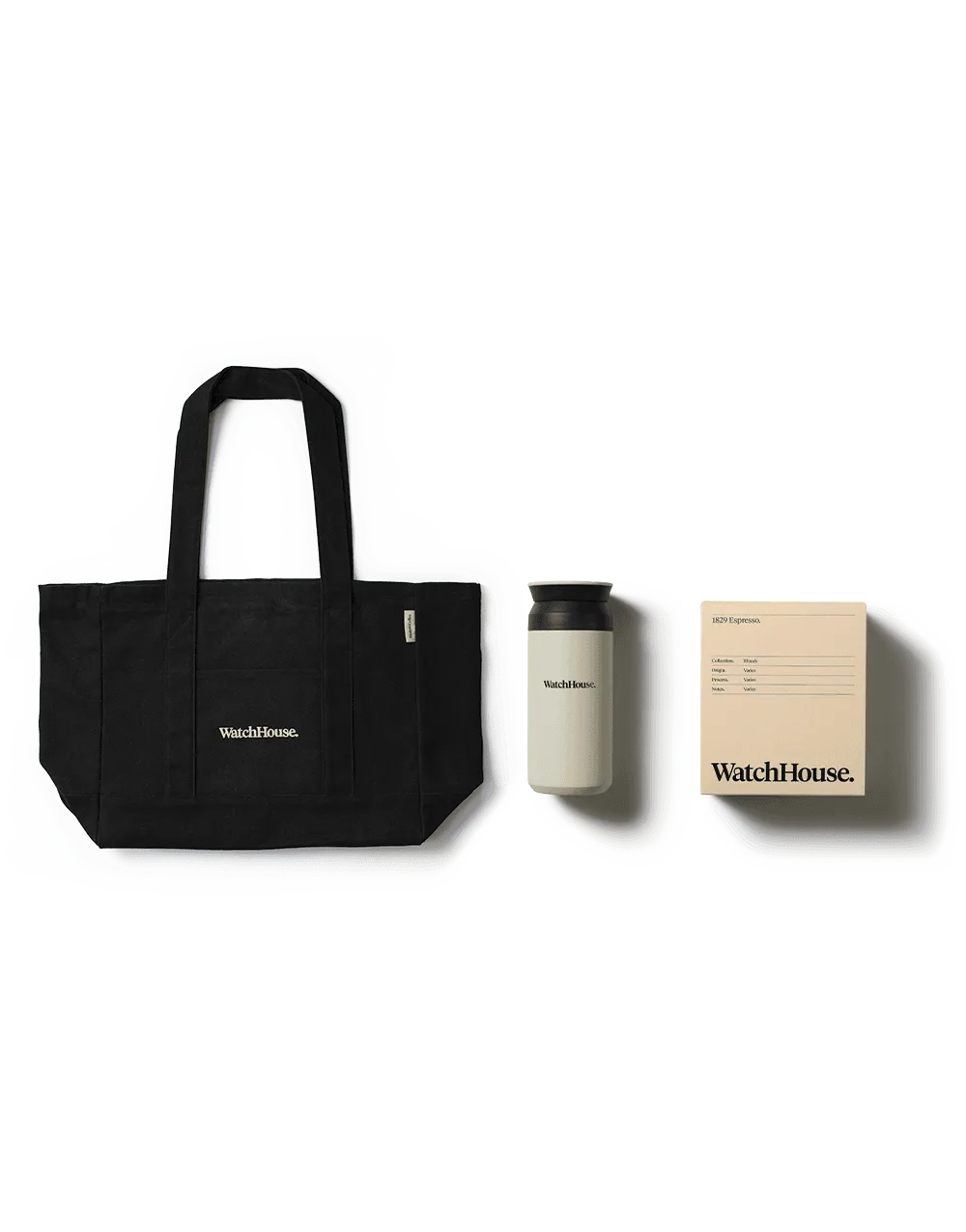
Don't forget the beans. Fresh, high-quality coffee is the foundation of any great brew. At WatchHouse, we recommend exploring our Rwamatamu or Turihamwe single origins for their vibrant, complex profiles. Pair them with a reliable dripper and you're set for success.
- Dripper: Choose between cone (V60), flat-bottom (Kalita), or immersion (Chemex)
- Kettle: Gooseneck for controlled pouring
- Scale: Accurate to 0.1g for consistency
- Grinder: Burr grinder preferred over blade
Step-by-Step Pour-Over Technique
Start by heating water to 195-205°F (90-96°C). While it heats, place a filter in your dripper and rinse it with hot water to remove paper taste and warm the vessel. Discard the rinse water. Add your ground coffee—typically 15-18g per 250ml of water—and level the bed.
Begin with a bloom pour: gently pour twice the coffee weight in water (e.g., 30g water for 15g coffee) over the grounds. Wait 30-45 seconds for gases to escape. Then, pour in slow, concentric circles, starting from the center and moving outward. Maintain a steady stream, keeping the water level just above the coffee bed. Total brew time should be 2.5 to 4 minutes, depending on grind size and dripper.
- Bloom: Pour 2x coffee weight, wait 30-45 seconds
- Main pour: Slow circles, avoid pouring on the filter edges
- Total time: 2.5-4 minutes for optimal extraction
Choosing the Right Coffee for Pour-Over
Light to medium roasts shine in pour-over brewing. Their bright acidity and fruity notes are beautifully highlighted by the method's clarity. Single-origin beans from regions like Ethiopia, Colombia, or Rwanda offer distinct flavor profiles that change with each batch.
At WatchHouse, we love Rwamatamu for its juicy berry notes and floral finish, and Turihamwe for its balanced sweetness and cocoa undertones. Both are exceptional choices for pour-over. For a decaf option that doesn't compromise on flavor, try Páramo Decaf—it brews a clean, smooth cup with subtle caramel notes.
- Light roasts: Bright, acidic, fruity
- Medium roasts: Balanced, chocolatey, nutty
- Single origins: Explore unique terroir-driven flavors
Common Pour-Over Mistakes and How to Fix Them
Even experienced brewers hit snags. A bitter or over-extracted cup often means your grind is too fine or your water too hot. Try a coarser grind and lower temperature. Sour or under-extracted coffee? Your grind may be too coarse or your pour too fast—slow down and use finer grounds.
Inconsistent pours can also lead to channeling, where water flows through weak spots in the coffee bed. Always pour in steady circles and keep the bed level. If your brew time is too short, grind finer; if too long, grind coarser. With practice, you'll dial in your perfect recipe.
- Bitter: Grind coarser, lower water temp
- Sour: Grind finer, pour slower
- Channeling: Pour evenly, keep bed level
Elevate Your Pour-Over Experience
Once you've mastered the basics, experiment with different drippers and techniques. A Chemex produces a clean, tea-like body, while a V60 highlights acidity and aroma. The Kalita Wave offers a more forgiving brew with consistent extraction.
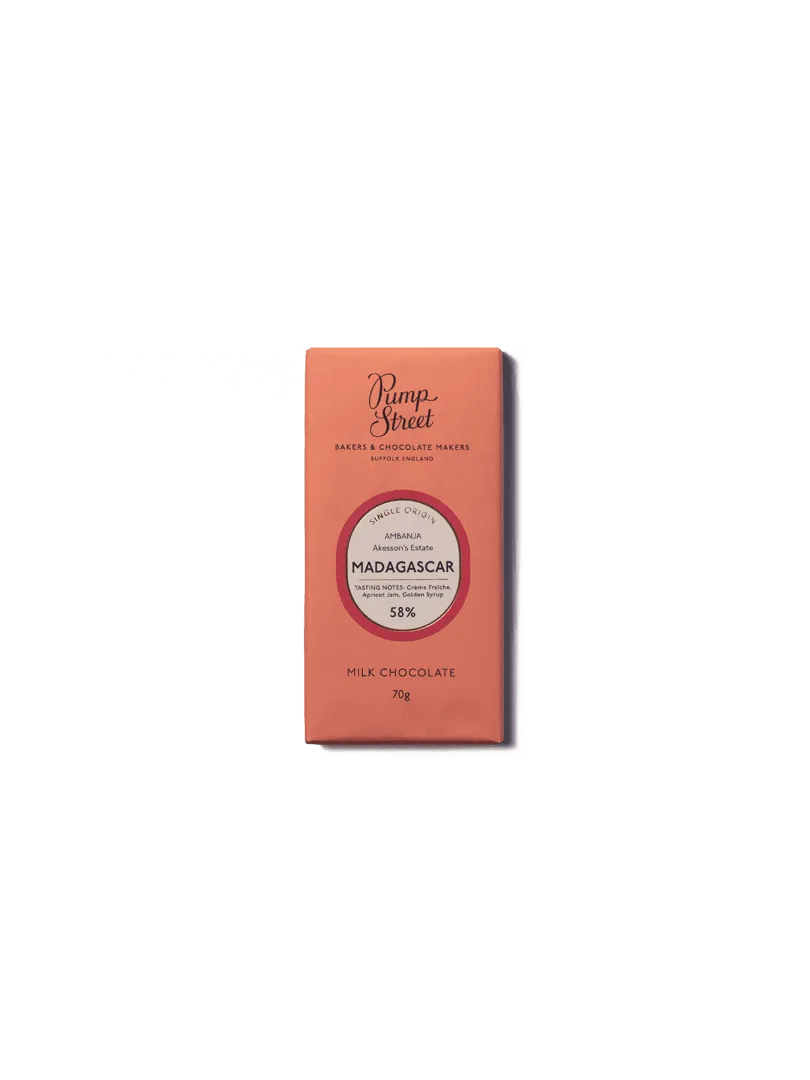
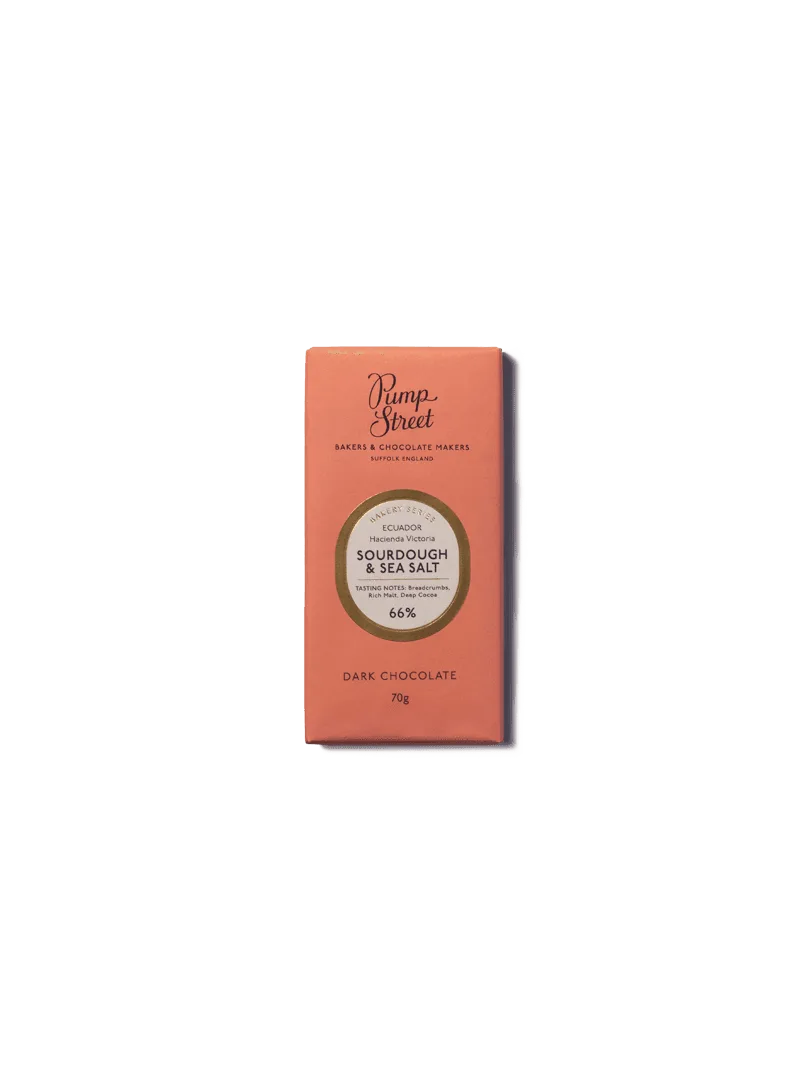
Pair your pour-over with a complementary treat. Our Pump Street Madagascar 58% milk chocolate is a perfect match—its creamy, fruity flavors echo the bright notes of a light-roast pour-over. For dark chocolate lovers, the Pump Street Ecuador sourdough & sea salt 66% dark chocolate adds a savory crunch that balances coffee's acidity.
- Try different drippers for varied flavor profiles
- Pair coffee with chocolate for a tasting experience
- Use a timer and scale to track your brew
Pour-over coffee is a journey of discovery. With the right technique and quality beans, every cup becomes a moment to savor. Explore our Rwamatamu or Turihamwe single origins to start your pour-over adventure today.