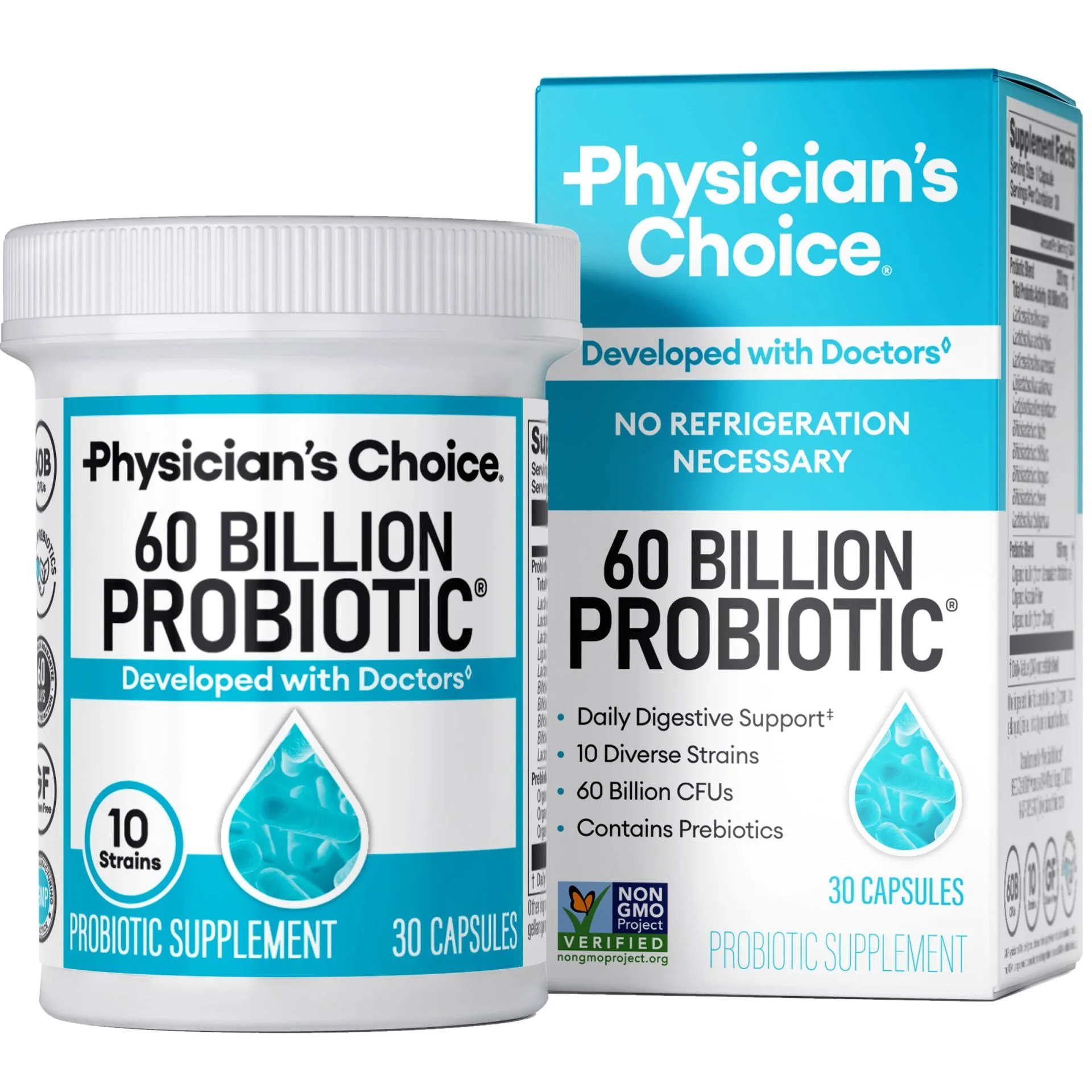
Probiotics are live microorganisms that offer a range of health benefits when consumed in adequate amounts. But not all probiotics are the same—different strains have different effects on the body. Understanding probiotic strains is key to choosing the right supplement for your needs.
In this guide, we’ll break down the most common probiotic strains, their specific benefits, and how to select a probiotic that targets your health goals. Whether you’re looking to improve digestion, boost immunity, or support women’s health, knowing your strains will help you make an informed choice.
What Are Probiotic Strains?
Probiotics are classified by genus, species, and strain. The genus is the broad category (e.g., Lactobacillus), the species narrows it down (e.g., Lactobacillus acidophilus), and the strain is the specific genetic variant (e.g., Lactobacillus acidophilus NCFM). Each strain has unique properties and health benefits.
When shopping for a probiotic, you’ll often see labels listing multiple strains. This diversity is important because different strains colonize different parts of the gut and perform distinct functions. For example, some strains produce enzymes that help digest lactose, while others support immune cell activity.
- Genus: Lactobacillus, Bifidobacterium, Saccharomyces, etc.
- Species: acidophilus, rhamnosus, longum, etc.
- Strain: Specific identifier like NCFM or BB-12
Key Probiotic Strains and Their Benefits
Lactobacillus is one of the most common probiotic genera. It includes strains like Lactobacillus acidophilus, which helps break down lactose and may reduce diarrhea, and Lactobacillus rhamnosus, known for supporting immune health and preventing urinary tract infections. Many high-quality probiotics, such as the Women's Probiotic, include Lactobacillus strains to support vaginal and digestive health.
Bifidobacterium strains are predominant in the large intestine. Bifidobacterium longum helps maintain gut barrier integrity and reduces inflammation, while Bifidobacterium bifidum aids in breaking down complex carbohydrates. These strains are especially beneficial for older adults and those with digestive sensitivities.
- Lactobacillus acidophilus: Supports lactose digestion and gut health.
- Bifidobacterium longum: Strengthens gut barrier and reduces inflammation.
- Lactobacillus rhamnosus: Boosts immunity and prevents UTIs.
How to Choose the Right Probiotic Strains for Your Needs
When selecting a probiotic, consider your specific health goals. For general digestive health, a multi-strain product like Prebiotic Probiotic offers a blend of Lactobacillus and Bifidobacterium along with prebiotics to feed good bacteria. For immune support, look for strains like Lactobacillus casei or Bifidobacterium lactis.
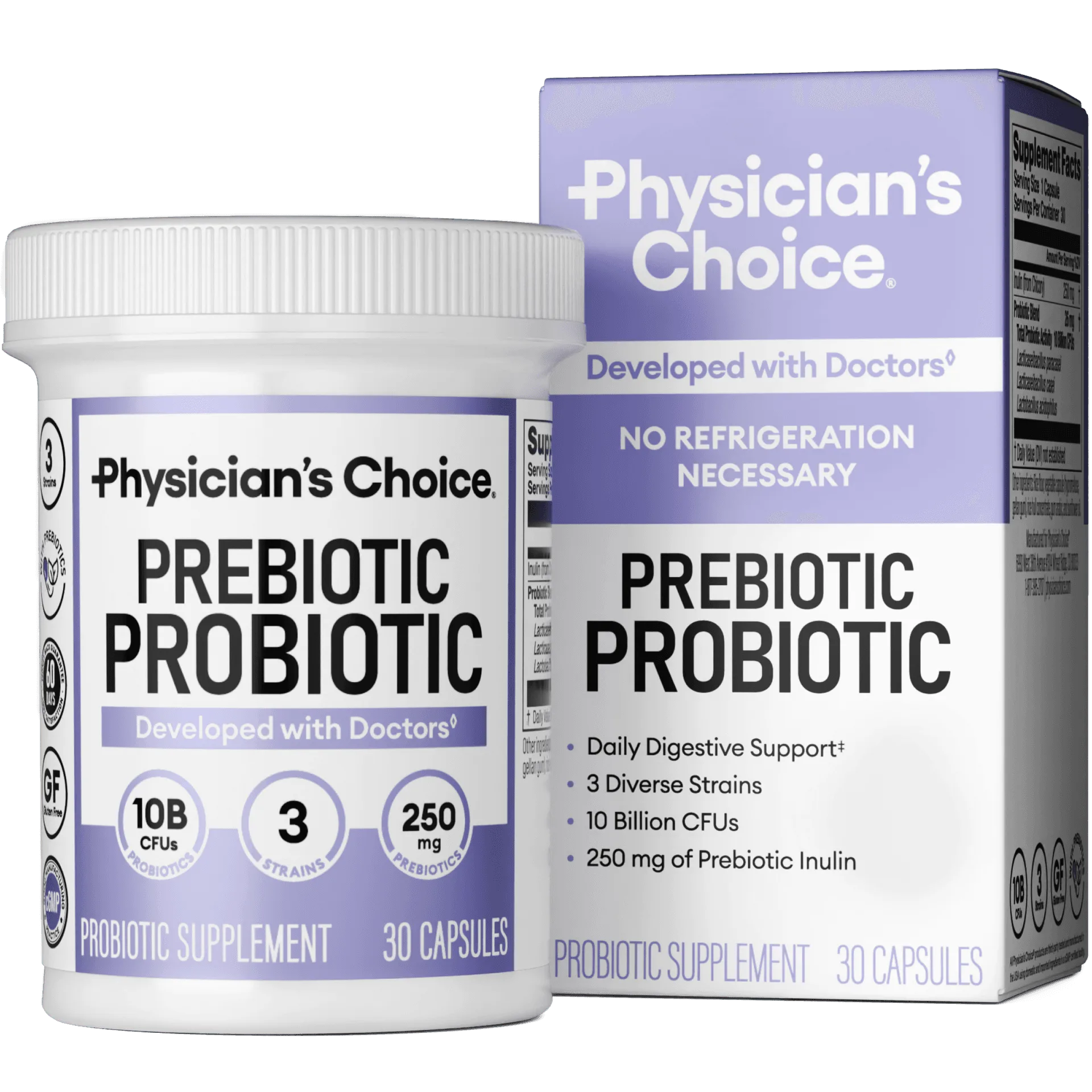
Prebiotic Probiotic
If you experience bloating or gas, strains such as Bifidobacterium infantis may help reduce symptoms. For children, specially formulated probiotics like Kids Probiotic Chewable contain strains that are gentle and effective for developing digestive systems. Always check the colony-forming units (CFUs) and storage requirements to ensure potency.
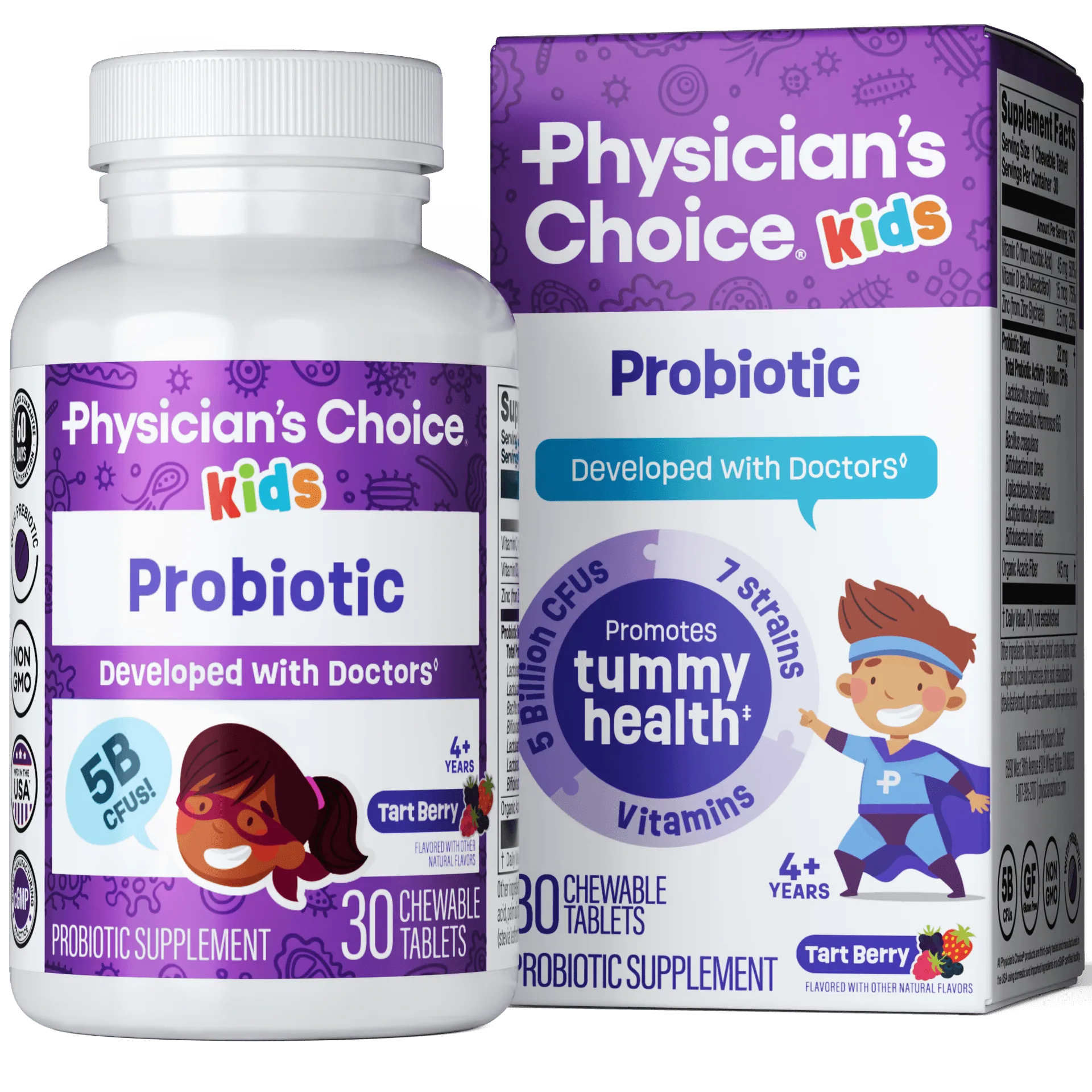
Kids Probiotic Chewable
- Digestive health: Multi-strain products with Lactobacillus and Bifidobacterium.
- Immune support: Lactobacillus casei, Bifidobacterium lactis.
- Bloating/gas: Bifidobacterium infantis.
- Children: Kids Probiotic Chewable with gentle strains.
Understanding CFUs and Strain Specificity
CFU stands for colony-forming units, which indicate the number of viable bacteria per dose. A higher CFU count isn’t always better—effectiveness depends on the strain and your needs. For daily maintenance, 5-10 billion CFUs may suffice, while therapeutic doses can range from 20-100 billion CFUs.
Strain specificity is crucial. For example, the strain Lactobacillus plantarum 299v has been studied for reducing cholesterol, while Saccharomyces boulardii is a yeast probiotic that helps prevent traveler’s diarrhea. Always choose products that list the specific strains and have research backing their benefits.
- CFU range: 5-100 billion depending on purpose.
- Look for strain names: e.g., Lactobacillus rhamnosus GG.
- Research-backed strains ensure efficacy.
Understanding probiotic strains is the first step toward better gut health. By matching specific strains to your health goals, you can choose a probiotic that truly works for you. Explore our selection of targeted probiotics, including the Women's Probiotic and Prebiotic Probiotic, to find the right fit for your needs.