Frozen soups are a lifesaver for busy weeknights, offering a quick and nutritious meal without the hassle of cooking from scratch. But the reheating process can make or break your soup experience. Overheated, watery, or separated soups are a common frustration—but with the right techniques, you can restore that just-made flavor and texture every time.
Whether you’re reheating a hearty Curried Lentil Soup or a soothing Masala Khichri Soup, understanding the science behind reheating helps you avoid common pitfalls. From stovetop simmering to microwave shortcuts, this guide covers the best methods to reheat frozen soups without sacrificing taste or quality.
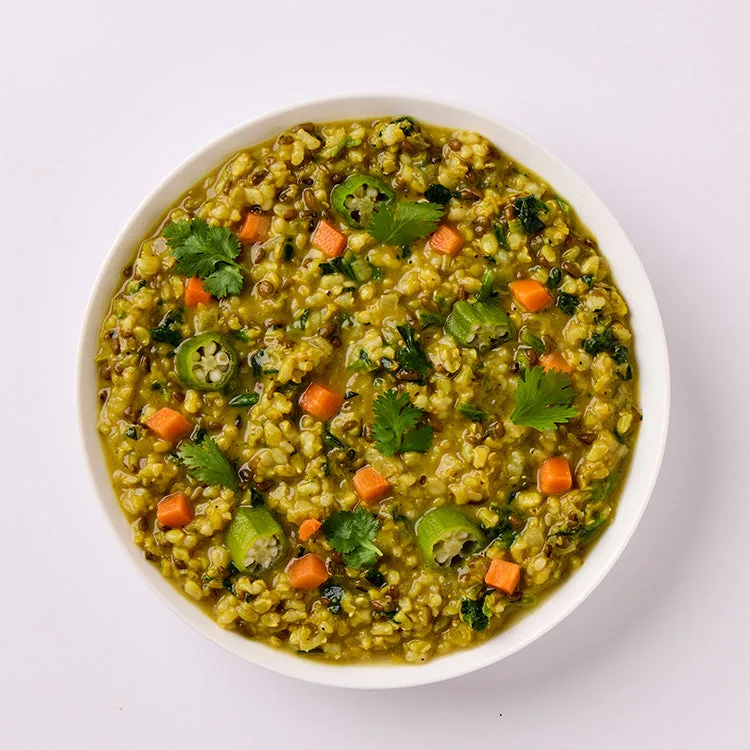
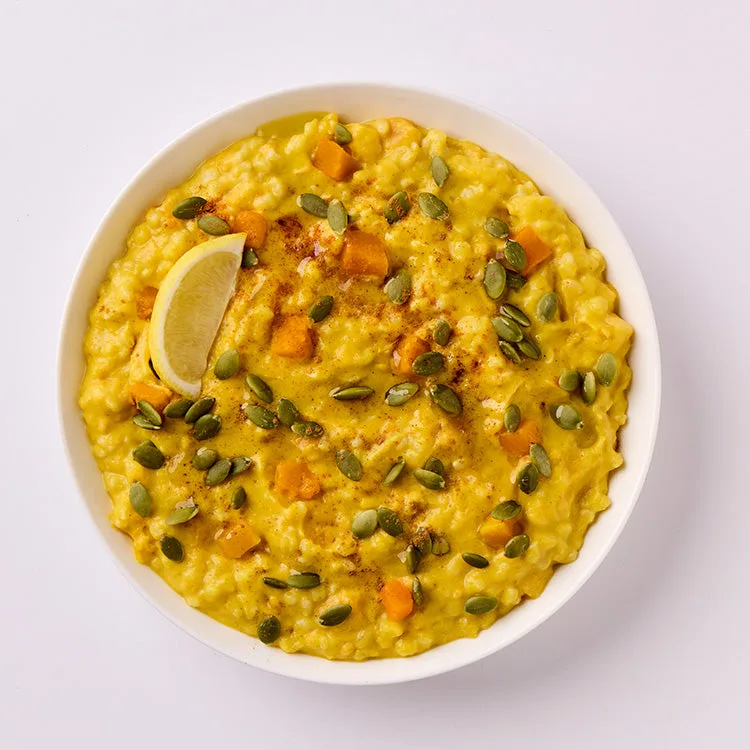
Masala Khichri Soup
Why Reheating Frozen Soups Requires Care
Frozen soups are typically packed with vegetables, legumes, and spices that can change texture when thawed and reheated. The main challenges include ice crystal formation that dilutes flavor, starch breakdown that turns soups mushy, and fat separation that creates an oily layer. To counter these, it’s important to reheat slowly and stir frequently to redistribute ingredients.
Another key factor is the type of soup. Creamy soups like chowders or pureed lentil soups need gentle heat to prevent curdling, while broth-based soups with chunky vegetables can handle a bit more direct heat. Knowing your soup’s base helps you choose the right method.
- Always thaw frozen soup in the refrigerator overnight for best results—avoid microwaving from frozen unless you’re in a rush.
- Stir every few minutes during reheating to ensure even heat distribution and prevent hot spots.
Stovetop Reheating: The Classic Method for Best Flavor
The stovetop is the most reliable way to reheat frozen soups, especially for thick or chunky varieties. Start by transferring the frozen soup block into a saucepan. Add a splash of water or broth (about 2 tablespoons per cup of soup) to prevent sticking and help the soup melt evenly. Heat over medium-low heat, stirring occasionally with a wooden spoon. Once the soup begins to simmer, reduce the heat to low and continue stirring until fully heated through—usually 10 to 15 minutes depending on the portion size.
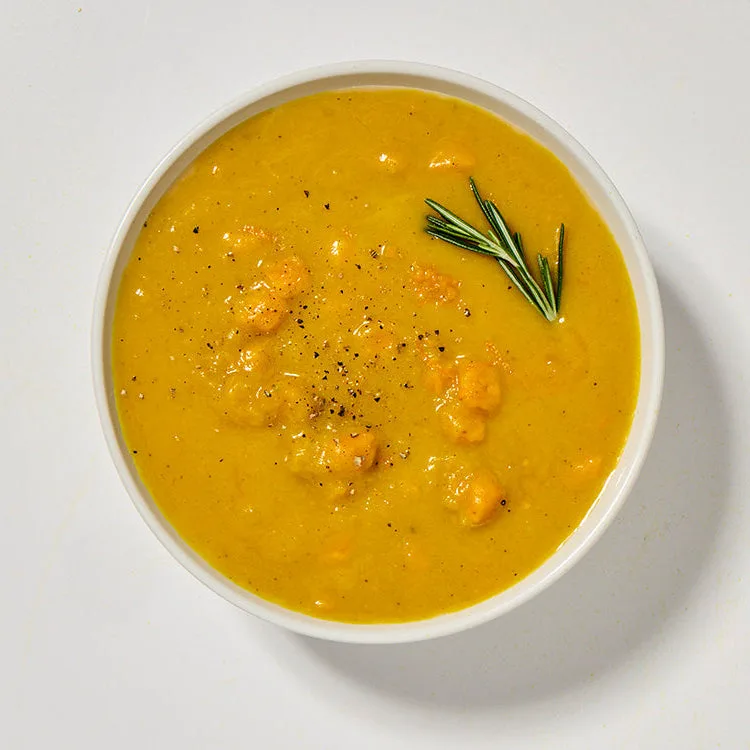
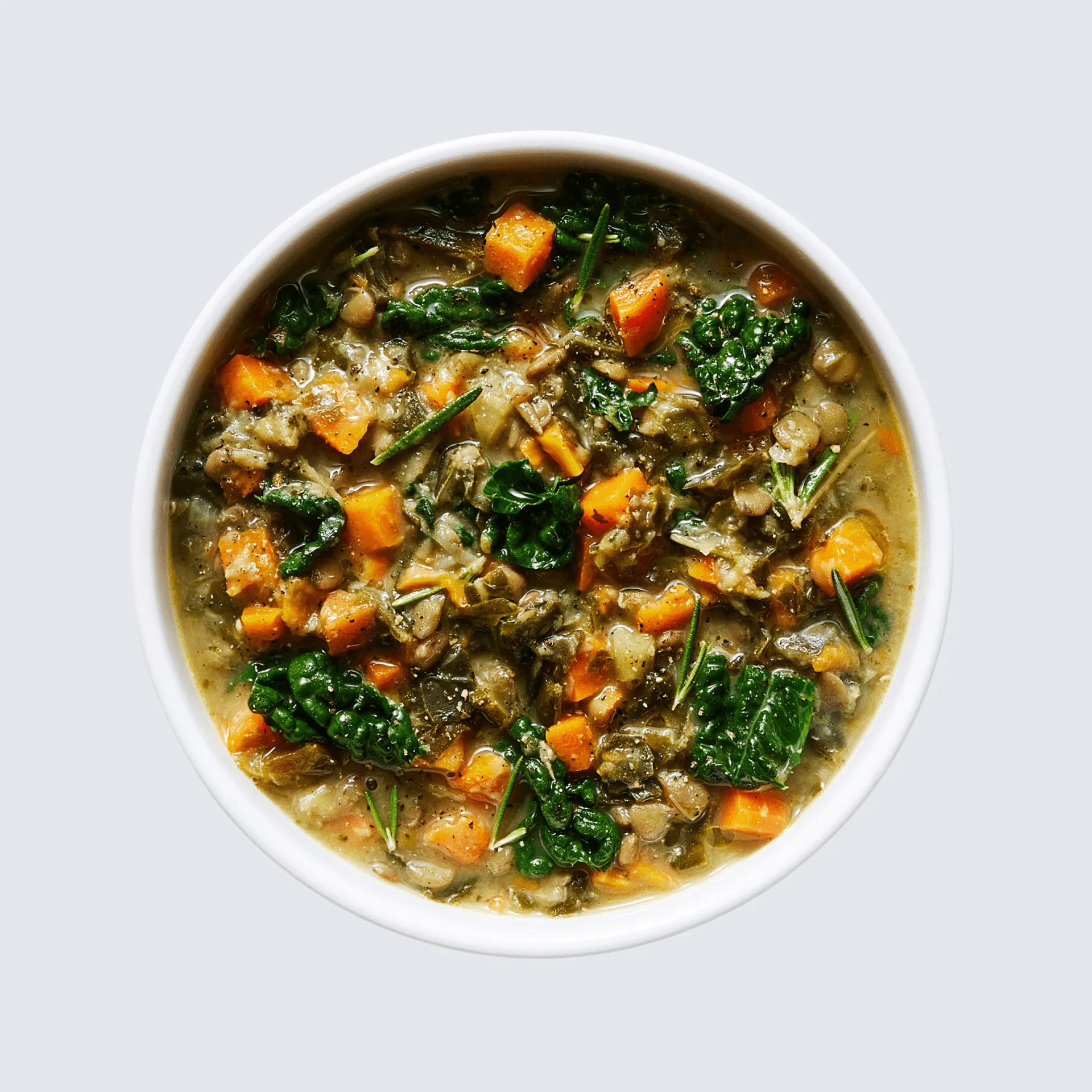
This method works wonderfully for soups like Curried Lentil Soup, where the lentils and spices need gentle heat to maintain their texture. Avoid boiling, as high heat can break down legumes and make the soup mushy. If you’re reheating a creamy soup like a butternut squash or coconut-based one, add a splash of milk or coconut milk at the end to restore creaminess.
- Use a heavy-bottomed saucepan for even heat distribution.
- Taste and adjust seasoning after reheating—freezing can dull spices, so a pinch of salt or fresh herbs can revive flavor.
Microwave Reheating: Quick and Convenient Tips
When time is tight, the microwave is a perfectly acceptable option—if you do it right. Place the frozen soup in a microwave-safe bowl and cover it with a microwave-safe lid or a damp paper towel to trap steam. Microwave on medium power (50–70%) in 2-minute intervals, stirring between each interval. This prevents the soup from overheating on the edges while staying cold in the center.
For soups like Masala Khichri Soup, which has a thicker consistency, add a tablespoon of water before microwaving to help it reheat evenly. After the soup is hot, let it sit for a minute to allow the heat to distribute. Be cautious with creamy soups—microwaving on high can cause them to curdle or separate. Always use a lower power setting and stir frequently.
- Never microwave soup in a sealed container—pressure can build up and cause a mess.
- Use a microwave-safe bowl with a vented lid to avoid splatters.
Slow Cooker or Oven Reheating for Large Batches
If you’re reheating a large batch of frozen soup for a family meal, a slow cooker or oven can be a hands-off solution. For the slow cooker, add the frozen soup directly to the pot and set it to low. Cover and heat for 2–3 hours, stirring occasionally. This method works best for broth-based soups that don’t need precise timing. For the oven, preheat to 350°F, transfer the soup to an oven-safe dish, cover with foil, and bake for 30–40 minutes, stirring halfway through.
These methods are ideal for soups like Curried Lentil Soup or a hearty vegetable soup, where gentle, even heating helps meld flavors. However, they are less suitable for creamy soups that may separate or curdle over long cooking times. Always check the internal temperature reaches 165°F for food safety.
- Add extra liquid if reheating in the oven—some evaporation occurs.
- Stir the soup every 30 minutes in the slow cooker to prevent burning on the bottom.
Tips for Specific Soup Types: Broth-Based vs. Creamy
Broth-based soups like Masala Khichri Soup or a classic vegetable soup reheat well with most methods. To keep the vegetables from getting too soft, thaw the soup partially before reheating and use a lower heat. For creamy soups, such as those with coconut milk or pureed vegetables, add a small amount of liquid (water, broth, or milk) while reheating and avoid boiling. If the soup separates, whisk it vigorously or use an immersion blender to re-emulsify.
For soups with pasta or rice, be aware that these grains continue to absorb liquid during freezing and reheating. Add a little extra broth or water when reheating to restore the original consistency. If the pasta or rice becomes too mushy, consider cooking fresh grains separately and adding them to the reheated soup just before serving.
- For creamy soups, reheat over low heat and stir constantly to prevent curdling.
- Add fresh herbs or a squeeze of lemon after reheating to brighten flavors.
Mastering the art of reheating frozen soup ensures you enjoy every bowl with the same delicious taste as the day it was made. Whether you choose the stovetop for even heating or the microwave for speed, these tips will help you avoid common mistakes. Next time you reach for a frozen soup, try the Curried Lentil Soup or Masala Khichri Soup from A Dozen Cousins—they’re crafted to reheat beautifully and make your meal effortless.