When your little one starts reaching for the spoon during mealtime, it marks an exciting milestone in their development. Self-feeding is a crucial step toward independence, but choosing the right utensils can feel overwhelming. With so many materials on the market—plastic, silicone, bamboo, and stainless steel—parents often wonder which option is safest and most effective for their baby. In this guide, we’ll focus on stainless steel baby utensils, exploring their benefits, safety considerations, and how they compare to other popular materials like silicone.
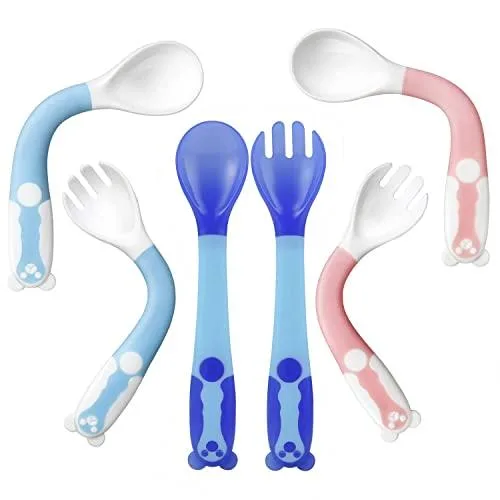
spoon
Stainless steel utensils have gained popularity among parents who prioritize durability, hygiene, and eco-friendliness. Unlike plastic, which can leach chemicals when heated, or silicone, which may stain or retain odors, stainless steel offers a non-porous, easy-to-clean surface that resists bacteria growth. But are they safe for babies? Absolutely—when designed with rounded edges and appropriate sizes, stainless steel utensils are gentle on gums and developing teeth. We’ll walk you through everything you need to know, including tips for transitioning your toddler to self-feeding with confidence.
Why Choose Stainless Steel Baby Utensils?
Stainless steel is one of the most durable materials available for baby feeding tools. It doesn’t chip, crack, or warp like plastic, and it won’t degrade over time like silicone can. This means a single set of stainless steel utensils can last through multiple children, making them a cost-effective and sustainable choice. Additionally, stainless steel is naturally free of harmful chemicals such as BPA, phthalates, and lead, which are sometimes found in lower-quality plastic utensils. For health-conscious parents, this peace of mind is invaluable.
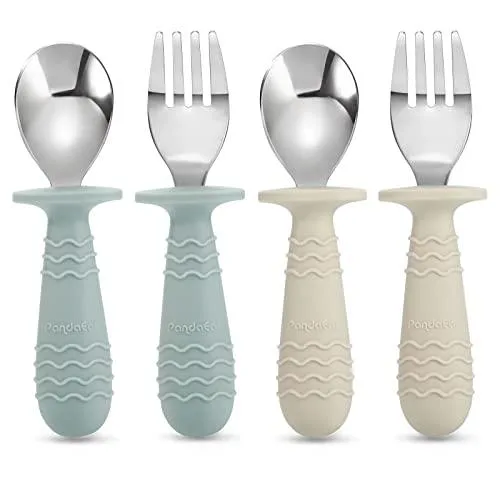
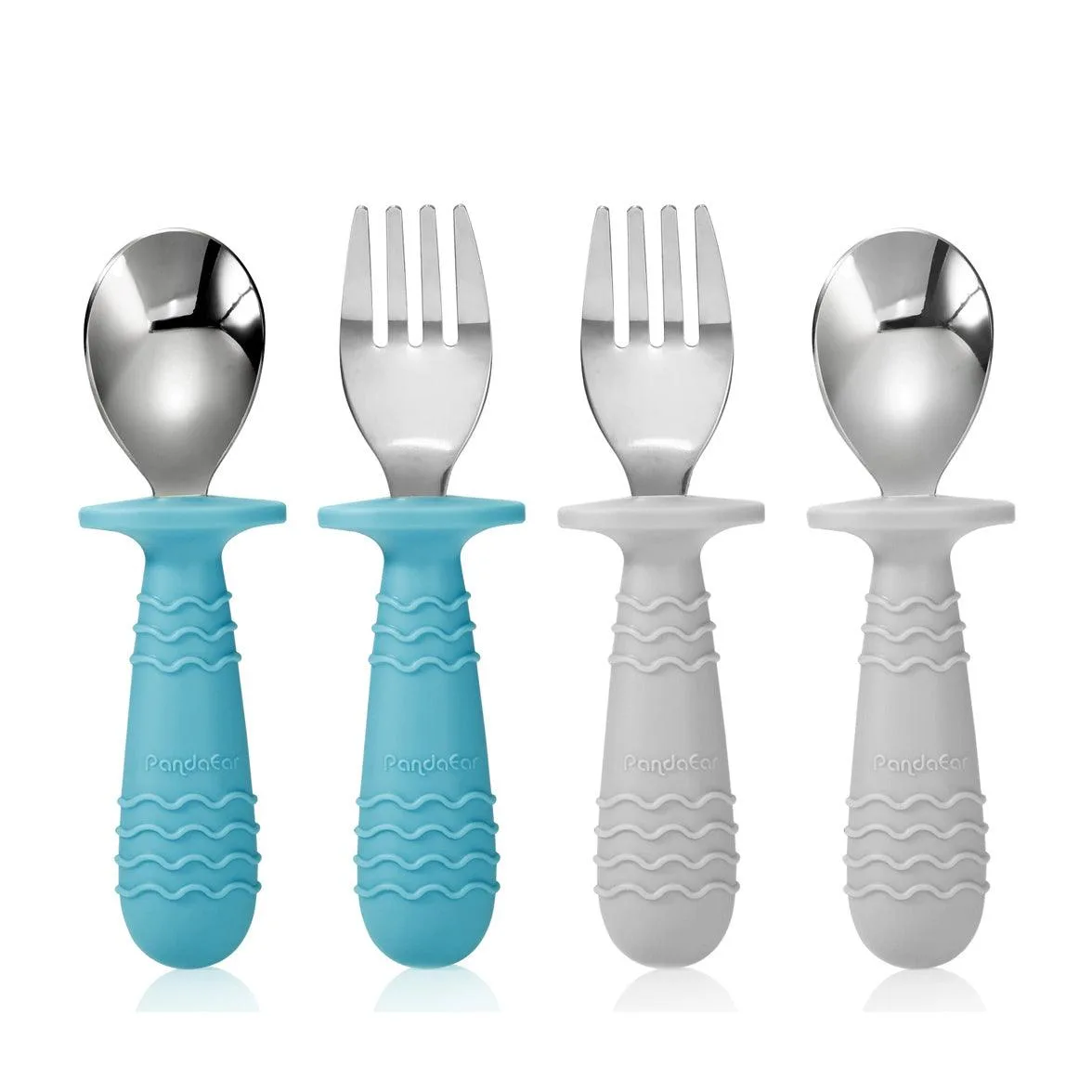
Another key advantage is temperature neutrality. Stainless steel utensils don’t retain heat like metal can in some cases, but they also don’t get as hot as silicone in a dishwasher or microwave. When used at room temperature, they feel comfortable in a baby’s mouth. Many stainless steel baby utensils also come with soft silicone handles for easier gripping, combining the best of both materials. For example, the https://terracradle.shop/products/feeding-set-120851https://terracradle.shop/products/feeding-set-120896https://terracradle.shop/products/feeding-set-120898Feeding Set from PandaEar includes a stainless steel spoon and fork with ergonomic silicone handles, making it ideal for little hands learning to scoop and stab food.
- Look for utensils with rounded, smooth edges to prevent gum irritation.
- Choose sets with short, thick handles that are easy for babies to grasp.
- Opt for 304 or 18/8 stainless steel for food-grade safety and rust resistance.
Stainless Steel vs. Silicone: Which Is Better for Baby Utensils?
Both stainless steel and silicone have their merits, but the best choice depends on your child’s age and stage. Silicone utensils are soft, flexible, and gentle on sore gums, making them a popular choice for babies just starting solids around 6 months. They are also lightweight and often come in bright colors that attract toddlers. However, silicone can be tricky to clean thoroughly because it’s porous and may absorb stains or odors from foods like tomato sauce or turmeric. Over time, silicone utensils may also develop a sticky texture if not dried properly.
Stainless steel utensils, on the other hand, are non-porous and dishwasher-safe, ensuring thorough hygiene. They are heavier than silicone, which can actually help babies learn to control the utensil’s weight during self-feeding. For toddlers around 12 months and older, stainless steel provides a more realistic transition to adult cutlery. If you’re looking for a versatile option, consider a set like the Training Cup (2 Pack) from PandaEar, which pairs well with stainless steel utensils for a complete mealtime experience. The cup’s weighted base and easy-grip handles complement the utensils, encouraging your child to drink independently.
- Silicone is best for teething babies (6–9 months) who need soft, flexible tools.
- Stainless steel is ideal for toddlers (12+ months) who are ready for more structured self-feeding.
- Many parents use both: silicone for early stages, then transition to stainless steel.
Safety Tips for Using Stainless Steel Baby Utensils
Safety is the top priority when introducing any new feeding tool. With stainless steel utensils, ensure they are free of sharp edges by running your finger along the rim before first use. Many reputable brands, including PandaEar, design their utensils with rounded tips and smooth finishes specifically for babies. Avoid utensils with decorative coatings or paints, as these may contain harmful substances. Stick to plain, food-grade stainless steel that is labeled as 304 or 18/8.
Always supervise your child during meals, especially when they are learning to use metal utensils. While stainless steel is durable, it can still cause injury if a baby falls while holding it. Store utensils out of reach when not in use. Additionally, never leave stainless steel utensils in a hot car or direct sunlight, as they can become uncomfortably warm. For a safer feeding setup, pair the utensils with a non-slip plate or bowl, such as the Plates (3 Pack) from PandaEar, which feature suction bases to prevent tipping and spills.
- Check utensils for sharp edges or burrs before each use.
- Avoid using stainless steel in the microwave—it can cause sparks and damage.
- Hand wash or use the top rack of the dishwasher to preserve the finish.
Tips for Encouraging Self-Feeding with Stainless Steel Utensils
Self-feeding is a messy but rewarding process. Start by offering pre-loaded utensils—scoop a small amount of soft food onto the spoon and hand it to your baby. This helps them understand the motion without the frustration of scooping. Over time, let them try scooping on their own. Use thick, sticky foods like yogurt, mashed potatoes, or oatmeal that stay on the spoon easily. Avoid runny soups or liquids until they master the basics.
Praise every attempt, even if most of the food ends up on the floor. Consistency is key: offer utensils at every meal, even if your baby prefers using their hands. You can also model the behavior by eating with your own utensils at the same time. To make the transition smoother, choose utensils with textured handles that provide grip, like those in the PandaEar Feeding Set. The silicone handle is soft and non-slip, helping your baby maintain control as they learn to coordinate their hand movements.
- Use a divided plate to keep different foods separate, making it easier for your baby to scoop.
- Start with a spoon before introducing a fork—scooping is easier than piercing.
- Be patient; most babies master self-feeding between 12–18 months.
Choosing the right utensils for your baby is an investment in their development and mealtime happiness. Stainless steel baby utensils offer unmatched durability, safety, and hygiene, making them a smart choice for toddlers ready to explore self-feeding. By following the tips in this guide and selecting high-quality products like the PandaEar Feeding Set, you can support your child’s independence while keeping mealtime stress-free. Explore our collection today to find the perfect tools for your little one’s journey to self-feeding success.