Hummingbirds are some of the most enchanting visitors to any backyard, but attracting them isn’t just about filling a feeder with nectar. Proper hummingbird feeder placement can make the difference between a bustling feeder and one that sits untouched. Whether you are a seasoned birdwatcher or a beginner, understanding where to hang your feeder is essential for safety, visibility, and consistent visits.
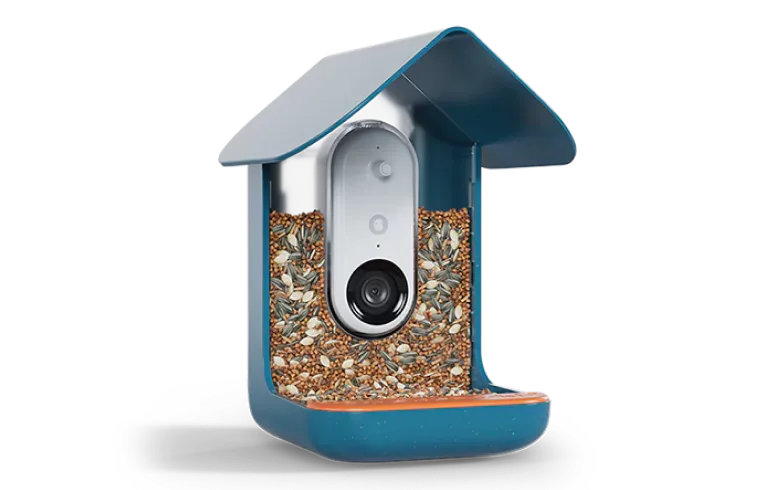
In this guide, we will walk through the key factors that determine the best place for a hummingbird feeder, including sunlight, shelter from wind, proximity to windows, and predator protection. We will also introduce you to some of the smartest tools available, such as the Smart Hummingbird Feeder Housing, which can help you monitor and attract these tiny gems with ease.
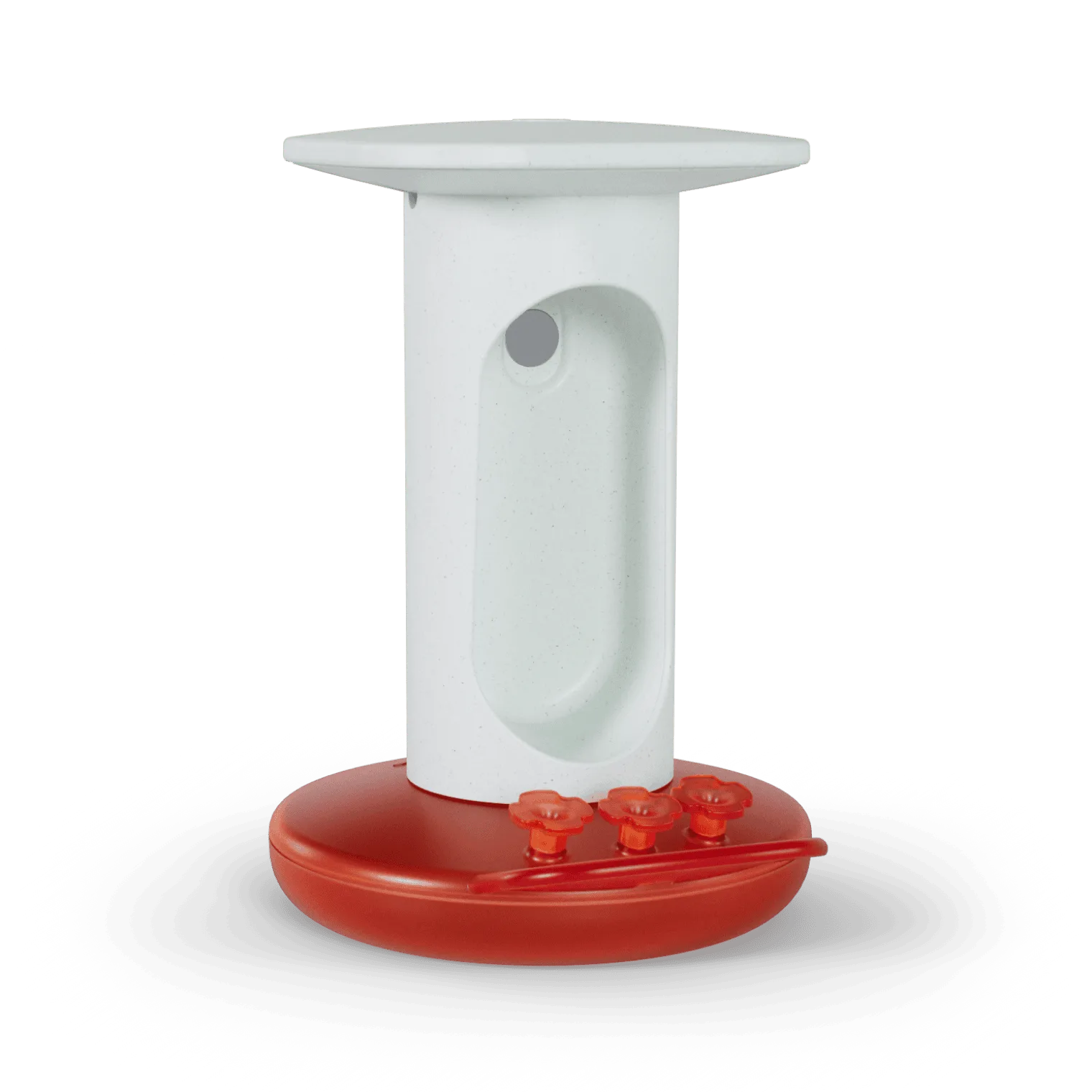
Smart Hummingbird Feeder Housing
Why Feeder Placement Matters for Hummingbirds
Hummingbirds are highly territorial and rely on specific cues to find food. A poorly placed feeder can be difficult for them to spot, expose nectar to spoilage, or even put them at risk from predators. The right placement ensures that hummingbirds feel safe while feeding, which encourages them to return regularly. It also helps you enjoy clear views of their dazzling aerial acrobatics.
Factors like direct sunlight, shade, and wind exposure all affect nectar temperature and freshness. Additionally, placing the feeder too close to windows can cause collisions, while putting it too far from cover may leave birds vulnerable. By considering these elements, you can create a haven that hummingbirds will visit all season long.
- Feeder visibility: Bright colors and movement help birds find the feeder.
- Nectar preservation: Avoid direct all-day sun to prevent fermentation.
- Safety from predators: Cats, hawks, and squirrels can pose threats.
Best Place for a Hummingbird Feeder: Light and Shade Balance
Finding the right balance between sun and shade is critical. In the morning, a spot that receives gentle sunlight helps hummingbirds warm up and locate the feeder. However, midday and afternoon sun can quickly spoil nectar, especially in warm climates. Ideal placement offers morning sun with afternoon shade, perhaps near a tree or under an eave. This keeps nectar fresh longer and reduces the need for frequent changes.
For those with smart feeders like the Smart Hummingbird Feeder Pro, you can also monitor nectar temperature and consumption via an app, making it easier to adjust placement based on real-time data. If your yard lacks natural shade, consider installing the Solar Roof accessory to both protect the nectar and power your feeder’s smart features sustainably.
- Morning sun with afternoon shade is ideal.
- Avoid placing feeders directly under heavy foliage that drips water.
- If using smart feeders, use temperature alerts to decide when to move the feeder.
Height and Visibility: Where Hummingbirds Feel Safe
Hummingbirds prefer feeders that are elevated but not too high. A height of 5 to 6 feet off the ground is generally recommended. This keeps the feeder away from cats and ground predators while still being low enough for you to refill and clean easily. It also mimics the natural height of flowers they normally feed from.
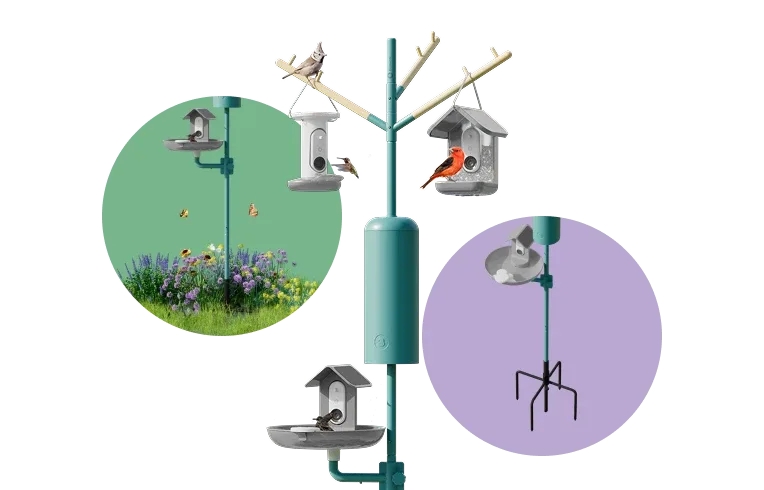
Visibility is equally important. Hummingbirds have excellent eyesight and are attracted to red and bright colors. Place the feeder in an open area where it can be seen from multiple angles. If you have a Smart Hummingbird Feeder Housing, its sleek design not only looks great but also includes perches that make feeding easier for birds and observation easier for you.
- Aim for 5–6 feet off the ground.
- Position near bright flowers or red objects to draw attention.
- Avoid dense foliage that might conceal approaching predators.
Protecting Hummingbirds from Windows and Predators
Window collisions are a major threat to hummingbirds. Placing a feeder too close to a window can result in birds flying into the glass, especially if they see a reflection of the sky. A good rule is to keep feeders either within 3 feet of a window (so birds don’t build up fatal speed) or more than 30 feet away. Decals on the glass can also help.
To deter predators like cats, avoid placing feeders near dense shrubbery where cats can hide. Use baffles or a perch extender to keep squirrels at bay. The Perch Extender attaches easily to many Birdbuddy feeders, giving birds more landing space while making it harder for larger animals to access the nectar.
- Keep feeders 3 feet or less from windows, or more than 30 feet away.
- Use a clear, safe area with no hiding spots for cats.
- Consider adding ant moats and bee guards to reduce insect competition.
Using Smart Features to Optimize Placement Over Time
Modern smart hummingbird feeders take the guesswork out of placement. With built-in cameras and sensors, they can tell you exactly when birds are visiting and how much nectar they consume. This data helps you refine feeder location: if visits drop, you can try moving the feeder a few feet to see if activity increases.
For example, the Smart Hummingbird Feeder Pro Solar combines solar power with smart monitoring, ensuring your feeder stays charged and connected even in partial shade. By reviewing the activity timeline in your app, you can identify the time of day when birds prefer your feeder and adjust its position accordingly.
- Use feeder app data to identify peak visiting hours and weather preferences.
- Experiment with small moves (1–2 feet) and observe changes over a few days.
- Pair with a Solar Roof to keep smart features running without batteries.
Placing your hummingbird feeder in the right spot is a simple but powerful way to welcome more of these swift, colorful visitors into your garden. By balancing sun and shade, ensuring safety, and leveraging smart monitoring technology, you can create an inviting environment that keeps hummingbirds coming back all season long. Ready to upgrade your setup? Explore the Smart Hummingbird Feeder Housing to combine smart placement insights with a beautiful, durable design.