The transition from crib to toddler bed is a major milestone in your child's development. It marks a shift from babyhood to independence, and while it can be exciting, it can also be a bit daunting for parents. You might worry about sleepless nights, safety concerns, or your little one simply refusing to stay in bed. But with the right approach, this change can be smooth and even fun for both of you.
In this guide, we'll cover everything you need to know: when to make the switch, how to prepare your child, what to look for in a toddler bed, and how to handle common challenges. We'll also highlight some excellent options from Oeuf NYC that make the transition easier and safer.
When Is the Right Time to Transition?
Most children move from a crib to a toddler bed between 18 months and 3 years of age. However, there is no one-size-fits-all answer. The key is to look for signs of readiness rather than relying solely on age. Common indicators include your child climbing out of the crib, showing interest in a 'big kid' bed, or simply outgrowing the crib's height or weight limits.
If your child is not showing these signs, there is no rush. Keeping them in a crib longer can actually promote better sleep because they feel secure. The American Academy of Pediatrics recommends transitioning when your child reaches 35 inches tall or when the crib rail is at or below their chest level.
- Your child can climb out of the crib consistently.
- They express a desire for a 'big kid' bed.
- They are potty training and need easy access to the bathroom.
- The crib is no longer safe due to height or weight limits.
Preparing Your Child for the Change
A successful transition starts with preparation. Talk to your child about the upcoming change in a positive, excited tone. Read books about moving to a big bed, let them help choose new bedding, and involve them in setting up the new bed. This gives them a sense of ownership and reduces anxiety.
Keep the sleep environment consistent. Use the same mattress, pillow, and favorite stuffed animals from the crib to maintain comfort. If you are switching to a new mattress, consider a dual firmness option like the Dual Firm Twin & Full-Size Mattress, which offers a firmer side for younger toddlers and a softer side as they grow. This continuity helps your child feel secure.
- Read books about transitioning to a big bed.
- Let your child pick out new sheets or a blanket.
- Set up the new bed in the same spot as the crib.
- Maintain the same bedtime routine.
Choosing the Right Toddler Bed
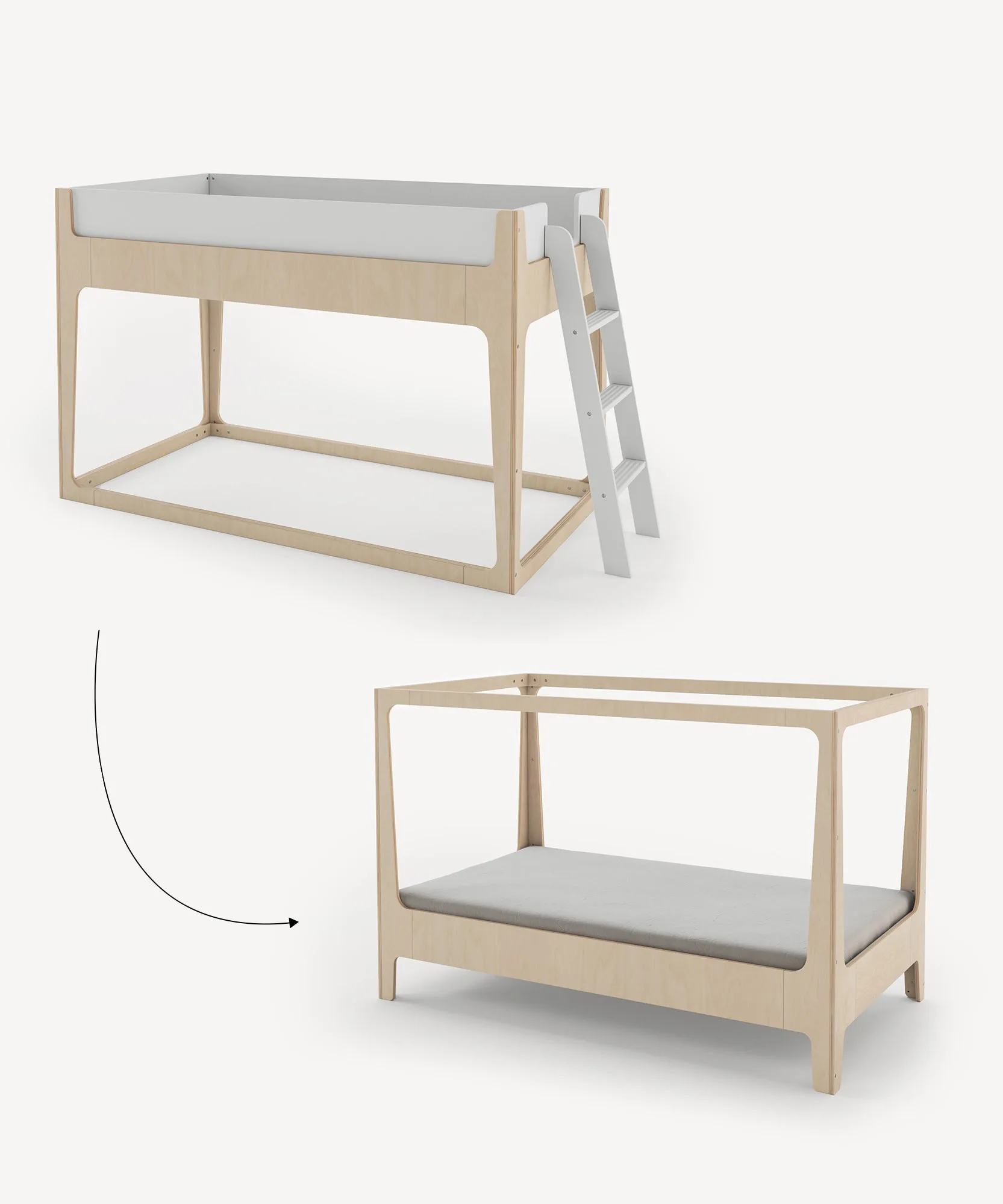
When selecting a toddler bed, safety and durability are paramount. Look for a bed that is low to the ground to minimize injury from falls, and ensure it has guardrails to prevent rolling out. Many parents prefer a convertible crib that transforms into a toddler bed, as it offers familiarity and longevity.
Oeuf NYC offers several excellent options. The Sparrow Trundle Bed is a versatile choice that can be used as a low toddler bed and later converted into a twin bed with a trundle for sleepovers. Another great option is the River Twin Bed, which is designed with a low profile and a gentle curved headboard, making it perfect for a growing child. Both beds are made from sustainable materials and meet strict safety standards.

River Twin Bed
- Choose a bed with secure guardrails.
- Ensure the mattress fits snugly without gaps.
- Look for non-toxic, durable materials.
- Consider a convertible design for long-term use.
Managing the First Few Nights
The first few nights in a toddler bed can be challenging. Your child may get out of bed repeatedly, call for you, or have trouble falling asleep. Stay calm and consistent. Use a firm, loving approach: walk them back to bed without much conversation, and praise them when they stay in bed.
Some parents find it helpful to use a toddler clock that changes color when it's time to wake up. Others use a reward chart for staying in bed all night. Be patient—this phase usually passes within a week or two. If your child is climbing out of the crib, switching to a toddler bed is actually safer than trying to prevent them from climbing.
- Use a consistent bedtime routine.
- Praise your child for staying in bed.
- Be prepared for a few nights of disrupted sleep.
- Consider a toddler clock to signal wake time.
Toddler Bed Safety Essentials
Safety is non-negotiable when transitioning to a toddler bed. Ensure the bed is placed away from windows, blinds, and cords. Secure the mattress to the bed frame so it does not shift. Use guardrails on both sides if the bed is not against a wall, and check that the bed is sturdy and free of sharp edges.
If you are using a convertible crib, make sure you have the correct hardware. For example, the https://homekids.shop/products/perch-toddler-bed-hardware-112338Perch Toddler Bed Hardware is designed specifically for the Perch collection and ensures a secure fit. Do not use makeshift solutions or hardware from other brands. Always follow the manufacturer's instructions for assembly and weight limits.
- Place the bed away from windows and cords.
- Use guardrails on both sides of the bed.
- Secure the mattress to the bed frame.
- Use only manufacturer-approved hardware for convertible cribs.
Transitioning from crib to toddler bed is a big step, but with patience, preparation, and the right gear, it can be a positive experience for your family. Oeuf NYC offers beautifully designed, safe, and sustainable toddler beds that grow with your child. Explore the Sparrow Trundle Bed for a versatile, space-saving option, or the River Twin Bed for a timeless look. Your child's next sleep adventure awaits!