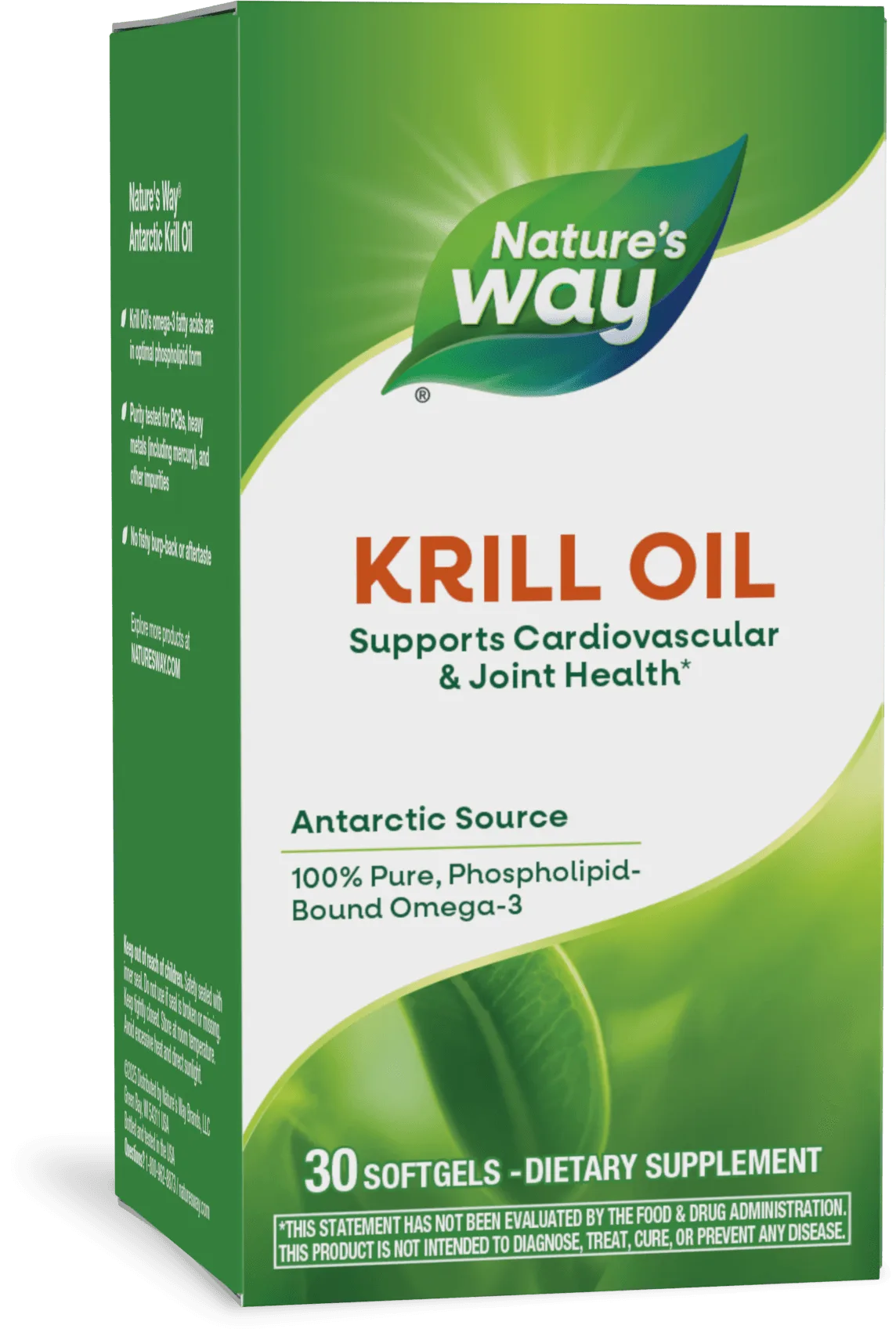
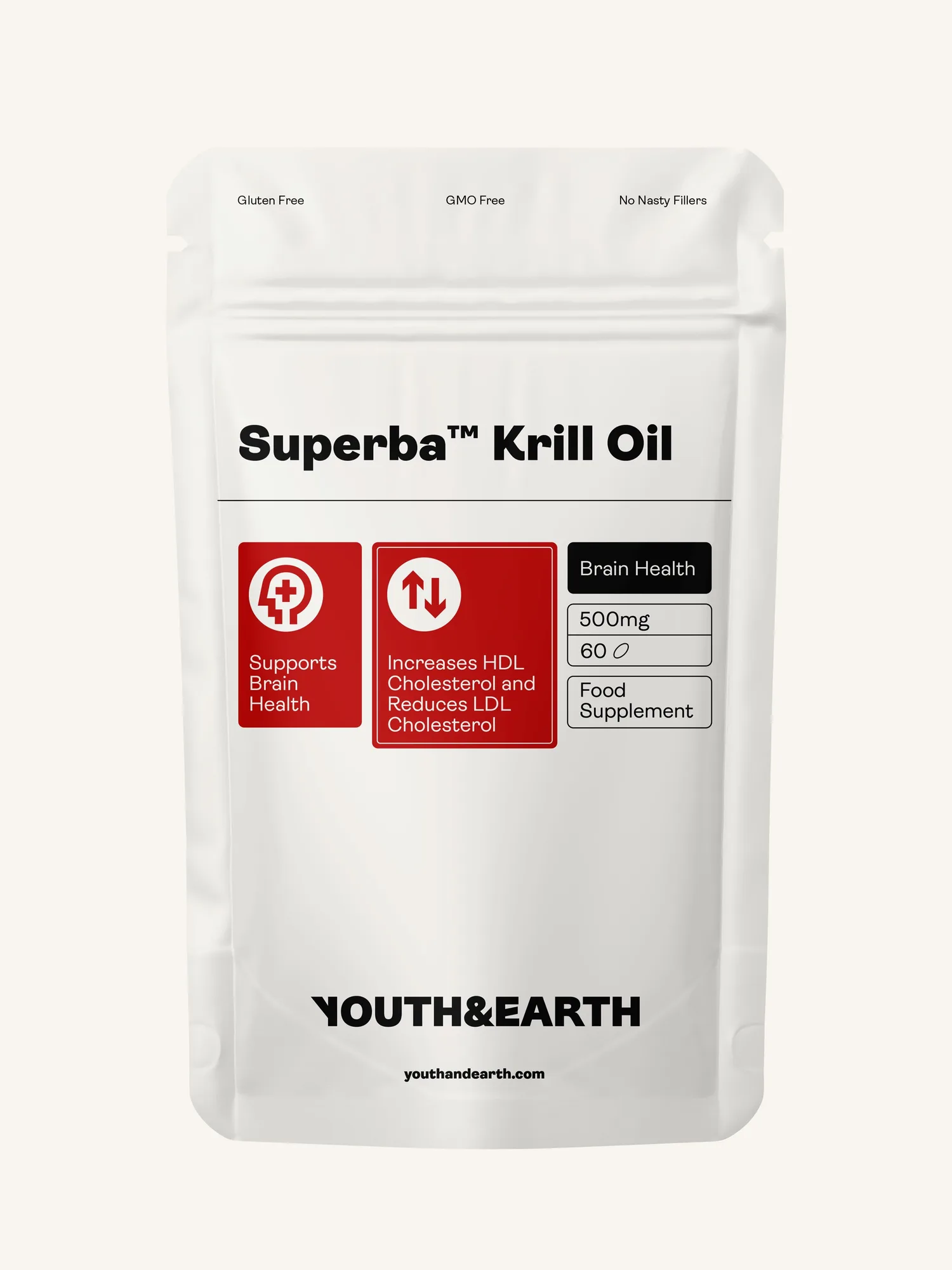
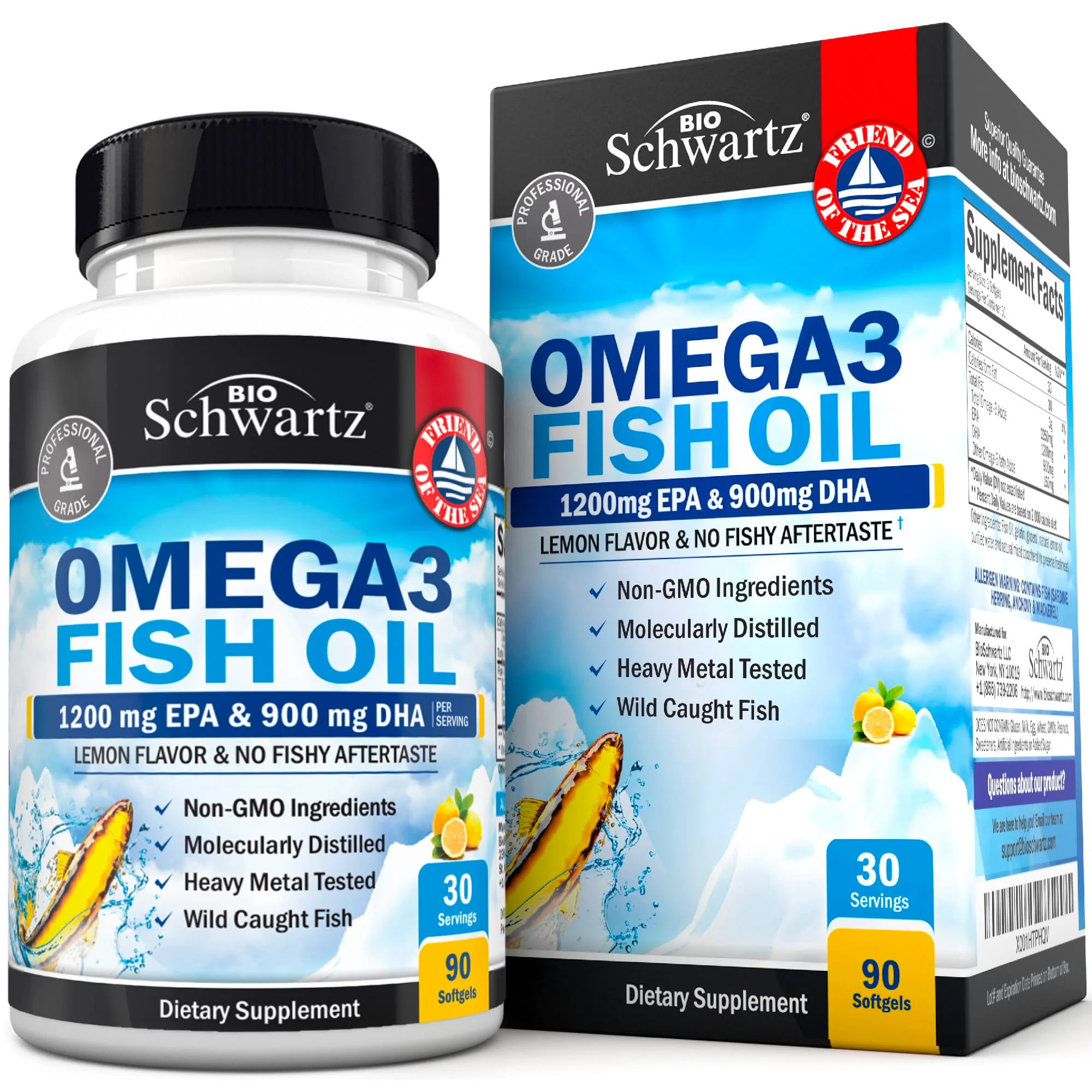
Krill Oil vs Fish Oil: What's Different?
Omega-3 supplements are a popular way to support heart, brain, and joint health. Two common sources are fish oil and krill oil. While both provide essential omega-3 fatty acids (EPA and DHA), they differ in structure, absorption, and additional nutrients. Ultra Red Krill Oil from Vitabiotics offers a unique source of omega-3s that may be more easily absorbed by the body compared to standard fish oil.
This comparison focuses on the key differences to help you decide which omega-3 supplement fits your routine. We'll look at absorption, purity, and what the evidence shows.
Key Product Facts at a Glance
-
Ultra Red Krill Oil: Ultra Red Krill Oil provides you with pure Krill oil - a special source of Omega-3 that’s more easily absorbed through the body than standard Omega-3. This suggests that krill oil may deliver omega-3s more efficiently, potentially allowing for lower doses or faster benefits.
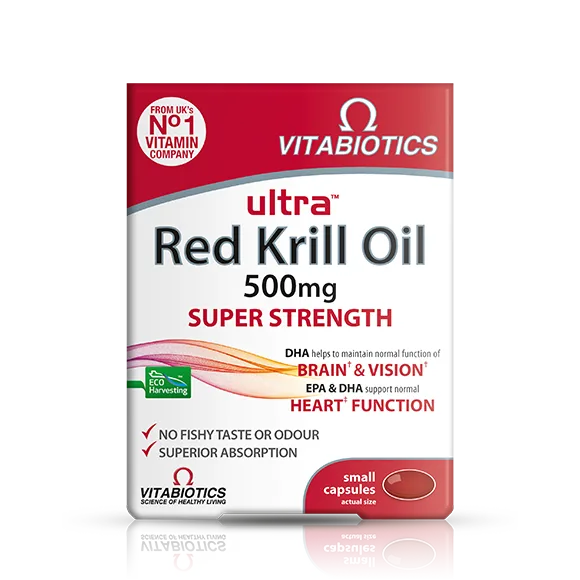
Ultra Red Krill Oil
Absorption and Bioavailability
One of the main advantages claimed for krill oil is superior absorption. The omega-3s in krill oil are primarily in the form of phospholipids, which are more easily taken up by the body's cells compared to the triglyceride form found in most fish oils. Ultra Red Krill Oil is described as a special source that is more easily absorbed than standard omega-3, making it a potential option for those who want efficient delivery.
Fish oil, on the other hand, has a long track record of research and is generally well-absorbed, especially when taken with a meal containing fat. For most people, both forms will raise omega-3 levels, but krill oil may achieve similar levels with a smaller dose.
Additional Nutrients: Astaxanthin
Krill oil naturally contains astaxanthin, a powerful antioxidant that gives krill their reddish color. Astaxanthin helps protect the delicate omega-3 fatty acids from oxidation and may offer additional anti-inflammatory benefits. Standard fish oil does not contain astaxanthin unless it is added separately.
If you are looking for a supplement that combines omega-3s with a natural antioxidant, krill oil like Ultra Red Krill Oil provides this combination in one capsule.
Purity and Sustainability
Both fish oil and krill oil can be sourced from sustainable fisheries. Krill is harvested from the Antarctic Ocean under strict quotas to protect the ecosystem. Fish oil is often derived from small, oily fish like anchovies and sardines, which are also managed for sustainability.
Ultra Red Krill Oil is a pure krill oil product. When choosing any omega-3 supplement, look for brands that test for contaminants like heavy metals and PCBs. The supplied information for Ultra Red Krill Oil does not specify third-party testing, so you may wish to contact the manufacturer for details if this is a priority for you.
Which One Should You Choose?
The choice between krill oil and fish oil often comes down to personal preference and specific needs. If you want a supplement that may be more easily absorbed and includes natural astaxanthin, Ultra Red Krill Oil is a strong option. Its phospholipid structure may be gentler on the stomach for some people, and smaller capsules can be easier to swallow.
Fish oil remains a well-studied, cost-effective choice that provides ample EPA and DHA. It is widely available and has decades of research supporting its benefits. For those on a budget or who prefer a traditional supplement, high-quality fish oil is a reliable option.
Ultimately, both can effectively increase your omega-3 levels. The best supplement is the one you will take consistently.
What the Evidence Does Not Confirm
While Ultra Red Krill Oil claims superior absorption, the supplied information does not include specific clinical study results or numerical comparisons to fish oil. The exact EPA and DHA content per capsule is not provided, so you cannot directly compare milligram amounts. Additionally, there is no information on recommended dosage or whether the product is suitable for children or during pregnancy. Always consult a healthcare professional before starting a new supplement regimen.