What the catalog tells you about Ultracare
Ultracare Topical Anesthetic Gel is a flavored 20% benzocaine oral anesthetic gel. The supplied catalog describes it as providing rapid, profound topical anesthesia. That is the core product identity you need before planning any pre-injection step: a benzocaine gel intended for topical oral use, not a substitute for injected anesthetic or a diagnostic tool.
The catalog record does not include preparation steps, dwell time, maximum dose, patient-selection criteria, or compatibility with specific tissues. Those details are not confirmed by the supplied information, so treat them as items to verify against the manufacturer's full labeling and your practice's protocol rather than guessing from general habits.
Product facts that shape the decision
-
Ultracare™ Topical-Anesthetic Gel: Ultracare Topical Anesthetic Gel is a flavored 20% benzocaine oral anesthetic gel. The 20% benzocaine concentration and oral-use designation define the product category; they are the starting point for matching it to a pre-injection routine.
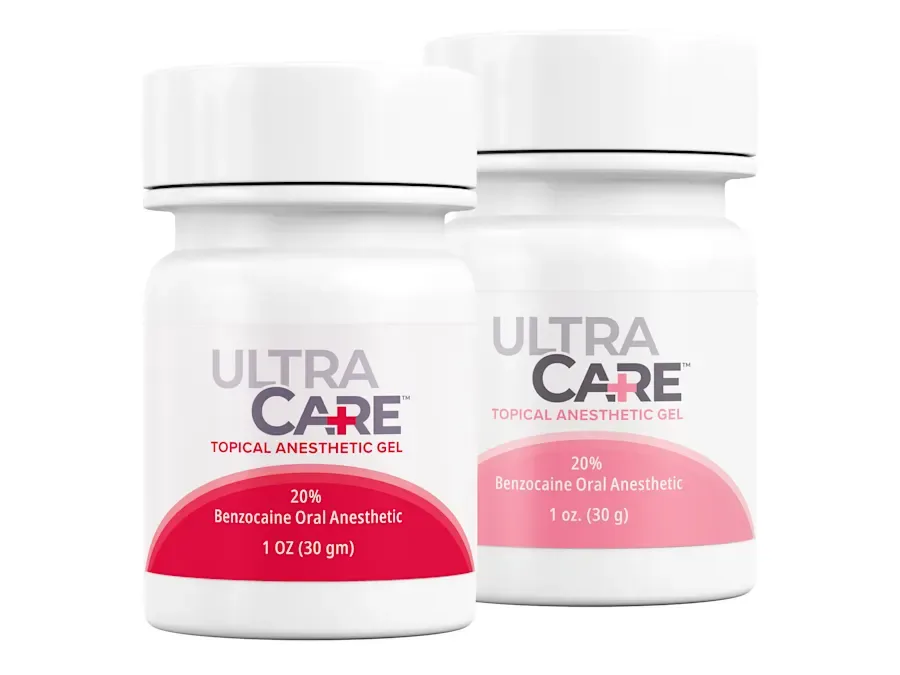
Ultracare™ Topical-Anesthetic Gel
-
Ultracare™ Topical-Anesthetic Gel: The catalog describes the gel as providing rapid, profound topical anesthesia. This is the intended benefit to evaluate against your workflow, but the catalog does not specify a dwell time or onset measurement, so confirm those details before standardizing use.
A safe pre-injection sequence with checkpoints
The catalog does not supply a step-by-step procedure, so the sequence below is a decision framework. Each checkpoint tells you what to confirm before you move forward.
- Confirm the product is appropriate for the patient and site: The catalog identifies Ultracare as a flavored 20% benzocaine oral anesthetic gel. It does not list contraindications, age limits, or site restrictions. Check the manufacturer's full labeling and your own patient-screening process before applying it to any patient.
- Verify the dwell time and amount from the manufacturer's instructions: The supplied record does not state how long to leave the gel in place or how much to apply. Do not rely on habit or a generic number; use the current manufacturer instructions for dwell time and quantity.
- Apply according to the verified instructions, not a generated protocol: Because the catalog gives no application steps, the safe approach is to follow the manufacturer's directions exactly. This article cannot replace those directions or professional judgment.
- Assess the response before injection: The catalog says the gel is intended for rapid, profound topical anesthesia, but it does not define how to assess anesthesia. Use your clinical training and the patient's feedback to decide whether the site is ready; do not treat the catalog description as a guaranteed outcome.
- Document what you used and what you observed: The catalog does not provide a documentation template. Record the product, the amount and dwell time you used per your verified instructions, and any patient response, so your team can review consistency over time.
Benzocaine gel handling tips the catalog supports
The catalog confirms the product is a flavored 20% benzocaine oral anesthetic gel but does not list storage conditions, cross-contamination controls, or disposal rules. The tips below are limited to what the supplied evidence supports; confirm all handling details with the manufacturer and your infection-control policy.
- Keep the product identity visible: Because the catalog specifies 20% benzocaine, label and store the gel so it is not confused with other topical products in the operatory. The catalog does not describe packaging or labeling, so verify the actual product label when it arrives.
- Do not extrapolate dwell time from the word rapid: The catalog uses rapid to describe the intended anesthesia, but it does not give a time. Treat any specific dwell time as unconfirmed until you check the manufacturer's instructions.
- Separate patient instructions from clinical claims: The catalog does not provide patient instructions. If you explain the product to a patient, stick to what the label and manufacturer say; do not invent expected sensations or durations.
What to confirm before you standardize Ultracare in your practice
The supplied record is thin on operational detail: no preparation steps, no dwell time, no maximum dose, no compatibility list, and no storage instructions. That does not mean those details do not exist; it means they are not confirmed in the information available here. Before you make Ultracare your default pre-injection gel, obtain the full manufacturer labeling and compare it with your existing protocol.
Two practical checks are worth doing first. Confirm the intended use matches your site and patient population, since the catalog only states oral use. Then confirm the handling requirements your team will follow, because the catalog does not supply them. If either check cannot be resolved from the manufacturer's documentation, that is a reason to pause rather than to fill the gap with assumption.
Ultracare is priced at USD 179.55 in the catalog, with a comparison price of USD 285.00. Price alone should not drive the decision; the more important question is whether the verified instructions fit your workflow.