Choosing the right ultralight shelter system can make or break a backpacking trip. Every gram counts when you're carrying your home on your back, and the debate between tarps, bivvy sacks, and lightweight tents is as old as the ultralight movement itself. Each option offers a unique balance of weight, protection, comfort, and cost.
In this guide, we break down the key differences between tarps, bivvies, and tents to help you decide which ultralight shelter system suits your hiking style. Whether you're a seasoned thru-hiker or a weekend warrior, understanding the trade-offs will save you weight, money, and frustration on the trail.
Tarp Shelters: The Ultralight Minimalist's Choice
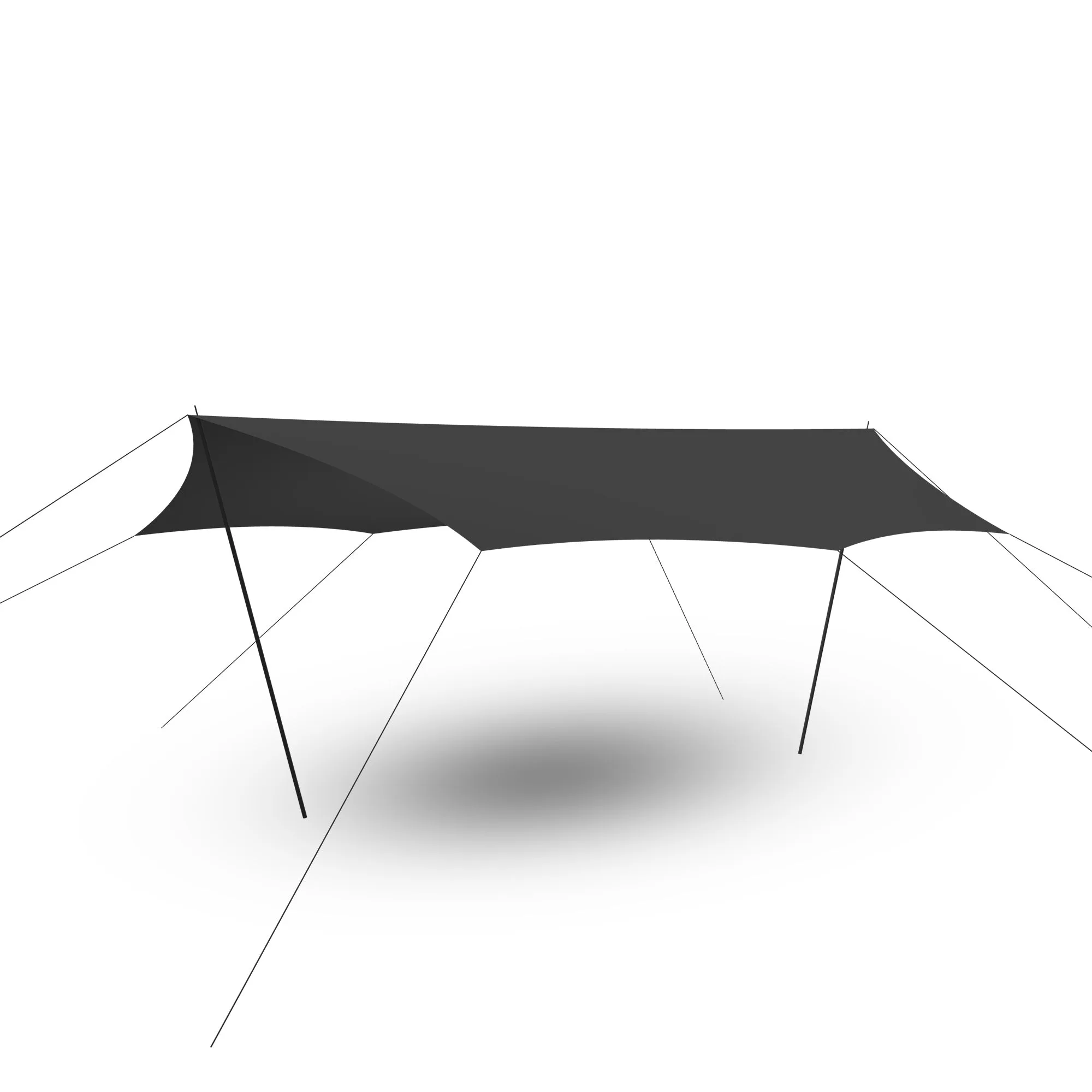
Tarps are the lightest shelter option, often weighing under 300 grams (10 oz) for a solo setup. They consist of a waterproof fabric sheet that you pitch with trekking poles, trees, or dedicated poles. The main advantage is incredible weight savings and packability. A tarp also offers excellent ventilation, reducing condensation inside your shelter. However, they provide no bug protection and require more skill to pitch securely in wind or rain. For experienced backpackers who enjoy a close connection to the outdoors, a tarp is a rewarding choice. The Re-stored DAWN M Tarp is a great example of a versatile, lightweight tarp that can be configured in multiple pitches for different weather conditions.
Tarps work best in dry climates or when paired with a separate bug bivvy. They are also ideal for group camping, as larger tarps can cover multiple people. The learning curve is real: you need to know how to tie knots, choose anchor points, and adjust to changing weather. But once mastered, a tarp setup can be faster to pitch than many tents and offers unmatched views.
- Weighs 150–400 g for solo tarps
- Excellent ventilation and no condensation issues
- Requires trekking poles or trees for setup
- No bug protection unless combined with a bivvy
Bivvy Sacks: The Ultimate Compact Shelter
Bivvy sacks (bivvies) are essentially waterproof covers for your sleeping bag. They are the most compact shelter option, often packing down to the size of a water bottle. A bivvy provides full protection from rain and wind, and some models include a small hoop over the face area to keep the fabric off your face. The main downside is limited interior space: you can't sit up or store gear inside easily. Condensation can also be an issue in humid conditions, though breathable fabrics help.
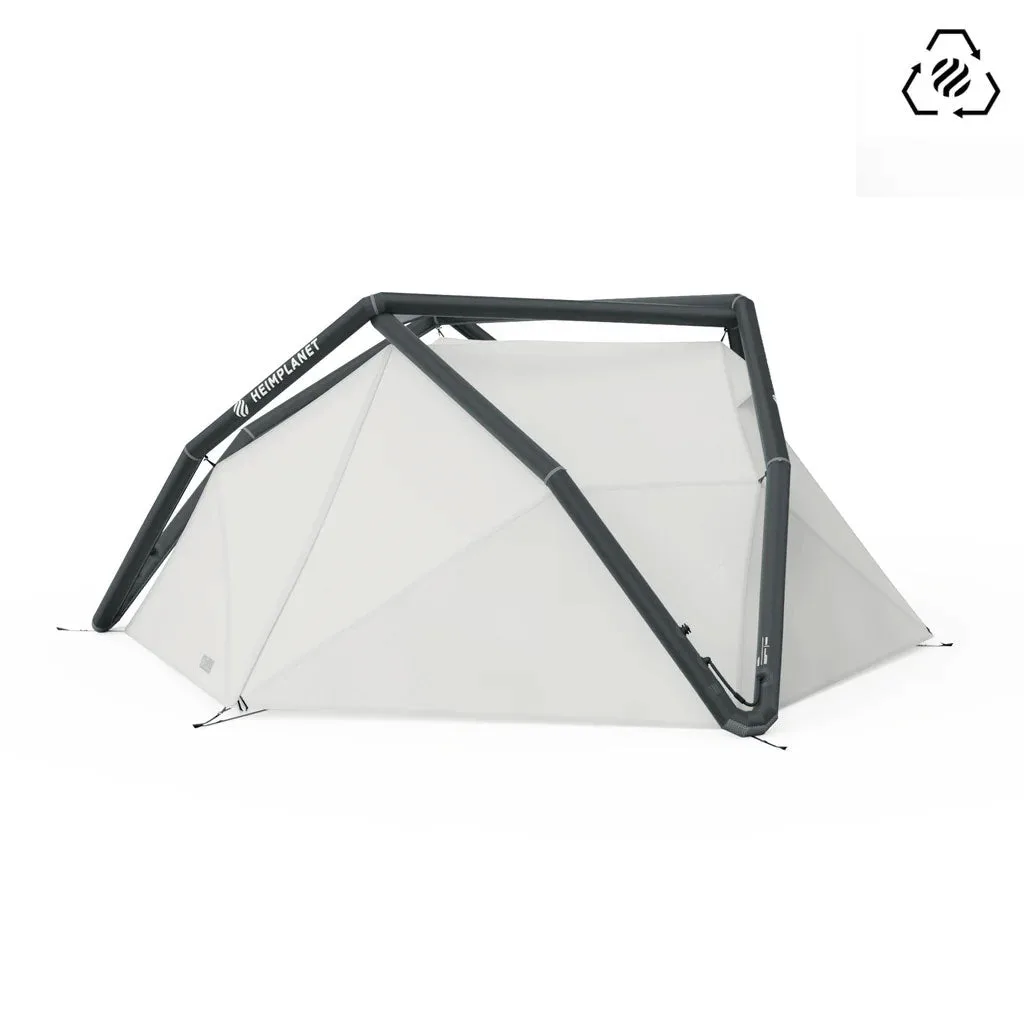
Bivvies are perfect for alpine climbing, fast-and-light missions, or when you need to camp on narrow ledges where a tent won't fit. They pair well with a lightweight tarp for extra headroom. For solo hikers who prioritize speed and minimalism, a bivvy is a classic choice. Brands like Heimplanet offer innovative bivvy-style shelters that combine the best of both worlds.
- Weighs 200–500 g, packs extremely small
- Full waterproof and windproof protection
- Minimal interior space – no room for gear
- Condensation can be an issue without proper ventilation
Lightweight Tents: The Comfort and Versatility Standard
Lightweight tents remain the most popular shelter choice for backpackers who want a balance of weight, protection, and livability. Modern ultralight tents weigh between 800 g and 1.5 kg (1.8–3.3 lb) and offer full bug protection, weather resistance, and interior space for gear. They are freestanding or semi-freestanding, making them easy to pitch on varied terrain. The main trade-off is higher weight compared to tarps or bivvies, but the added comfort and convenience often justify the extra ounces.
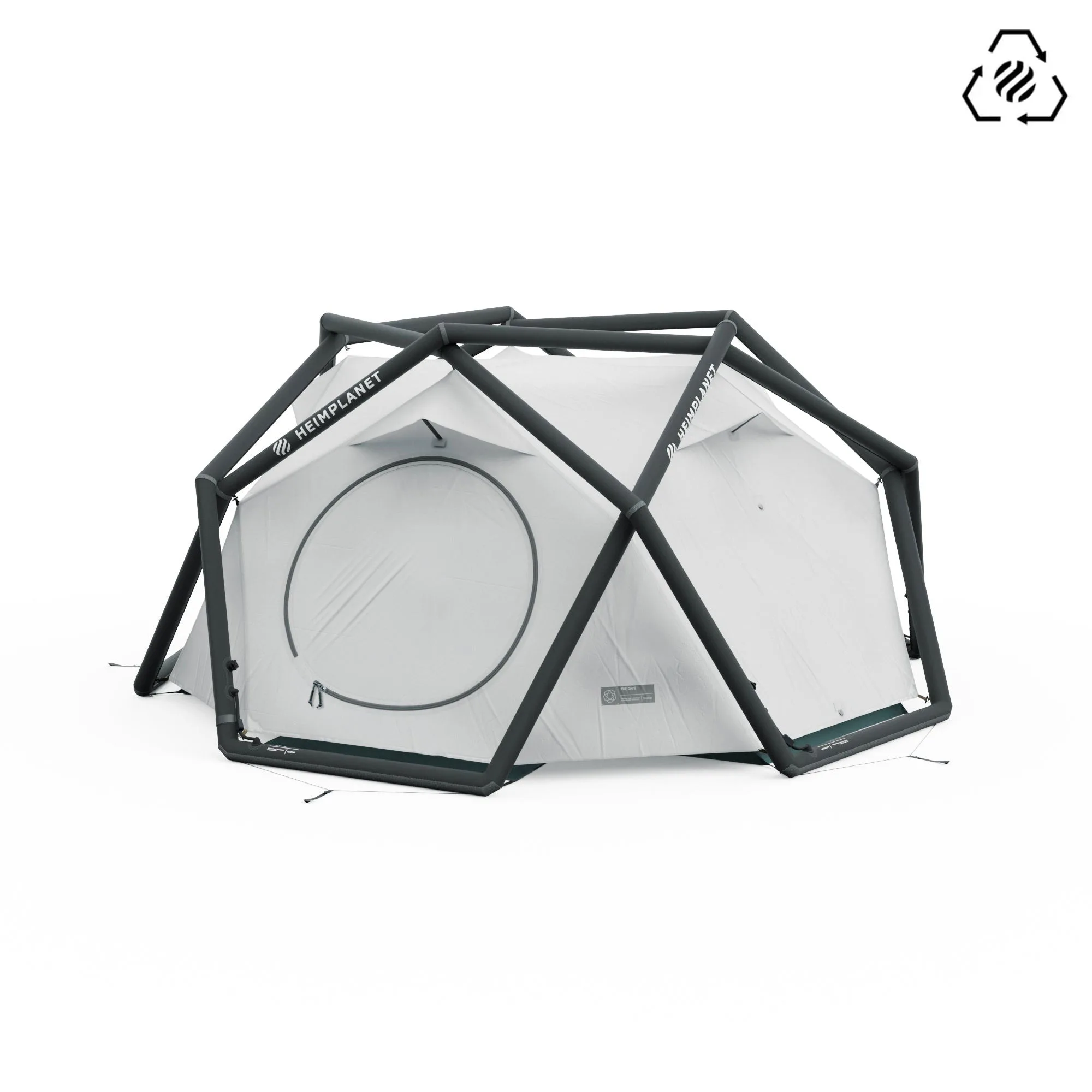
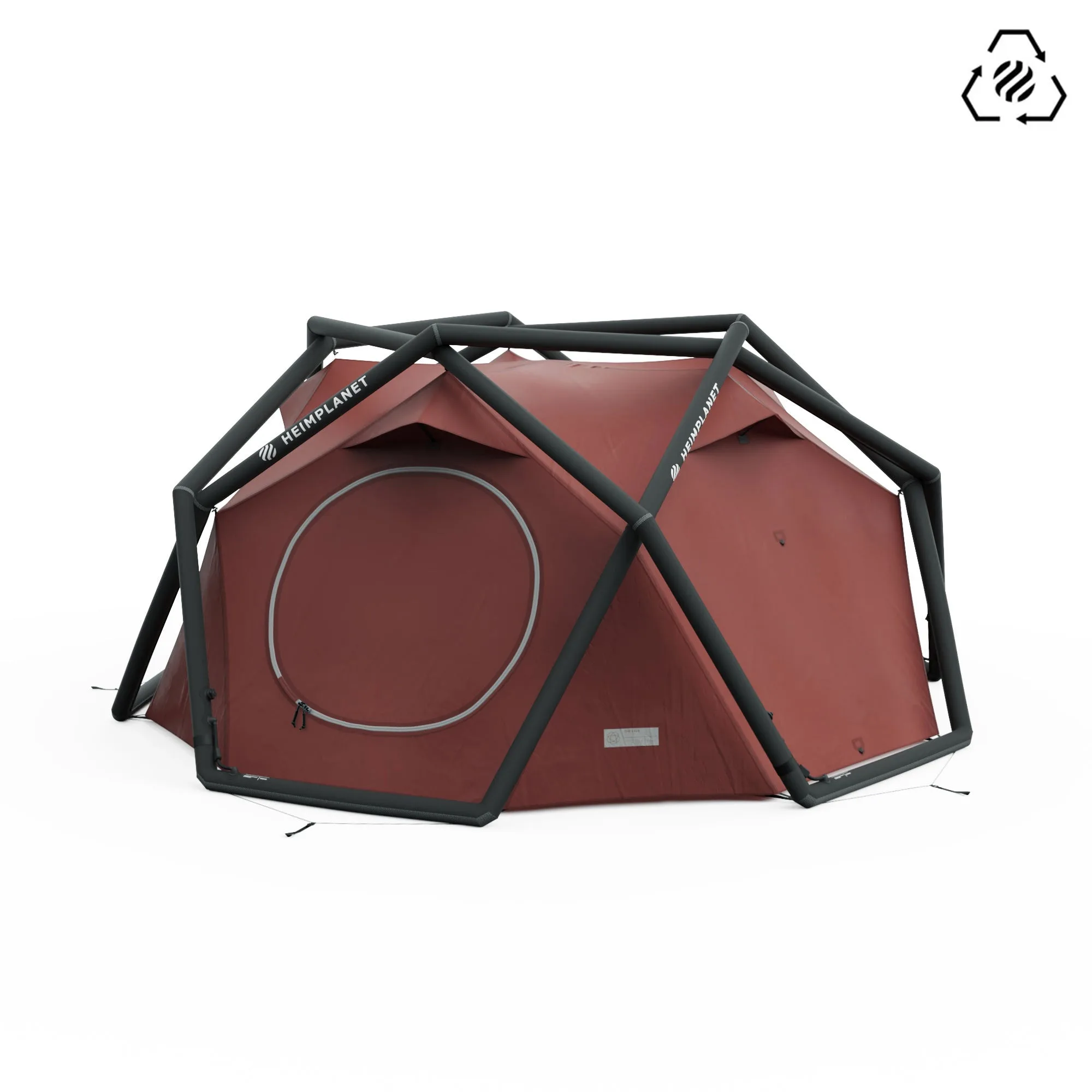
For three-season backpacking, a tent like the Re-stored THE CAVE XL is an excellent choice. It offers ample headroom, dual doors for easy entry, and a robust fly that handles rain and wind. Tents also provide privacy and a sense of security that tarps and bivvies lack. If you camp in buggy areas or expect frequent rain, a tent is the most reliable option.
- Weighs 800–1500 g for solo/duo models
- Full bug and weather protection
- More interior space for gear and comfort
- Heavier and bulkier than tarps or bivvies
Tarp vs Bivvy vs Tent: Quick Comparison Table
To help you decide at a glance, here is a side-by-side comparison of the three shelter types across key factors: weight, protection, livability, and ease of use.
- Weight: Tarp (lightest) > Bivvy (medium) > Tent (heaviest)
- Bug Protection: Tent (best) > Bivvy (good) > Tarp (none)
- Weather Protection: Tent (best) > Bivvy (good) > Tarp (moderate with skill)
- Ventilation: Tarp (best) > Tent (good) > Bivvy (moderate)
- Livability: Tent (best) > Tarp (good) > Bivvy (minimal)
- Setup Time: Tarp (fast with practice) > Tent (moderate) > Bivvy (fastest)
How to Choose the Right Ultralight Shelter for Your Trip
Your choice depends on the trip's environment, duration, and your personal preferences. For dry, bug-free climates and experienced users, a tarp is the lightest and most versatile option. For alpine or fast-and-light missions where every gram counts, a bivvy is unbeatable. For most backpackers, especially those new to ultralight camping, a lightweight tent offers the best all-around performance.
Consider the seasons: a 3-season tent like the Re-stored THE CAVE XL handles spring, summer, and fall conditions well. If you expect heavy snow or extreme winds, look for a 4-season model. Also, think about how you sleep: if you're claustrophobic, avoid bivvies. If you hate condensation, lean toward a tarp or well-ventilated tent.
- Dry, bug-free trips: tarp is ideal
- Alpine or minimal space: bivvy works best
- General 3-season backpacking: lightweight tent is the safest bet
- Always test your shelter at home before heading out
No single shelter system is perfect for every trip. The best ultralight shelter is the one that fits your specific needs, terrain, and comfort level. If you're ready to upgrade your backpacking setup, explore the Re-stored DAWN M Tarp for a lightweight, packable tarp that offers multiple pitch configurations. Pair it with a bivvy or use it solo – the choice is yours. Happy trails!