Quick answer
Super Sofubi is a larger-format soft vinyl Ultraman figure line, and it is the fastest way to get a shelf presence that standard 6-inch vinyl figures cannot match. Buy one if you want a display piece rather than a play item, and check the head, joints, and paint before you commit. If you are new to sofubi, start with a single character you already like instead of a set.
What makes a Super Sofubi different from a standard vinyl figure?
Super Sofubi figures are soft vinyl kaiju and hero figures built at a noticeably larger scale than the typical 6-inch vinyl toy. That extra size changes how they read on a shelf: they hold a pose, they show more surface detail, and they work as a centerpiece instead of a filler. Standard vinyl figures are cheaper, easier to store, and easier to replace, so they suit people who want many characters. Super Sofubi suits people who want fewer, bigger pieces. The tradeoff is space and price, and vintage Super Sofubi in particular can be hard to find complete and undamaged.
What should I check first on a vintage Ultraman figure?
Check the head and neck first, then the joints, then the paint. Soft vinyl is flexible, so the head is the part most likely to have warped, become sticky, or separated from the body over time. Squeeze the figure gently and listen for cracking or stiffness. Look at the shoulder and hip joints for stress marks or repairs. Paint rubs on the chest crest, eyes, and fins are common on older figures and are usually the clearest sign of how the figure was stored. Ask the seller directly about anything you cannot see in photos, especially if the listing notes box damage.
Is box damage a dealbreaker?
It depends on whether you are buying the figure or the packaging. If you plan to display the figure out of the box, a damaged box is mostly a shipping and storage concern, and it usually lowers the price. If you collect sealed or boxed pieces, box condition matters much more, and you should expect to pay for it. Be aware that a sticky head or a soft, tacky surface is a figure condition issue, not a box issue, and it will not be fixed by a better box. Decide which one you actually care about before you compare prices.
How do I store sofubi so it does not get sticky or warped?
Keep sofubi out of direct sun, away from heaters, and out of hot cars or attics. Soft vinyl reacts to heat and light, and long exposure is what turns a surface tacky and causes leaning. Store figures upright on a stable shelf rather than stacked in a bin, and avoid pressing them against each other for long periods. If you box them, use acid-free tissue or a clean cotton cloth between the figure and any printed cardboard. Dust with a soft dry brush or a microfiber cloth; skip alcohol and household cleaners, which can dull or smear paint.
Should a beginner buy one big figure or several smaller ones?
Start with one. A single large sofubi teaches you how the material feels, how much space it really takes, and what condition issues look like in person. Once you know that, adding smaller figures is easy and you will make better choices. If you are drawn to a specific character, buy that character rather than a generic lot, because a figure you actually want stays on display instead of going into storage. Collecting is slower and more enjoyable when each piece has a reason to be there.
Quick checks before you buy
Head and neck
Ask whether the head is sticky, loose, or repainted, since this is the most common problem on older soft vinyl. If the seller will not answer, treat it as a pass.
Joints and paint
Look for stress marks at the shoulders and hips and for rubs on the chest crest, eyes, and fins. Minor rubs are normal on vintage pieces; cracks and repairs are not.
Box versus figure
Decide whether you are paying for the packaging or the figure, because box damage and figure damage are priced differently. For display, prioritize figure condition over box condition.
Catalog facts worth knowing
- Ultraman : Super Sofubi Figure - Ultraman Taro - Entertainment Hobby Shop Jungle: Ultraman Taro Super Sofubi Figure, manufactured by Banpresto, released 2004, approximately 16 inches tall, listed with box damage and a sticky head, pre-owned. At 16 inches it is a genuine centerpiece, and the listed sticky head is the exact condition issue to ask about before buying.
- Fate/Grand Order: Figure - Saber/Altria Pendragon Dress Ver. 1/7 Scale(105077622) - Entertainment Hobby Shop Jungle: Fate/Grand Order Saber/Altria Pendragon Dress Ver. 1/7 scale figure by Alter, released 2021, approximately 8.97 inches tall, listed with slight box damage, pre-owned. A useful comparison point if you are deciding between a large soft vinyl piece and a smaller, more detailed scale figure.
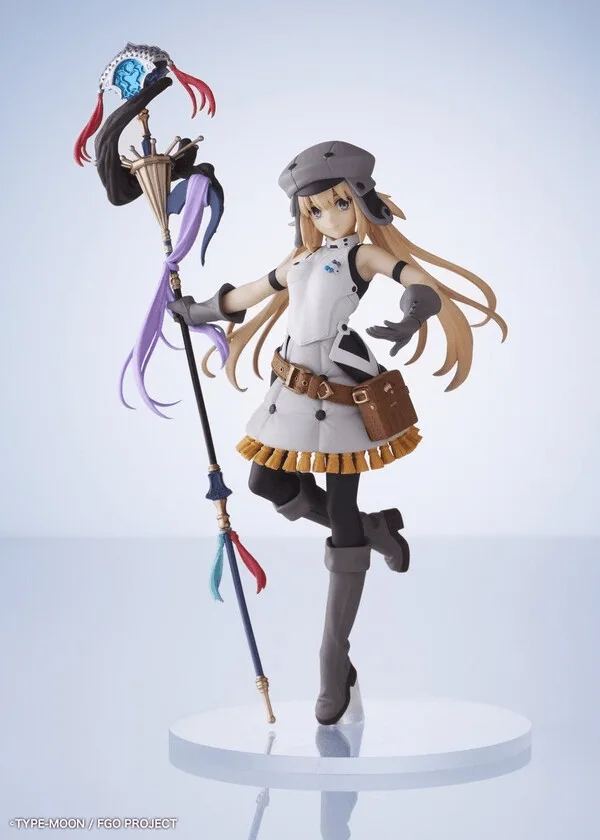
- Fate/Grand Order: Scale Figure - ConoFig Berserker/Morgan (87262M)(105108805) - Entertainment Hobby Shop Jungle: Fate/Grand Order ConoFig Berserker/Morgan scale figure by Aniplex+, released 2024, approximately 8 inches tall. A newer, smaller option that takes far less shelf space than a Super Sofubi figure.