When you browse the shelves of your favourite coffee shop or online store, you’ve likely noticed labels like Fair Trade, Organic, or Rainforest Alliance stamped on bags of beans. These certifications are more than just marketing badges—they represent a commitment to ethical sourcing, environmental stewardship, and quality standards that can directly influence the flavour in your cup. But with so many seals and claims, it’s easy to feel overwhelmed. What does each certification actually guarantee? And how should they guide your purchasing decisions?
In this guide, we’ll break down the most common coffee certifications, explain what they mean for farmers, roasters, and drinkers, and help you choose beans that align with your values—without sacrificing taste. Whether you’re a seasoned home barista or just starting your coffee journey, understanding these labels empowers you to make informed, impactful choices.
What Are Coffee Certifications and Why Do They Matter?
Coffee certifications are third-party verified standards that assure consumers a product meets specific criteria in areas like environmental sustainability, labour rights, or production methods. They emerged in response to growing consumer demand for transparency and ethical practices in global supply chains. For coffee, a crop often grown in developing nations with complex social and ecological challenges, certifications help ensure that the people behind your morning brew are treated fairly and that the land is protected for future generations.
These certifications matter because coffee production can have significant environmental and social impacts. Conventional farming may involve heavy pesticide use, deforestation, and unfair labour practices. By choosing certified coffee, you support systems that promote biodiversity, fair wages, and community development. Moreover, many certified beans are grown with greater care, often resulting in higher quality—so your cup can taste better while doing good.
- Look for certifications on whole bean coffee to ensure traceability from farm to cup.
Fair Trade Coffee: Empowering Farmers and Communities
Fair Trade is one of the most widely recognized certifications. It guarantees that producers receive a minimum price for their coffee, which acts as a safety net when market prices drop. Additionally, Fair Trade premiums are paid into community funds that farmers can use for projects like schools, healthcare, or infrastructure. This model helps smallholder farmers gain more control over their livelihoods and reduces their vulnerability to volatile commodity markets.
However, Fair Trade is not without nuance. Critics argue that the certification can be costly for small farms and that the price floor may not always reflect the true cost of sustainable production. Still, for many consumers, choosing Fair Trade coffee is a tangible way to support equitable trade relationships. At WatchHouse, we source beans that honour these principles, such as the Oscar Hernández lot, which comes from a producer dedicated to quality and community.
- Fair Trade certification requires democratic cooperatives and transparent record-keeping.
Organic Coffee: Purity from Bean to Brew
Organic certification prohibits the use of synthetic pesticides, herbicides, and fertilisers. Instead, farmers rely on natural methods like composting, crop rotation, and biological pest control. This approach protects soil health, water quality, and the biodiversity of surrounding ecosystems. For coffee drinkers, organic beans often have a cleaner, more vibrant flavour profile—free from chemical residues that can mask subtle notes.
It’s important to note that organic certification does not automatically guarantee fair labour practices or economic justice. Some organic farms may still face issues like low wages or unsafe working conditions. That’s why many roasters, including WatchHouse, look for beans that carry multiple certifications or direct-trade relationships. For instance, our Nguvu Washed coffee is grown with organic practices and direct partnerships that ensure both environmental care and farmer prosperity.
- Organic coffee is often shade-grown, which provides habitat for migratory birds and other wildlife.
Rainforest Alliance and Bird-Friendly Certifications
The Rainforest Alliance seal focuses on a holistic approach to sustainability, covering environmental, social, and economic criteria. Farms must protect forests, conserve water, and treat workers fairly. Unlike Fair Trade, Rainforest Alliance does not set a minimum price but encourages long-term trading relationships. It’s a popular certification for large-scale producers and is often found on supermarket shelves alongside other eco-labels.
Bird-Friendly certification, administered by the Smithsonian Migratory Bird Center, is the gold standard for shade-grown coffee. It requires farms to maintain forest canopy cover that mimics natural habitats, providing refuge for migratory birds and other wildlife. This certification is more rigorous than most, and the resulting coffee is often complex and nuanced. For those who prioritise biodiversity, Bird-Friendly coffee is an excellent choice.
- Rainforest Alliance certified farms undergo annual audits to maintain compliance.
Direct Trade and Relationship Coffee: Beyond Certification
While third-party certifications offer transparency, many specialty roasters now embrace direct trade or relationship coffee models. In these arrangements, roasters build personal connections with producers, often visiting farms and negotiating prices based on quality and mutual respect. Direct trade is not a formal certification—there’s no universal logo—but it can result in higher payments to farmers and more tailored quality control.
For consumers, direct trade coffee often comes with detailed stories about the origin and people behind the beans. This approach aligns with a growing desire for authenticity and traceability. At WatchHouse, we celebrate these connections through our Horizons Pods, which feature single-origin coffees sourced via direct relationships, allowing you to experience unique flavour profiles while supporting ethical supply chains.
- Ask your roaster about their sourcing practices—many are happy to share farm-level details.
How to Choose Certified Coffee That Matches Your Values
With so many certifications available, it helps to prioritise what matters most to you. If environmental sustainability is your top concern, look for Organic, Rainforest Alliance, or Bird-Friendly labels. If you want to support smallholder farmers, Fair Trade or direct trade are strong choices. Many coffees carry multiple certifications, giving you the best of both worlds.
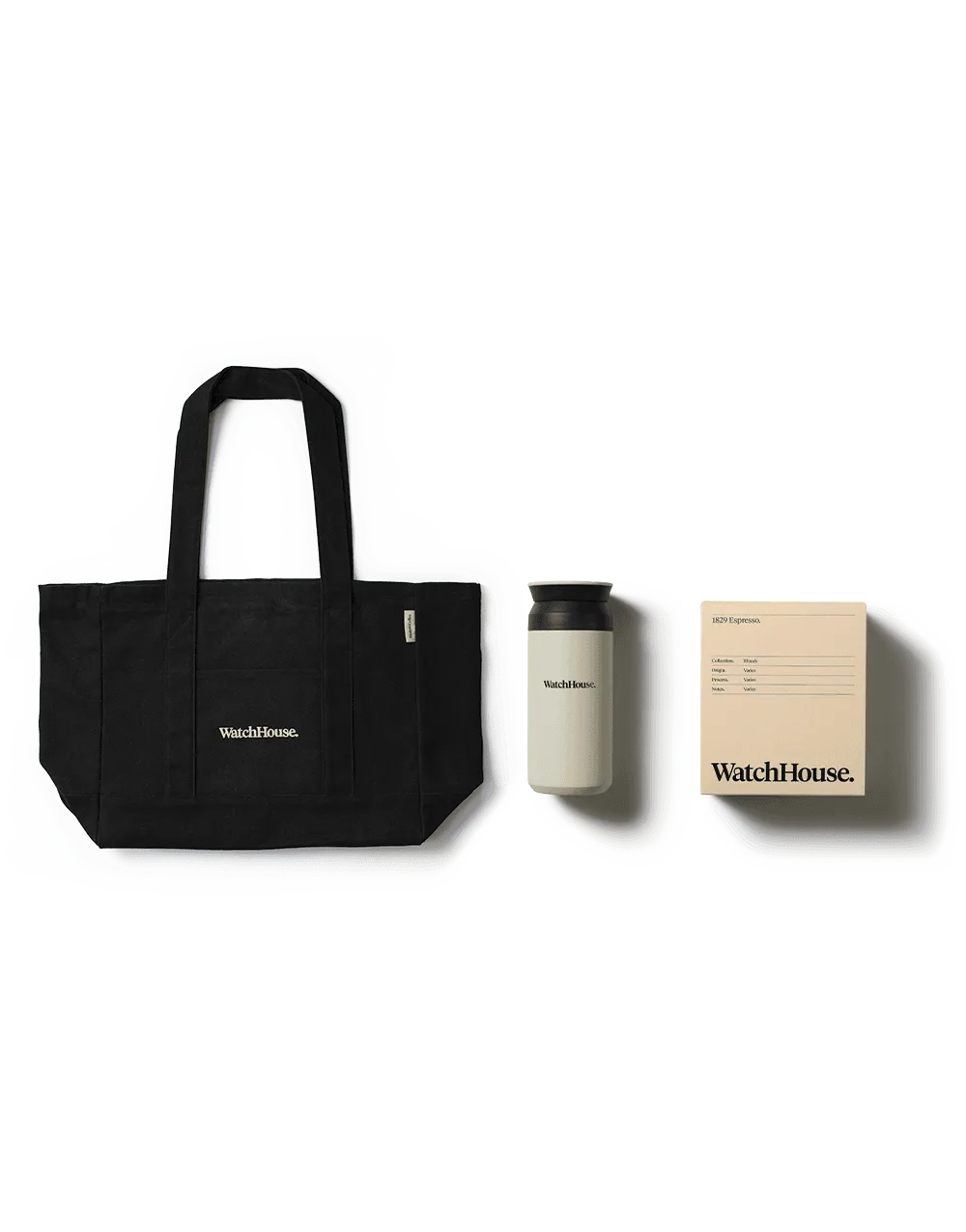
Remember that certification is just one piece of the puzzle. The flavour, roast profile, and freshness are equally important. Experiment with different origins and processing methods to discover what you love. For example, a washed Ethiopian coffee might offer bright, floral notes, while a natural Brazilian bean could be rich and chocolatey. Pair your certified coffee with quality brewing equipment, like the Kinto Travel Tumbler, to enjoy it on the go or at home.
- Check the roast date on the bag—freshness matters more than any label.
Coffee certifications are powerful tools for aligning your daily ritual with your values, whether that means protecting the planet, supporting farmers, or simply enjoying a better-tasting brew. By understanding what each label represents, you can shop with confidence and curiosity. Ready to explore certified coffees that make a difference? Discover our curated selection, including the Nguvu Washed coffee, and taste the impact of thoughtful sourcing in every sip.