Coffee roast levels are one of the most important factors influencing the flavour, aroma, and body of your morning cup. From the bright, acidic notes of a light roast to the bold, smoky richness of a dark roast, each level offers a unique experience. Understanding these differences can help you choose the perfect coffee for your palate and brewing method.
In this comprehensive roasting guide, we’ll explore the characteristics of light, medium, and dark roasts, how they affect taste, and which brewing techniques work best for each. Whether you’re a home brewer or a coffee enthusiast, this knowledge will elevate your daily coffee ritual.
What Are Coffee Roast Levels?
Coffee roast levels refer to the degree to which green coffee beans are roasted before they reach your cup. The roasting process transforms the bean’s chemical structure, developing flavours, reducing acidity, and creating the aromatic compounds we love. Roast levels are typically categorised as light, medium, or dark, with many sub-variations in between.
The key difference between roast levels is the internal temperature the beans reach during roasting. Light roasts are removed from the roaster around 180°C to 205°C, medium roasts between 210°C and 220°C, and dark roasts above 225°C. As the roast progresses, the bean loses moisture, expands, and its sugars caramelise, leading to deeper, more intense flavours.
- Light roasts retain more of the bean’s original characteristics, including floral and fruity notes.
- Medium roasts offer a balance of acidity and body, with caramelised sweetness.
- Dark roasts produce bold, smoky flavours with lower acidity and a heavier mouthfeel.
Light Roast Coffee: Bright, Complex, and Fruity
Light roast coffee beans are roasted for the shortest time, just until the first crack occurs. They have a light brown colour, a matte surface, and no visible oils. The flavour profile is dominated by the bean’s origin characteristics—think floral, fruity, and tea-like notes with high acidity. Light roasts are ideal for those who enjoy complex, nuanced flavours that change with each sip.
Brewing light roasts requires careful attention to water temperature and extraction time. Because the beans are denser, they need hotter water (around 93°C to 96°C) and a finer grind to extract fully. Pour-over methods like the Hario V60 or Chemex work beautifully, highlighting the bean’s delicate acidity. For a fruity and vibrant option, try our Raspberry Ripple Coffee, which features bright berry notes perfect for a light roast profile.
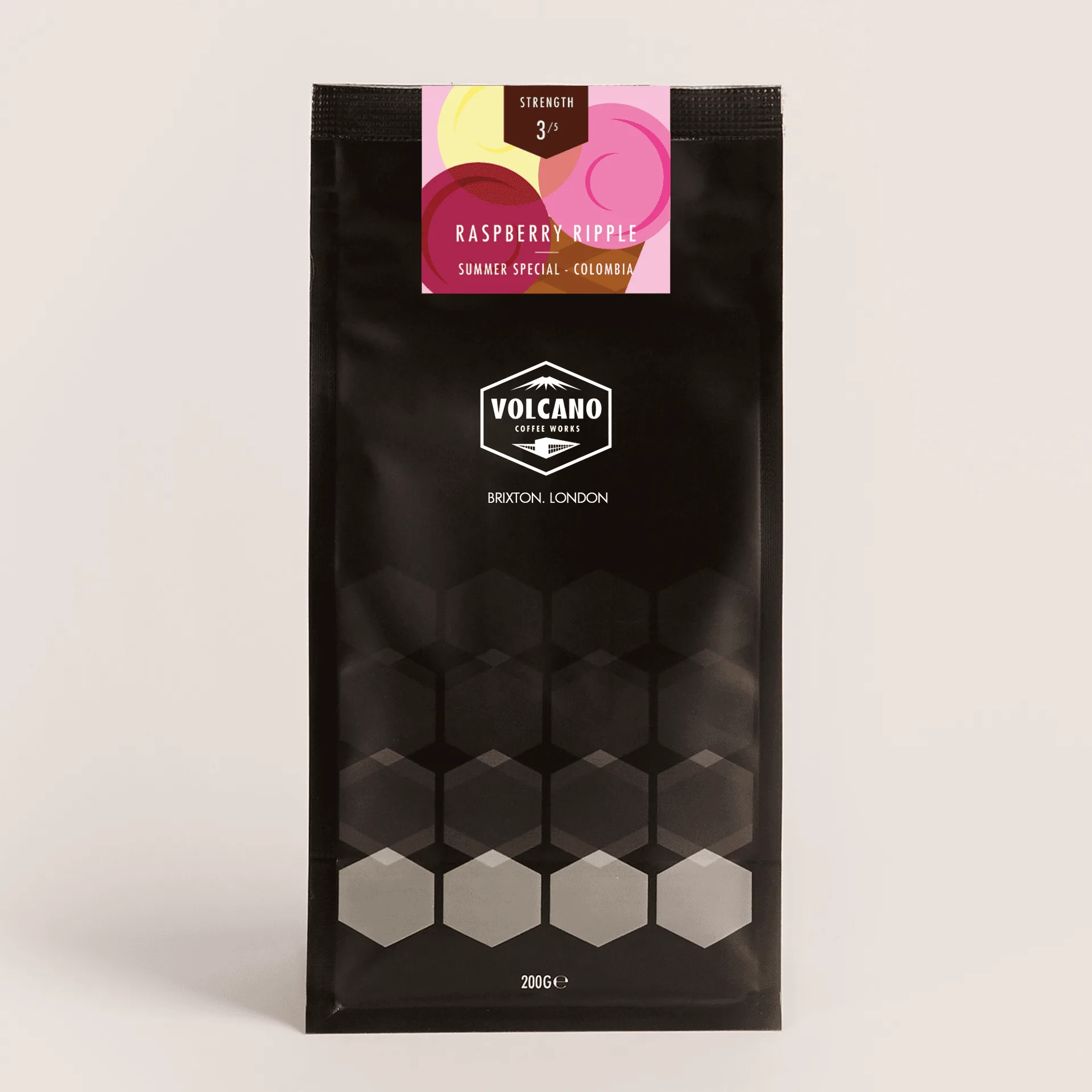
Raspberry Ripple Coffee
- Best brewing methods: pour-over, Aeropress, and siphon.
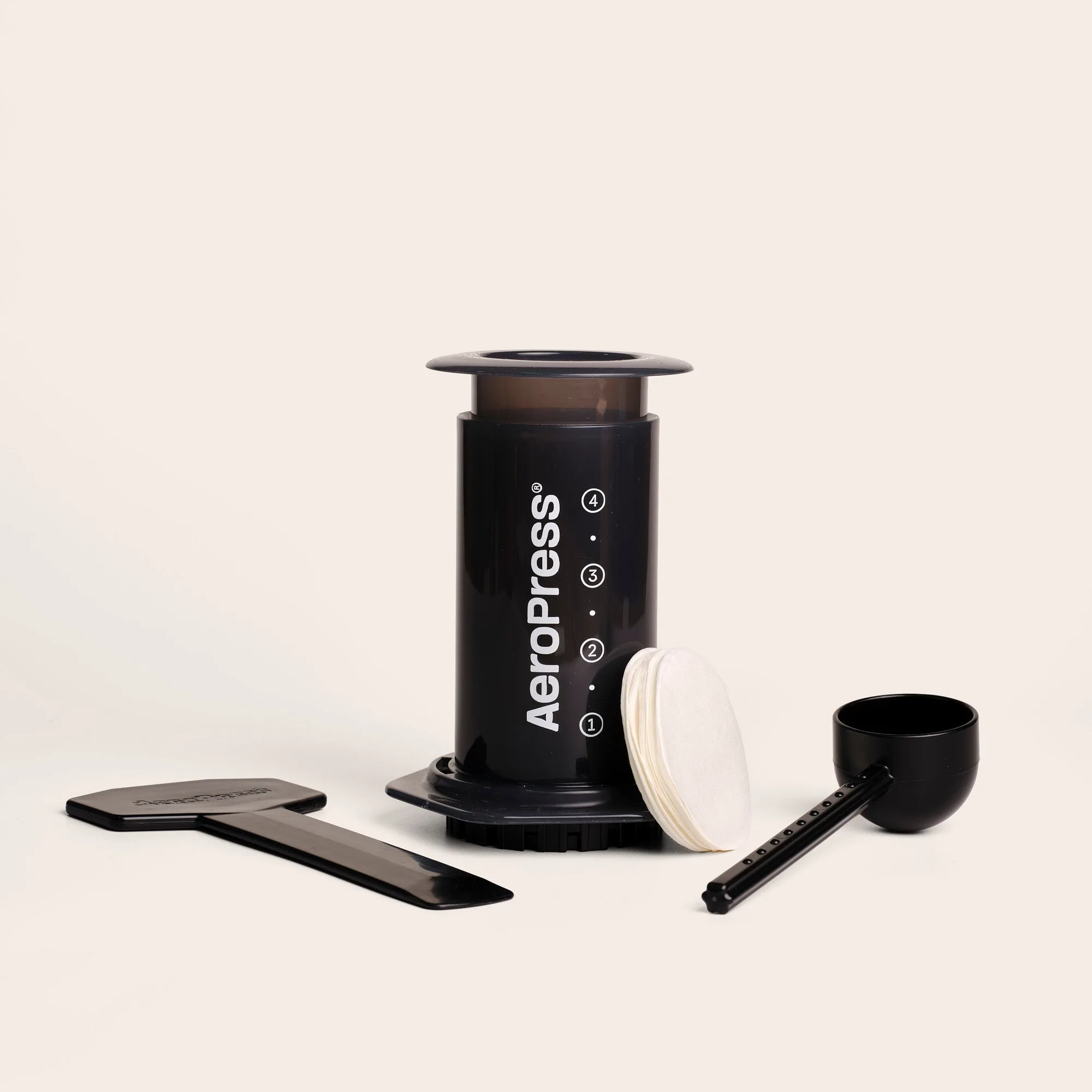
Aeropress
- Grind size: fine to medium-fine for even extraction.
- Flavour notes: citrus, berries, jasmine, and stone fruits.
Medium Roast Coffee: Balanced and Versatile
Medium roast coffee is the most popular choice among coffee drinkers worldwide. The beans are roasted until just after the first crack but before the second, resulting in a medium brown colour with a slight sheen. This roast level strikes a perfect balance between acidity and body, with caramelised sugars adding sweetness without overpowering the bean’s origin flavours.
Medium roasts are incredibly versatile and work well with nearly any brewing method. They shine in drip coffee makers, French presses, and espresso machines. The balanced profile makes them an excellent choice for daily drinking, whether you prefer black coffee or with milk. For a consistent and convenient option, consider our https://brewbarai.shop/products/rise-up-blend-subscription-132455Rise Up Blend Subscription, which delivers a medium roast blend with notes of chocolate and nuts, perfect for any time of day.
- Best brewing methods: drip, French press, espresso, and cold brew.
- Grind size: medium for most methods.
- Flavour notes: chocolate, caramel, nuts, and mild fruit.
Dark Roast Coffee: Bold, Rich, and Smoky
Dark roast coffee beans are roasted to the second crack or beyond, producing a dark brown to almost black colour with an oily surface. The high heat breaks down the bean’s cellular structure, reducing acidity and creating bold, smoky, and sometimes bitter flavours. Dark roasts are known for their full body and lingering finish, making them a favourite for espresso and strong brews.
Because dark roasts are less dense, they extract more quickly and require a coarser grind and slightly cooler water (around 88°C to 92°C) to avoid over-extraction and bitterness. They excel in espresso machines, Moka pots, and French presses. For a classic dark roast experience, our Firehouse Coffee Sample 50g (Whole Bean) offers a robust, smoky flavour that stands up well to milk and sugar.
- Best brewing methods: espresso, Moka pot, and French press.
- Grind size: medium-coarse to coarse.
- Flavour notes: dark chocolate, toasted nuts, caramel, and smoke.
How to Choose the Right Roast Level for You
Selecting the perfect roast level depends on your personal taste preferences and brewing habits. If you enjoy bright, complex flavours and don’t mind higher acidity, light roasts are your best bet. For a balanced, crowd-pleasing cup that works with milk or black, medium roasts offer the most versatility. Dark roasts are ideal for those who love bold, intense flavours with low acidity.
Consider your brewing method as well. Light roasts require precision and work best with pour-over or Aeropress. Medium roasts are forgiving and suit most methods. Dark roasts are perfect for espresso or strong brews. Experimenting with different roast levels is the best way to discover your favourite. Our The Brixton Subscription allows you to explore a curated selection of roasts, including light, medium, and dark options, delivered fresh to your door.
- Light roasts: best for pour-over and Aeropress enthusiasts.
- Medium roasts: perfect for daily drip coffee and French press.
- Dark roasts: ideal for espresso lovers and those who prefer bold flavours.
Roast Levels and Freshness: What You Need to Know
Freshness is crucial for all roast levels, but it affects each differently. Light roasts have a shorter peak freshness window because their delicate flavours degrade faster. Medium roasts maintain their quality for about two to four weeks after roasting. Dark roasts, due to their lower moisture content and oily surface, can stay fresh longer but are more prone to staleness if not stored properly.
Always store your coffee beans in an airtight container away from light, heat, and moisture. Buy whole beans and grind just before brewing to preserve flavour. For offices or high-volume consumption, our Barista Coffee Bags (100 bags) offer convenience without sacrificing freshness, as each bag is sealed to lock in aroma and taste.
- Light roasts: consume within two weeks for best flavour.
- Medium roasts: optimal within three weeks.
- Dark roasts: can last up to a month if stored correctly.
Understanding coffee roast levels empowers you to choose the perfect bean for your taste and brewing style. Whether you prefer the bright acidity of a light roast, the balanced sweetness of a medium, or the bold intensity of a dark roast, there’s a world of flavour waiting to be explored. Start your journey today by trying our The Brixton Subscription, which delivers a rotating selection of expertly roasted coffees straight to your home.