When it comes to caring for your baby’s sensitive skin, choosing the right wipe can make all the difference. Baby wipes are a daily essential for diaper changes, cleaning hands, wiping faces, and even freshening up on the go. But with so many options on the market—compostable wipes, eco wipes, scented wipes, and more—it’s easy to feel overwhelmed. Understanding the different types of baby wipes and how they compare can help you make an informed decision that keeps your baby comfortable, clean, and rash-free.
In this baby wipe comparison guide, we’ll break down the most common categories of diaper wipes, explain what makes each type unique, and share tips for selecting the best wipe for your baby’s skin type. Whether you’re a first-time parent or looking to switch to a more eco-friendly option, this article will give you the clarity you need.
Why Baby Wipe Types Matter for Your Baby’s Skin
Babies have delicate, developing skin that is thinner and more absorbent than adult skin. This means they are more prone to irritation, allergic reactions, and moisture loss. The type of wipe you use directly affects how your baby’s skin reacts during and after diaper changes. Harsh chemicals, fragrances, alcohol, or abrasive textures can cause redness, chafing, and even diaper rash. That’s why understanding baby wipes types is not just a matter of preference—it’s a matter of skin health.
Beyond skin sensitivity, the environmental impact of wipes is another important consideration. Many traditional wipes contain plastic fibers that do not break down, contributing to landfill waste and pollution. Compostable wipes and eco wipes offer a more sustainable alternative without sacrificing gentleness. By choosing the right type, you can protect both your baby’s skin and the planet.
- Always check the ingredient list for alcohol, parabens, and synthetic fragrances if your baby has sensitive skin.
- For newborns, opt for fragrance-free and hypoallergenic wipes to minimize irritation risk.
Compostable Wipes vs. Traditional Wipes: What’s the Difference?
Compostable wipes are designed to break down naturally in a composting environment, typically within 90 days. They are made from plant-based materials like bamboo, wood pulp, or cotton, and do not contain synthetic plastics. In contrast, traditional wipes often include polyester or polypropylene fibers that can take hundreds of years to decompose. For eco-conscious parents, compostable wipes are a clear winner in reducing environmental footprint.
However, not all compostable wipes are created equal. Some may still contain chemical binders or preservatives that can irritate sensitive skin. When choosing compostable wipes, look for certifications like OK Compost or TÜV Austria to ensure they meet biodegradability standards. Also, remember that compostable wipes should only be disposed of in commercial composting facilities—they are not flushable and should never be flushed down the toilet.
- Use a dedicated diaper pail with compostable liners to properly dispose of compostable wipes.
- Check if your local waste management accepts compostable wipes—many curbside programs do not.
Eco Wipes: Sustainable and Gentle for Everyday Use
Eco wipes are a broader category that includes compostable wipes as well as wipes made from recycled materials or sustainably sourced fibers. They are typically free from harsh chemicals, fragrances, and dyes, making them a safe choice for babies with sensitive skin or eczema. Many eco wipes are also biodegradable in landfill conditions, though not always compostable. For parents who want to reduce waste without switching to a full composting routine, eco wipes offer a practical middle ground.
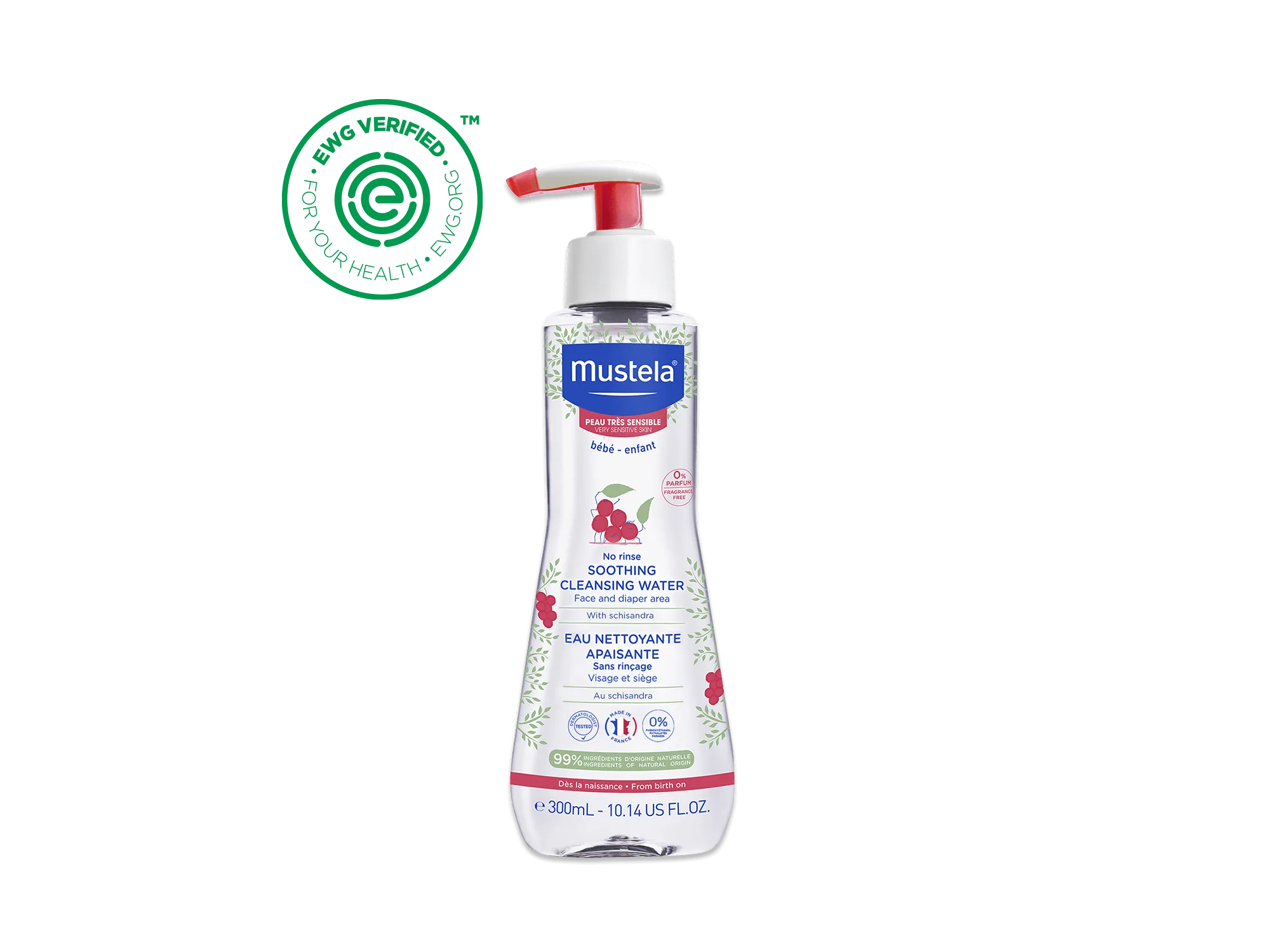
Mustela’s reusable eco wipes are an excellent example of an eco-friendly option that goes beyond disposables. These soft, washable wipes can be used with water or a gentle cleansing solution, significantly cutting down on single-use waste. They are perfect for at-home use and can be tossed in the washing machine for easy cleaning. For diaper changes on the go, you can pair them with a travel-sized water spray or a mild cleanser like Mustela’s no rinse cleansing water for a complete, sustainable routine.
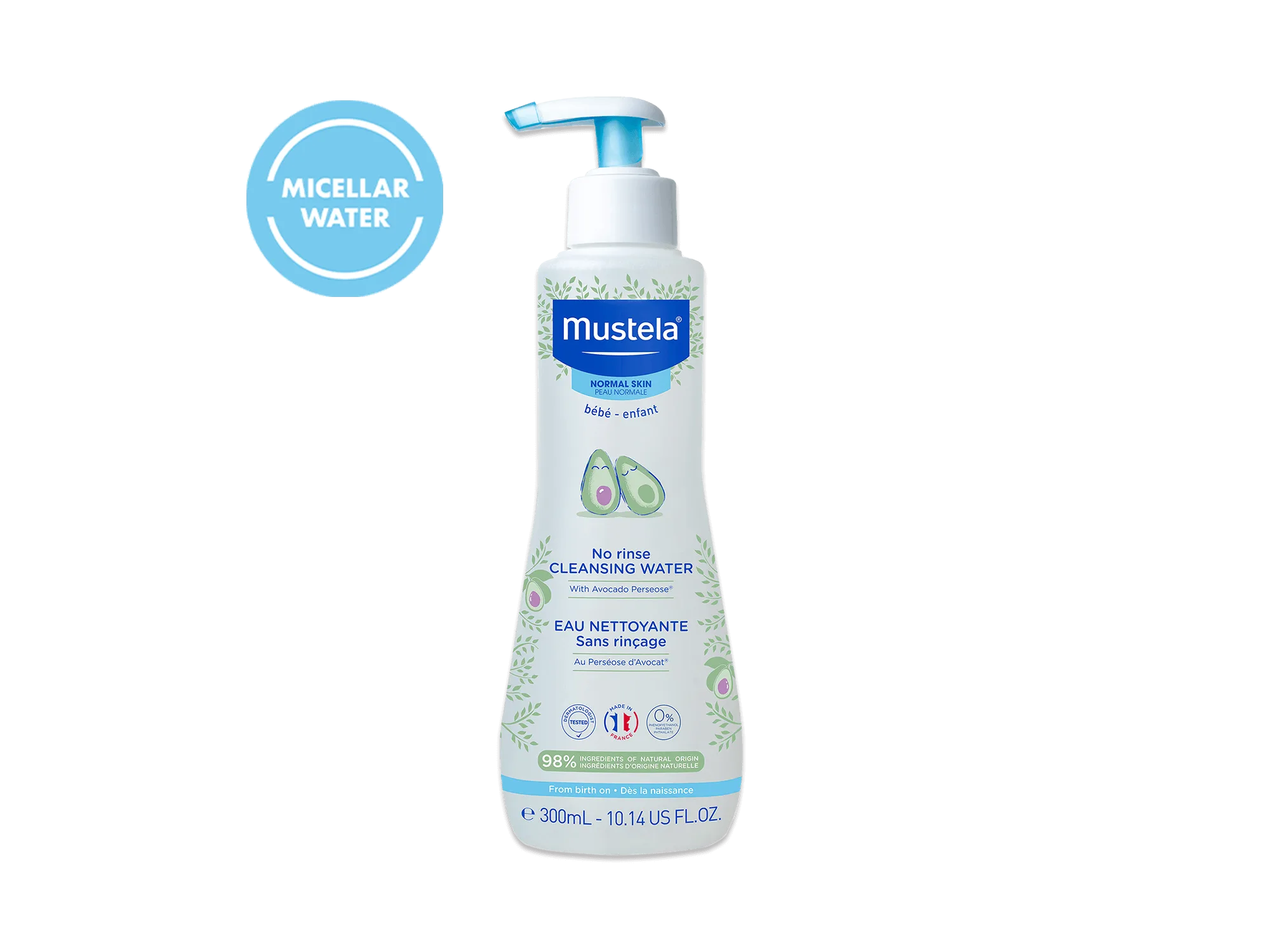
no rinse cleansing water
- Reusable eco wipes are ideal for newborns and babies with very sensitive skin because they contain zero chemicals.
- Always wash reusable wipes at 60°C (140°F) to ensure they are hygienically clean for the next use.
Diaper Wipes: The Classic Choice for Quick Changes
Diaper wipes are the most common type of baby wipes, designed specifically for cleaning the diaper area. They are usually pre-moistened with a gentle cleansing solution containing water, mild surfactants, and moisturizers. Some diaper wipes include added ingredients like aloe vera or vitamin E to soothe and protect the skin. However, many conventional diaper wipes also contain alcohol, fragrances, or preservatives that can be irritating.
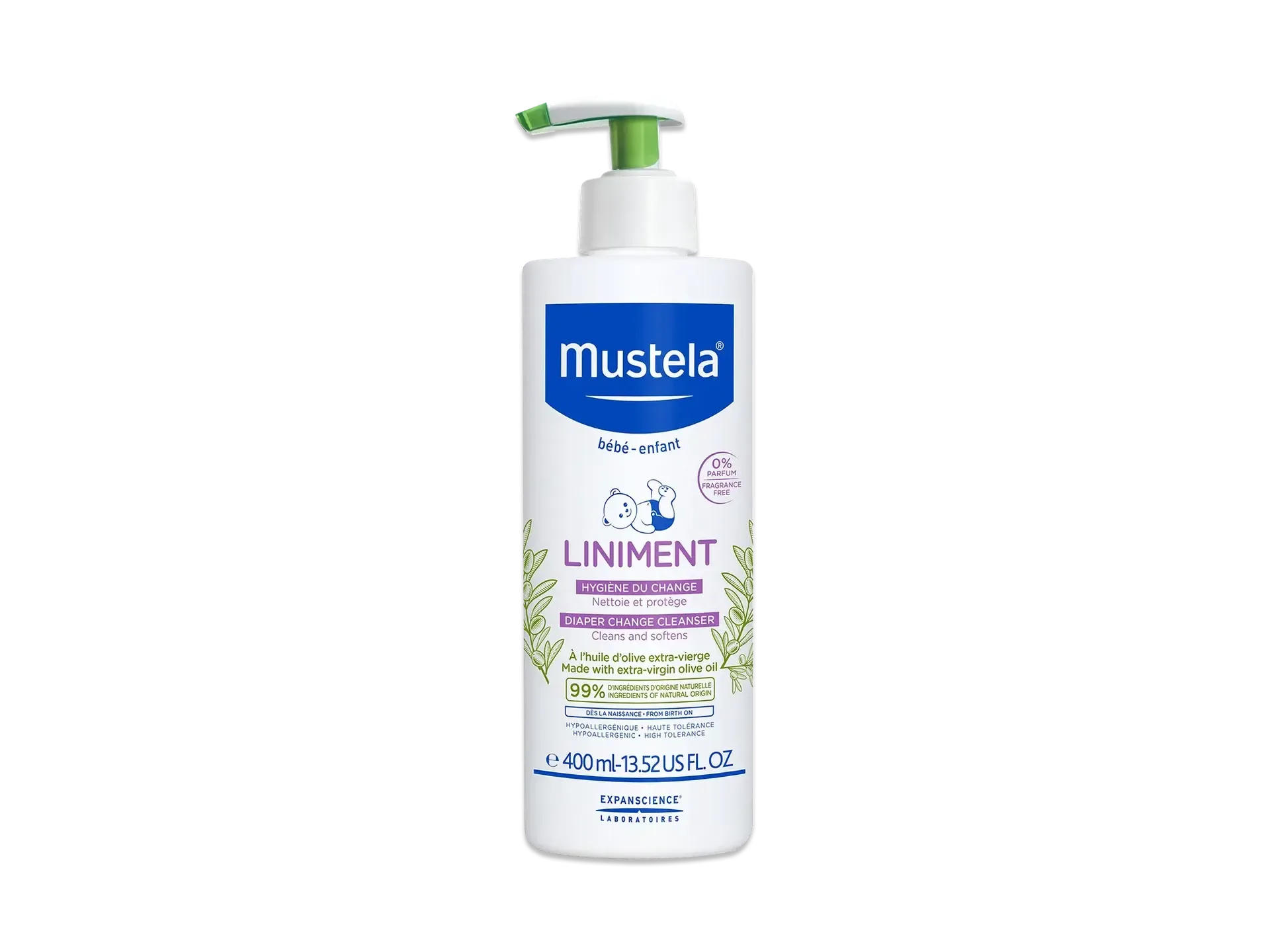
When selecting diaper wipes, look for options labeled as hypoallergenic, dermatologist-tested, and pH-balanced. A pH close to 5.5 helps maintain the skin’s natural acid mantle, reducing the risk of diaper rash. Mustela’s liniment is a great companion for diaper wipes—it provides a protective barrier that locks in moisture and prevents irritation, especially for babies prone to redness. For a complete diaper change routine, use wipes first, then apply liniment to keep the skin healthy and hydrated.
- Avoid wipes with strong fragrances—they can mask chemical irritants and cause allergic reactions.
- Store wipes in a cool, dry place to prevent them from drying out or growing mold.
Baby Wipe Comparison: Key Factors to Consider
To make the best choice for your family, consider the following factors when comparing baby wipes types: material (plastic-free vs. synthetic), ingredients (fragrance-free vs. scented), thickness (single-ply vs. multi-ply), and sustainability (compostable vs. non-biodegradable). Thicker wipes are less likely to tear during use, but they may be less eco-friendly if they contain plastic. Thinner wipes can be more sustainable but may require more wipes per change.
Another important factor is moisture content. Some wipes are very wet, which can be great for cleaning but may leave the skin too damp, increasing the risk of rash. Others are drier and require a bit more effort. Ultimately, the best diaper wipes for your baby are those that clean effectively without causing irritation and align with your values around sustainability. Testing a small pack before committing to a bulk purchase is always a smart strategy.
- Always do a patch test on your baby’s inner arm before using a new brand of wipes.
- If your baby develops a rash, switch to water-only cleaning with reusable wipes until the skin heals.
How to Choose the Right Baby Wipes for Sensitive Skin
For babies with eczema, allergies, or very sensitive skin, the safest option is often water wipes—wipes that contain only water and a small amount of preservative. These are free from all additives and are the least likely to cause irritation. However, they may not clean as thoroughly as wipes with mild cleansing agents. In that case, look for wipes with minimal ingredients, such as those containing chamomile or calendula extracts, which are known for their soothing properties.
Mustela offers a range of gentle cleansing solutions that complement any wipe routine. For example, after using wipes, you can apply Mustela’s Stelatopia+ lipid-replenishing cream pump to restore the skin barrier and lock in moisture. This is especially beneficial for babies with dry or eczema-prone skin. Combining the right wipe with a targeted moisturizer can dramatically reduce flare-ups and keep your baby comfortable.
- Avoid wipes with essential oils if your baby has sensitive skin—they can be potent allergens.
- Use a barrier cream with zinc oxide if your baby is prone to diaper rash, even with gentle wipes.
Choosing the right baby wipes is a personal decision that depends on your baby’s skin needs, your environmental values, and your lifestyle. Whether you opt for compostable wipes, eco wipes, or classic diaper wipes, the key is to prioritize gentle, safe ingredients and sustainable practices. For a truly complete and gentle diaper change experience, explore Mustela’s reusable eco wipes—a reusable, zero-waste option that pairs perfectly with your favorite cleanser. Your baby’s skin will thank you, and so will the planet.