Quick answer
Momme (mm) is the weight of a piece of silk fabric measured over a standard area, so a higher momme number means a denser, heavier, more durable silk. For underwear and sleepwear, 16 to 19 momme is the sweet spot because it breathes and drapes; for dresses and structured pieces, 22 momme and up holds shape and resists wear better. If the momme is not listed, treat that as a missing specification, not a promise of quality.
Momme tells you how much silk you are actually getting. It is the number that explains why two silk bras can feel completely different, and why one silk dress survives a decade of wear while another sags after a season. Once you know how to read it, you can stop guessing and start choosing.
This guide breaks down what momme means, how common weights behave in real garments, and which weight suits underwear, sleepwear, and outerwear. You will also find decision rules you can apply in the fitting room or at checkout.
What momme actually measures
Momme is a Japanese unit that describes the weight of silk fabric over a fixed area. In practice, it is a proxy for density: more silk per square meter means a heavier, tighter weave. A 19 momme silk has more fiber packed into the same space than a 16 momme silk, which is why it feels more substantial and generally lasts longer.
It is not the same as thread count, and it is not a grade of quality by itself. Two silks at the same momme can differ in finish, weave, and feel. Momme is the starting point, not the whole story.
- Higher momme = heavier, denser, usually more durable.
- Lower momme = lighter, airier, often softer against skin.
- If momme is not stated, you cannot assume a weight.
How common silk weights behave
Silk under 16 momme is very light and delicate. It can feel wonderful in a scarf or a summer top, but it creases easily and wears faster in high-friction areas. It is not the best choice for everyday underwear or anything you plan to wash often.
The 16 to 19 momme range is the workhorse for lingerie and sleepwear. It drapes closely, breathes well, and still has enough body to hold a seam. Most well-made silk bras, panties, and pajamas sit here. Above 22 momme, silk becomes more opaque and structured, which is why dresses and tailored pieces often use it. It resists wrinkling better and feels cooler in a different way, but it can also feel stiffer against the skin.
- Under 16 mm: scarves, accents, occasional wear.
- 16–19 mm: underwear, sleepwear, everyday silk.
- 22 mm and up: dresses, structured garments, long-term wear.
Choosing silk weight for underwear
For a bra or panty, the goal is a balance of breathability, support, and longevity. A 19 momme silk gives you more support than a 16 momme silk without feeling heavy, and it holds its shape through repeated washing better. If you want a barely-there feel for a special occasion, a lighter weight can work, but expect to handle it gently.
Look at the construction as well as the number. Adjustable straps, a wide elastic band, and a cut that follows the body will matter more than a single momme point. A well-cut 19 momme bra will outperform a poorly cut 22 momme one.
- Choose 19 momme for daily wear and support.
- Choose 16 momme if you prioritize a weightless feel.
- Check for adjustable straps and a flexible band for fit.
Choosing silk weight for sleepwear and dresses
Sleepwear lives against your skin for hours, so breathability matters. A 16 to 19 momme silk pajama set stays comfortable and moves with you. If you sleep hot, the lighter end of that range is usually better. For a dress, you want more structure: 22 momme and above will drape with more weight, show fewer creases, and hold a defined silhouette.
The cut and fabric quantity also shape how a dress feels. A dress cut on the bias with generous fabric will flow differently from a straight-cut dress in the same momme. Momme tells you about the cloth, not the design.
- Sleepwear: 16–19 momme for breathability.
- Dresses: 22+ momme for structure and drape.
- Bias cuts use more fabric and change the feel.
What momme does not tell you
Momme does not tell you the fiber source, the weave, the finish, or the quality of the seams. A 19 momme silk from a careful mill can feel and last better than a 22 momme silk from a careless one. It also does not tell you how the garment will fit, which is why fit guidance matters as much as the number.
When a product page omits momme, treat that as a gap. You can still judge the piece by composition, construction details, and return policy, but you cannot compare it on weight.
- Momme is one variable, not a verdict.
- Composition and construction fill in the rest.
- Missing momme means you cannot compare weight.
Decision rules for choosing momme
- For everyday underwear: Choose 19 momme or similar mid-weight silk. It supports, breathes, and survives regular washing better than lighter silk. Check for adjustable straps and a wide band for fit.
- For hot sleepers: Choose 16–19 momme sleepwear. Lighter silk moves more air and feels cooler against skin. Avoid heavy silk for sleep if you overheat.
- For structured dresses: Choose 22 momme and up. Heavier silk holds a silhouette, drapes with weight, and creases less. Bias cuts use more fabric and benefit from higher momme.
- When momme is not listed: Do not assume a weight. Judge the piece by composition, construction, and return policy instead. Ask the brand if the number matters to you.
How momme shows up in real pieces
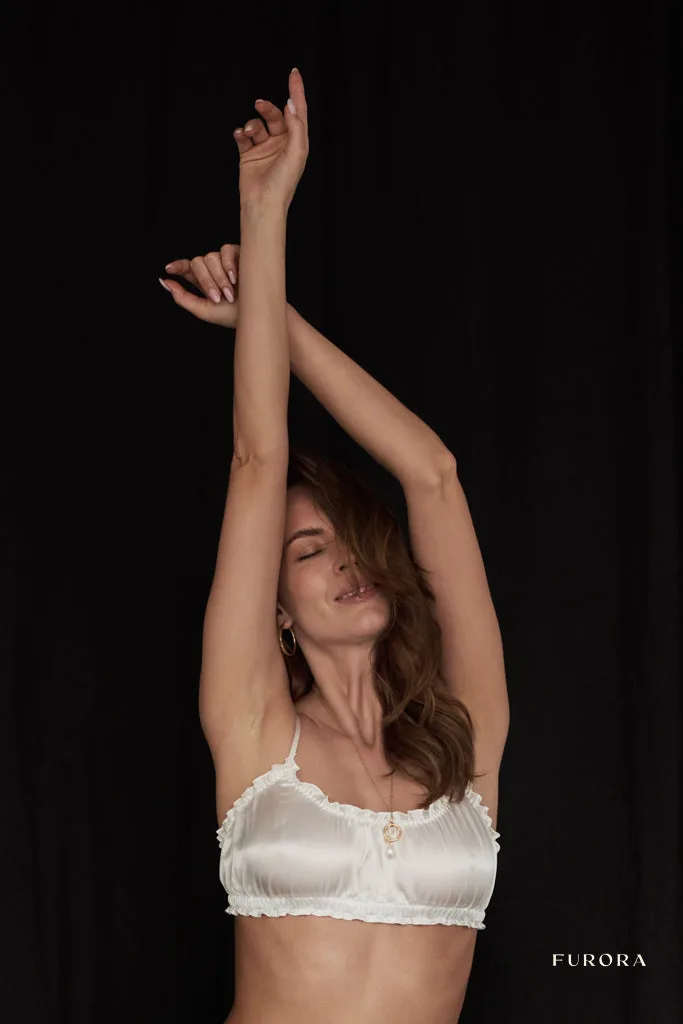
- Giselle Blanche silk bra: Made of Italian ecru silk with adjustable straps and a flexible, wide elastic band; small wrinkles outline the breasts while providing support. This is a bra built for fit and support, so the silk weight is likely in the mid range where drape and structure balance. Adjustability matters more than a single momme number here.
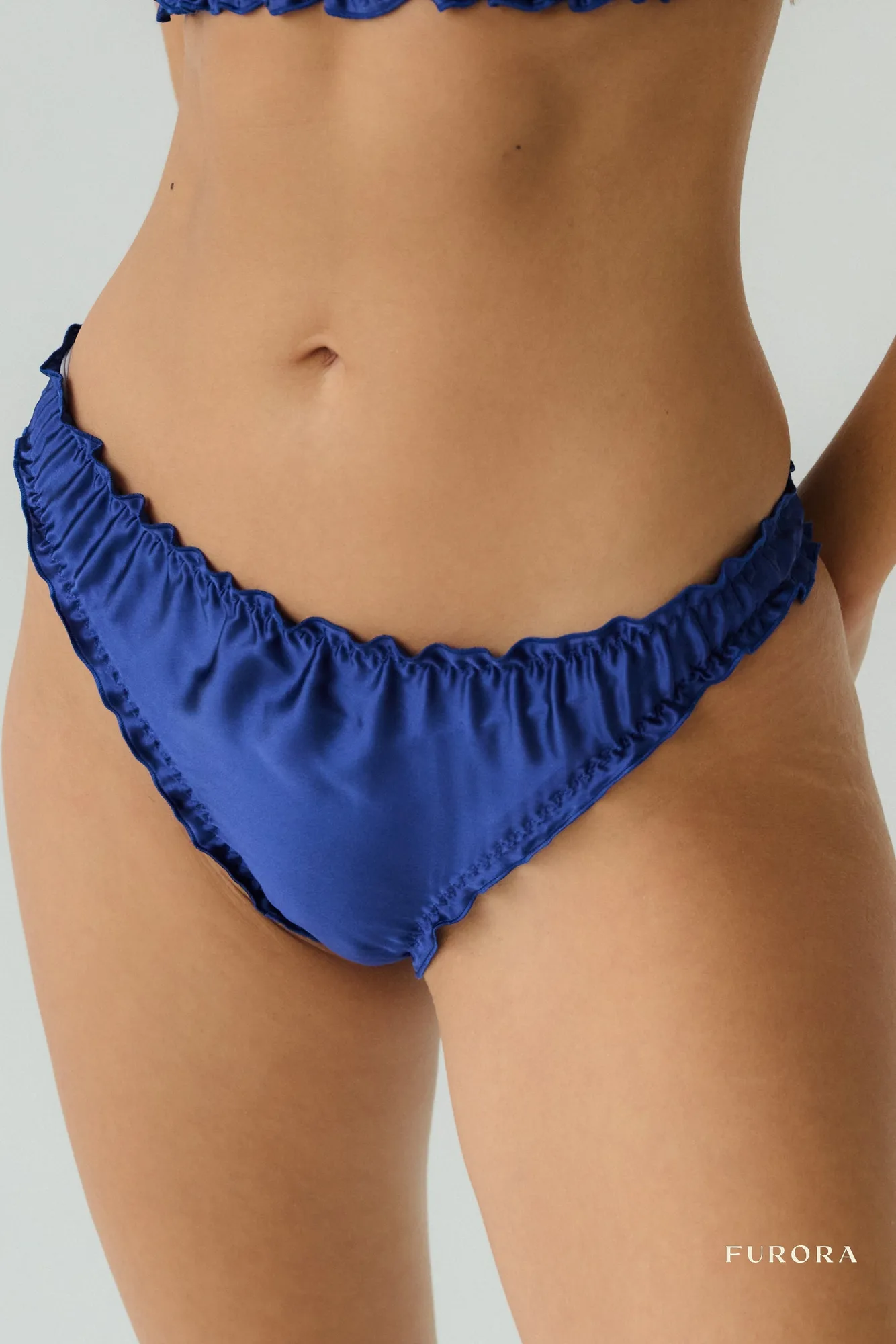
- Rosalie Bleu Silk Panties: Made of 100% silk in navy blue with a beautiful cross-section and rich ruffles; silk adapts to the body and allows skin to breathe. A 100% silk panty with ruffles needs a weight that holds the ruffle shape without feeling heavy. Breathability is the priority for daily wear.
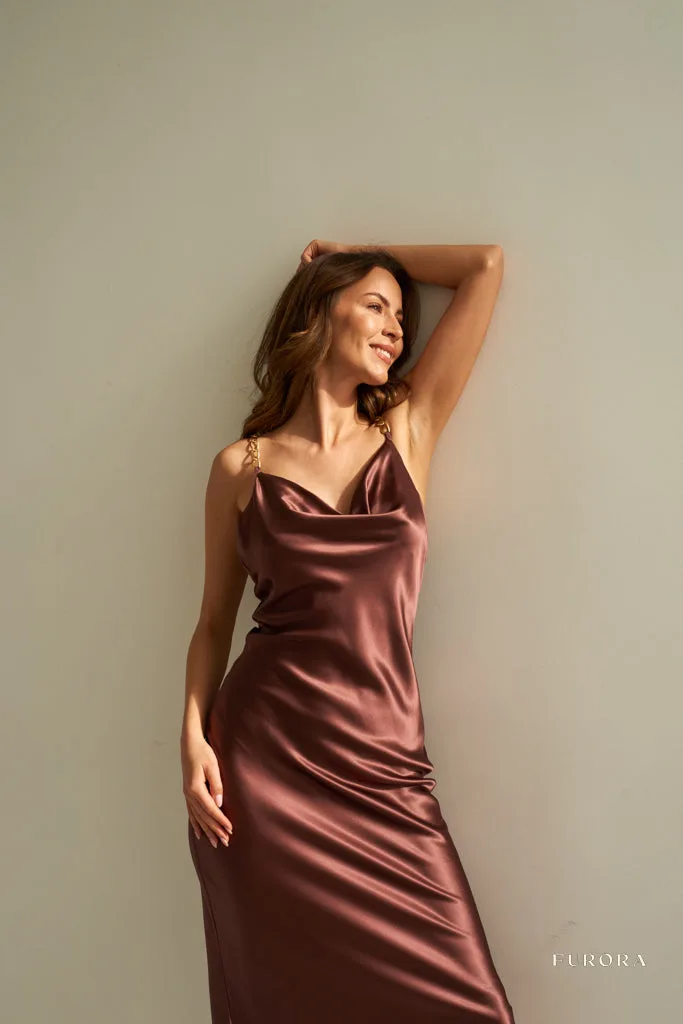
- Margot Marron Silk Dress: Cut on a slant and sewn from 3.5 meters of fabric, so it flows around the body. A bias-cut dress uses more fabric and relies on weight to drape well. A higher momme helps it flow and resist creasing.
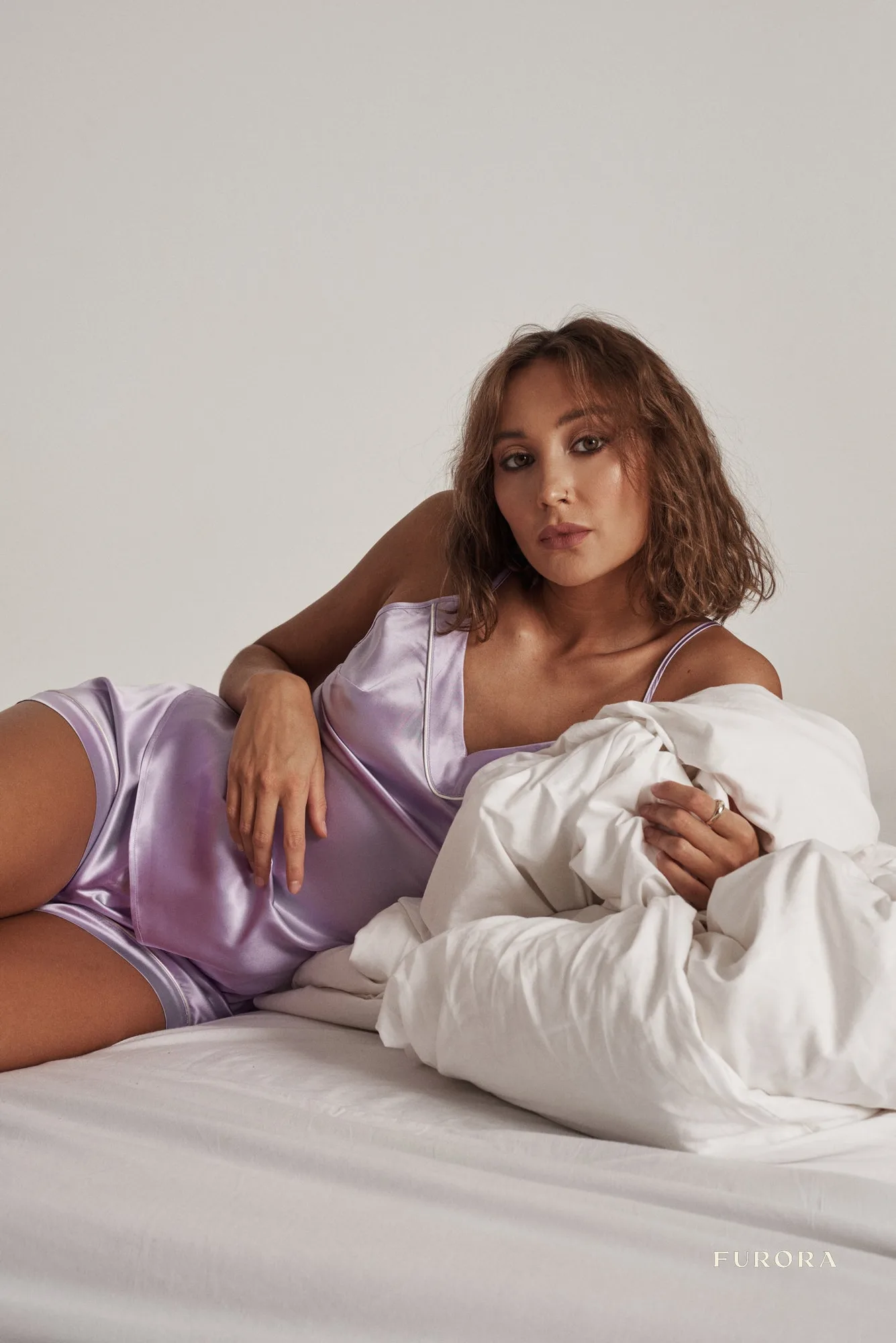
- Noemie Lilac Silk Pajamas: Consist of a top with thin straps and shorts in lilac with contrasting trim; natural silk gives maximum comfort. Sleepwear sits against skin all night, so a breathable mid-weight silk is the practical choice. Thin straps and shorts also mean less fabric, so weight affects feel quickly.
Who this guide is for
Best for
- Shoppers comparing silk underwear, sleepwear, and dresses
- Anyone who wants a silk piece that lasts beyond a season
- Gift buyers choosing between light and structured silk
Not for
- Buyers looking for a specific brand review
- Anyone who only wants a price comparison
- Shoppers who do not care about fabric weight
Momme is one of the few numbers that lets you compare silk across brands. Use it to match the fabric to the job: mid-weight for underwear and sleep, heavier for dresses. Then check the cut, the seams, and the fit, because those decide whether you actually wear it.