When you browse our tea selection, you may notice labels like 'Organic,' 'Fair Trade,' or 'Rainforest Alliance' on certain blends. These certifications aren't just marketing badges—they represent rigorous standards that affect everything from how tea is grown to how farmers are treated. For tea lovers who care about quality, sustainability, and ethics, understanding these certifications can help you make more informed choices.
At Bird & Blend Tea Co., we believe in transparency and quality. While not every tea we offer carries a certification, we carefully source our ingredients to ensure they meet high standards. In this guide, we'll break down the most common tea certifications, what they guarantee, and how they impact the flavor and ethics of your brew.
What Does Organic Tea Certification Mean?
Organic tea certification means the tea has been grown without synthetic pesticides, herbicides, or fertilizers. Instead, organic farmers use natural methods like composting, crop rotation, and biological pest control to maintain soil health and plant vitality. This not only protects the environment but also ensures that your cup of tea is free from chemical residues.
For tea drinkers, organic certification often translates to a cleaner, more authentic flavor profile. Without chemical interference, the natural characteristics of the tea leaves—whether they're from a delicate green tea or a robust black tea—can shine through. Many of our blends, like our Snowball Sticky Chai, use organic ingredients to deliver a pure and vibrant taste experience.
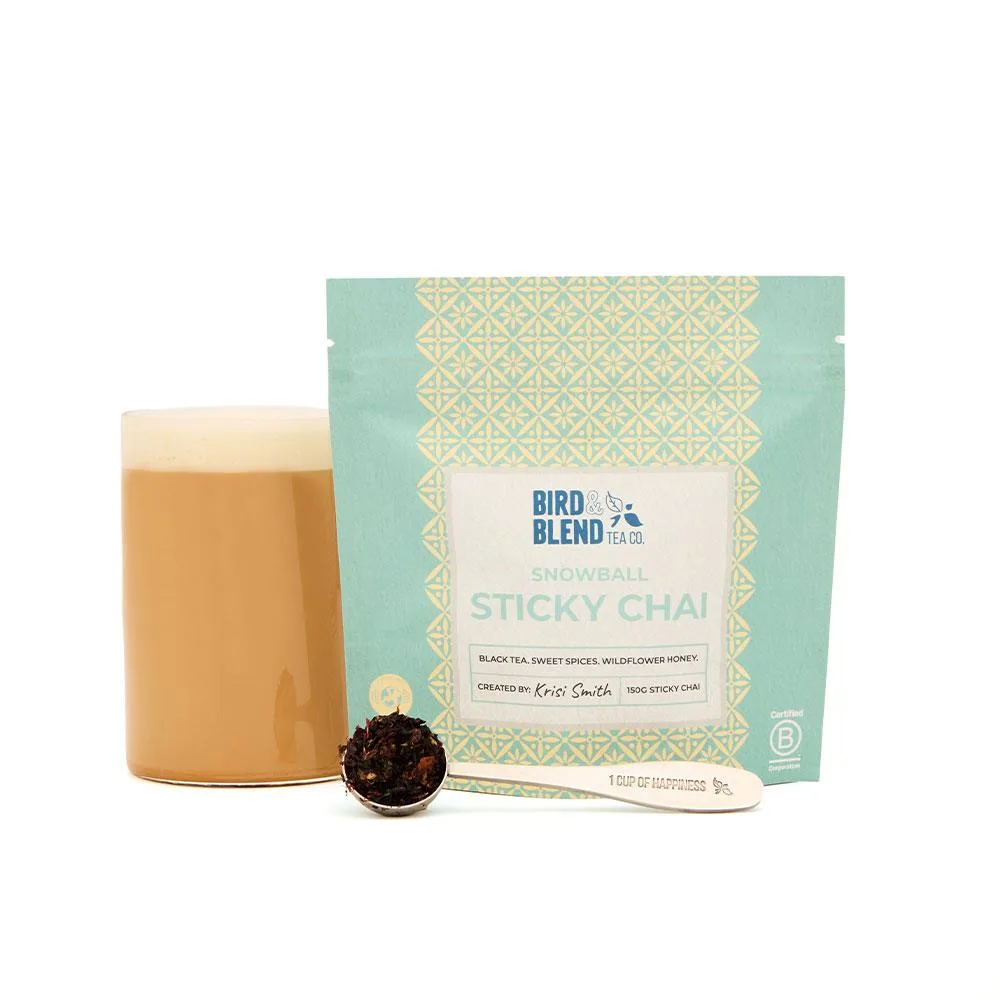
Snowball Sticky Chai
- Look for USDA Organic, EU Organic, or Soil Association logos on packaging.
- Organic certification requires annual inspections and strict record-keeping.
Fair Trade Tea: Supporting Farmers and Communities
Fair Trade certification focuses on the social and economic well-being of tea workers and farmers. It guarantees that producers receive a minimum price for their tea, which helps protect them from volatile market fluctuations. Additionally, Fair Trade premiums are paid into community funds that support local projects like schools, healthcare, and clean water initiatives.
Choosing Fair Trade tea means you're voting for better working conditions and fair wages. While not every tea we offer is Fair Trade certified, we prioritize relationships with suppliers who share these values. Our Terry's Tea, for example, is crafted with ingredients sourced from ethical supply chains, ensuring every sip supports a more equitable tea industry.
- Fair Trade certification also prohibits child labor and forced labor.
- Look for Fairtrade International or Fair Trade USA labels on products.
Rainforest Alliance and Other Environmental Certifications
Rainforest Alliance certification takes a holistic approach to sustainability, covering environmental, social, and economic criteria. Farms must protect biodiversity, conserve water, and reduce their carbon footprint. This certification is especially important for tea grown in tropical regions where ecosystems are fragile.
Other certifications you might encounter include UTZ (now part of Rainforest Alliance) and Demeter (for biodynamic farming). Each has its own set of standards, but all aim to make tea production more sustainable. For instance, our Green Lion Matcha is sourced from farms that prioritize environmentally friendly practices, ensuring you can enjoy your matcha with a clear conscience.
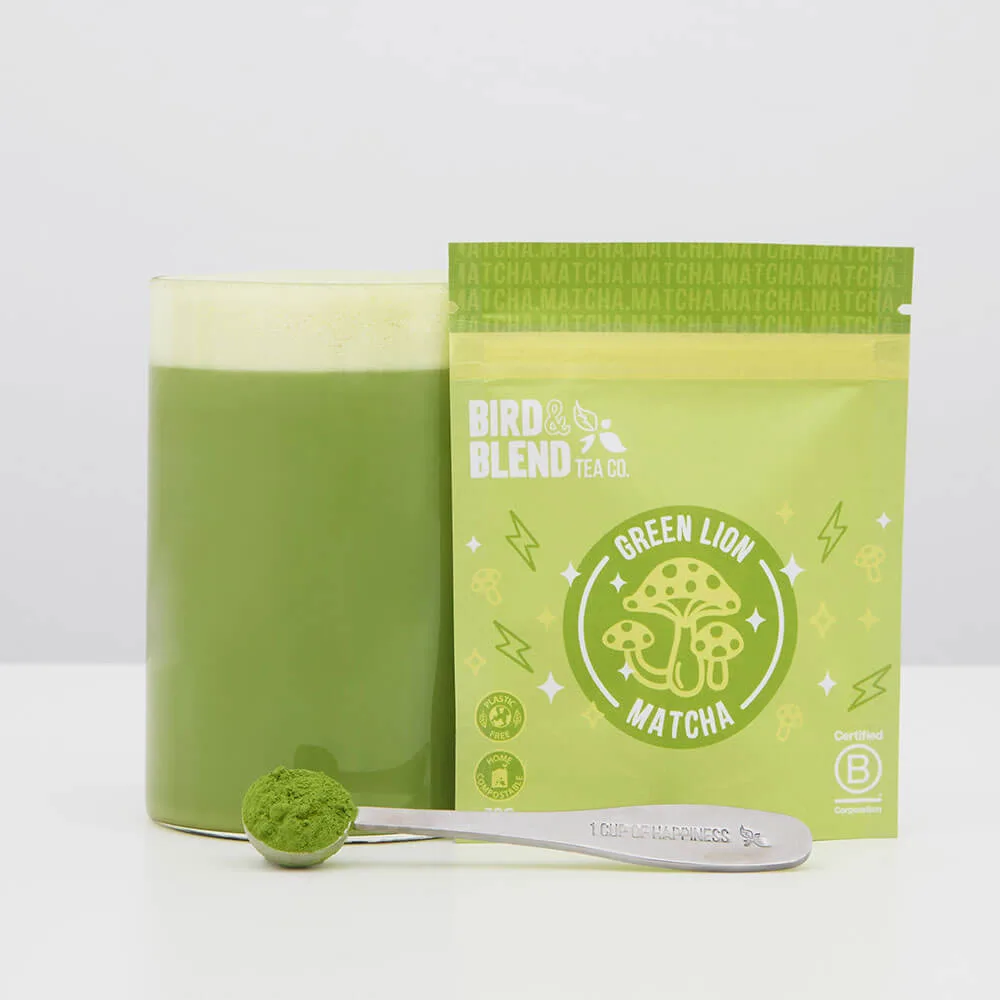
Green Lion Matcha
- Rainforest Alliance-certified farms must maintain buffer zones around waterways.
- Biodynamic certification goes beyond organic, incorporating lunar cycles and compost preparations.
How to Choose Certified Teas That Match Your Values
With so many certifications available, it can be overwhelming to decide which ones matter most to you. Start by identifying your priorities: Is it environmental sustainability? Fair wages for farmers? Or simply a cleaner cup of tea? Once you know what you value, look for those specific certifications on the packaging.
Remember that certifications aren't the only indicator of quality or ethics. Many small-scale tea producers follow sustainable and ethical practices but can't afford the certification fees. At Bird & Blend Tea Co., we carefully vet our suppliers and often visit their farms. Our Cambridge Classics Tea, for instance, is blended with high-quality ingredients from trusted growers who prioritize both flavor and responsibility.
- Don't be afraid to ask your tea retailer about their sourcing practices.
- Certifications can add to the cost, but they often reflect higher-quality products.
Understanding tea certifications empowers you to make choices that align with your values—whether you prioritize organic farming, fair labor practices, or environmental sustainability. Next time you're shopping for tea, take a moment to read the labels and consider what each certification means. To explore a carefully curated selection of ethically sourced teas, check out our Cambridge Classics Tea, a blend that combines traditional flavors with responsible sourcing.