Quick answer
Choose cotton or a cotton-gusset blend for everyday breathability and easy care, lace when you want a smooth, romantic look with stretch, and microfiber when you need a seamless finish under fitted clothes. The best underwear fabric is the one that matches your day, your outfit and how much upkeep you will actually do.
Most underwear advice starts with size, but fabric decides how a pair feels by hour eight. A cotton brief and a lace thong can both fit perfectly and still behave completely differently under jeans, at the gym or through a long workday.
This guide breaks down the common lingerie fabric types, explains what each one does well, and gives you decision rules you can use the next time you open a drawer or add to cart.
The four fabric families you will actually see
Almost every pair of underwear is built from one of four families: cotton, lace, microfiber and stretch blends. Cotton is breathable and forgiving, which is why it is a default for daily wear. Lace is decorative and usually has some give, so it moves with you but needs gentler handling. Microfiber is smooth and often opaque, making it a strong choice for tight clothing. Stretch blends, usually polyamide with elastane, combine softness with recovery so the shape holds after washing.
The label tells you more than the marketing. A high cotton percentage signals breathability and a matte finish. A high polyamide and elastane mix signals stretch, smoothness and a closer fit. Lace content is often listed as polyamide or nylon with elastane, because the pattern is knitted rather than woven.
- Check the gusset first: a cotton gusset lining is a common comfort feature even when the outer fabric is lace or microfiber.
- Look at the elastane percentage: more elastane usually means more stretch and a closer fit, but also more care.
Cotton vs lace underwear: the honest trade-off
Cotton wins on breathability, absorbency and durability. It handles repeated washing, feels familiar against skin and rarely clings. The trade-off is appearance and drying time: cotton is matte, can look casual under sheer clothing and takes longer to dry than synthetic fabrics. If you want a polished look under a slip dress, cotton may not be the pair you reach for.
Lace wins on look and airflow. A lace brief or thong can feel lighter than cotton while still offering coverage, and the open structure lets air move. The trade-off is durability and care: lace snags on rough surfaces, needs a mesh bag or hand wash, and can lose shape if you treat it like a gym sock. For many people the answer is both, not either.
- Choose cotton for long days, travel and any situation where you want low maintenance.
- Choose lace for date nights, special outfits and days when you want the fabric to feel like part of the look.
When microfiber and stretch blends are the smarter pick
Microfiber and stretch blends are the problem-solvers. They are smooth, often opaque and thin enough to disappear under fitted dresses, leggings and work trousers. Because they recover well, they keep their shape through repeated wear and washing, which makes them a practical everyday option if you dislike adjusting your underwear.
The trade-off is breathability. Synthetic fabrics can feel warmer than cotton, especially in humid weather or during workouts. If you run hot, look for a blend with a cotton gusset or choose a looser cut rather than a tight thong. Fabric and cut work together; a breathable fabric in a too-tight cut will still feel uncomfortable.
- Pick microfiber when visible panty lines are the main concern.
- Pick a stretch blend when you want a close fit that stays put without digging.
How fabric changes fit, not just feel
Fabric affects fit as much as size does. Lace with stretch will mold to your shape and may feel looser after a few hours. Cotton has less give, so a cotton brief that fits on day one stays close to that fit. Microfiber tends to hug and recover, which is why it is common in seamless styles.
That means your usual size can behave differently across fabrics. If you are between sizes in a low-stretch cotton brief, size up. If you are between sizes in a stretch lace or microfiber style, your regular size is usually the better starting point. Always check the product notes, because some styles run small by design.
- Read the fit note on the product page before assuming your usual size will work in every fabric.
- If a style says it runs small, treat that as a fabric-and-cut signal, not a suggestion.
Care rules by fabric type
Cotton is the most forgiving. Machine wash cold on a gentle cycle and tumble low or hang dry. Lace and stretch blends need more care: hand wash or use a mesh bag, avoid hot water and skip the dryer, because heat breaks down elastane and dulls lace. Microfiber generally washes well but should still avoid high heat to protect its smooth finish.
A simple rule: the more stretch and detail a pair has, the gentler the wash. If you would not wash a silk blouse with your towels, do not wash lace with them either. Good care is what keeps a comfortable pair comfortable for more than a few months.
- Wash lace and microfiber in a mesh bag to prevent snags and stretching.
- Air dry everything with elastane; heat is the fastest way to lose fit.
Decision rules: pick your fabric in 30 seconds
- If breathability is your top priority: Choose cotton or a style with a cotton gusset. Cotton handles heat, long days and repeated washing better than lace or microfiber. Best for daily wear, travel and warm climates.
- If you want no visible panty lines: Choose microfiber or a smooth stretch blend in a seamless or low-profile cut. Lace texture can show under thin, tight clothing. Best for leggings, fitted dresses and work trousers.
- If you want a romantic look with movement: Choose lace, ideally with some elastane for stretch. Plan for gentler washing and accept that lace is less durable than cotton. Best for occasions, layering and days when the fabric is part of the outfit.
- If you are between sizes: Size up in low-stretch cotton and in styles marked as running small. Stay with your usual size in stretch lace or microfiber unless the product notes say otherwise. Always read the fit note before checkout.
- If you hate high-maintenance laundry: Favor cotton and smooth microfiber, which tolerate machine washing better. Keep lace for a smaller rotation you are willing to hand wash or bag. Match the fabric to your routine, not the other way around.
Fabric in practice: Timpa examples
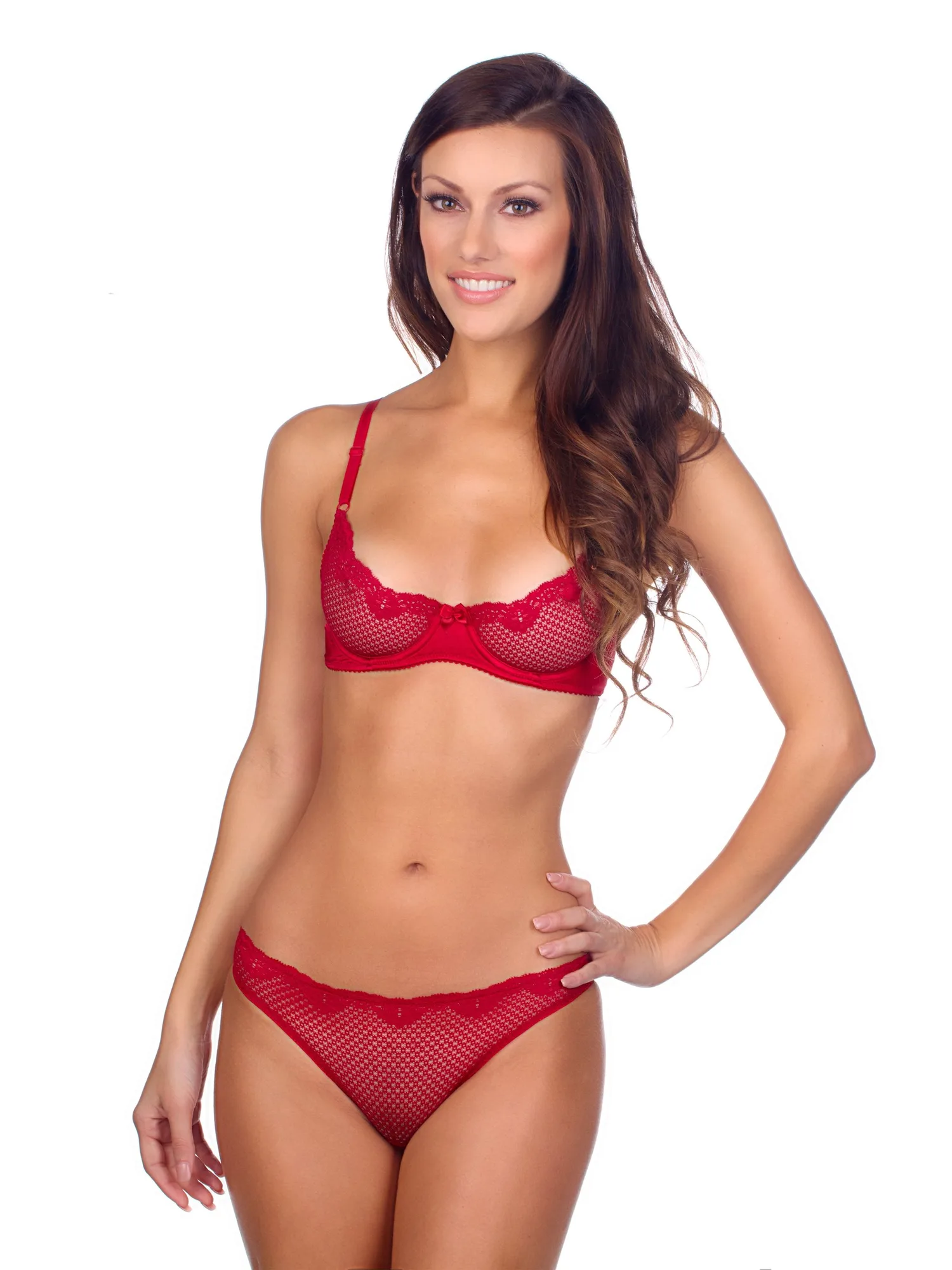
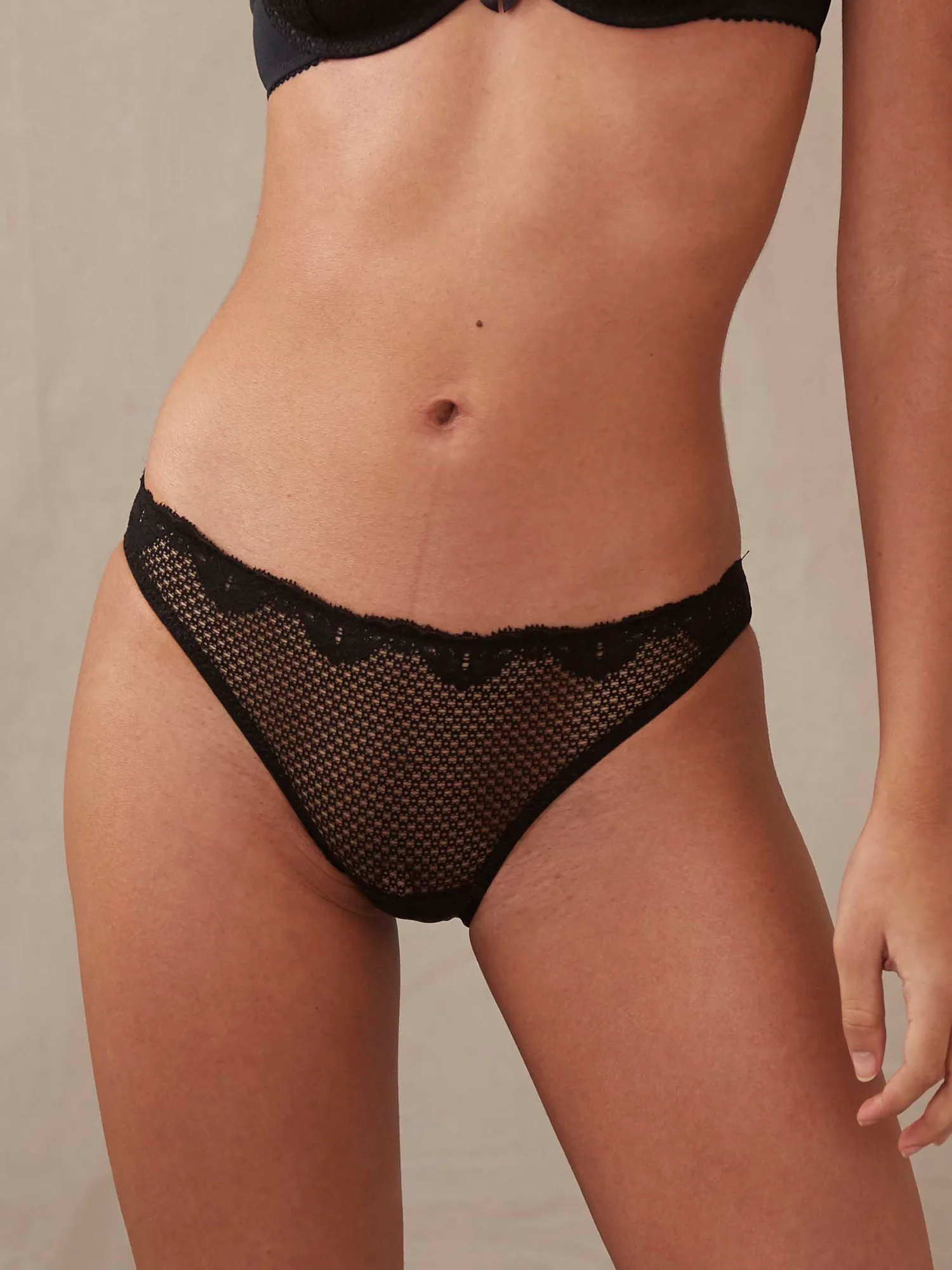
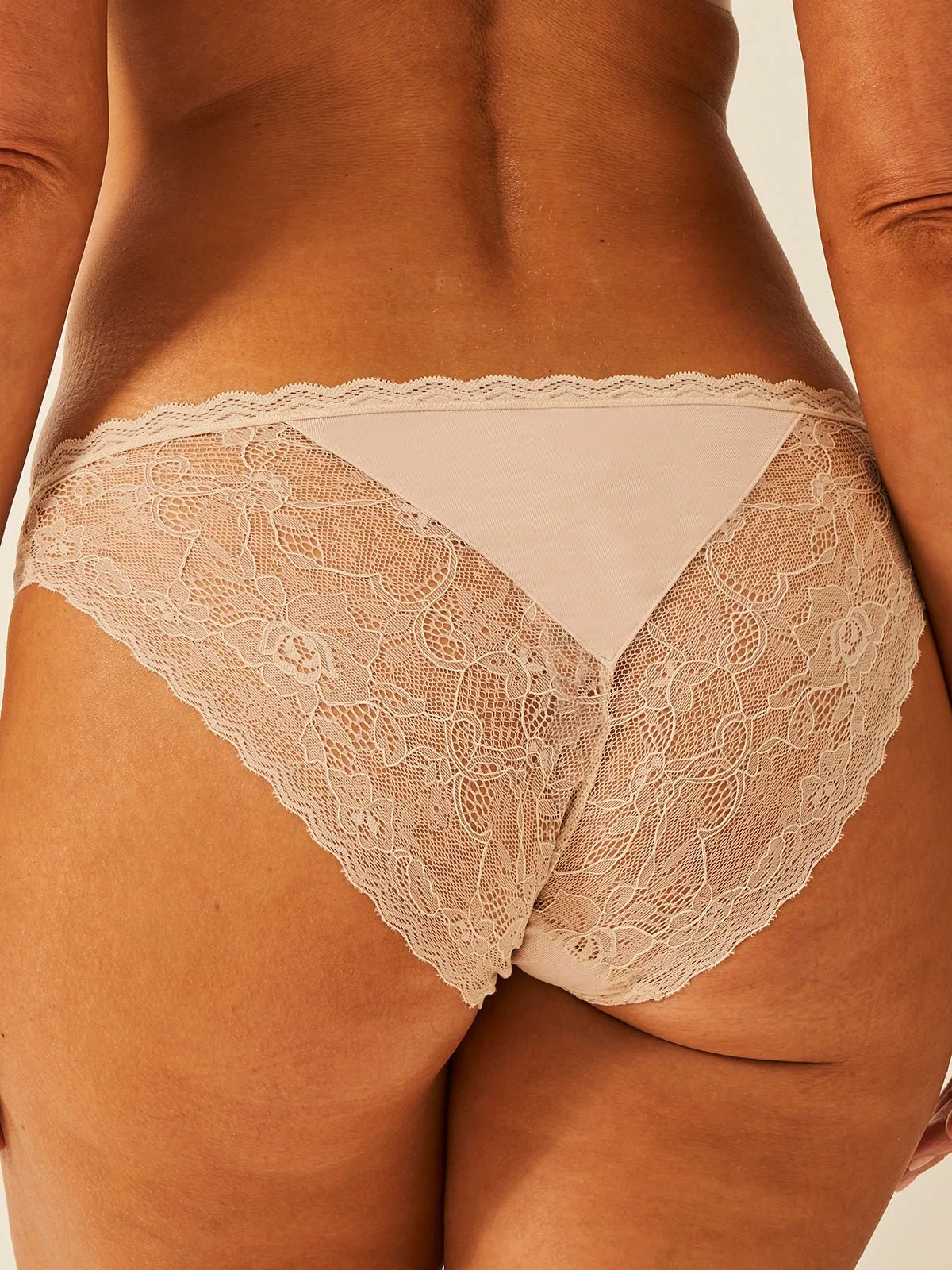
- https://timpalingeriecn.com/products/alice-brief-sale-eab2bb2fd9465def61a96eb9-1422747Alice Brief - Sale: Low rise brief with a front panel in soft crochet lace, a silky stretch opaque microfiber back panel, 86% polyamide and 14% elastane, and a cotton gusset lining. The style runs small, so size up. This is a clear example of a mixed-fabric brief: lace for looks, microfiber for smoothness and a cotton gusset for comfort. The size-up note matters because the fabric has stretch but the cut is low rise.
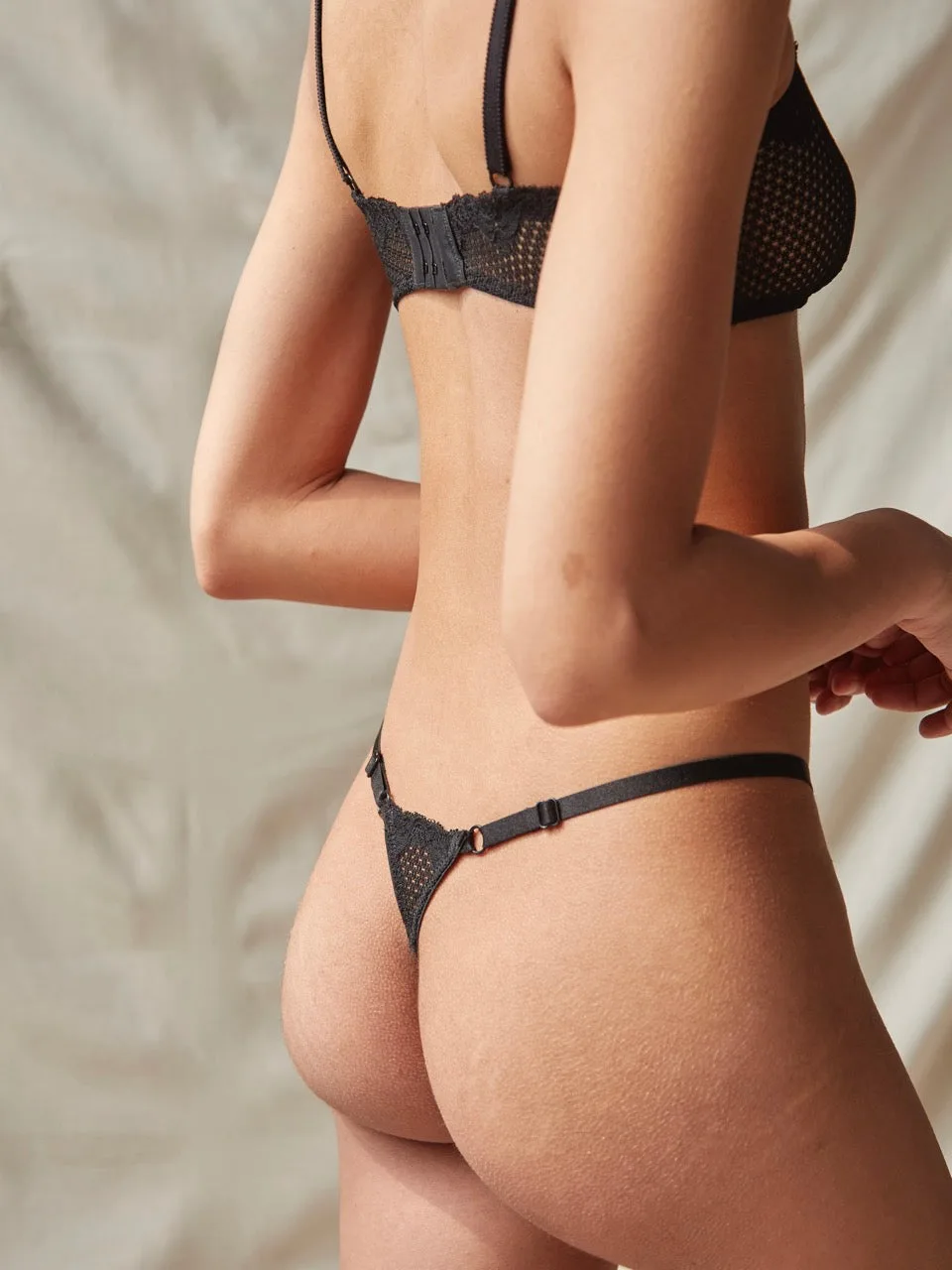
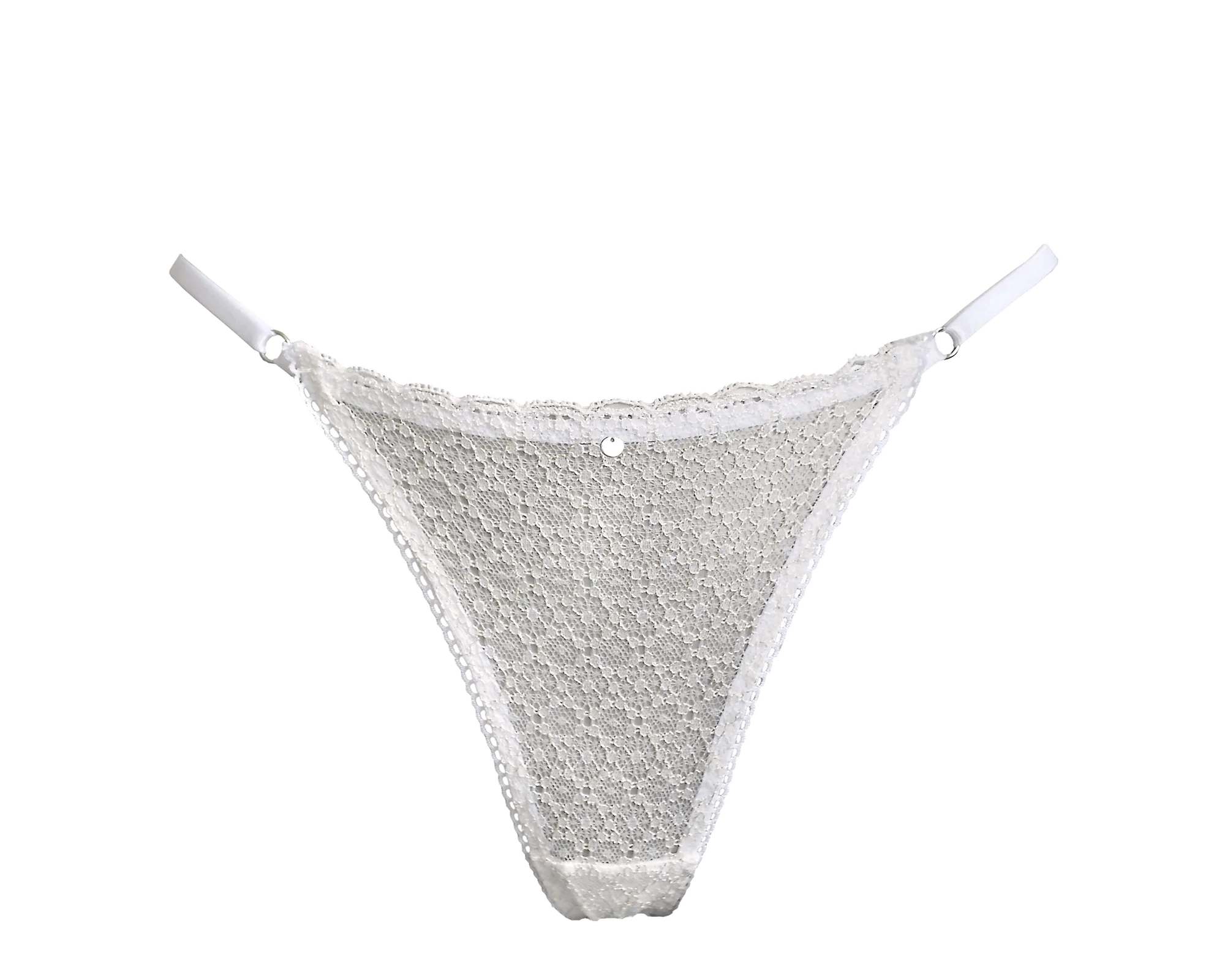
- Alice Mini Thong: Front and back panels feature soft crochet lace with a delicate floral scalloped trim. All panties are final sale for hygiene reasons. If you want an ultra-minimal lace option, this is the lace end of the fabric spectrum. Because it is final sale, confirm your size and fabric preference before ordering.
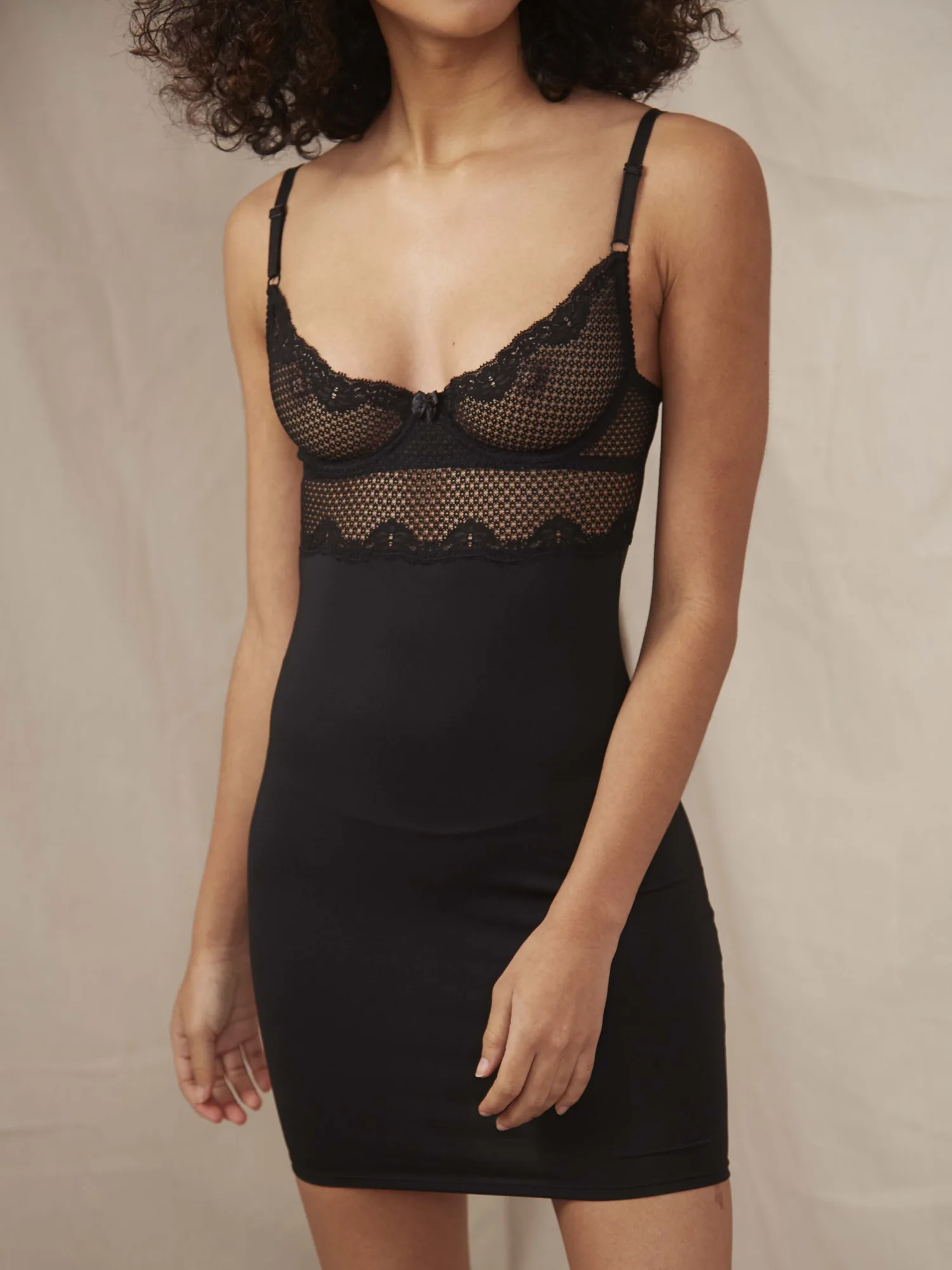
- Alice Slip Dress: Combines a sheer lace cup with a smoothing stretch body, with underwired support and body-hugging fabric designed for petite frames. Shows how lace and stretch fabrics can work together in one piece: lace for the cup detail and stretch for the smoothing body. Useful if you want a lingerie look that also works as a layer.
Which fabric is right for you?
Best for
- Everyday wearers who want breathable, low-maintenance underwear
- Anyone building a small rotation of lace pieces for occasions
- People who need a smooth finish under fitted clothing
Not for
- Shoppers who want one fabric to do everything equally well
- Anyone unwilling to hand wash or bag delicate lace pieces
- People who run hot and prefer tight synthetic cuts over breathable fabrics
There is no single best underwear fabric, only the best match for your day and your habits. Start with cotton or a cotton-gusset blend for daily comfort, add microfiber for smooth finishes, and keep lace for the moments when you want the fabric to feel special. Check the fit notes, care for stretch fabrics gently, and your drawer will stay comfortable far longer.