Why unflavored whey belongs in your kitchen, not just your shaker
Unflavored whey is the quiet workhorse of a protein routine. Because it brings no sweetener or flavoring, it can disappear into oatmeal, soup, or a pancake batter without turning dinner into dessert. That makes it a practical choice if you want to add protein to meals you already eat rather than drink another shake.
The catch is texture. Whey powder is a fine powder that clumps when it hits hot or wet ingredients too quickly, and unflavored whey gives you no flavor cushion to hide lumps. The method below focuses on how to add it to food so it blends smoothly, using the Optimum Nutrition 100% Whey Native Protein Powder, Unflavored, 2 lb, as the reference product.
What the Optimum Nutrition Native Whey record confirms
-
100% Whey Native Protein Powder, Unflavored, 2 lb, Made from Farm Fresh Milk, No Artificial Flavors or Preservatives, for Muscle Health and Recovery, Lactose Free: Optimum Nutrition 100% Whey Native Protein Powder in Unflavored, 2 lb, is made from farm fresh milk. The milk source tells you this is a dairy-based whey, so it fits dairy-containing recipes rather than vegan ones.
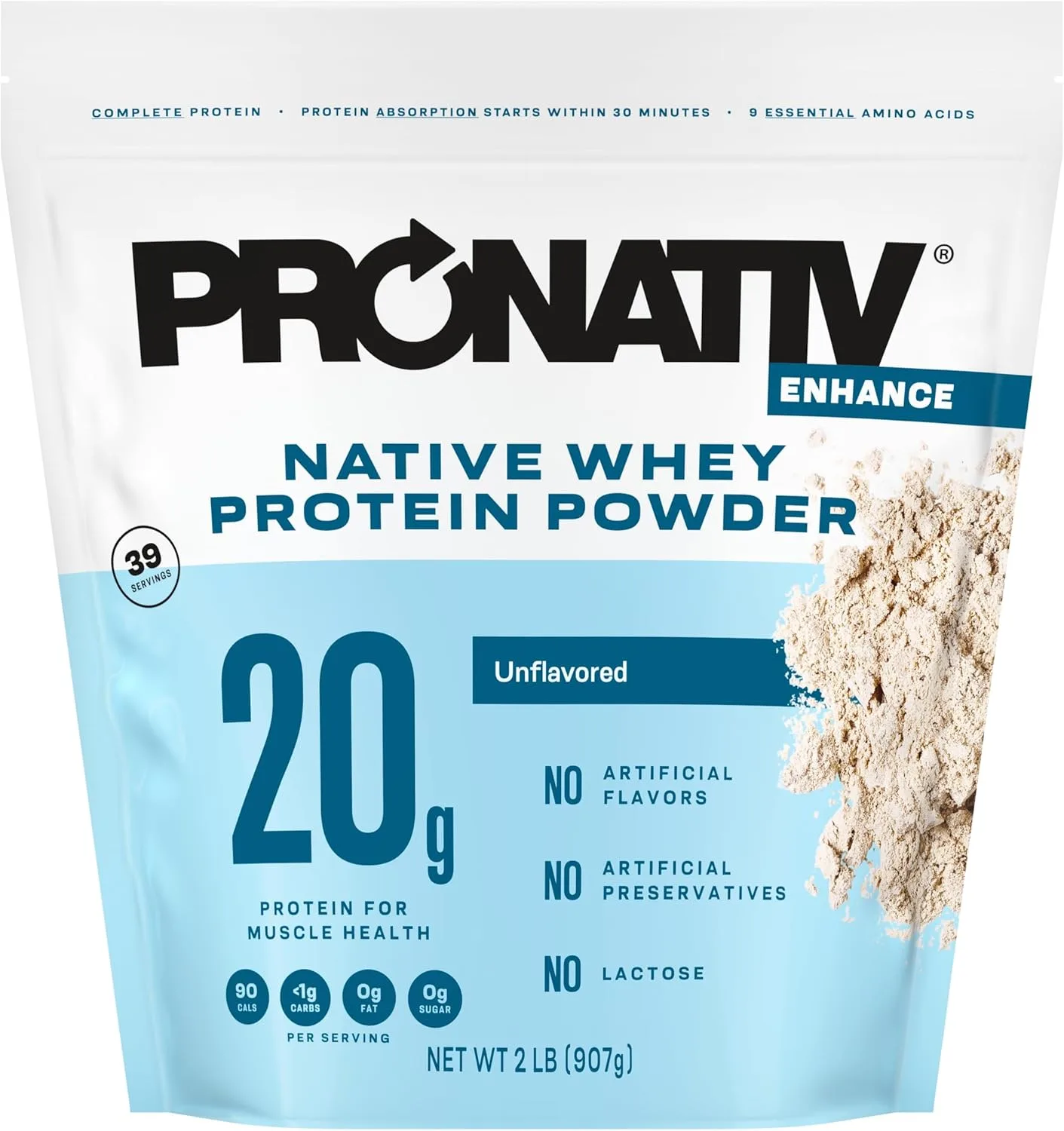
100% Whey Native Protein Powder, Unflavored, 2 lb, Made from Farm Fresh Milk, No Artificial Flavors or Preservatives, for Muscle Health and Recovery, Lactose Free
-
100% Whey Native Protein Powder, Unflavored, 2 lb, Made from Farm Fresh Milk, No Artificial Flavors or Preservatives, for Muscle Health and Recovery, Lactose Free: It is unflavored and contains no artificial flavors or preservatives. That is why it can go into savory dishes and baked goods without pulling the flavor in a sweet direction.
-
100% Whey Native Protein Powder, Unflavored, 2 lb, Made from Farm Fresh Milk, No Artificial Flavors or Preservatives, for Muscle Health and Recovery, Lactose Free: It is lactose free and designed to support muscle health and recovery. Lactose free matters if you avoid lactose but still want a milk-based whey; the recovery positioning explains why people add it to meals around training.
How to add unflavored whey to food without lumps
The order you combine ingredients matters more than the tool you use. These steps work for most wet and semi-wet dishes, from oatmeal to soup to muffin batter.
- Start with a cool or room-temperature liquid: Whisk the powder into a small amount of cool or room-temperature liquid first. Hot liquid can cause the powder to clump before it disperses.
- Whisk the powder into the liquid, not the other way around: Put the liquid in the bowl first, then sprinkle the powder over it while whisking. Adding liquid to a pile of powder creates pockets of dry powder that are hard to break up.
- Add the slurry to your dish near the end of cooking: For soups, stews, and sauces, stir the smooth slurry in during the last few minutes of cooking and keep the heat low. Boiling or prolonged high heat can change the texture of whey.
- Fold into batters and doughs with the dry ingredients: For pancakes, muffins, or quick breads, whisk the whey with the flour and other dry ingredients before adding the wet ingredients. This distributes it evenly and reduces streaks.
- Adjust the liquid slightly: Whey absorbs liquid, so a dish may thicken after you add it. Keep a splash of milk, water, or stock nearby and loosen the mixture if it becomes too stiff.
Everyday foods that take unflavored whey well
- Oatmeal and porridge: Stir a slurry into oatmeal after it comes off the heat, or whisk the powder into the milk before cooking. Unflavored whey adds protein without changing the taste.
- Soups and pureed vegetables: A smooth slurry stirred into a warm soup near the end of cooking adds protein without altering the flavor profile. Start with a small amount and taste as you go.
- Pancake, muffin, and waffle batters: Replace a portion of the flour with whey in a recipe you already trust, and add a little extra liquid if the batter tightens. Because the powder is unflavored, it will not clash with savory or sweet add-ins.
- Yogurt and cottage cheese: Stir a spoonful into plain yogurt or cottage cheese for a thicker, higher-protein snack. Add a splash of milk if the mixture becomes too dense.
- Smoothies and blended drinks: Add the powder to the blender with the liquid first, then the fruit and ice. This follows the same liquid-first rule that keeps shakes smooth.
Where unflavored whey can go wrong
Unflavored whey is not a blank check for every recipe. High heat for a long time can make whey proteins tighten and turn grainy, so it works best stirred into dishes at the end rather than boiled for an hour. Very acidic ingredients, such as a long-simmered tomato sauce, can also cause whey to curdle; add it after the acidity has been balanced or keep the amount small.
The 2 lb tub is a practical size if you plan to use whey in cooking as well as shakes, but it is still a powder that absorbs moisture. Keep the lid sealed and store it in a cool, dry place. The supplied record does not include a specific shelf life or storage temperature, so check the package label for those details rather than guessing.
Who this unflavored, lactose free whey suits
This Optimum Nutrition option is a good fit if you want a milk-based whey with no artificial flavors or preservatives and you avoid lactose. It is also a sensible choice if you want one tub that works in both sweet and savory dishes, since there is no flavor to compete with what you are cooking.
It is less suited if you need a plant-based protein, or if you want a flavored powder that turns a plain glass of water into a shake. The record confirms the unflavored variety and the 2 lb size; it does not confirm other flavors, so choose based on the unflavored option if that is what you need.