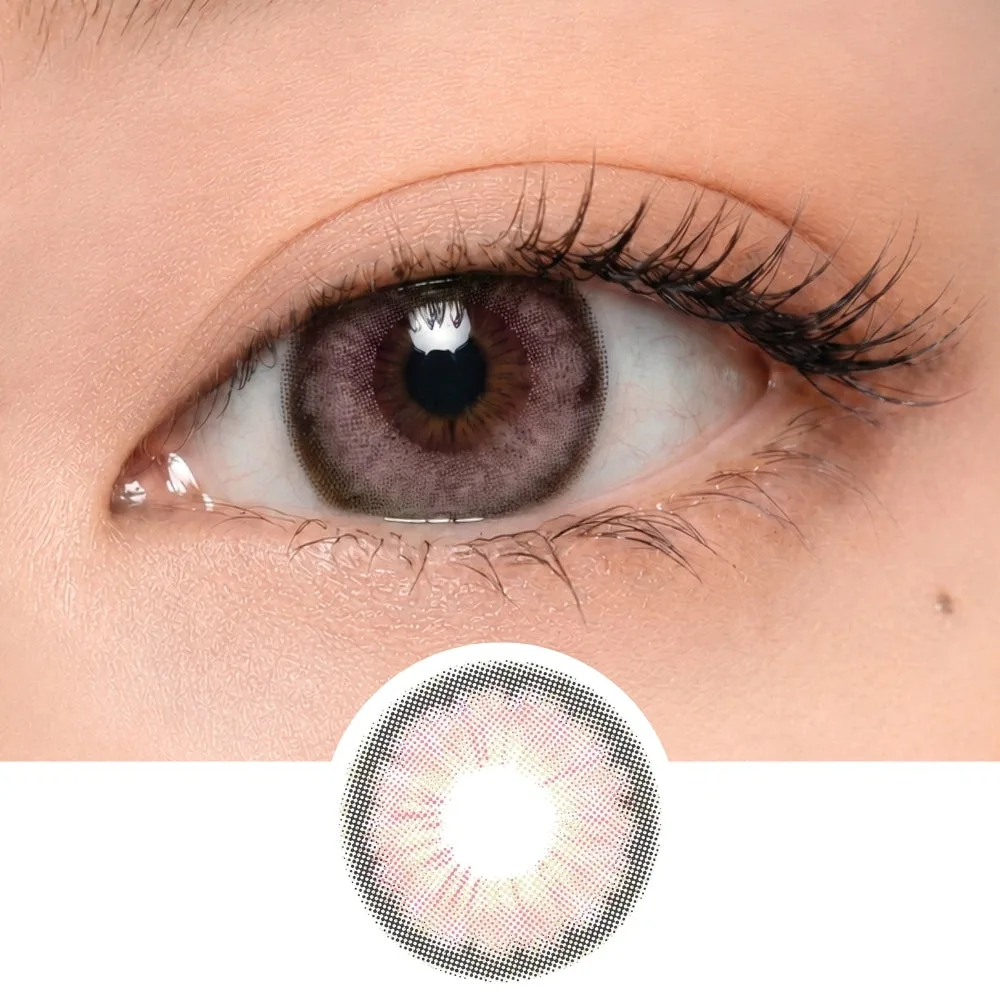
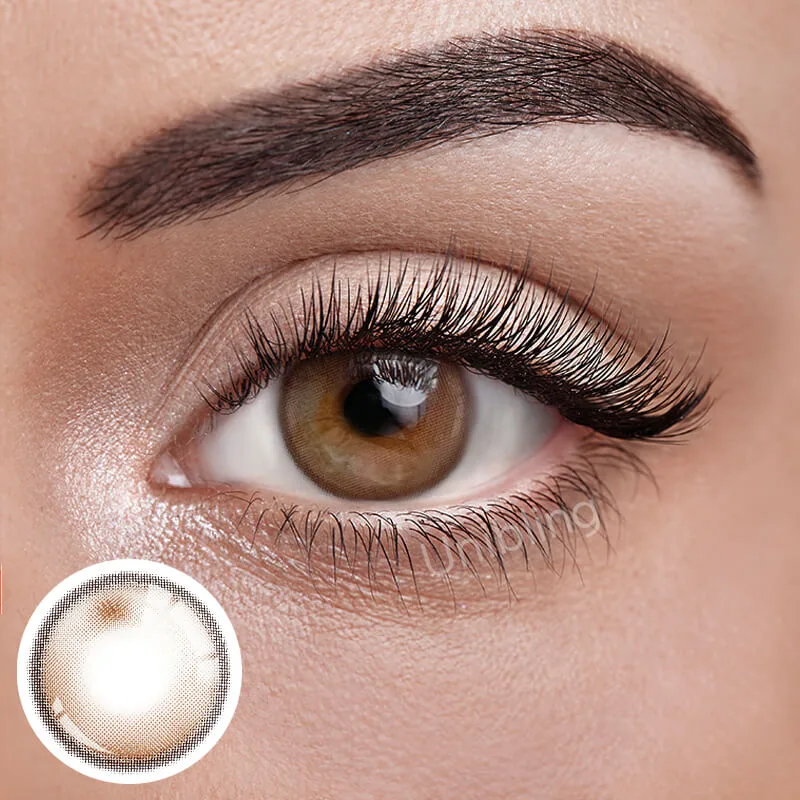
The Real Fork: Wear Cycle Before Color
Both Unibling Lucency Brown and Trinity Brown are brown colored contacts, but they are built around different replacement rhythms. Lucency Brown is a 1-year lens; Trinity Brown is a 1-month lens. That single difference shapes how you plan purchases, how often you restock, and how much you spend over time.
Start by deciding which wear cycle fits your life. If you want one pair to carry you through a year of occasional wear, Lucency Brown is the simpler commitment. If you prefer a fresh pair every month, Trinity Brown matches that habit. Color and pattern come second because you can only enjoy the look if the replacement schedule works for you.
What Each Brown Lens Is Designed For
-
Unibling Lucency Brown (1-Year): Unibling Lucency Brown (1-Year) is described as soft and light yearly wear contacts that complement any eye color. The yearly format and 'soft and light' description point to a low-key brown that aims to blend rather than announce itself.
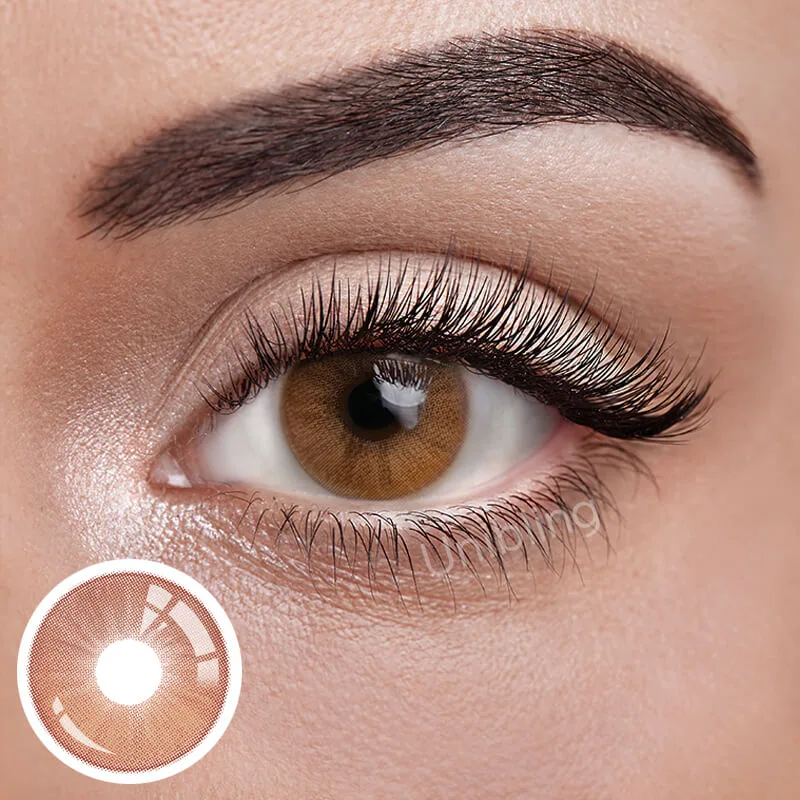
Unibling Lucency Brown (1-Year)
-
Unibling Trinity Brown (1-Month): Unibling Trinity Brown (1-Month) uses a 3-tone brown design with irregular dot patterns to mimic the texture of a real human iris, and has a 13.2mm graphic diameter. The 3-tone pattern and 13.2mm graphic diameter are the details that create Trinity Brown's more textured, iris-like effect.
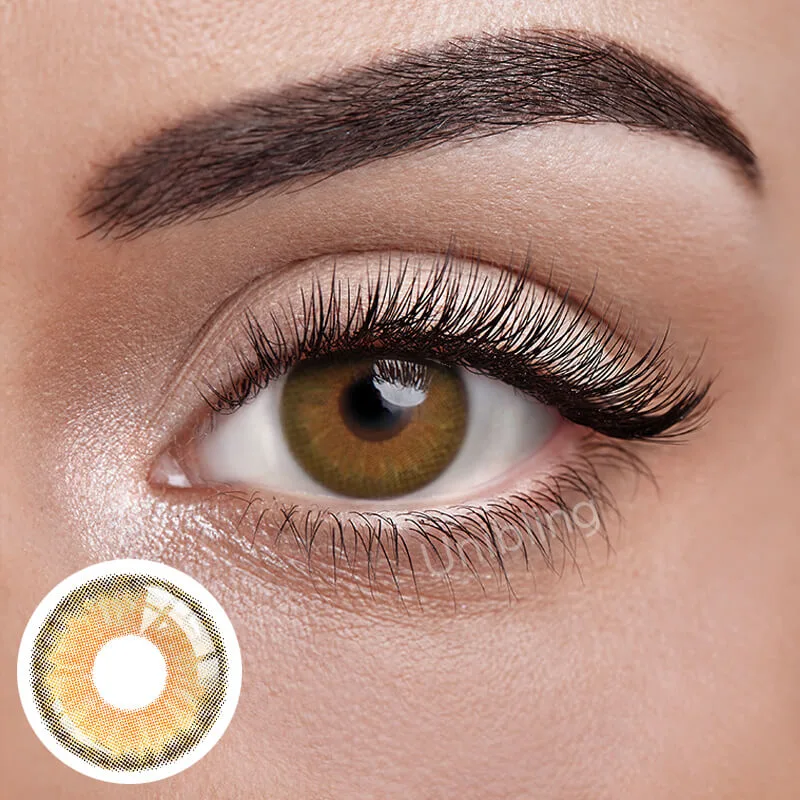
Unibling Trinity Brown (1-Month)
Lucency Brown vs Trinity Brown at a Glance
- Replacement cycle: Lucency Brown is a 1-year lens; Trinity Brown is a 1-month lens. This is the clearest practical difference between them.
- Color approach: Lucency Brown is a soft, light brown meant to complement any eye color. Trinity Brown layers three brown tones with irregular dots for a more detailed iris effect.
- Graphic diameter: Trinity Brown lists a 13.2mm graphic diameter. The supplied record for Lucency Brown does not state a graphic diameter, so you cannot compare that measurement directly from the available information.
- Catalog price: Lucency Brown is listed at USD 17.99 (comparison price USD 29.99). Trinity Brown is listed at USD 20.69 (comparison price USD 29.99).
- Best fit for: Choose Lucency Brown if you want a year-long pair with a soft brown effect. Choose Trinity Brown if you want a monthly refresh and a more textured 3-tone iris look.
How the Wear Cycle Changes Your Routine
A 1-year lens asks you to commit to one pair for the long haul. That suits people who wear colored lenses occasionally and prefer fewer repurchases. A 1-month lens suits people who like to swap looks more often or who want a fresh pair on a monthly cadence.
The supplied records do not include care instructions, cleaning steps, or daily wear limits for either lens. That absence is a decision limitation, not a sign that care guidance does not exist. Before ordering, check the packaging and any care information that comes with your lenses so you know how to handle and store them for your chosen wear cycle.
Which Brown Lens Fits Your Plan?
- Pick Lucency Brown if you want a soft, light brown for the long term: The 1-year format and the 'soft and light' description make it the calmer, lower-maintenance choice for someone who wears brown lenses occasionally and does not want to restock every month.
- Pick Trinity Brown if you want a more detailed iris look and monthly freshness: The 3-tone design, irregular dot pattern, and 13.2mm graphic diameter give Trinity Brown a more textured appearance, and the 1-month cycle means a new pair each month.
- Pick based on budget over time, not just the sticker price: Lucency Brown costs less per pair at USD 17.99, but one pair covers a year. Trinity Brown costs USD 20.69 per pair and would need replacing monthly if you wear it regularly. Work out how often you actually wear colored lenses before deciding which total cost makes sense for you.
What the Catalog Does Not Confirm
The supplied records do not list base curve, diameter, water content, or care instructions for either lens. They also do not state whether either lens is suitable for specific eye conditions or prescription needs. Treat those as open questions to resolve with the packaging or the seller before you buy, especially if you have sensitive eyes or wear prescription contacts.
Neither record includes patch-test results or medical claims. That means you should not read this comparison as a safety endorsement. If you are new to colored contacts, get professional advice on fit and care rather than relying on a product description alone.