Where a dentin sealant fits after scaling
Scaling and root planing can leave patients with transient root sensitivity. Ultradent Universal Dentin Sealant is positioned for that discomfort: the catalog describes it as a way to help patients after scaling and root planing. That makes it one option to discuss when a patient reports cervical sensitivity following hygiene treatment.
The supplied catalog does not include preparation steps, application instructions, or compatibility evidence for this product. Treat those as clinical decisions for the treating dentist, not as a protocol you can copy from this page. Use the product record to confirm intended use and then follow the manufacturer's full instructions before placing it.
What the catalog confirms about this sealant
-
Ultradent™ Universal Dentin Sealant-For Transient Root Sensitivity: Ultradent Universal Dentin Sealant is described for dental professionals as a way to help patients with discomfort from scaling and root planing. This is the intended-use statement to match against your patient's sensitivity after hygiene treatment, rather than a general desensitizing claim.
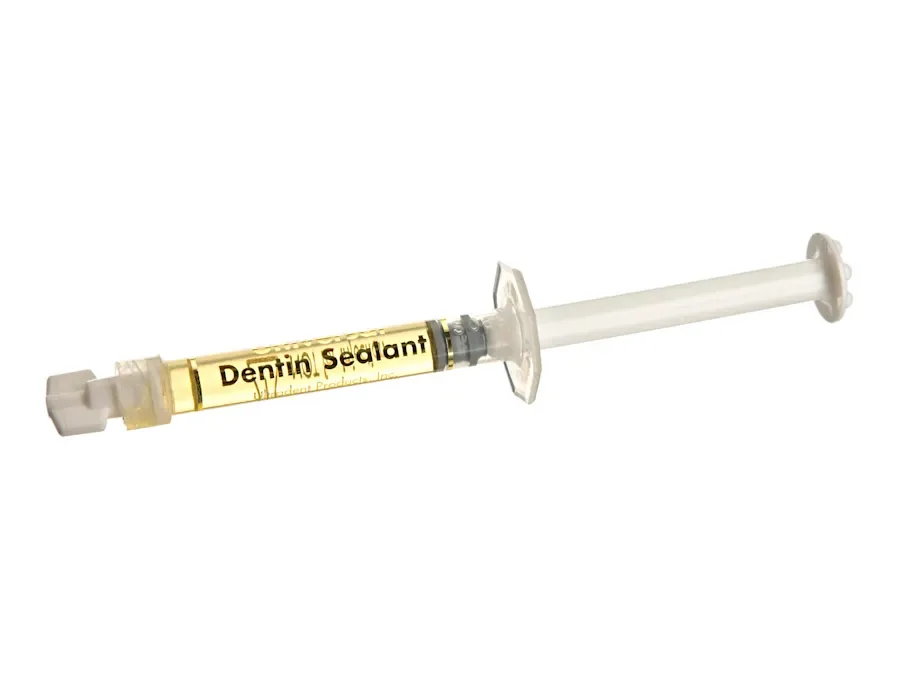
Ultradent™ Universal Dentin Sealant-For Transient Root Sensitivity
-
Ultradent™ Universal Dentin Sealant-For Transient Root Sensitivity: The product is listed under Prevent Hygiene and is available in a Standard variant at a catalog price of USD 193.80. The variant and price help you compare the purchase against your current sensitivity protocol, but they do not tell you how many applications a unit supports.
Checkpoints before you use it on a sensitive root
The supplied record does not provide procedural steps, so the sequence below is a decision framework, not a manufacturer protocol. Confirm each checkpoint against the full product instructions and your own clinical judgment.
- Confirm the sensitivity is transient and post-scaling: The catalog ties this product to discomfort from scaling and root planing. If the patient's sensitivity has another cause, the intended-use match is weaker and should be reassessed.
- Check the product record for application details: The supplied evidence does not include preparation or operating instructions. Before treatment, obtain and read the manufacturer's current instructions rather than relying on a generic sealant routine.
- Decide what you can verify in your own workflow: The catalog does not list compatibility evidence or specifications. If your protocol depends on a specific bonding or isolation sequence, confirm that the sealant is appropriate for that use before you change anything.
- Set a review point after treatment: The supplied information does not describe expected duration of relief. Plan to ask the patient about sensitivity at a follow-up you already schedule, and document what you observed.
What the catalog does not tell you
- No application protocol is supplied: The record includes no preparation steps, no operating instructions, and no compatibility evidence. Those gaps are a reason to consult the full manufacturer documentation, not a reason to assume the product lacks a feature.
- No specification list is supplied: The selected record has no specifications. Do not infer volume, cure requirements, or setting behavior from this page.
- No clinical outcome data is supplied: The catalog uses promotional language such as 'See the difference!' but provides no study results or success rates. Treat that as marketing copy, not evidence of efficacy.
A practical way to evaluate it for your practice
If your hygiene team already has a sensitivity conversation after scaling and root planing, Universal Dentin Sealant is worth evaluating as one option within that conversation. Start by reading the full instructions for use and confirming that the product's intended use matches the patients you have in mind. Then decide whether the Standard variant and the catalog price fit the way you stock and bill materials.
Keep the decision honest: the supplied catalog supports the intended use after scaling and root planing, but it does not support a step-by-step technique or a promise of relief. Use the product where the indication fits, follow the manufacturer's directions, and let your own follow-up notes tell you whether it earns a place in your protocol.